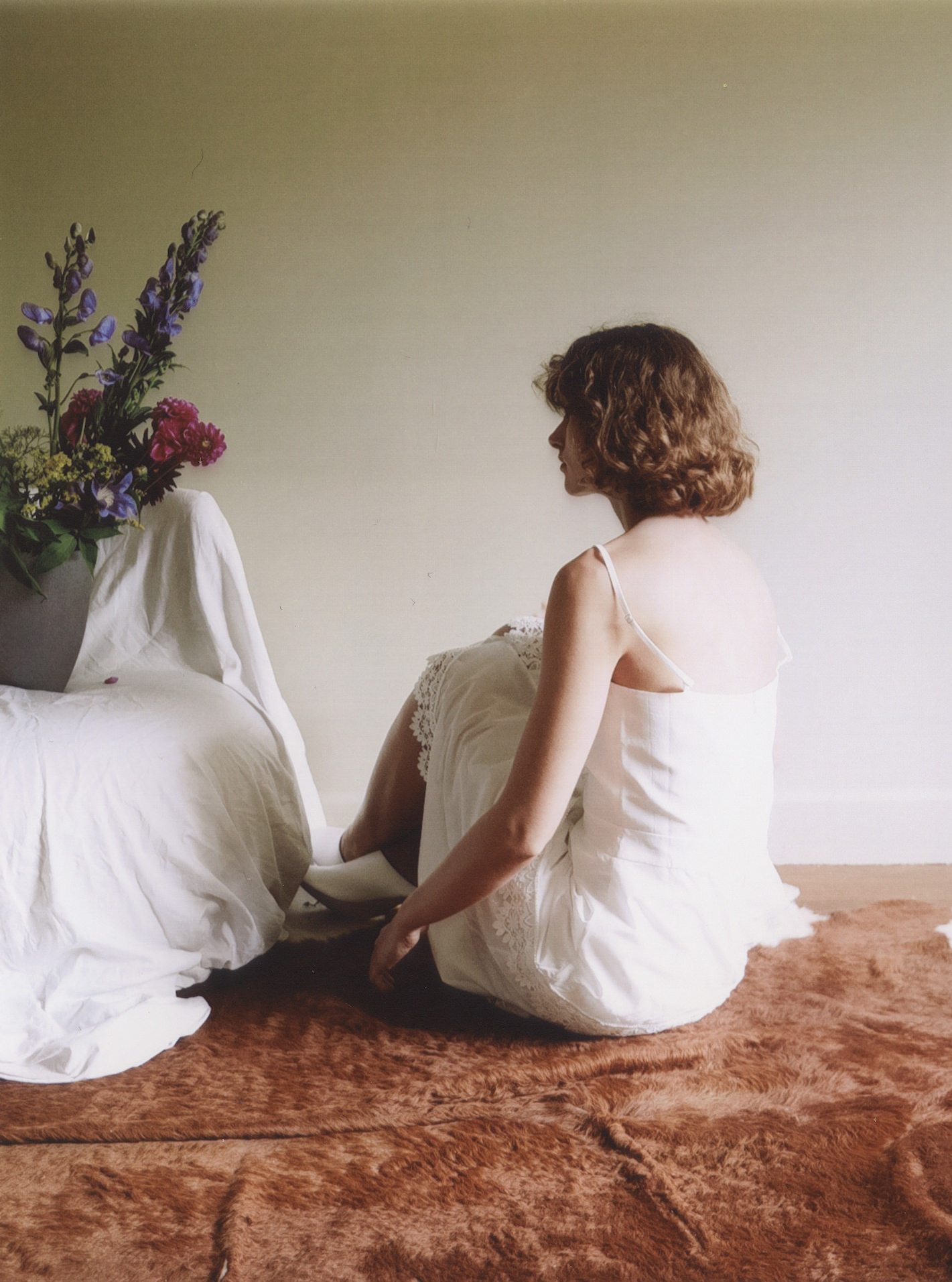
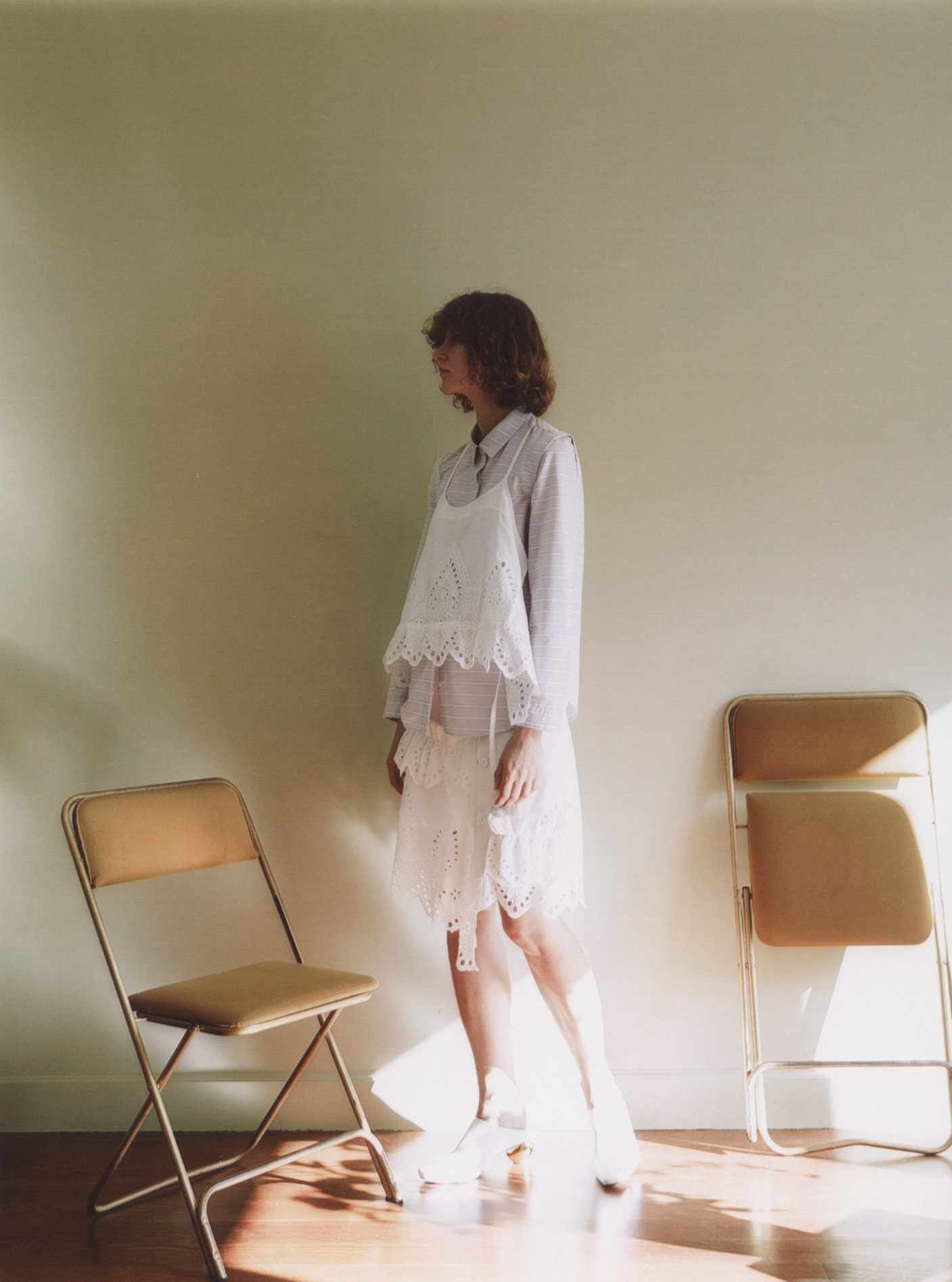
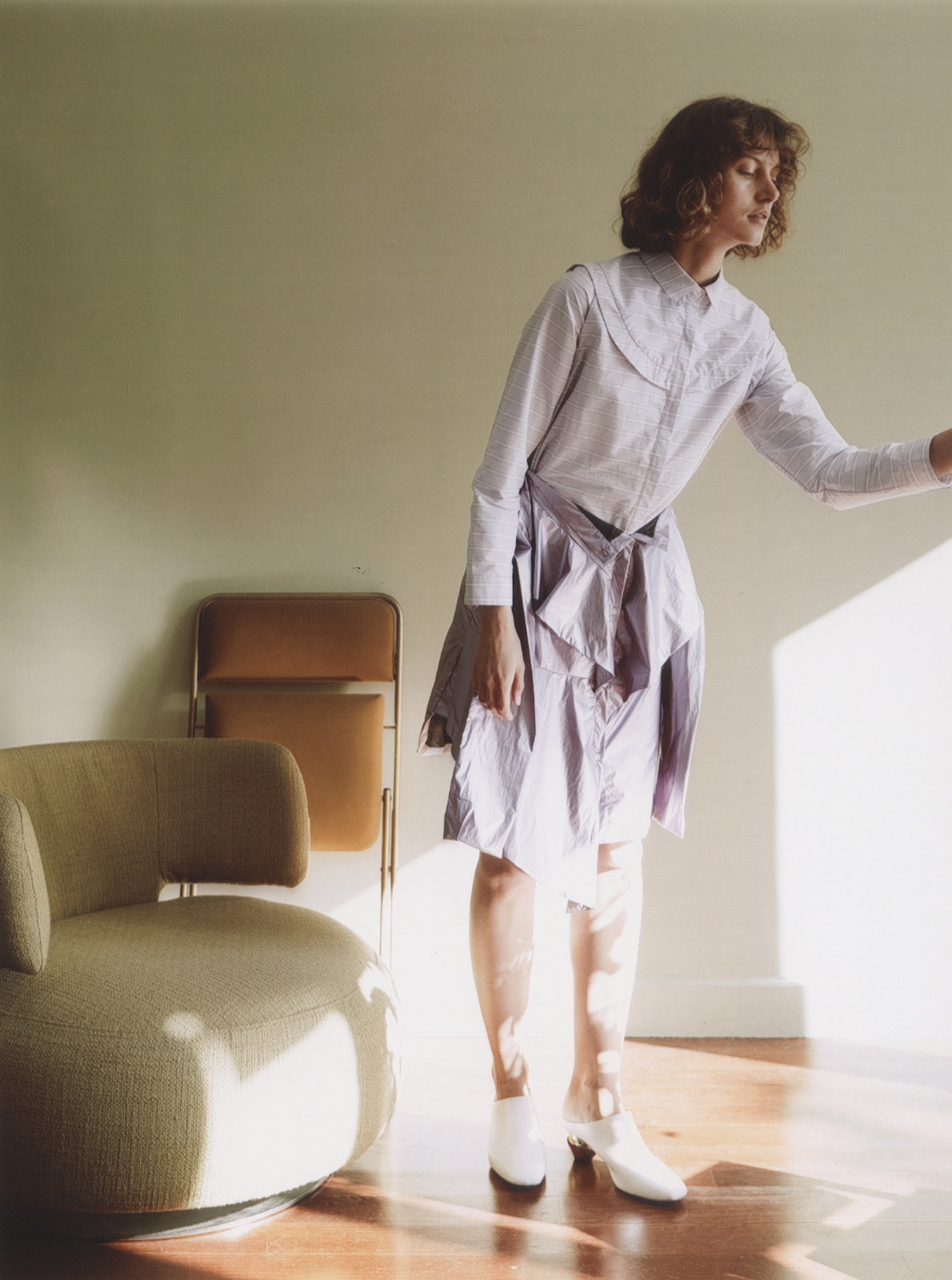
Elegant, seasonless, and ageless, the work of Melbourne based designer Dominique Healy has a built up a dedicated fan base of customers since she launched her eponymous brand in 2017.
With 10 years as a fabric wholesaler in both Australia and New Zealand, if there’s one thing the designer is known for, it is high quality, beautiful fabrics. It was this background that was the impetus for the launch of the brand as the designer began stashing and storing the materials she came across.
Alongside her love for fabric, Healy was also committed to creating clothing that support and promoted local and ethical clothing production, as she writes on her website. The brand’s mission statement clearly shows the designer’s focus: “Trans-seasonal pieces. Released slowly. Made in-house in our Melbourne studio.”
“Each garment is carefully considered and constructed locally from high-quality fabrics, all made to stand the test of time,” states the website.
Elegant, seasonless, ageless
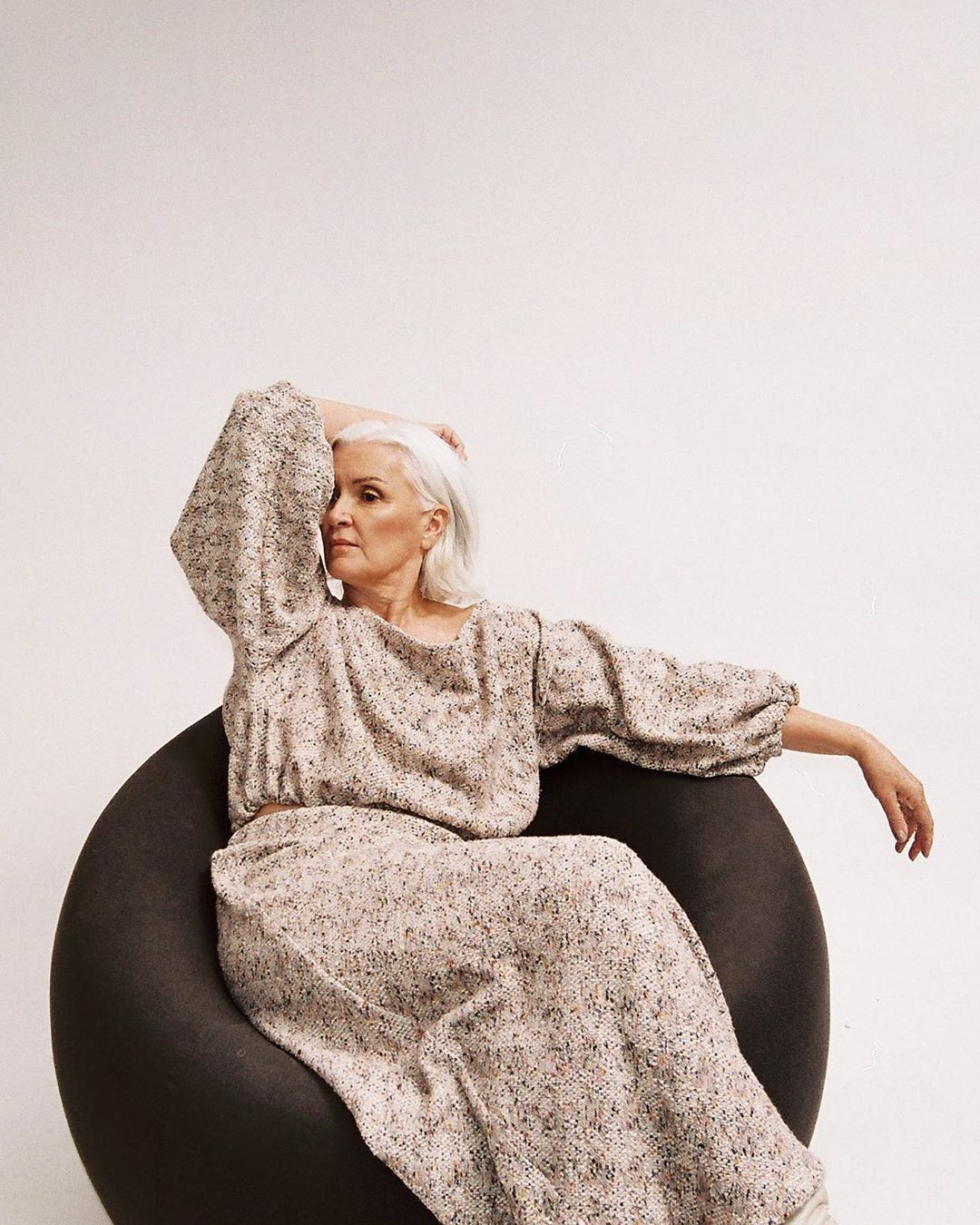
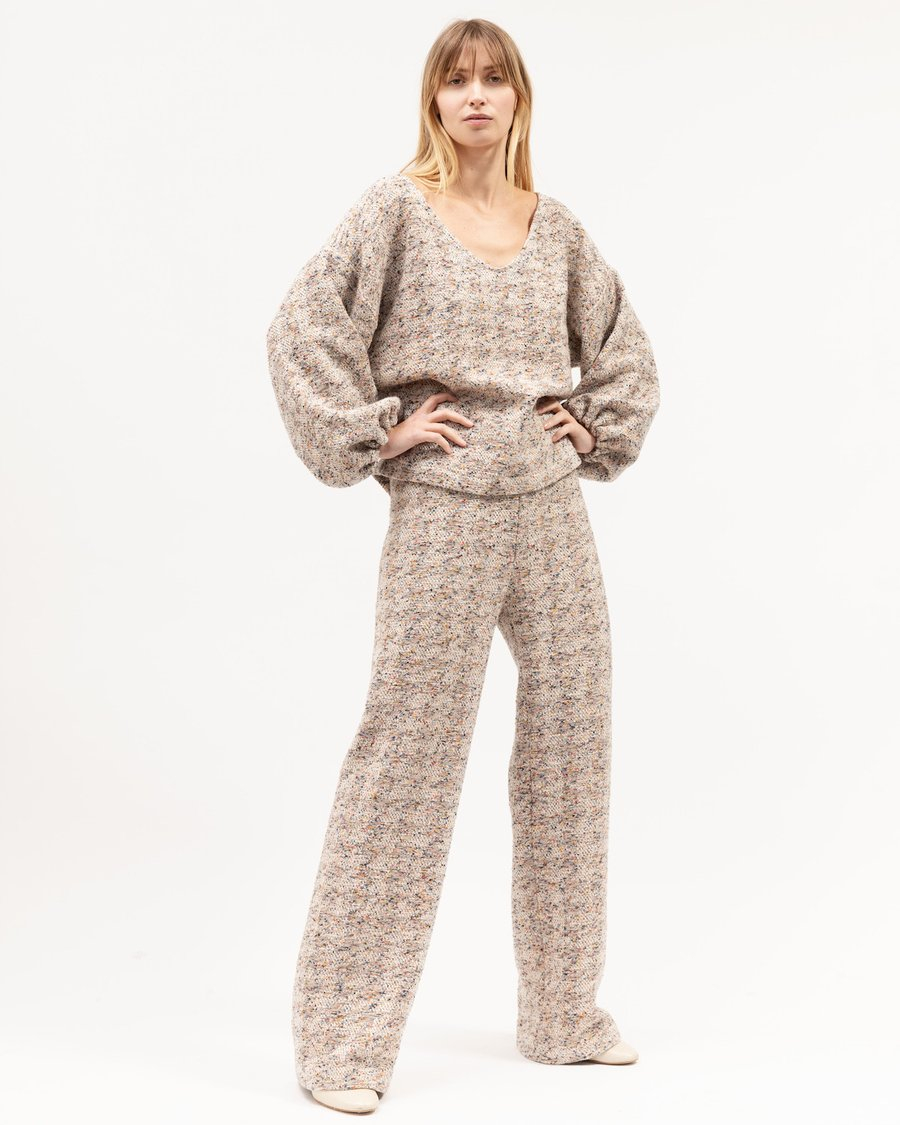
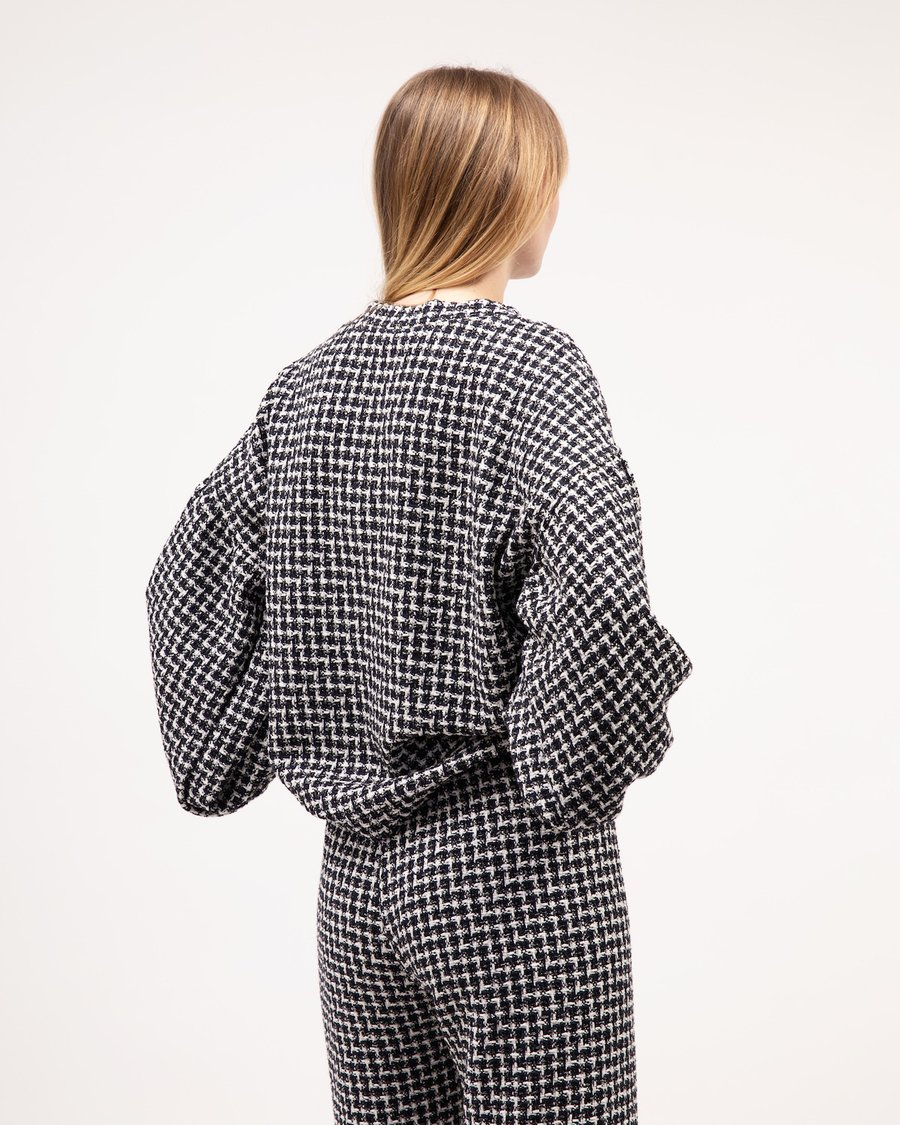
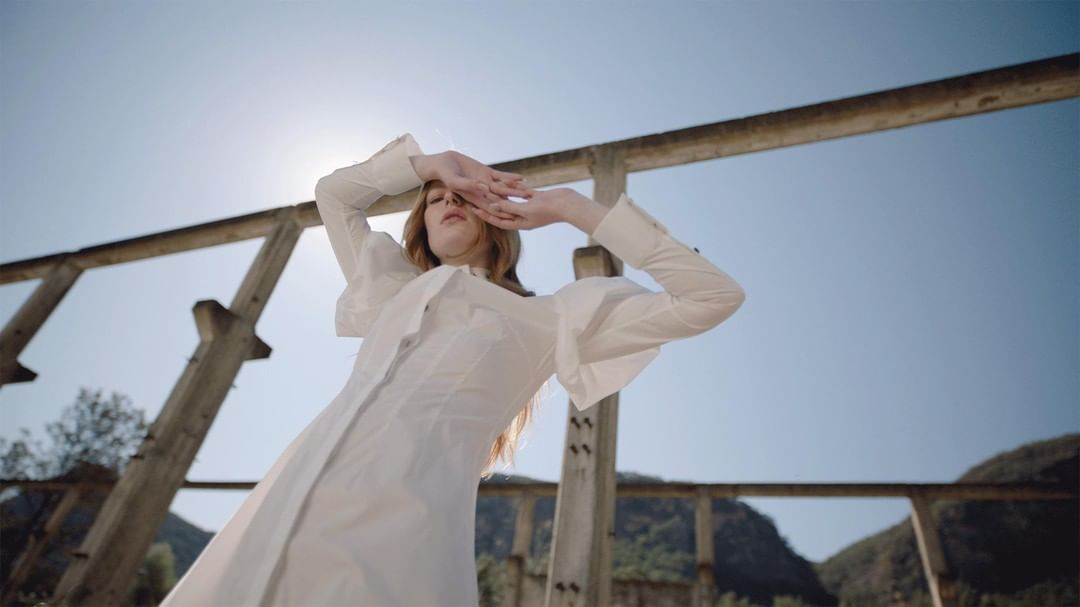
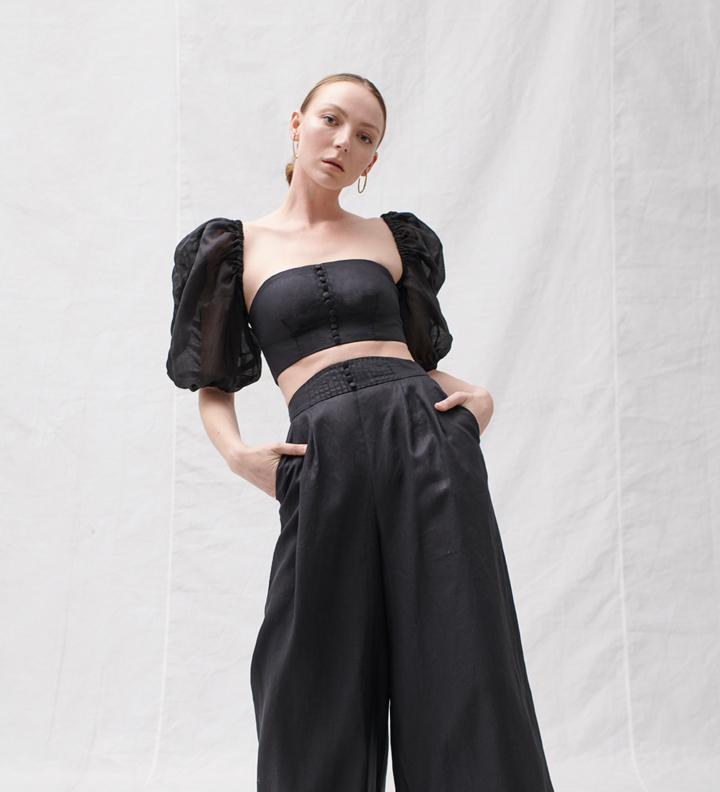
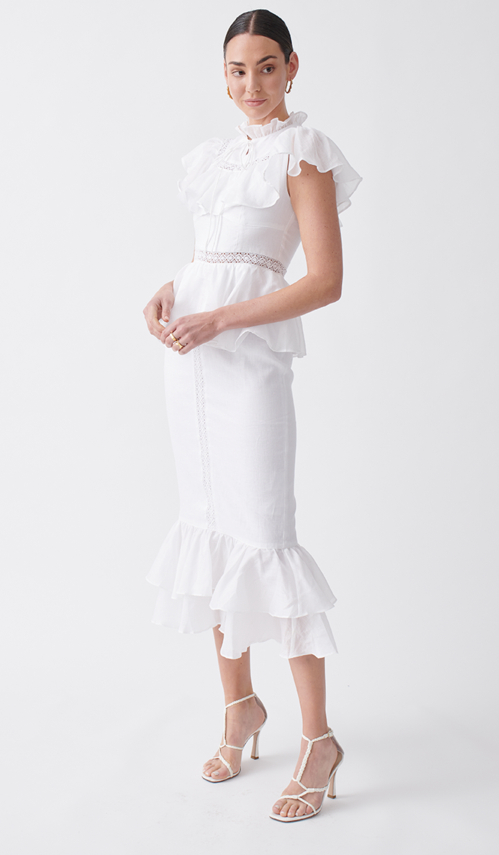
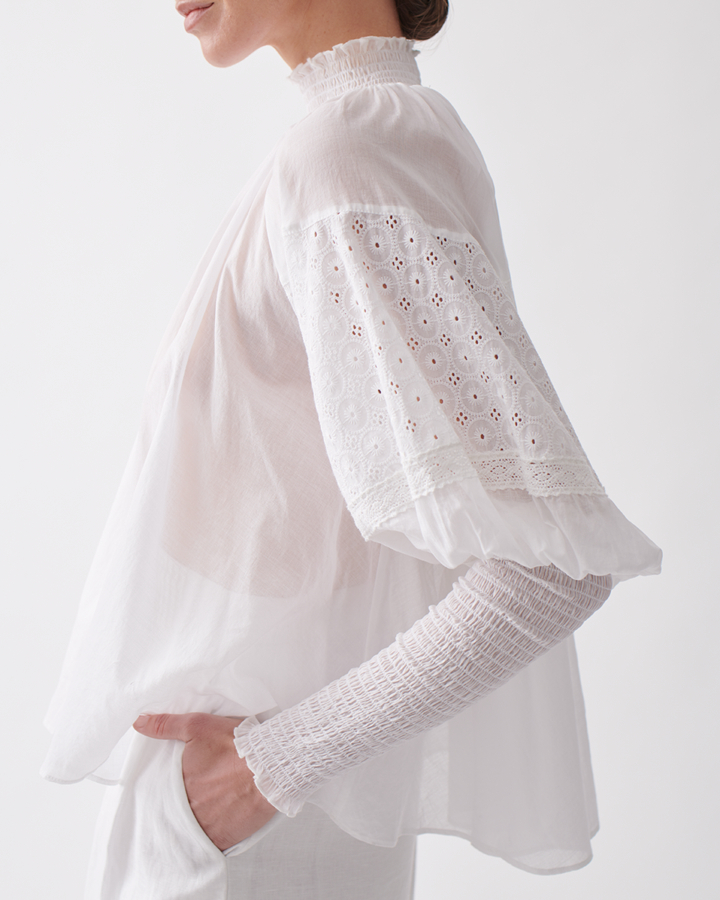
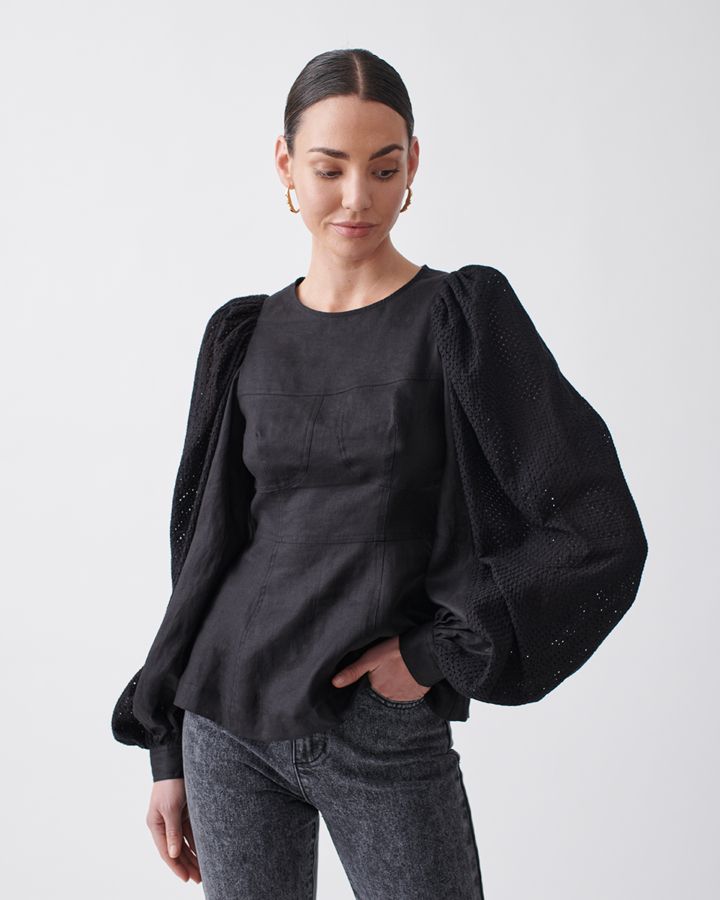
The Dominique Healy aesthetic is a mix of classic shapes like wide-leg pants, pencil skirts, and blouses with textured fabrics and more fashion-forward proportions. She does a spectacular poet-style sleeve.
It’s also interesting that the designer uses an older fit model front and center in her shoots and lookbooks, clearly welcoming the dollar of the more mature buyer. Equally interesting is that the exact same pieces are shown on both the older, and younger models; again showing a more inclusive attitude.
While the natural tones of the fabrics – think white, cream, black – give off a somewhat Scandianivan furniture vibe, the slightly bulky fabrics create a rounded, soft texture to the brand’s pieces.
Healy’s most recent collection was all about matching sets that have the comfortable feel of a sweatsuit but the elegance of a traditional suit due to the use of thick cotton fabrics and classic cuts.
Ethical and Sustainable Production
The majority of the Dominique Healy garments are made in her Melbourne studio, while the rest is produced at an Melbourne factory that is ethically accredited.
Healy strongly believes that production needs to be kept local in order to not only support the Australian fashion industry, but she also feels that otherwise, “a part of the magic of the fashion industry could be lost altogether”.
An added benefit of keeping production local is the ability to produce short runs per style, reducing waste, and to also move to a ‘made to order’ model after the initial garments are sold, again ensure there is little to no wasted stock.
The garment patterns are also designed in such a way as to reduce fabric wastage. The brand’s popular Bella Blouse uses 95% of the fabric allowance to make, and Healy continues to work on ways to decrease fabric wastage with all her patterns.
Another way the designer works to be more sustainable, is to use a majority of deadstock fabrics sourced from Japan, Hong Kong, France, Italy, Australia and New Zealand, where her previous life as a fabric wholesales comes in handy.
Linen used for the brand’s classics range is produced by mills that are OEKO-TEX certified, meaning they meet a set of international regulations for the responsible use of chemicals.
While Healy has obviously created a fashion business that already follows a number of ethical and sustainable processes, the designer states that she will continue to incorporate “more sustainable and earth friendly materials into her collections”.
As the world continues to feel less and less safe, there has been an increase in searches for, and sales of, fashion items that bring a sense of comfort. Nostalgia for the times ‘before’, the golden ages of previous centuries when anything seemed possible, is popping up all over the place.
Whether it was the 1910s, or the 1970s, the desire for a light, pretty dress made of fine fabrics with lace and floral details is a trend that has come full circle in 2020. Concepts like #cottagecore, handcrafts, handmade, natural materials, floral prints, delicate detailing and classical, forgiving silhouettes can be seen in many designers’ work.
The Strawberry Midi Dress by Lirika Matoshi is perhaps the most famous dress of the year; so famous that popular social media influencers are making their own. The search for ‘prairie dress’ gets you 55,200,000 results on Google.
What’s really interesting is that the bulk of these results are not for major fashion brands, but from small independent designers, or even home sewists, who are looking to create clothes that are not only pretty, but comforting and designed for real women to wear. Clothing that is a bulwark against the stresses of a world pandemic and all that it brings.
All of this means that designers who have always created seasonless, trendless, slow fashion clothing are coming into their own. One of these is Australian designer Lucy Blair with her brand Ankoa.
Based in rural Australia, Lucy studied fashion at RMIT TAFE and worked in the commercial side of the fashion industry for a number of years, learning what she needed to know about how the market and industry operates in Australia. She also ran her own small, independent brand at the same time “making plenty of mistakes in what was a very different landscape, online shopping was only just starting out at that point”.
Lucy admits that while she loved what she was doing, she also started to see the cracks in the industry’s walls. “This was a time where I was very much captivated by the glamour of the industry and at this point ethical fashion wasn’t something that was really spoken about and was not something that was ever part of my curriculum studying,” explains Lucy.
Eventually she moved back to the country, drawn to a slower pace of life and a more considered way of producing fashion.
“Ankoa was something that I gradually started, around six years ago working part time and then once I had children found a whole new drive and passion to create,” says Lucy.
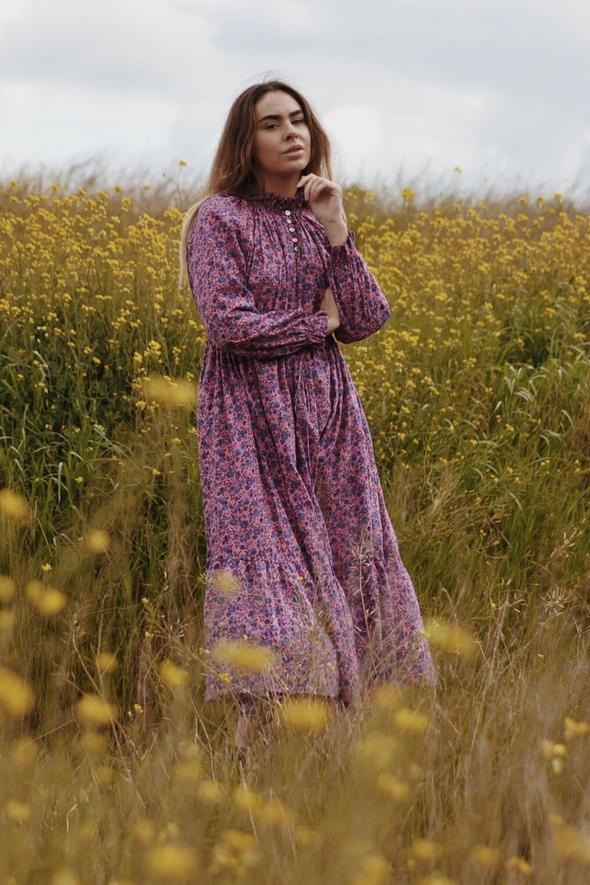
“The initial concept for Ankoa came from a love for hand blocked Indian cotton fabric. The fabric is created by carving wooden blocks and then dipping them in dye to create a unique print by hand.”
“I fell in love with the beauty of this ancient art and wanted to find a way to support and celebrate it. Initially I was going to make men’s shirts but ended up crossing over to women’s wear as that was my real passion.
“Once that happened it became about ‘celebrating life and all it has to offer’, making pieces that pull you further into moments so in terms of slow I guess that was always an underlying component but has developed further, as has the aesthetic.”
Lucy’s style is a mix of romanticism, traditional femininity, and a sense of womanhood. Motherhood made a major impact not only on Lucy’s thoughts about creating slower, more sustainable fashion, but also on her designs. Many of her dresses and tops are designed to make breastfeeding easier, for example.
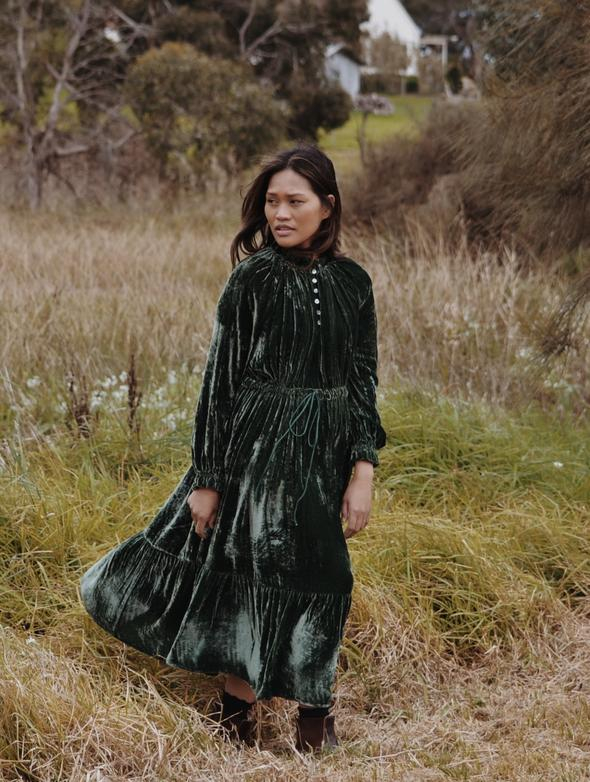
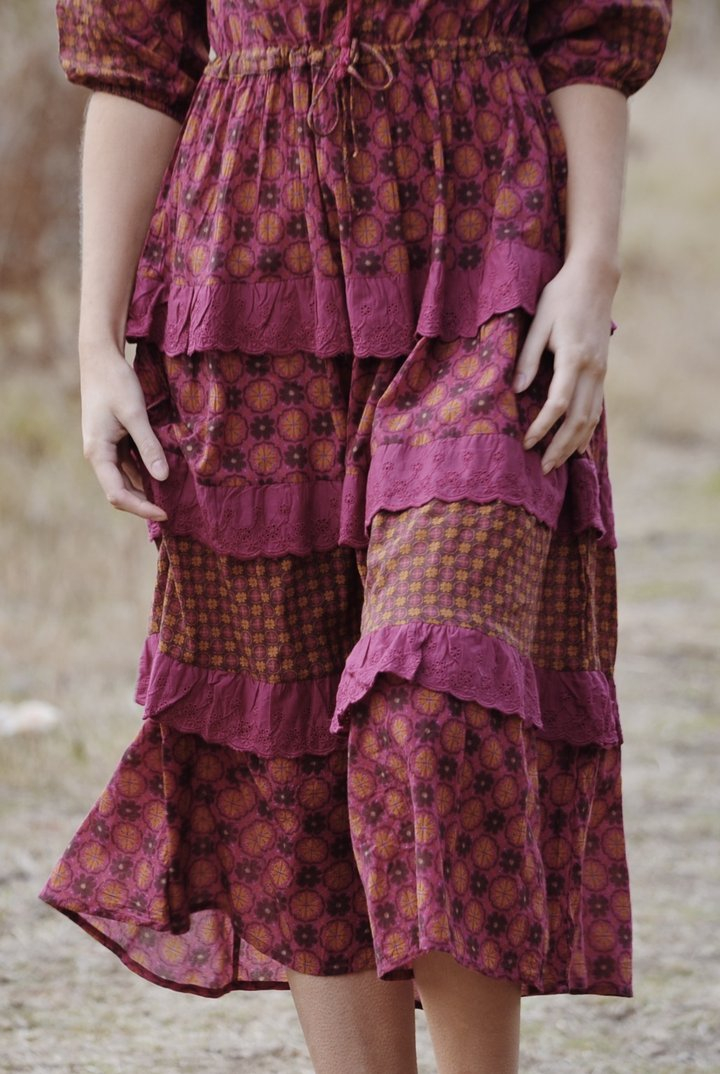
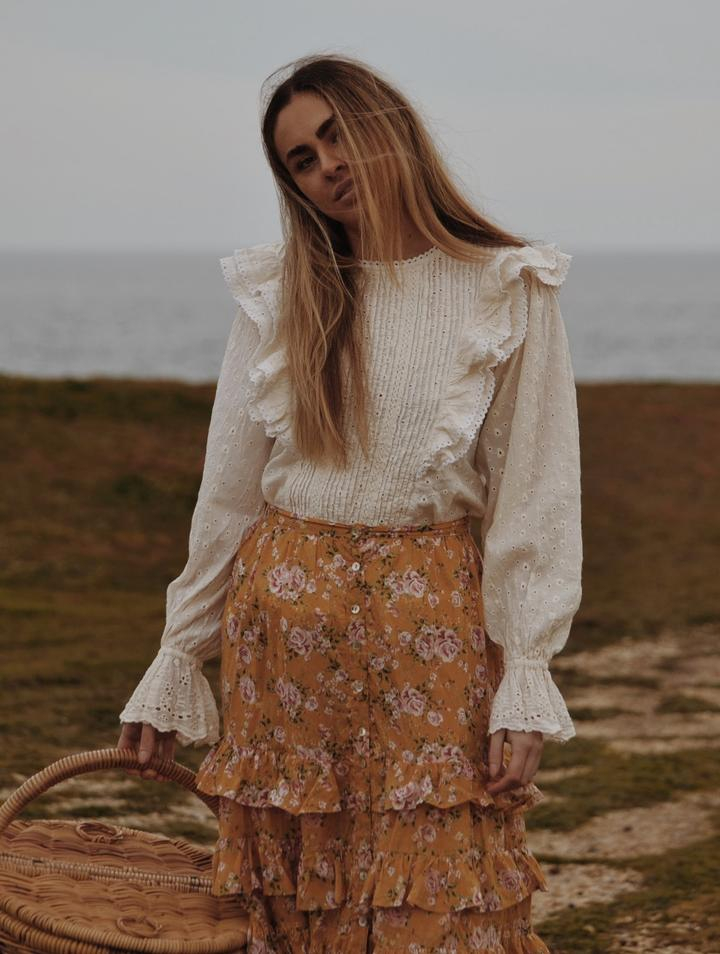
Rich colours and delicate prints on cotton mix with soft fabrics like velvet in her Winter collection; shapes are flattering with added volume for easy movement. These are very pretty clothes, with details like ruffles and lace that hark back to either the 70s hippie dresses or the floaty shirtwaists of the Edwardian era.
Each garment is a little bit different due to the use of hand printing using blocks in the traditional Indian style. The production runs are also small ensuring there is little to no waste, creating garments that are meant to last, and be handed down like heirlooms.
The battle for Sustainability
These days words like ‘sustainability’, ‘ethical consumerism’, ‘slow fashion’ etc are thrown around with abandon, and in many cases with little understanding. ‘Everyone knows’ that the fashion industry has to become more ‘sustainable’, but few brands understand what this actually means, let alone know how to implement the required changes.
For a small, independent brand like Ankoa, the issue of sustainability is multilayered; a battle to continuously improve.
“In terms of sustainability, so much has changed in the last six years and it is something to celebrate but has also been a battle,” explains Lucy. “When I say battle, I grew up believing that we could do anything, be anything but suddenly what I wanted to do seemed so damaging and for a long time I felt really lost and unsure of what to do.
“So yes, [sustainability] has always been a focus because I made the decision to do it, but do it in a way that I felt comfortable, so that the people who I work with are paid properly, making very small quantities of pieces with a focus on quality and natural fibres, and hoping that the Ankoa woman chooses one dress over 20 cheap throw away dresses to last.
“The focus on sustainability is something that continues to change, I am not perfect and there are still so many improvements to be made but it is something that I feel strongly about as the brand grows.”
While admitting that being a sustainable and ethical fashion brand is always a work in progress, Lucy does feel positive about the future of the industry.
“Given that even ten/fifteen years ago, sustainability was not really something that was much of a consideration, I am excited and hopeful for the future. I think that there have been lots of positive changes in the last five years in particular, so I can only imagine how many great things might happen in the next five to come,” says Lucy.
“I also hope that people’s thinking is slowly changing and people want to know what the story is behind the clothes and also making conscious choices opting for pieces to wear for years rather than once or twice and throw away. I am also really excited about the future of recycled fashion/fabric and feel this is an area that has huge potential for growth.”
Positivity in the Pandemic
It has to be said that the retail industry, particularly the fashion retail space, has been massively impacted by the Coronavirus pandemic. While a few items like sweatpants and masks might be doing huge sales online, for creative fashion brands things have been less rosy. After all, who needs a ballgown right now?
However, smaller, more nimble brands like Ankoa have been able to react quickly to market changes, and have also seen customers’ behaviour change as well.
“I believe the pandemic has highlighted a few different things. It has caused many of us to slow down and focus on what’s important and how little we need, I hope this also fuels the desire to choose quality over quantity,” says Lucy.
“I would also love to see some more manufacturing options here in Australia, I love supporting and working with my team in India who I hope to continue to work with but I would also very much love to do some more work here too.”
Ankoa was naturally impacted by the arrival of Covid19, says Lucy: “When things first started I went from being consistent to absolute crickets.” However she also saw a slow return to sales with fluctuations based on newly released items. She says that she remains nervous – Lucy had thought she might have to close the brand earlier on – but now hopes that things will continue to get better.
Onwards and upwards …
While Lucy remains passionate about continuing Ankoa, particularly in relation to supporting her current team and continuing her love of traditional Indian hand block printing, she would also like to be able to produce her garments in Australia too.
“… Before children I was making a lot myself but for now it is near impossible having little people around. Once my littlies are off to school then I hope I am able to get back to making in some way and to potentially find a way to produce within my local community, in a way that has a positive impact,” says Lucy.
“I would like to keep the brand relatively small, it’s a business of heart and not something that I want to become huge and unmanageable, I would like to find a way to just live a relatively quiet life with family and enjoy creating in a way that is helpful and sustainable.”
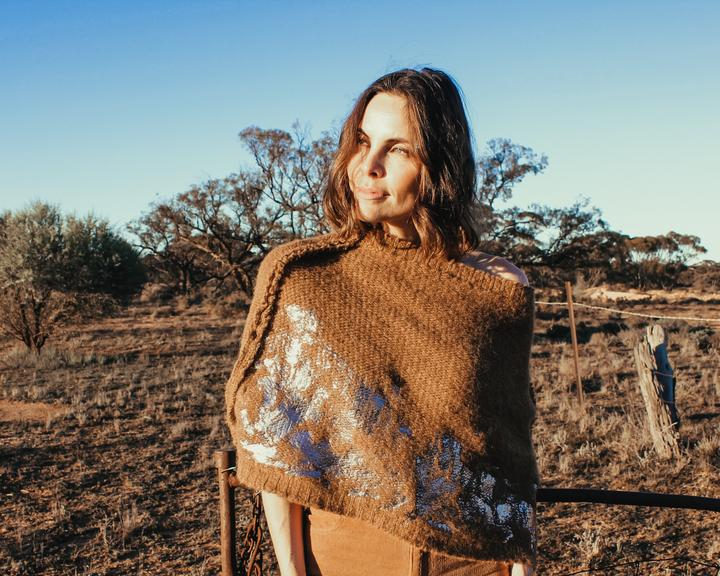
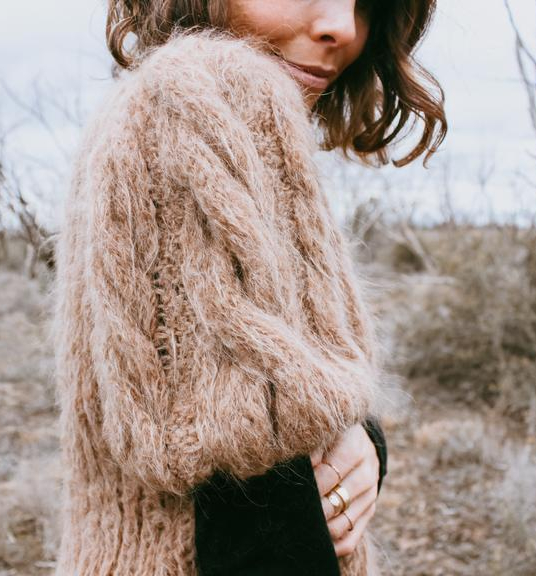
Lorena Laing is a Melbourne ‘fashion artist’ who launched Amano by Lorena Laing as a way to share her handcrafted artisan-style knitwear with the public. The brand is all about ethical and sustainable knitwear, and works with one of the last knitting mills still operating in Australia.
Every product is handcrafted in Australia, and the whole company is dedicated to working with local producers, artisans, craftspeople and artists. The brand also locally sources its materials, manufacturing and packaging locally, stating it feels a “responsibility to preserve and pass on [ageing artisanal skills] to future generations”.
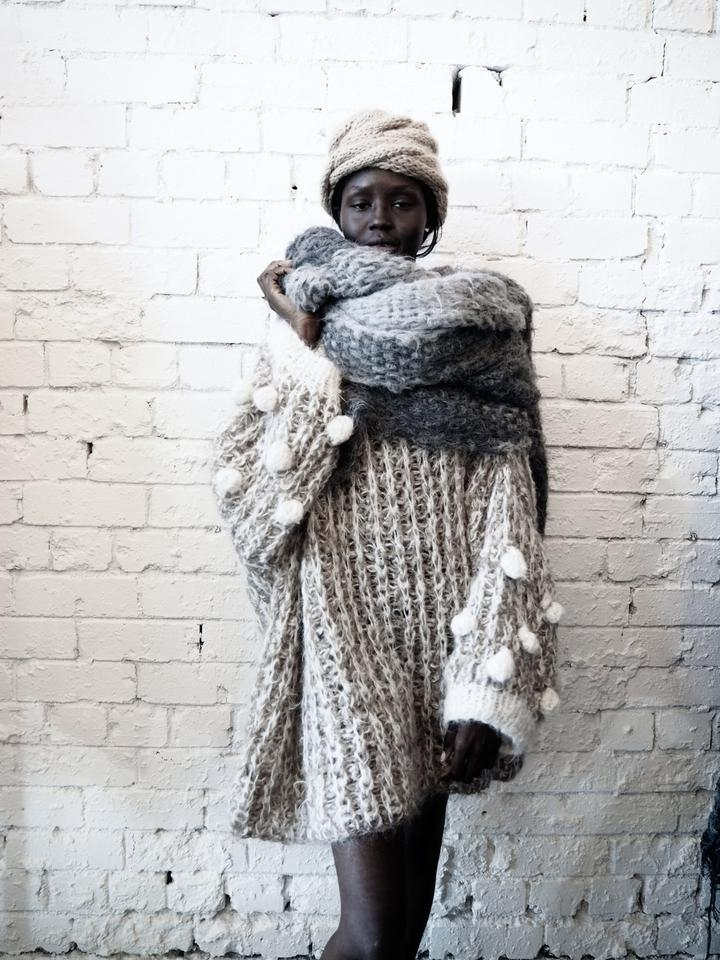
Due to its artisanal nature, Amano creates clothing items that are more like bespoke, one-off artworks. The design concept is based around the individuality of handmade production, and the core concept is that no two pieces are exactly the same. The overall style will be the same, but the colours, details and specifics will be different.
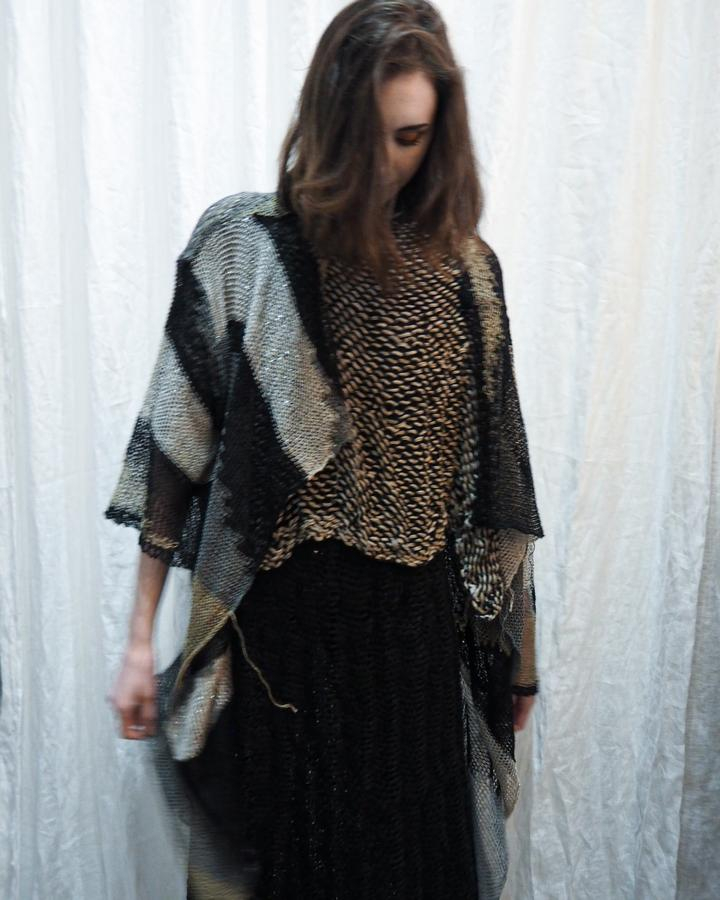
Traditional production techniques like loom weaving, crochet and needle knitting are combined with the small run manufacturing of the traditional knitting mill to create the various garments. Natural materials like alpaca and high quality wool are used to ensure that the pieces last.
“The Alpaca fibre I work with is local and ethically sourced from Peru. The skilled artisans who weave and knit my designs are locals and it is important to me to focus on keeping my collections local and one hundred percent natural,” writes Laing.
Amano is very much about ‘slow fashion’. The brand wants the garments to be used, worn, and handed down, ideally to become family heirlooms.
“Amano takes great pride in hand-crafting its pieces with locally sourced materials, have zero waste and are crafted and packaged locally. We are aware of our carbon footprint, of our struggling manufacturing industry and our aging artisanal skills. We feel a responsibility to preserve these and ensure they exist for future generations.”
To help with controlling waste, for the brand’s ready-to-wear capsule collection Laing uses CAD (Computer-Aided Design) software to map out the garments in minute detail to reduce wastage.
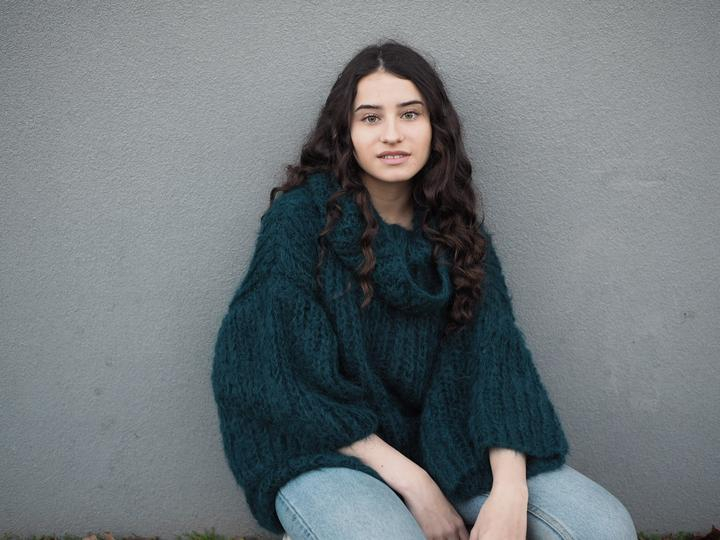
While there is definitely a handmade ‘craftiness’ to the Amano aesthetic, you also see the influence of Japanese knitwear designers like Yuko Shimizu and Reiko Kuwamura in the voluminous shapes, as well as early Rick Owens open-work knits, and even the delicacy of the work by textile artists like Chris Motley and Gjertrud Hals.
The use of muted colours – neutrals, blacks, greys and warm browns – ensures that these garments are not trend focused. The oversized shapes also mean that Amano knitwear suits all body types and sizes.
Amano by Lorena Laing garments are not cheap, they are handmade after all, but they are not as expensive as you would imagine. One of these knits will last you for years, so the cost per wear is definitely worth the investment.
You can shop Amano by Lorena Laing online at lorenalaing.com, and once the coronavirus restrictions are over you can visit the atelier located at 631 Rathdowne Street Carlton North, Victoria, Australia. The designer also holds one-on-one styling sessions where you get a personal introduction to the garments from Laing, and you can also commission bespoke garments.
Designer Jonathan Liang launched his eponymous label in 2014 with the goal of creating clothes for women that were “adaptable, provocative yet combatively feminine”, he wished to juxtapose his “world of dreams” with clothes that women could actually wear in their daily lives.
Although he launched his Paris-based label long before the current disruption to the fashion industry that is 2020, Liang didn’t have it easy. For decades there has been too much fashion circulating the globe. With new brands popping up on social media almost daily, being able to stand out, with a distinct creative voice, and actually making enough money to stay in business is not easy.
Originally from Malaysia, Liang has worked for a number of major fashion brands, including Givenchy and Surface to Air, and presumably this background enabled him to have a better understanding of the vagaries of setting up an independent fashion label.
Still, to have survived for over six years is not bad in an industry as rife with fashion failures as it is with successes.
While you can describe the brand as international, it is its connections to Australia and Asia which has assisted Liang in growing a following outside of the traditional European and American markets. Which is doubly helpful now that the rest of the world is slowly eating itself alive due to the economic and social impact of the Coronavirus, Covid19.
On top of this most unexpected of disasters, the entire fashion world has been slowly awakening to the issues of sustainability, ethical production, waste and customers’ desires to buy less and practice conscious consumerism more broadly.
Sustainability and Covid19
So how does a relatively young, contemporary womenswear label navigate these additional issues while hard up against global competitors? Liang says the impact of Covid19 has changed the way he designs, and even touched some of the concepts of the brand’s aesthetic while keeping its underlying values intact.
“In terms of design, we’ve moved to prioritise comfort above all else. Ever since the pandemic, we believe people are looking for something more comforting not only physically but mentally as well,” explains Liang.
“It hasn’t changed the way we create, it was a lot of asking ourselves, does this feel good on our skin but in [the] context of the new world we [are moving into]? The business of fashion has definitely changed as a whole, and we’re constantly adapting whilst maintaining our core design principles.”
As for the growing movement towards more sustainable and ethical clothing production, Liang says he has always taken this into consideration when designing and producing the brand.
“We are always thinking about sustainability, not just [for] the environment but sustainability in the business as a whole alongside governance too,” says Liang.
“We do what we can to ensure as small an [environmental] impact as possible, like controlling production quantity, types of fabric, and designs that require very low, to almost no wastage.”
Liang also says that the company has always practiced ethical employment but ensuring that its makers and staff had a “strong standard of living from day one”.
A Wild Garden
Liang’s latest collections have all been influenced by nature, with the concept of a “romantically carefree landscape filled with dramatic creatures” visible throughout.
Flowers feature heavily, not as garish patterns and prints, but more as an aesthetic backdrop to the clothes which are soft, voluminous and romantic. Lace details combined with girlish/boyish cuts create a modern Edwardian vibe.
While pretty and rather #cottagecore in concept, Liang’s current collection includes pieces perfect for the workplace; should we ever return. Clever use of more masculine fabrics cut into shirt-dress shapes with asymmetric detailing neatly blends the boy-girl aesthetic.
Liang’s original inspiration for Fall Winter 2020 – “floral installations on the streets of New York and JeanLuc Godard’s 1966 Masculin Féminin” – can clearly be seen in the various pieces from the collection with silk joggers worn under slips and topped with manish blazers.
The brand’s fabrics are a glorious explosion of all things delicate and beautiful – organza, tulle, lace, silk, silk-jersey, and Broderie Anglaise. Peachy pinks, white, soft lilacs and greys are offset with black and white in the current season’s colour palette for Spring Summer 2020. Quality detailing and manufacturing ensure the clothes are beautifully made with a sense of timeless handcraft about them.
The SS20 collection was inspired by the work of artist Jim Hodges who is known for his mix of hard and soft in conceptual works. This inspiration “becomes obvious in the Slinger jacket series, tailored jackets with detachable Broderie Anglaise aprons”, says Liang. More multi-functional mixes can be seen in the Stiker dress, it comes as five separate pieces that can be worn alone, or together for a range of looks and occasions.
Liang also highlights the delicate printed sheer garments that were inspired by Hodges’ 1997 ‘With the Wind’, suggesting they be worn over t-shirts to “perfectly embody the spirit of the everyday Jonathan Liang woman”.
Fashion’s Future
The pretty, wearable clothes of the Jonathan Liang label manifest a nostalgic wish for the time before Covid19, when having picnics – or brunch at a hip cafe – was an everyday occasion.
Where will we be wearing these delicate, feminine pieces in the future? Will we be willing to spend our dwindling cash on them? I’m guessing that yes, women with a sense of romance, softness, and wishful thinking will gladly take Liang’s offerings to heart, if only for the nostalgic comfort they bring.
As for the brand, Liang agrees that the fashion industry has undergone somewhat of an upheaval, but is unsure yet where the future will land.
“… It is very much dependent on each brand’s customer mindset and where they’re at too … thus we’re prioritising slower fashion that stands the test of time.”
Sydney-based luxury womenswear brand Leo & Lin has a very sexy-boho-feminine aesthetic with an emphasis on creating original prints. Founder and creative director, Leo Lin, makes the most of his love for his new home, Australia, by delving into a variety of artistic and cultural concepts.
Lin describes his brand as “Modernistic Nostalgia” explaining that it is a style that “perfectly resonates through time, mixing modern and the past era design elements”. What this means exactly is unclear, but it is interpreted via a combination of tailoring, leisurewear shapes, and bits of floof – ruffles and draping, handkerchief skirts and a touch of Victoriana in the use of lace details.
The Leo & Lin look can kind of be described as something a boho princess would wear. Fabrics range from silk-linen mixes, lace, linens, and spandex, and the pricing is firmly in the contemporary range with dresses costing from around AU$400 up to AU$700 or more depending on the materials used.
What is most interesting about the pieces is the use of original prints. Lin creates a series of new prints for each seasonal collection, based on his source of inspiration. For the Spring Summer 2020 collection entitled Rebellious, Lin was inspired by a nighttime stroll.
“Creative Director Leo Lin looked up and saw wondrous stars blinking ‘I’ve always been mesmerised by the beauty of Australian night sky, it is just pure magic and serenity’. It is this Aussie magic that led him to the world of tarot cards, and the creation of the Spring Summer 20 REBELLIOUS collection,” states the collection description on the brand’s website.
This concept was further translated as creating “a unique world that fills the wearer with this sensational, celestial space”, as well as the addition of another theme, that of the “conflicting concepts of Astronomy and Christianity”.
That’s a lot of ideas going on in one collection. What it translated to in the prints was placing a star chart print on top of an image of cathedral glass to create the central print, called The Baroque. Additional prints like The World features a lion’s head; The Lover is a mix of snakes, a woman, and a cross; Starry Night is a print that mixes all the others up with a celestial map.
The colours range from monochrome black and white, to dark browns, and a pale yellow, and they are all printed on silk, linen and cotton. An additional pattern and texture is added via the use of a checked shiny vinyl fabric – described as adding a sense of juxtaposition.
Does it all work? Yes, for the most part. The Leo & Lin brand could be described as being an acquired taste for some, it is more nostalgic than neutral, more maximalist than minimalist, and very definitely shows some links to the rising Victorian aesthetics showing up on social media thanks to movements like #cottagecore.
Is this a sustainable fashion brand? Hmmm … hard to say. There is not a lot of information available about where the products are made, or by whom. Nor is there any information about sustainable practices in-house or packaging or delivery. It could perhaps be described as being ‘slow fashion’, but again, this is unknown since it is not clear on how many products are produced per collection.
Still, Leo & Lin is an interesting outlier in the Australian fashion market. Less organic and girly, more sexy and womanly; dare I say even glamorous.
In my recent Instagram browsing I have been coming across a lot of interesting fashion brands, some I know of, and others that are new to me.
One of these is Gail Sorronda, a Brisbane-based designer whose eponymous brand has been worn by a bunch of famous people like Winona Ryder and Lorde. Sorronda was also apparently described by no less than Karl Lagerfeld as “one to watch”.
All this information was gleaned from various Australian media reports as unfortunately Sorronda was unavailable for an interview, as she is “just really selective with interviews” according to her husband and business partner Atlas Harwood, who is also famous for playing bass for post-punk brood band, Gazar Strips.
Still, despite the lack of access, and the dearth of information on the brand’s website, I’m still excited enough about Sorronda’s work to spend time writing up this article.
Sorronda launched her label in 2005 at Australian Fashion Week in Sydney, with an aesthetic that is “ethereal, dark, romantic” according to the designer in an interview published earlier this year. Her collections are named for her obsessions – Holy Water, Oh My Goth! and Angel at My Table (her graduate collection) – and obviously swing towards the gothic. Which, of course, is why I was so attracted to the brand in the first place.
After launching in Australia, the designer worked in Paris from 2008, where her work was chosen to be featured by Dolce & Gabbana to feature in its Milan boutique, before returning to Brisbane – the capital of Australia’s sunshine state, Queensland – and establishing an independent boutique and atelier. Sorrondo’s penchant for the theatrical has also seen her work with Queensland Ballet and Expressions Dance Company designing costumes.
While there isn’t an obvious sustainable or ethical focus in her production, Sorrondo does fit neatly into the Slow Fashion Movement.
“I prefer for pieces to be timeless. That is how I value good design. I think major trends can echo what is happening in society at the time just like music and other modes of the arts can. I just have a problem with fashion’s ceaseless cycle of replacement operating on planned obsolescence, artificially inducing trends, in a unsustainable and economically insatiable way,” Sorronda said in a recent interview.
The brand’s garments are manufactured in Australia for the most part, from a range of luxury, internationally sourced fabrics. The designer is also in favour of supporting local artisans, as she stated in that same interview that supporting ‘local’ meant “thoughtfully buying locally designed and made products”.
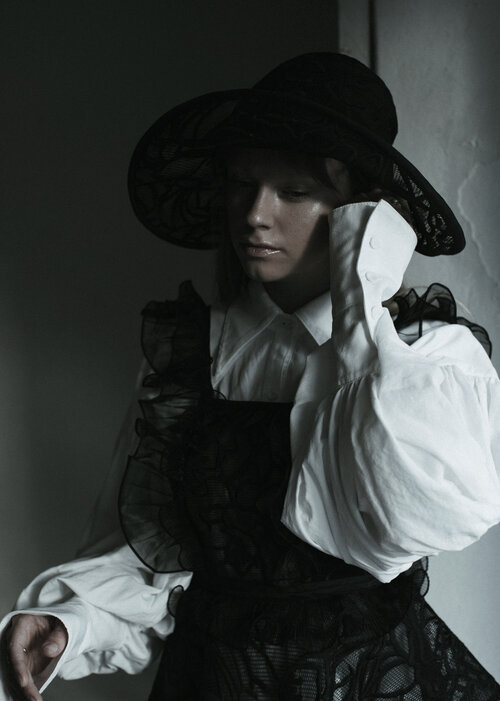
As for the garments themselves, there is a definite hint of Japanese cult Lolita styling in the most recent collection – black and white, bonnets, capes of lace and voluminous sleeves all echo the mid-Victorian era stylings of the genre.
There is, however, a delicacy to Sorronda’s pieces due to the quality of the construction and lightness of the fabrics, particularly when combined with a sense of transparency that is visible in the garments that bare more skin.
Yes, this is another brand that would fit quite neatly into the #cottagecore aesthetic, but I prefer to think of it as a softer, more romantic version of Victorian Goth; plus the garments in white and at shorter lengths make it more appropriate for warmer climates.
I’ve never been shy about my love for Kpop … yes, I’m a YG stan from way back! Which is why I gleefully watched the latest video from the entertainment company’s girl group BlackPink with eyes wide open to spot the latest Korean fashion trends.
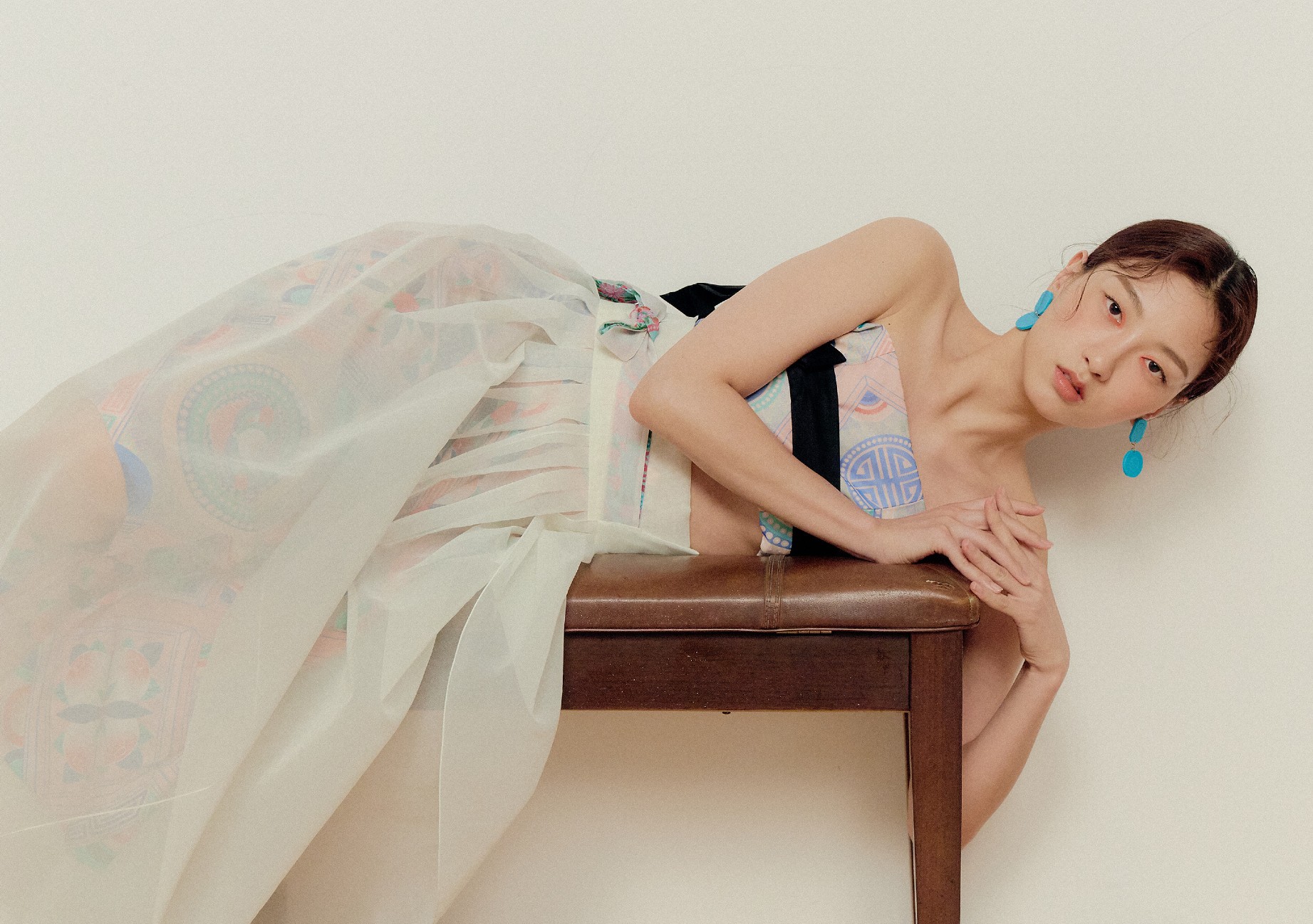
And there, front and center were some fabulous traditional Hanbok-with-a-twist garments. I recognised the fabrics, prints and decorative details from all those Kdramas we all watch, but teamed with boots, short-shorts and minis, this was definitely not something Queen Seondeok would wear!
I was already following a number of other Korean brands that were working with traditional fabrics and clothing shapes on Instagram, but these garments were a cut above with the attention to detailing and how modern they looked. Eventually I tracked down the brand behind the looks and discovered Danha.
Danha is not only a brand that is focused on creating a modern version of traditional Korean clothing, it is also a sustainable and ethical fashion brand – not something that is common in the Korean fashion industry.
The brand describes itself as “sustainable ethical ‘slow fashion’ rather than ‘fast fashion’ that causes global warming, [and] will contribute to improving the world’s environmental problems”.
Named after the designer Danha, the brand has always been about two things – celebrating traditional garment heritage in Korea, and being environmentally responsible. The brand works with organic and recycled fabrics, upcycles fabric offcuts – it creates gorgeous foldable shopping totes – and using the traditional flat-cut method of Korean garment design, actively reduces fabric waste. Danha also produces limited runs of stock and will create made-to-measure garments.
WATCH THE VIDEO:
Designer Danha discusses how her clothes ended up on BlackPink
The garments are mostly created out of organic cotton, and eco-fabrics made from recycled plastic bottles. Silk and an eco-friendly tweed is also used for some items, and the brand continues to experiment with creating new sustainable fabrics. Their organic cotton complies with GOTS (Global Organic Textile Standard), and is grown in a three year process with no chemical fertilizers, plus only natural starch and wax are used during the spinning process.
Like many brands these days, Danha also uses recycled and biodegradable packaging, and is in the process of trialing an upcycled paper shipping box made of recycled materials.
Another part of the brand’s ethos is its ethical production methods, describing its sewists as “free workers who can choose what they want to do”, in a collegiate workshop environment where all the garments are handmade, “working comfortably together, respecting each other”.
From the customers’ perspective Danha is also remarkably inclusive unlike other Korean fashion brands which historically have had issues with sizing, creating only small sizes and with little consideration of non-tiny shoppers. Danha, on the other hand, is quite inclusive. The brand’s ‘free size’ ranges from Korean sizes 44 to 66 (that’s XS to M on the international size chart), wrap skirts go up to a 35in waist. Garments also come in sizes that are equal to an international L, and the brand will also customise garments to order in any size you like.
Those are all the sustainable and ethical requirements on the current hit list, but what about the clothes?
Danha’s aesthetic fits neatly into the growing #cottagecore movement of light layers, ruffles, soft voluminous shapes and an ethereal, fairy vibe. Think drifting around in the moonlight waiting for your prince to arrive while simultaneously discovering a herbal cure for cancer, but in Seoul. These are pretty, pretty clothes with a distinctly Asian traditional take.
Should you wear them if you aren’t Korean, or Asian? Yes! If you love the look it doesn’t matter where you come from, just make sure you don’t do something stupid like add ‘yellow face’ makeup or hair.
Well, it looks like my focus is becoming almost exclusively about sustainable and ethical fashion brands. As I have ranted before, however, the definition of a brand shouldn’t really have to include these tags – all fashion brands should be sustainably and ethically produced just on principle. Sustainability shouldn’t have to be a definition; it should just be an automatic part of any fashion brand’s production.
That’s the dream, right? So, until sustainable and ethical production becomes the norm, I still feel the need to highlight the emerging fashion brands that ARE doing something about it.
One stop for sustainable fashion, accessories & beauty
Here are three relatively new brands I discovered after reaching out to Susannah Jaffer, the founder of Asia-based online fashion store Zerrin.
The Zerrin concept is an interesting one, especially in this age of too much stuff, available too easily. The online store offers a list of brands that are “tried, tested and vetted” before being added to the inventory of clothing, accessories and skincare products for sale.
Apart from the retail component, the site is also focused on spreading awareness about sustainable and ethical fashion and accessory brands.
“We want to make sustainable fashion uncomplicated and be your guide to building a more mindful, meaningful wardrobe,” states a line on the website.
To do this, the site offers more than just shopping, but also handy information like guides to understanding the different aspects of sustainable production, including interviews with industry insiders and breakdowns of various terms to make understanding buying sustainable fashion more accessible.
Zerrin also has a growing directory of smaller and emerging fashion brands – particularly from around Asia – that have sustainable and ethical credentials, describing them as #BetterBrands, that can help you source your fashion buys.
The #BetterBrand mark is based on a comprehensive rating system designed by the Zerrin team that takes into account a brand’s performance based on five key factors – “people, planet, product, packaging and principles”.
Three new brands to look out for …
WHISPERS & ANARCHY
With an aesthetic that fits into the currently hot #cottagecore trend, Whispers & Anarchy has a mixed origin – born in Spain, designed in Singapore, and made in Bali. Based around the Slow Fashion Movement of limited handmade production and natural fabrics, there is also consideration for those of us on a budget with lower prices than comparable products.
The garments are made in Bali, which despite being one of the more expensive places to manufacture in Asia, does have a strong sustainability focus. The brand uses a family workshop that provides living wages, safe conditions and complies with internationally accepted working hours.
Natural fibres like BCI certified cotton and rayon voile made from wood pulp and other agricultural products, are used to make the clothes, and they are handmade and hand-dyed on site with non-toxic dyes. The cuts are such as to create as little wasted fabric as possible, and the trims and labels are locally sourced to reduce the carbon footprint. The brand also has a ‘made to measure’ service, and only uses biodegradable packaging.
If that’s not enough, Whispers & Anarchy also have a tree planted for every one of their compostable mailer orders in collaboration with the non-profit organisation One Tree Planted.
Based in London, Hide was launched by siblings Shereen and Ryan Barrett, with the goal to produce “effortless silhouettes that fit well, last longer and can be worn by every woman, every season for every occasion”.
Another brand that comes with a bit of a #cottagecore vibe, Hide features strong prints and classic, soft feminine cuts. The draped and floaty effect comes from the use of recycled polyester fabric made of post-consumer waste which is woven in the Global Recycle Standard (GRS) Certified fabrics.
Using recycled polyester fabrics not only keeps plastic waste out of landfills, but also reduces water use in production and has a lower carbon footprint. Hide also uses viscose fabrics which are semi-synthetic plant based materials made of wood pulp from regenerative trees. The prints are created using a system that doesn’t create water waste or surplus ink.
Like many sustainable brands, Hide uses recycled paper and bio-compostable materials for its shipping and packaging too.
The brand will be available on Zerrin at the end of August, launching with its new collection made with ECONYL, which is a nylon fabric made from recycled synthetic waste like industrial plastic, waste fabric and ocean fishing nets.
Shop Hide online at hidethelabel.com, or at Zerrin for the new collection.
STEP OF GRACE
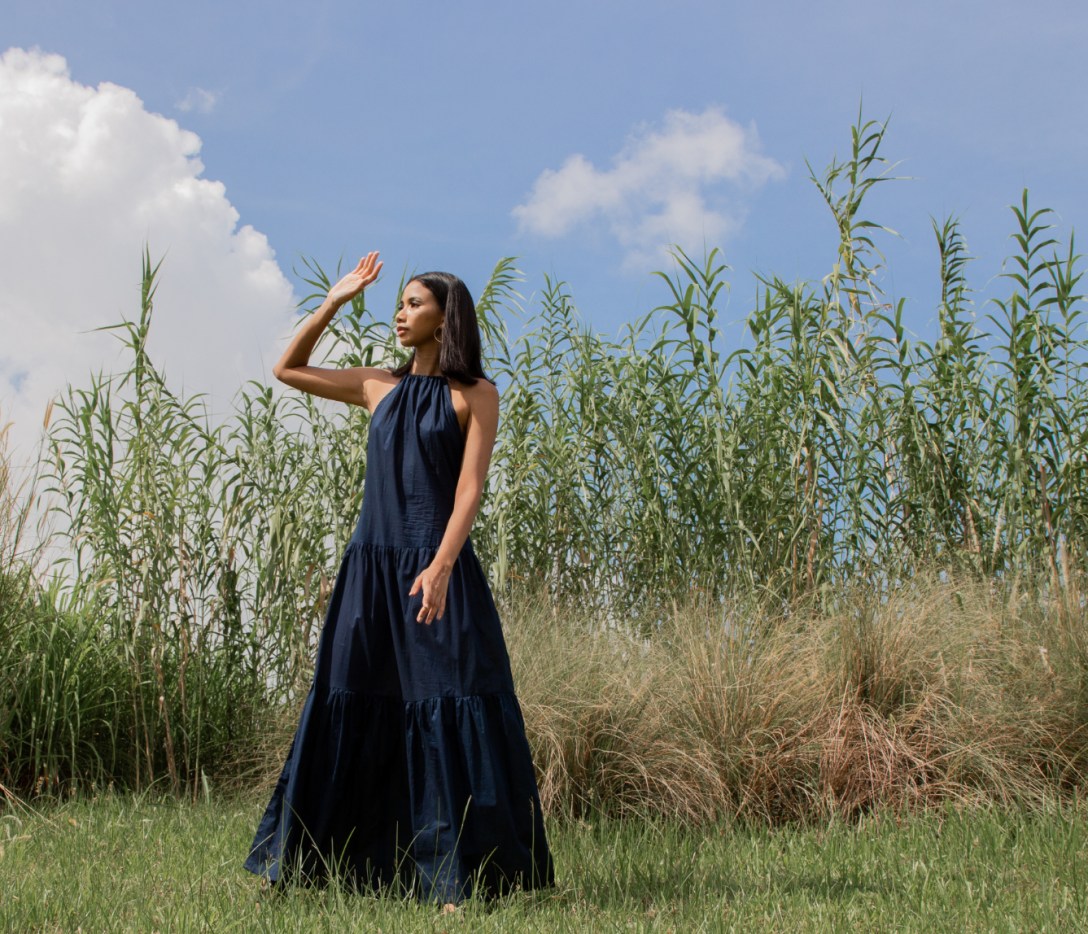
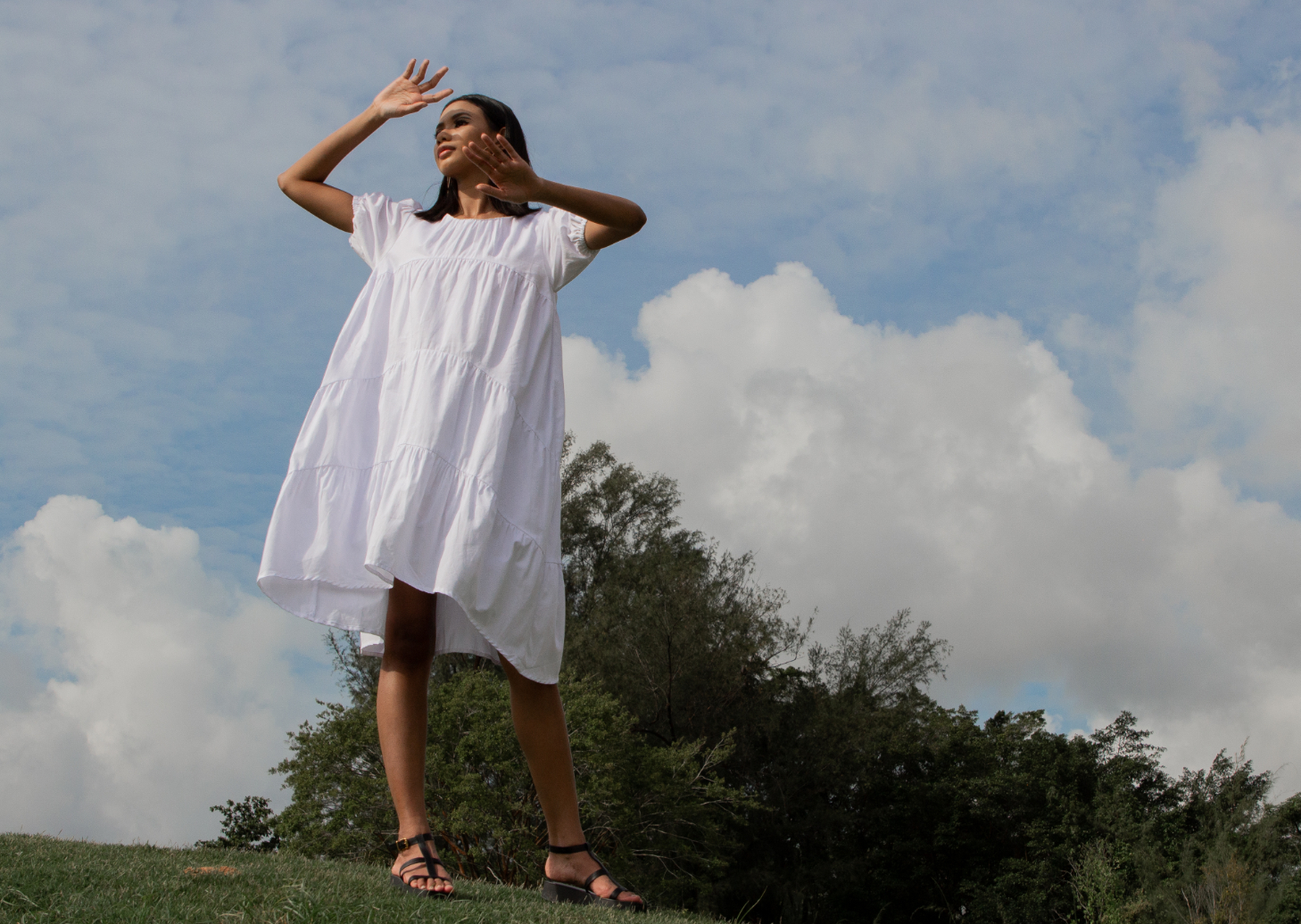
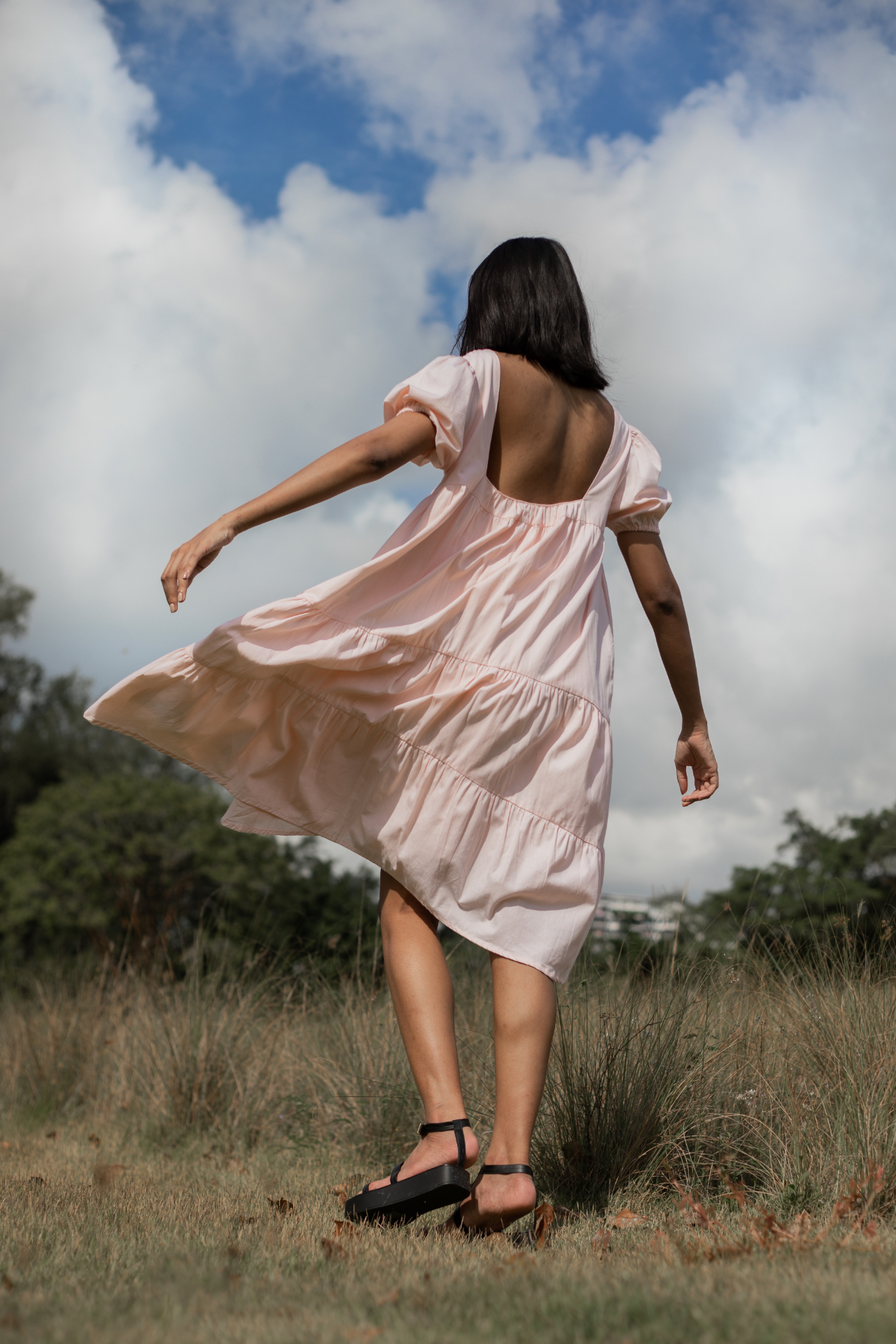
An Indonesian brand based in Jakarta, Step of Grace creates garments from natural fibres, mostly 100% pure linen, GOTS certified cotton and bamboo fibres, as well as from recycled fabrics like rayon and tencel. Many of the garments are undyed and those that are use non-toxic natural dyes.
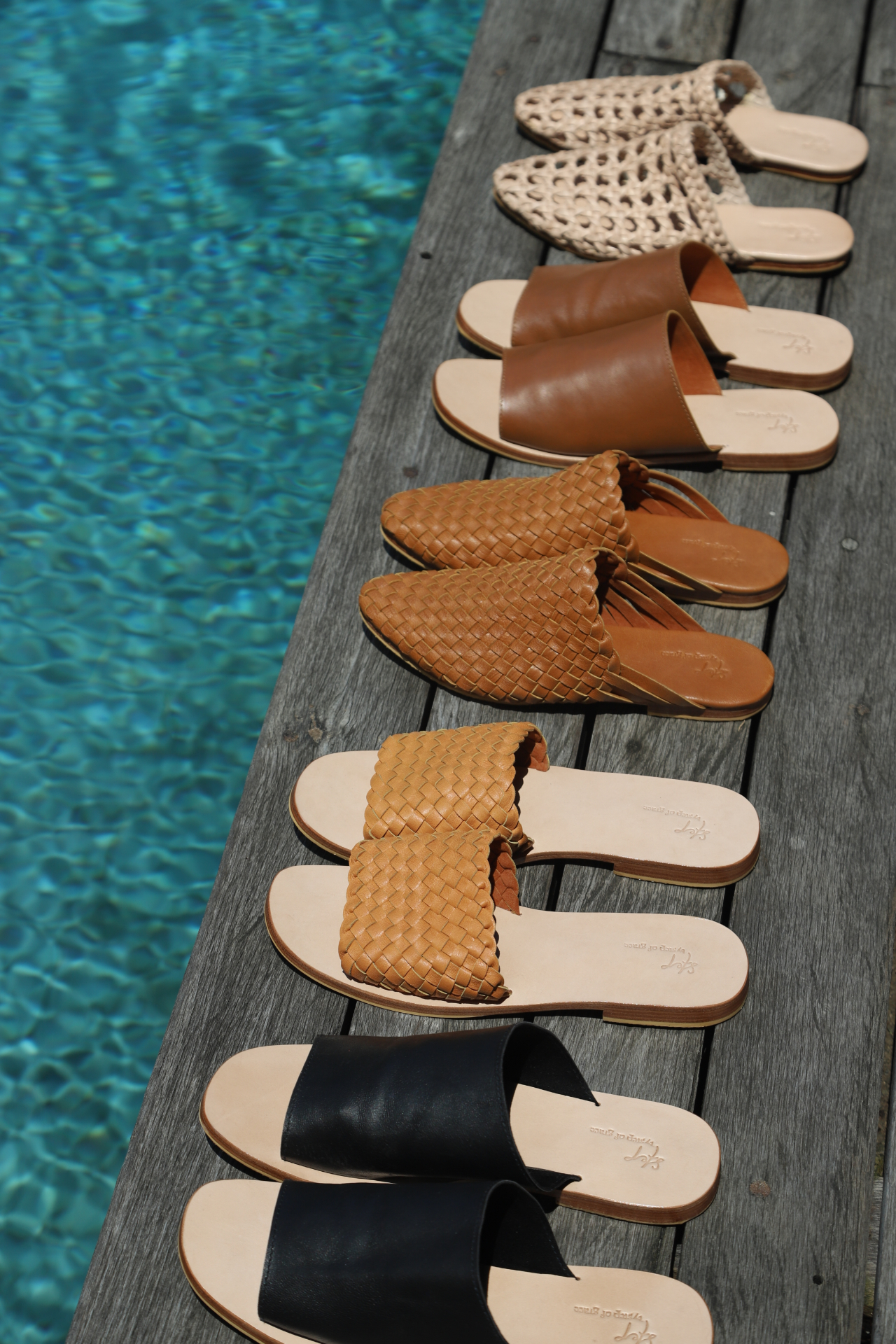
The brand also offers cool slip-on handmade leather slides and slip-on shoes that are made in Jakarta by small scale Javanese artisans using traditional skills passed down the generations in family businesses.
Step of Grace has a very laid-back, boho vibe with loose cuts and light neutral colours. The pieces have a hippy minimalist feel with simple, unadorned shapes like loose tees, baggy shorts, soft wide-leg pants and voluminous wrap tops. This is very much a brand of separates; perfect for throwing on in super hot weather.
Step of Grace will be launching on Zerrin at the end of August 2020, but you can also shop it on their own website. The brand also plants a tree for every product sold.
Emerging Australian brand Joslin was founded by designer Elinor Joslin in only 2018, but since then has become one of the country’s most popular sustainable fashion labels, famous for pretty, linen dresses.
The brand’s aesthetic is based on the designer’s artist parents and features feminine details like smocking, ruffles, pintucks and buttons in Joslin’s signature linen. But what the brand is really known for is its comprehensive dedication to producing sustainable and ethical fashion.
The brand’s site lists in detail anything and everything you want to know about how the clothes are produced. Elinor is aware that the label has only begun its journey towards being a completely sustainable brand, so prefers to describe Joslin as a “conscious” brand, and being “committed to the improvement of sustainable processes with every collection, and to provide further transparency and accreditation as her business grows from an emerging designer brand into an established sustainable designer brand”, as her website states.
Elinor “believes that much of the Fashion Industry as it currently stands, is a cycle of planned obsolescence and synthetic landfill. Fashion itself is a business model of creating and selling new products that are made from the earth’s resources, only to be worn once or a few times before becoming obsolete.”
Joslin then is part of the Slow Fashion movement. “Being conscious, being considered, making responsible choices, encouraging positive change, pushing for transparency and always evolving in ways to lighten one’s ecological footprint is both a brand and consumer’s best foot forward to a sustainable fashion industry,” says Elinor.
This translates into using textiles and yarns that are “planet friendly and traceable to the source wherever possible”. These fabrics are ramie, silk, wool, cashmere, cotton, and of course, linen. Getting hold of these fabrics, however, isn’t as easy as you may think.
“Fabric minimums are a major challenge for small-business designers. Due to the fashion industry’s lower demand for sustainable fabrics, pricing and minimum order quantities are in so many cases unattainable,” explains Elinor. “Joslin faces many barriers in price, quality and scalability for many bio-based, certified and innovative alternative textiles. Instead, for now, the business focuses on natural fibres and naturally occurring sustainable fibres.”
About 70% of Joslin’s pieces are made of linen, the brand gets its linen-flax from the Normandy region of France; then the combed flax is imported to Jiangsu, China, where it is spun. According to Joslin, “linen uses approximately 90% less embodied energy in its manufacture than polyester -‘fast fashion’s’ most common fabric – and is long lasting and durable in the wardrobe.”
Elinor believes “the world urgently needs to lower the usage of fossil fuelled textiles and move towards textile-to-textile recycling if fossil fuelled textiles are to be of continued use.” Despite this, the brand does use some synthetics and plastics, but only when there is “no natural alternative, or when it benefits the natural composition”.
Still, this is not for lack of desire. “In garment production, it is not always possible to avoid synthetics and plastics – buttons, zips and fusing’s are the benchmark of standard manufacturing and garment construction. There is currently no natural alternative that is commercially viable for fusing,” says the brand’s website.
However, the Joslin knitwear collection makes use of pre-consumer recycled nylon, because it helps the knits to be stronger, so that it will last even longer. The brand also uses manufacturers and dyers that meet the OEKO-TEX® 100 STANDARD which is 100% free from over 100 harmful chemicals that are recognised as being harmful for humans.
The brand’s packaging is eco-friendly with 100% compostable bags, 100% recycled tissue paper, card and paper, plus all of the international e-commerce orders are carbon offset through the DHL GoGreen Climate Neutral shipping service. Even the garments exported from China come in 100% compostable plant-based satchels.
You can read all about the full complement of actions that the brand takes to ensure that it is as ethical and sustainable as it can be on the website.
The Slow part of the brand’s production is the reduction of overproduction and ensuring the garments are seasonless, with a sense of longevity – no piece is ever designed to only be worn once according to Elinor. This is why she focuses on traditional detailing combined with ways to wear the garments in more than one way, and sticks to a minimal palette of neutral shades.
There is a touch of the #cottagecore movement to Joslin’s style with the use of natural fabrics, ruffles and loose-fit cuts, but it is elevated by the traditional detailing and the sexiness of deep-v necklines and transparent inserts.
With most of the world still struggling through the Coronavirus, the fashion industry is in the odd position of being seen as either a pointless waste of resources and time, or a psychological escape from the doom and gloom.
But what does that mean for the young creatives graduating during this weird time, like the recent grads from Lasalle College of the Arts’ BA (Hons) Fashion Design and Textiles course?
For one, it meant no graduate fashion show with friends, family, media and industry insiders to show off to, rather the school for the first time created a virtual runway on July 16.
“The world we live in today is more unpredictable than ever. This pandemic alone has ground the world to a halt and increased our online consumption to curb social isolation. Although the fashion industry has long functioned based on the expectation that a runway has to be present, we are already seeing fashion houses worldwide begin to explore different ways to present their new collections. To some extent, the change has also arisen out of ongoing conversations about sustainability and the future direction of fashion. We believe it is more important than ever that our students graduate with a consciousness of these issues and the role of fashion in this changing world,” said Circe Henestrosa, Head, School of Fashion at Lasalle.
Henestrosa refers, of course, to the recent attempts by international fashion weeks to claw back some of the media focus with less than successful digital events. Of the various attempts from London Mens, to Couture, few of the brands managed to create an online experience that topped their regular live shows. Only Helsinki Fashion Week – which has been online only since 2016 – has managed to create something that is at least as interesting in a creative way, as the physical shows.
Prada, Gucci, Dior Women (oh dear, Dior. A whole other problem there), basically just made fashion films. Dior Men created a fabulous fashion film, but still these were all just background and additional to what was usually the centrepiece, the clothes.
So, if even major established fashion brands with their endless budgets found it hard to stand out on the digital platform, how were 17 mini collections from a bunch of graduates based in Singapore going to do?
The ‘show’ …
To be honest, the virtual fashion show was, again, basically a fashion film. There was a lot of post-production and atmospheric shots of Pasir Panjang Power Station and the college campus – already a well-known location for sci-fi inspiration – but it was difficult to really see the clothes.
Watching via Zoom, you could not tell how well the garments were made, what the materials used were, or see the details that create the points of difference that make a new designer stand out.
Another thing that seemed a little behind the times was the concept of using Sustainability as an overarching ‘theme’ for organising the various designers. The collections were separated into five themes – Sustainability, Future Forward, Heritage, Textures, Body & Identity. Not unique concepts, but definitely topical ones, ideas and themes that are obviously affecting young creatives.
My issue with Sustainability as a separate theme, is that in the time of climate disaster, it should no longer need to be defined as a point of difference from ‘other types of fashion’. Sustainability should not have to be a ‘theme’. Sustainability is a fact; and any designer who produces today should be doing so in a sustainable and ethical manner automatically. The idea of using ‘sustainable’ or ‘ethical’ as a brand marketing tool is over. All brands need to be both, and therefore need to find another point of difference.
OK, rant over. Still, the Lasalle teachers and directors do take the issue seriously, while also allowing students to make their own decisions as to whether or not they incorporate it into their collections.
“One of the pillars of Lasalle’s School of Fashion and its BA(Hons) Fashion Design and Textiles programme is the continuous development of the notion of ‘future crafts’. Through this, we understand a seamless symbiosis between artisanal techniques and modern technologies,” explains Dinu Bodiciu, the lecturer in charge of the BA (Hons) in Fashion Design and Textiles at LASALLE College of the Arts’ School of Fashion.
“With the increase in awareness of sustainability, there is greater attention paid by our students to the materials employed in their collections. The graduation project allows them the time to play, experiment, investigate and innovate new textile processes in the search of creative fashion solutions.
“For instance, even though the plastic used by Felicia Agatha in the collection Repelebb was not recycled, she still chose to work with it because she needed a vessel to hold liquid substances like water and cooling agents. Her collection hydropuff proposes possible new materials and fashionable alternatives in a future when humanity has to face the consequences of global warming.
“Another example is Kwok Minh Yen’s collection 1.5oC. It expanded the notion of zero waste design by engaging in textile manipulation of leftover materials, turning these scraps of fabric into decorative elements in the collection. Minh Yen further worked with UV reactive threads and pigments, combining them with synthetic materials like mixed polyester/nylon organza.
“This juxtaposition of materials, preferred by fast fashion companies against the slower process of zero waste design, aims to criticise the industry’s unsustainable ways and how this contributes to global warming,” says Bodiciu.
Good, bad or blah …
To be expected, a number of the graduates were inspired by our dystopian times with collection themes that covered humanoid spaceships with different personalities, and one concept that was literally entitled Dystopia. Other current topics were covered as well; sizeism, sustainability, global warming, climate change, LGBTQIX, #metoo, etc. All to be expected in our modern world of global pop culture and TikTok. Some of the most successful concepts were those that didn’t focus on the global theme to the detriment of the actual design and craftsmanship of the garments. Of the most interesting were the designers that reimagined their concept into garments that functioned as both an artistic statement and an intellectual concept.
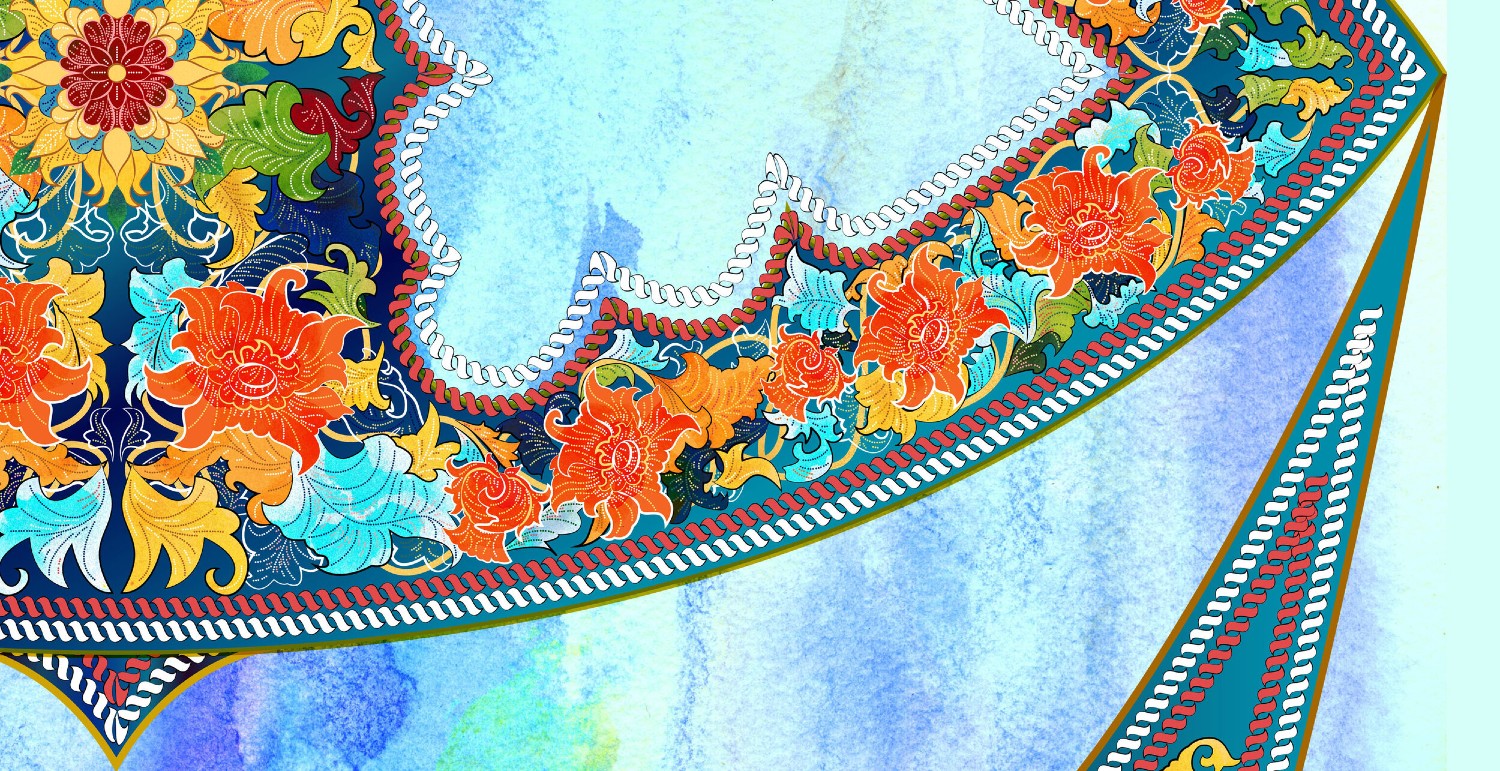
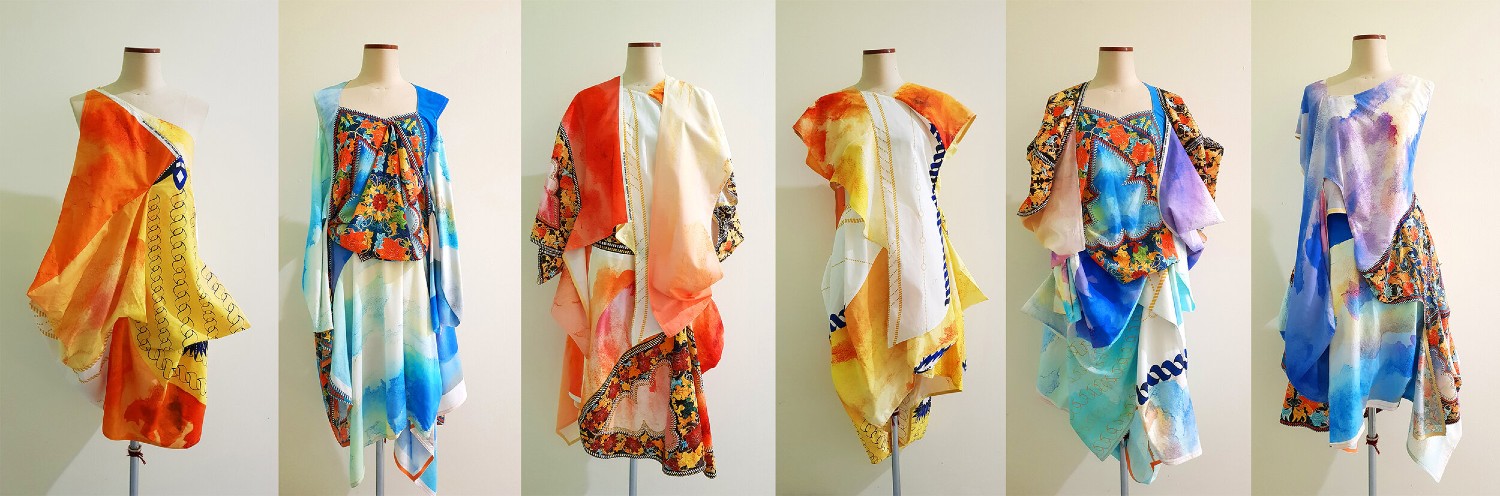
Cheah’s collection sat under the overall theme of Sustainability, using zero-waste pattern cutting techniques, but it was her modern take on traditional Malaysian prints inspired by the decorations of traditional kites that stood out. The draped, floaty shapes in the strong traditional colours ways of orange and black were softened with additions of hand dyed blues and yellows. While the cuts were somewhat reminiscent of early Japanese designers, the addition of ‘string’ interlacing referencing kite strings offered slivers of skin, creating a sense of fluid femininity. It will be interesting to see where Cheah goes from here. These pieces would definitely find a commercial market.
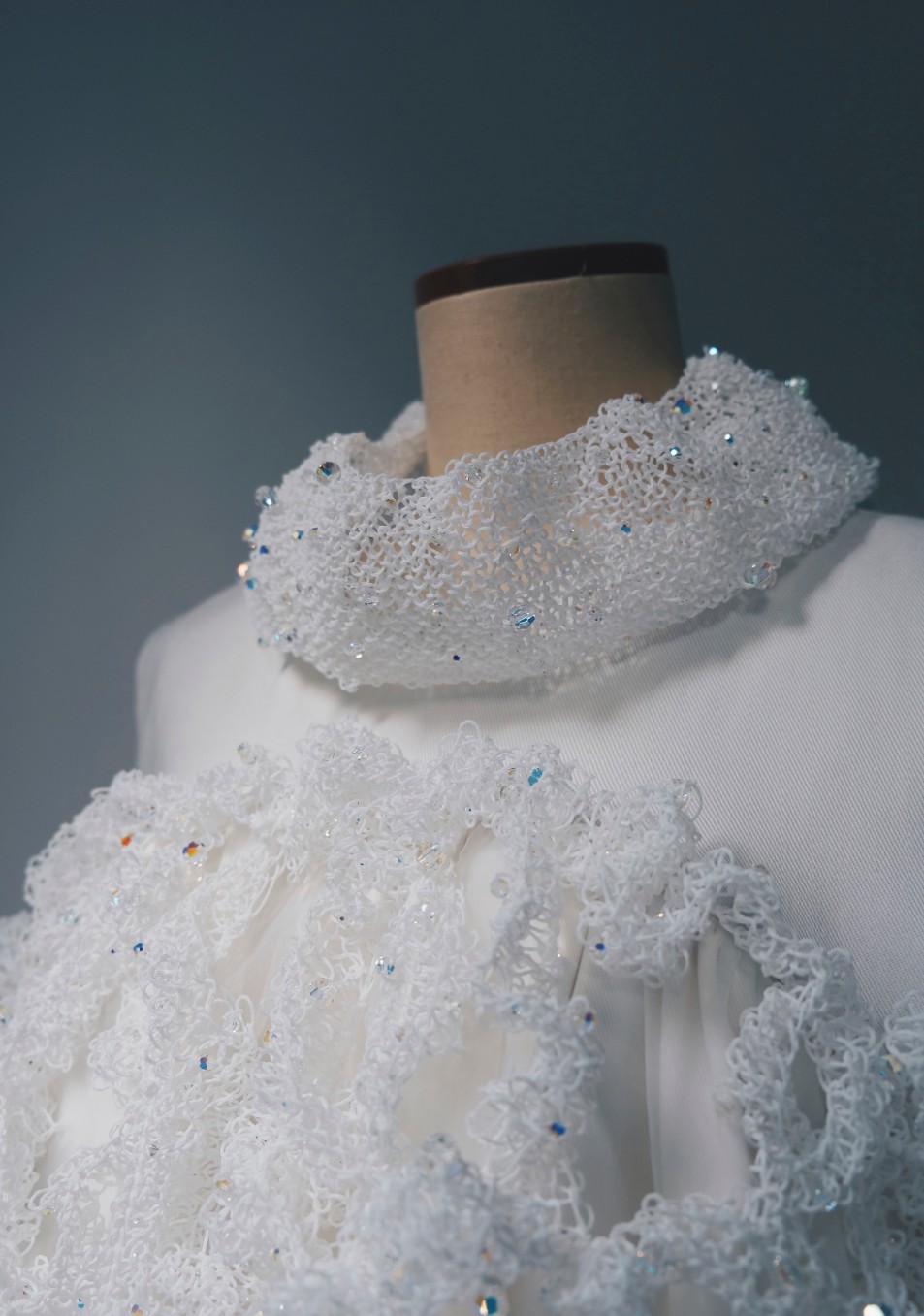
A mix of Iris van Herpen and Simone Rocha, Kwok’s work was also in the Sustainability theme, and was based on “draw[ing] attention to the increasing rate with which global warming is causing coral bleaching”. The garments were basically white, oversized dresses with ruffles and collars decorated with recycled textiles created to look like bits of coral. A series of adornments on one dress – donut shaped 3D rings studded with Swarovski crystals and UV reactive threads and pigments light up. Unfortunately this function wasn’t able to be clearly seen during the virtual show, but can be spotted in the photographs. Without the additional decoration, these pieces are cute, wearable clothes that don’t look much different from a lot of #cottagecore dresses seen all over TikTok and Instagram but come with a new take on the sustainability concept.
A pretty collection of pastel and embroidered separates, Schriber’s collection also sat under the Sustainability theme based on its entirely vegan material use. What these vegan materials are is unclear. No leather, so does that mean ‘vegan’ leather ie. plastic? Are the fabrics natural fibres? Or manmade and therefore less environmentally friendly? These are the issues that keep cropping up when it comes to defining what sustainable fashion really is. Still, the overall collection, while looking rather similar to Korean brand Ti:Baeg’s early work, is very wearable despite the fact that some of the concept was a bit too literal with large embroidered birds and prints being featured.
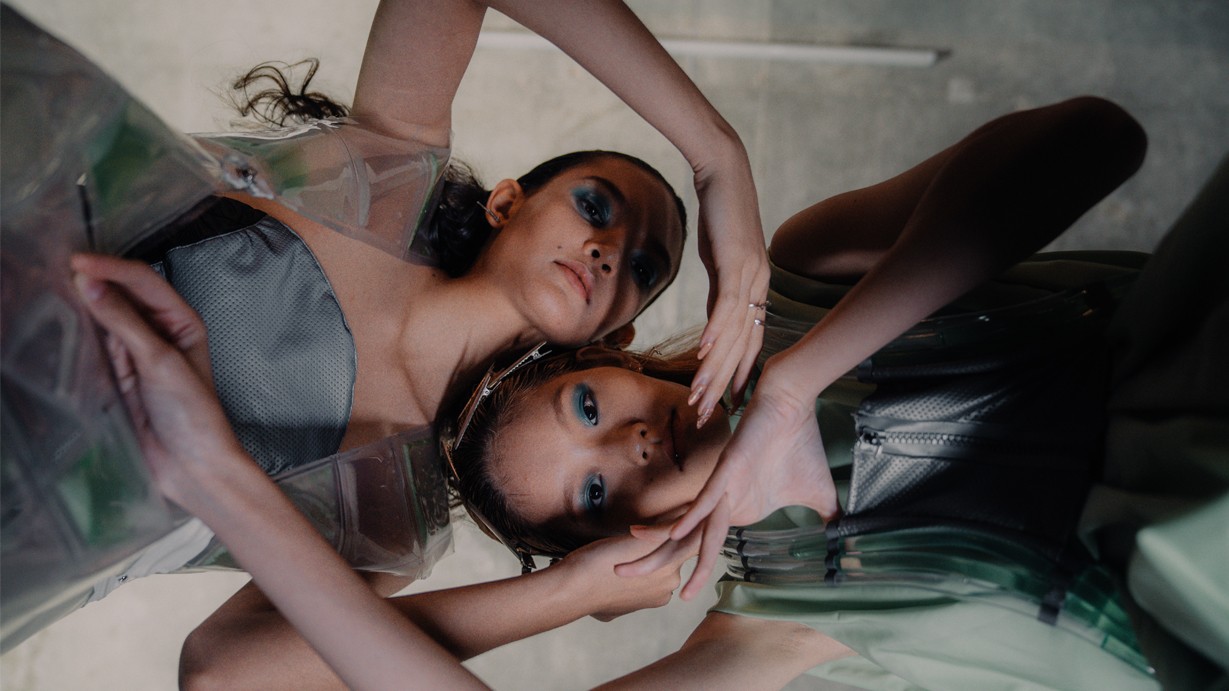
Part of the Future Forward theme, Agatha’s collection is described as “delving into science in order to devise climate-sensitive solutions for our future”. What that translated into was a lot of plastic. Presumably the plastic stood in for as yet unavailable technical materials that will adapt to issues of climate change like floods and such. The “activewear-influenced” pieces appear to be less about being active and more about creating shapes to be worn under the clear technical materials. The shapes and cuts had a vaguely 80s feel, added to by the combination of black, clear plastic, zips and pastel lavender shades of shiny fabric. The designer’s work with hydrogels is quite fascinating and it will be interesting to see how her research translates into future garments.
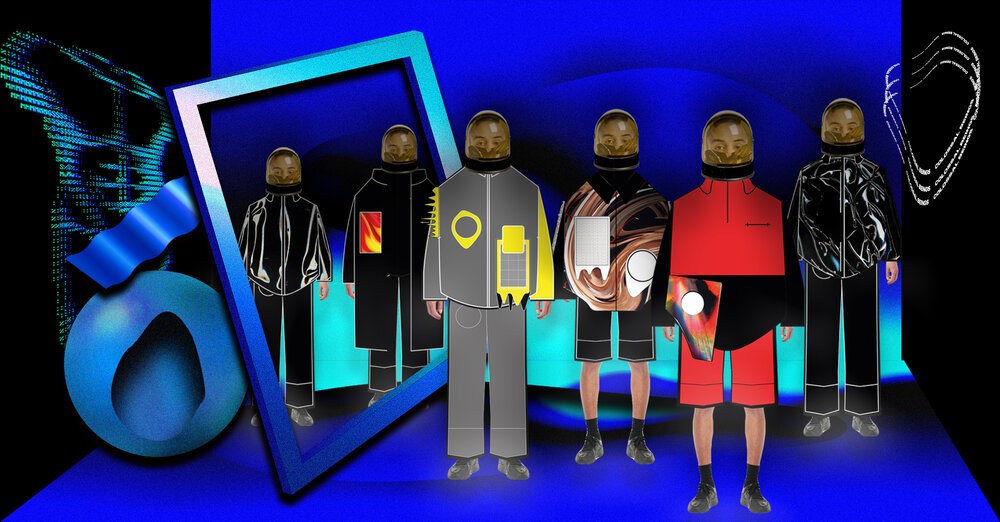
One of the collections that riffed on the issue of sizeism, Ng’s work looks like a mix of streetwear and 80s ideas of ‘future clothes’. The concept is described as being “built on the foundation of science fiction, imagining a world where plus-size is no longer a separate category”, but the interpretation falls a little short. Instead of creating new silhouettes for larger sizes, the cuts echo already existing oversized streetwear staples like shorts, hoodies, and collared shirts. The addition of ‘spaceman’ bits and pieces like zips and plastic pockets, plus the very literal use of flames to represent the sun combined with technical shiny materials gives the work a cartoonish vibe.
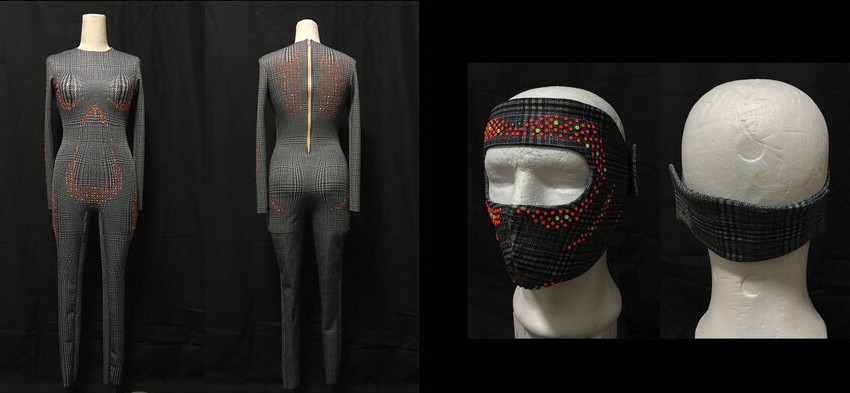
Phang is obviously a lover of anime. The entirely weird concept of the collection looks exactly like a real life version of Kantai Collection known as KanColle (艦これ, KanKore). The story line has cute girls who somehow turn into ocean-going battleships to fight off their enemies. While the underlying concept is completely daft, Phang’s work is some of the most interesting of the graduates. The designer hopes that future research and technological development will be able to turn his “fantasies into functionality”. The collection features a mix of form-fitting bodysuits as the basis for a series of layered pieces that add various functions to an outfit, like a coat, shirt and even a currently needed accessory, the face mask. It is also interesting that although his collection is placed firmly in the future, the fabrics used are more traditional like a Prince of Wales check in menswear fabric, showing that this guy really knows how to cut and fit a garment. It will be interesting to see how his work translates commercially.
Another of the collections focused on the issue of sizeism, particularly that of South Korea where the extreme social conditioning of Kpop has reduced women to equally extreme diets and plastic surgery. Lee’s work is a rather literal interpretation of her traditional heritage, the hanbok, with a slight nod towards modernity in the addition of capri pants. While pretty, these pieces are more akin to the trend of hanfu, where young people dress in slightly modern versions of historial outfits, with a nod to nostalgia and an Asian version of #cottagecore. While it is refreshing for the designer to create for larger women, again this just translates into bigger sizes of the same clothes that are already being made and worn. Still, the pieces are pretty.
Also part of the Heritage theme, Basri’s collection looks at subverting the “misogynistic symbols tied to the Malay folklore figure, promoting body acceptance in the process”; also incorporating the current #metoo trend to a certain extent. Basri uses the traditional ghost story of the Pontianak – a misogynist tale of a female vampire who is transgressive in Malay society due to her inability to have a child – to talk about definitions of womanhood and femininity. The concept has been translated into a series of garments that evoke simple working clothes combined with the colours of mourning – black, white and grey. Although there are a couple of embellishments of red ‘blood’ tracing the fabrics which are a little too literal, overall the collection is wearable and interesting with a nod to the simplicity of Japanese design.
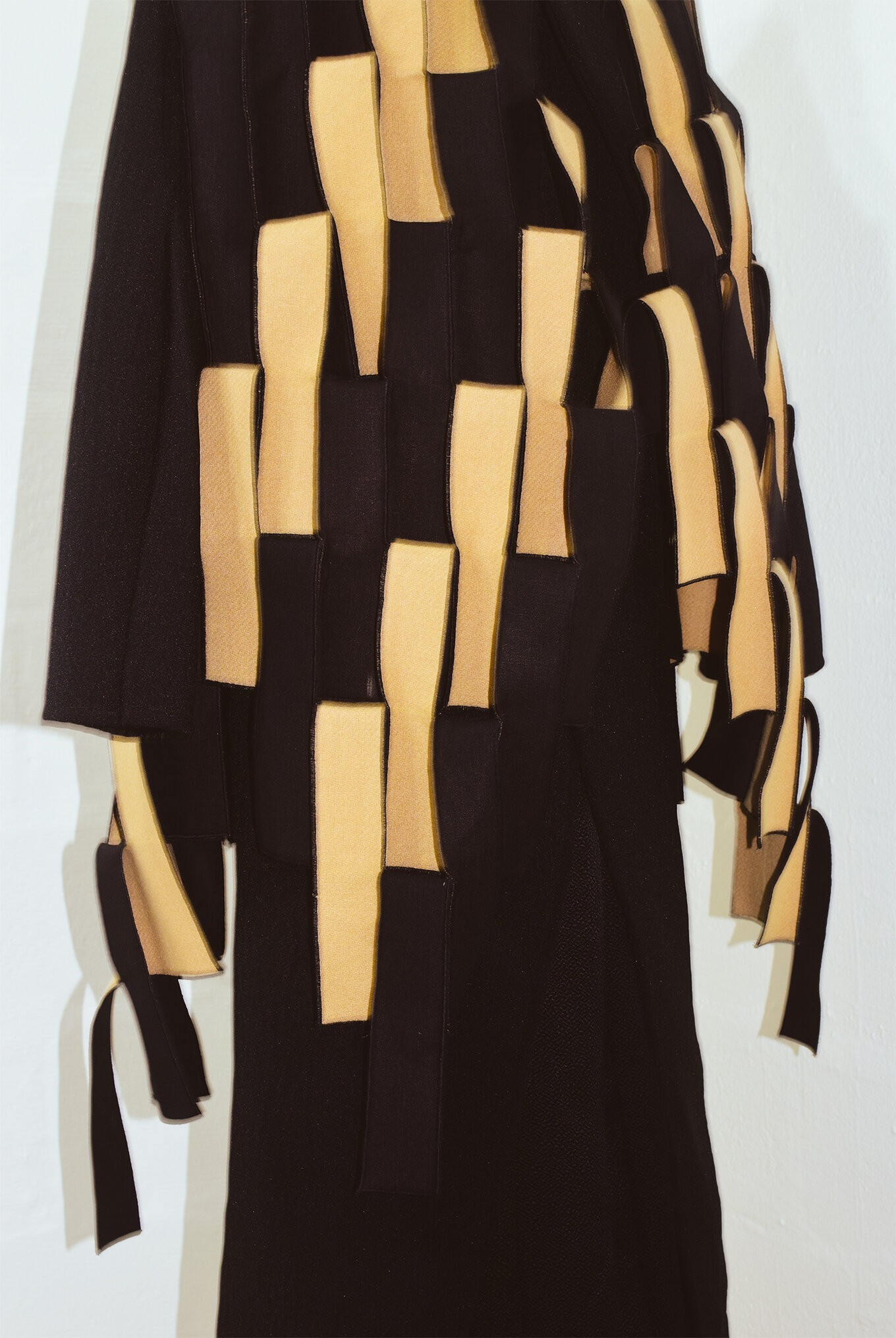
Based on the Japanese concept of “Ma” (間), the idea of allowing a sense of space in between other things, this collection is somewhat hard to define. There is definitely a very Japanese style overall, with some very obvious takes from the work of designer Yohji Yamamoto in the use of gaps or cuts in patterns for classical coats and jackets. There are also pieces obviously inspired by the work of Rei Kawakubo of Comme des Garçons with the use of padding and strips of menswear fabric.
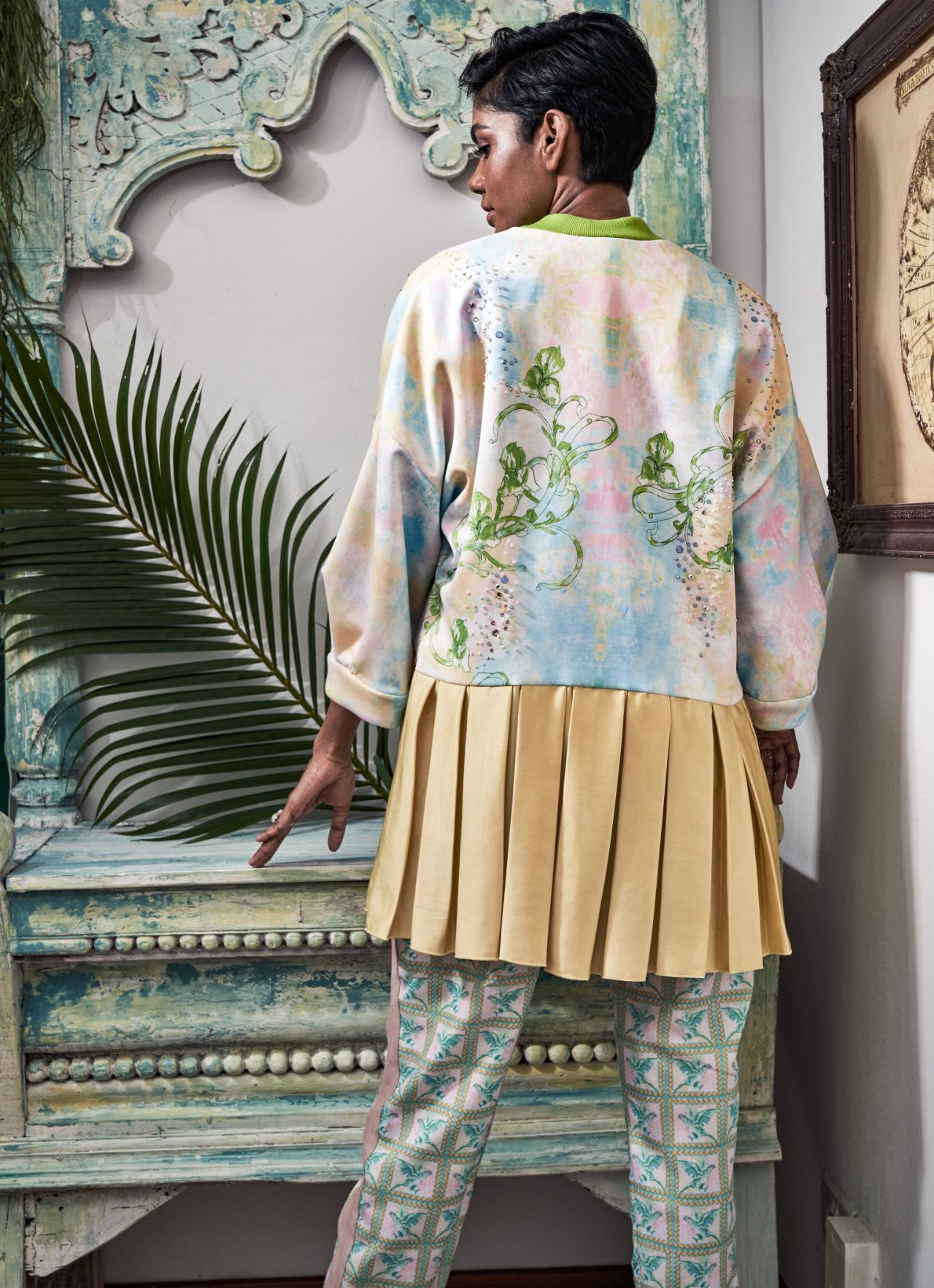
Sitting under the Textures theme, Tibrewala’s collection is based on “fluid and distorted lines in order to express chaotic emotions” which really just translates into adding squiggly lines to her fabrics via print and hand-done spray paint. The shapes are based on early 80s, including a definite nod to Issy Miyake’s Pleats Please collections – one round-shouldered top in particular. Overall the collection has a pleasant run through of shape and colour, although a collared, open back jacket strikes a bit of a wrong note, as it seems too different to the rest of the pieces. There is also something a bit off with the proportions particularly in the short length of the pants. However, there is a softness and wearability to these garments; they are very ‘art gallery worker’, much like Issy Miyake.
Supposed to be all about the sense of touch, with the aim of making the viewer – not the wearer? – want to touch the garments, this collection appears, in fact, to be the opposite. Created from some sort of stiff, hard, sharp-looking faux leather (maybe?), the garments jut out from the wearer more like spines saying ‘stay away!’. There is little attention given to the wearer either, with the stiff fabric removing any human softness from some of the more encompassing pieces, while adding excess volume to the body in others. The juxtaposition with sheer fabric and the use of bright colours certainly imparts a kind of child-like playfulness, and while some of the cuts are simple, the more textured pieces have an interesting use of volume. Are these pieces actually soft to the touch? Or do they feel as stiff as they look? Interesting.
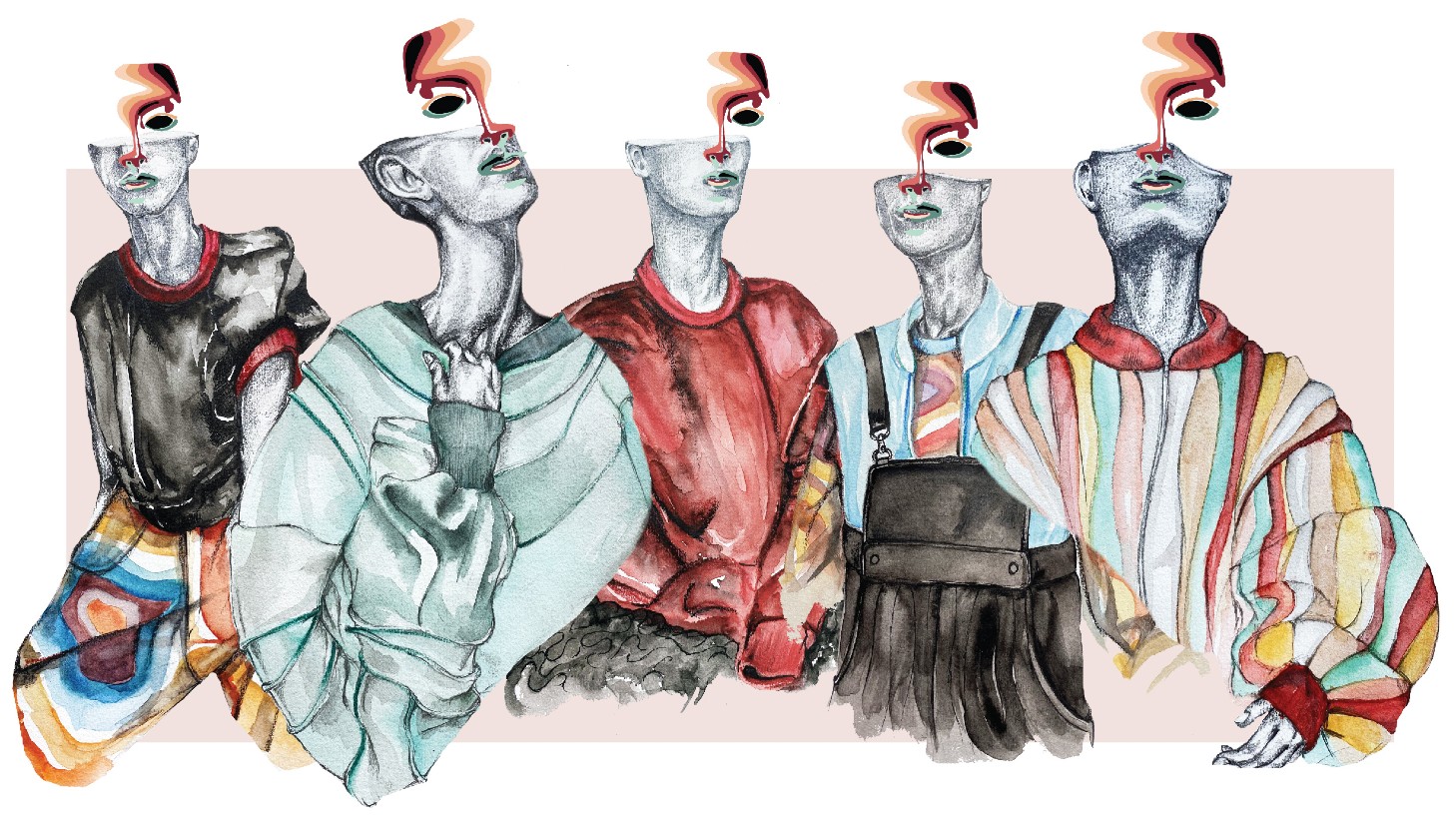
Based on her imagined idea of what people on magic mushrooms see, Halim has created garments that are basically traditional in shape and cut, but have various parts – the sleeves mostly – ‘blown out’ with the addition of sheer voluminous additions. The concept reads well in the original sketches, however the finished garments seem unbalanced and overly complicated. The addition of various colours, crystals, fabrics, more embellishments, and even more textures gives an impression less of the distorted vision of a bad trip, and more a toddler’s idea of dress up. The designer’s central premise of “a reality where vision is blurred by hallucinogenic drugs”, has been lost in translation.
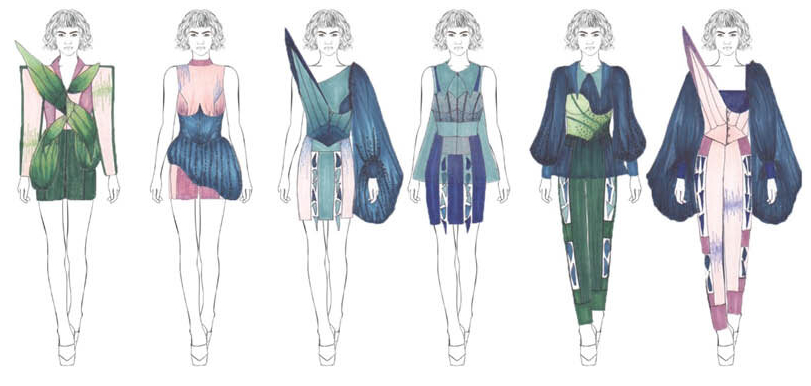
Based on the myth of the Chimera – part lion, goat and dragon – the designer chose instead to combine a butterfly with a jellyfish, with unfortunately little success. The interpretation is all too literal with actual, human-sized butterfly wings adorning half a garment, while the other half features a long, full ‘jellyfish’ sleeve. A lopsided puffball skirt recalls not only the very worst of the 80s but also a dying blue bottle jellyfish on the beach. The concept was interesting – the idea of combining various and opposite creatures; air and water – creates fertile ground for juxtaposition and contrast. It is just unfortunate that in this iteration the clunky construction overcame the concept.
Part of the Body & Identity theme, Balachander’s collection is a cleverly wrought interpretation of the concept that “underneath our skin, our human anatomy is all one in the same”, a powerful nod to the current global reassessment of racism. The designer translates her links to her grandmother, with her age and experiences etched onto her body into a series of oversized menswear garments that expand the silhouette far outside the original body, stretching out with padding and extreme length. Yet somehow, these pieces still look like someone, somewhere could happily wear them. Actually, with many parts of the world still in lockdown, these voluminous pants and sweatshirts are the perfect hide-from-the-world-in-comfort pieces. Using a quilting technique, Balachander implies ideas of wrinkles on skin, or the lines of a topographical map, which is also echoed in the original print in the collection. All in all, this collection is an accomplished piece of conceptual design, that still feels not only like fashion, but like something you could actually wear, and want to buy.
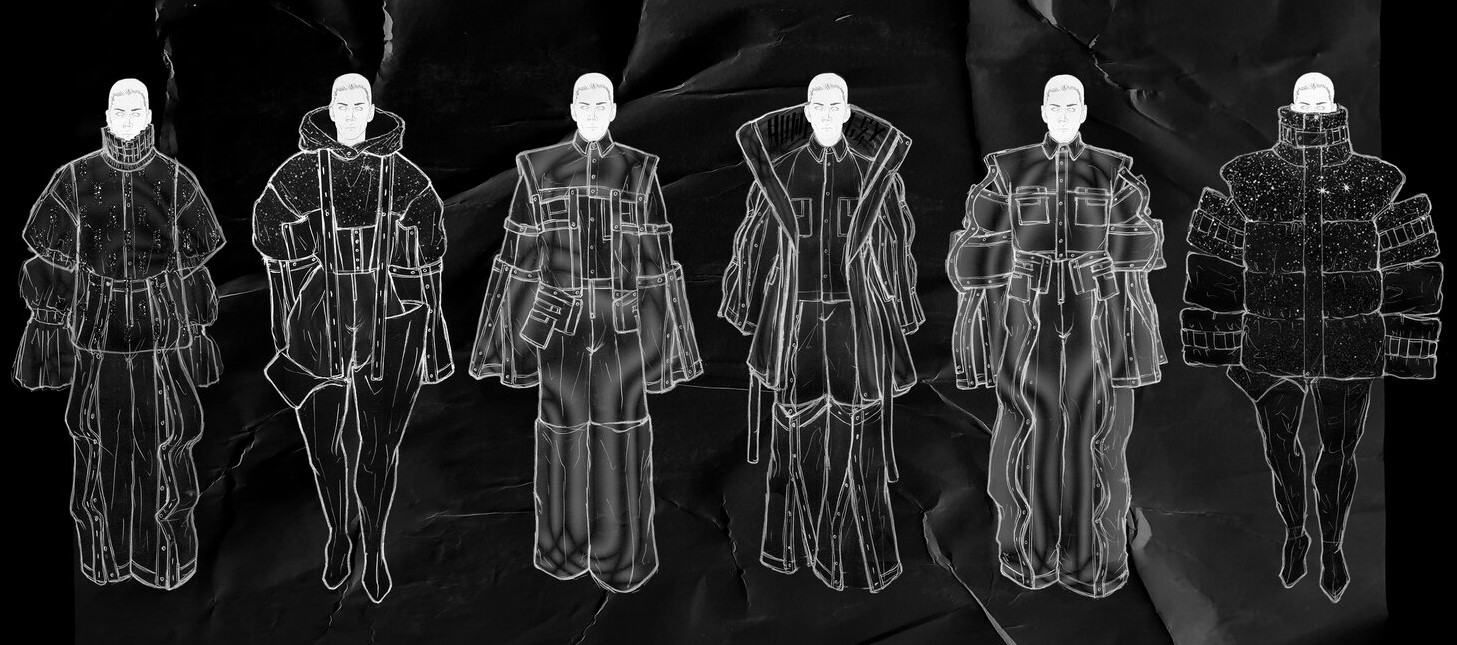
A mix of the Mona Lisa and an Instagram influencer sounds like an interesting starting point for a collection. However the garments created by Latib appear less a “satirical conversation” between the Renaissance and contemporary culture, than an excess of shiny, oversized, blinged up streetwear pieces. The Renaissance references are lost in a sea of snap-on trouser legs, puffers, sleeves and hoodies, with a lone neck ruff to voice centuries of innovation and philosophical thought. The influence of Moncler X Craig Green is also very obvious. What is really a shame is that the designer’s earlier work as seen on his Instagram account is way more interesting, better constructed and unique.
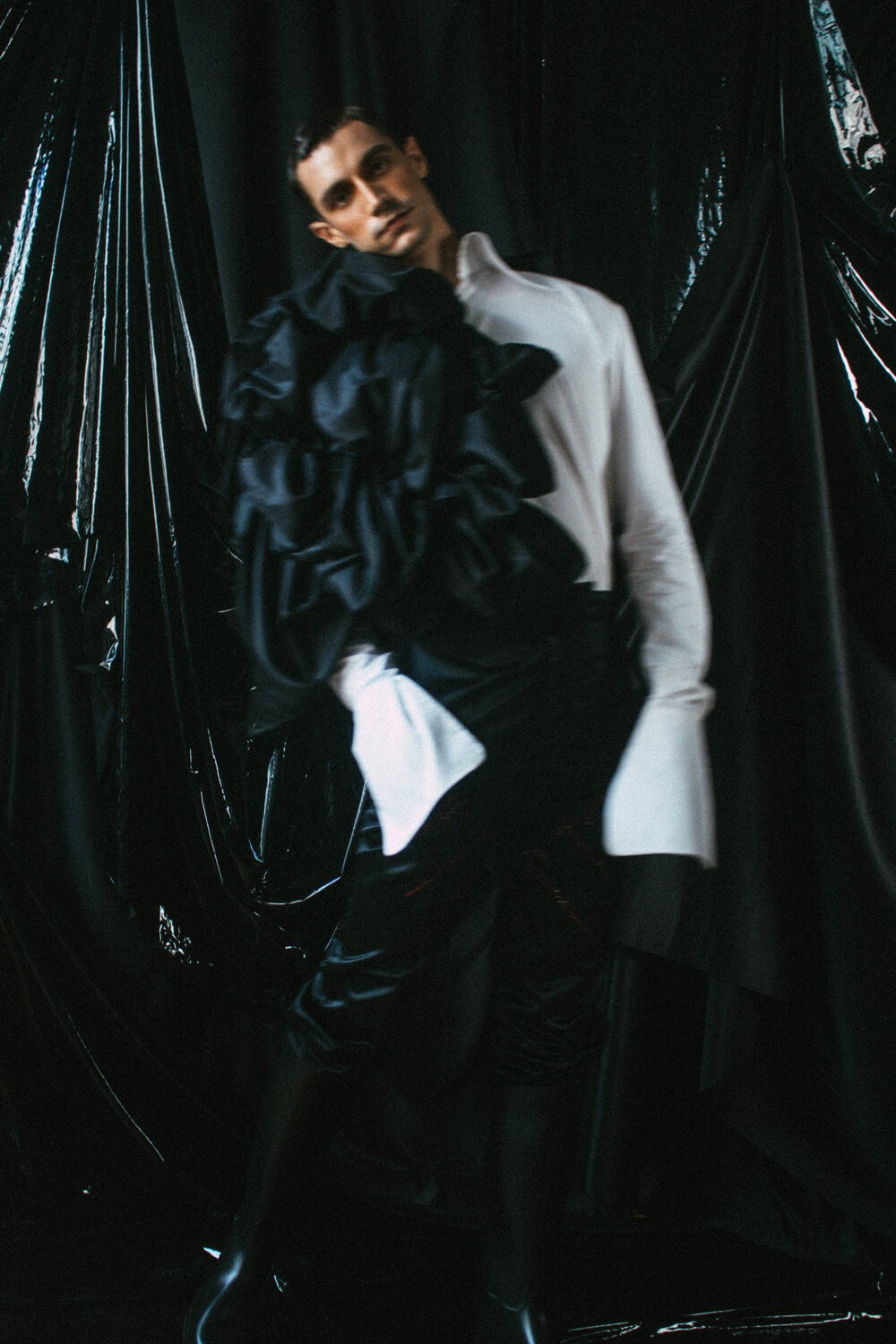
Inspired by his personal medical issue, a diagnosis of Wolff Parkinson White (WPW) Syndrome, that causes random heart palpitations, this collection is one of the more personal. The translation into a series of voluminous, non-gendered garments, however, seems to have little connection. It is hard to see the link between a backless jumpsuit, a cloak of bunched red vinyl and a white shirt with long cuffs as “an abstract form of a journal – penning and scribbling down what I felt when the palpitations attack”, as the designer writes. Presumably the shapes and volumes are how the designer translates his feelings. Whatever the connections, the pieces themselves are well tailored, pretty evening wear for the non-gendered.
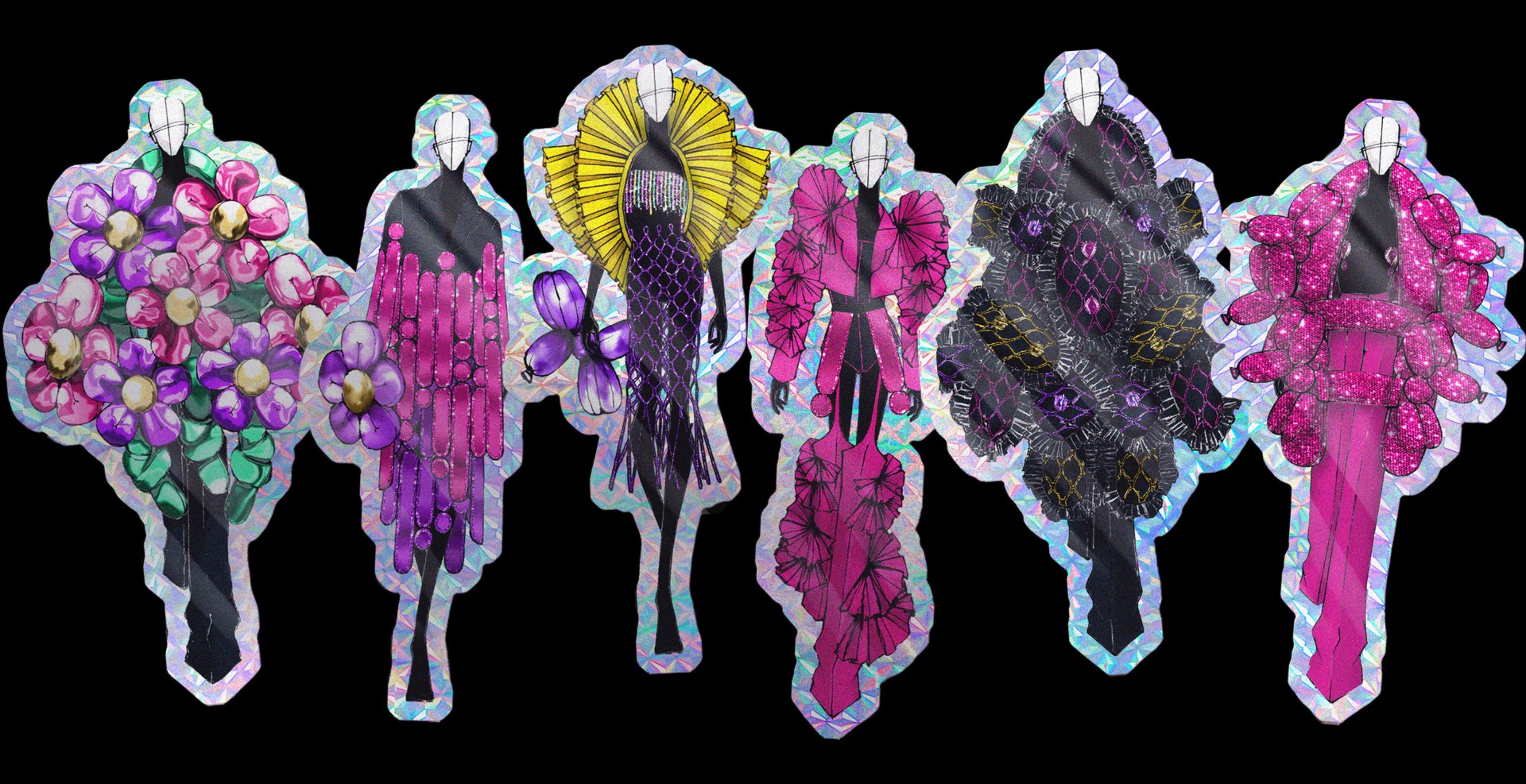
There is something very Leigh Bowery and Judy Blame about Xun’s collection, mixed in with current Drag Queen Culture, added to Rei Kawakubo of Comme des Garçons and even a touch of Moncler X Craig Green. The work is a celebration of “queerness, artifice, irony and high aestheticism” that is obvious in its theatricality, shouting ‘look at me’ as loudly as possible. But it is because of this blatant obviousness that the collection works. The fact that the construction is impeccable and, while riffing on the work of other experimental designers, does not copy slavishly, it also positions the designer at the head of the conceptual pack. Xun’s work is unashamedly more art than retail, but that is exactly why it will grab the eyes and hearts of dedicated fashion lovers the world round. Can’t wait to see where this designer goes, and what they decide to make.
All images Lasalle College of the Arts. For more information, and to watch the original virtual show, go to www.lasallesof.com.



















































 niki bruce