Review: A Classic Carla collection

Carla Zampatti is one of Australia’s best-known, most successful and globally recognised fashion designers, and for her Grand Showcase she showed a classic collection.

Over 30 years ago, Carla Zampatti introduced me to the idea that fashion could be a career. As a teenager I attended a talk she gave about how fashion wasn’t a frivolous pastime, but something that could become a job for life.

Obviously the designer practiced what she preached. Zampatti opened her first store in 1972; that’s almost 50 years ago. And she hasn’t stopped working to create the classic Australian woman’s wardrobe.

For her Grand Showcase affaire at VAMFF, Zampatti held her own on the runway – the only brand to have a stand-alone show – with a series of wearable, stylish and elegant looks that held little overt drama but a whole lot of ‘chic’.
A Classic Carla collection 8

Luckily for me I was seated next to the lovely, warm, friendly and funny Robyn Baillieu, wife of the former Victorian Premier Ted Baillieu.

Chatting about her interest in fashion, especially how innovation is changing the industry, Baillieu said that she, and her two daughters both wore, and loved, pieces from the brand. And as Baillieu happily pointed out looks she loved and some that she already owned, it was clear that Carla Zampatti has developed into a label that suits a wide range of ages.

While the runway show was all about Zampatti as a designer, and the brand, it was also heartening to see so much inclusion on the runway. Globally there has been a lot of talk about the importance of including all races and creeds, and sizes.

While Zampatti featured stunning black models and Asian models, and included two hijabi looks, it would have been fabulous to see a few elegant mature women and women of different shapes on the runway too. Melbourne model Hanan Ibrahim (pictured below) was the first hijab model to walk the runway for Melbourne Fashion Week.

With a soundtrack provided by Eurovision songstress Dani Im supported by Nick Wales, Peter Simon Phillips and Jonny Seymour, the set of the Royal Exhibition Building resounded to a mix of contemporary soul and more instrumental sounds – the perfect accompaniment for the collection that was also a mix of classic and contemporary.

Opening with a series of classic Carla red looks, working through sky blue satin, a glittery houndstooth jacquard, leopard and zebra prints (with added bling), it was the tailoring, coats and jackets that showed why Australian women love the brand.

A stunning boxy double-breasted coat in boucle tweed stood out as one that would stand the test of time; as did a white wool suit with swinging fringe.

A Classic Carla collection 4 fringe

The houndstooth pieces, rather ironically considering the passing of Kaiser Karl, were reminiscent of classic Chanel – a comparison that can never be escaped when using that pattern in black and white. However Zampatti deftly added her own touch with a simple long skirt in once case, and a neat pair of capris in another.
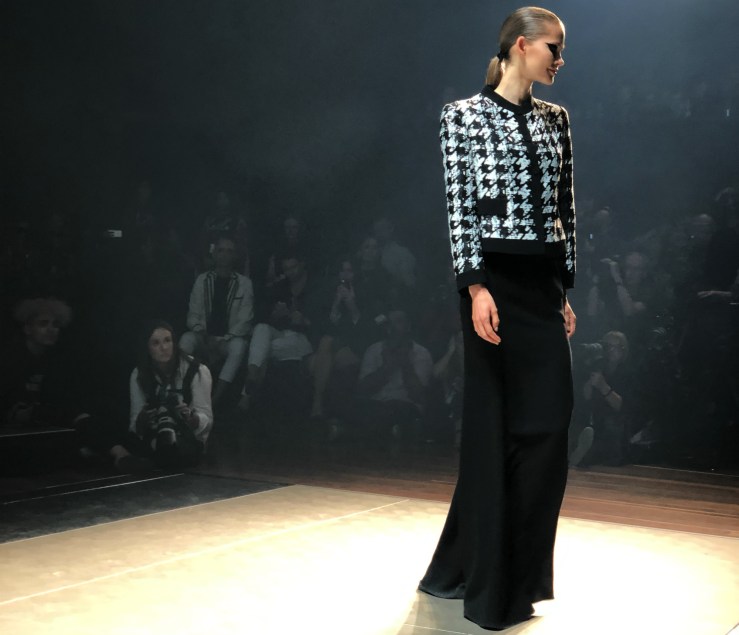
A Classic Carla collection 6 houndstooth

There were a number of capes and capelets; the most successful being a beguiling caramel coat-dress in a lovely suede.

A Classic Carla collection 9 cape

Less successful were a series of graphic evening dresses – one with a mound of maribou, another not quite fitting the model correctly – as they seemed a little too ornate, especially when compared to other evening looks.
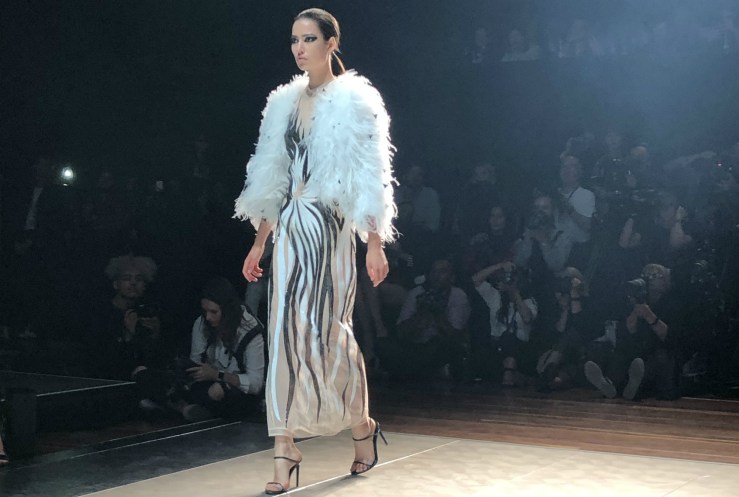
A Classic Carla collection 2 evening feathers

A classic ‘sexy’ mini encrusted in shining sequins and another evening gown that cleverly created a zebra stripe of shimmer seemed more streamlined and elegant.
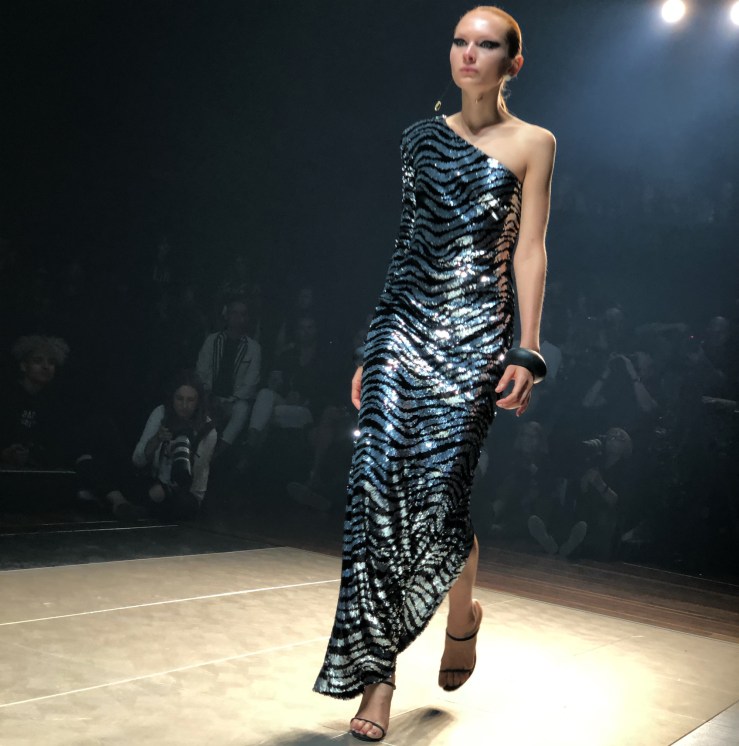
A Classic Carla collection 5 sequins

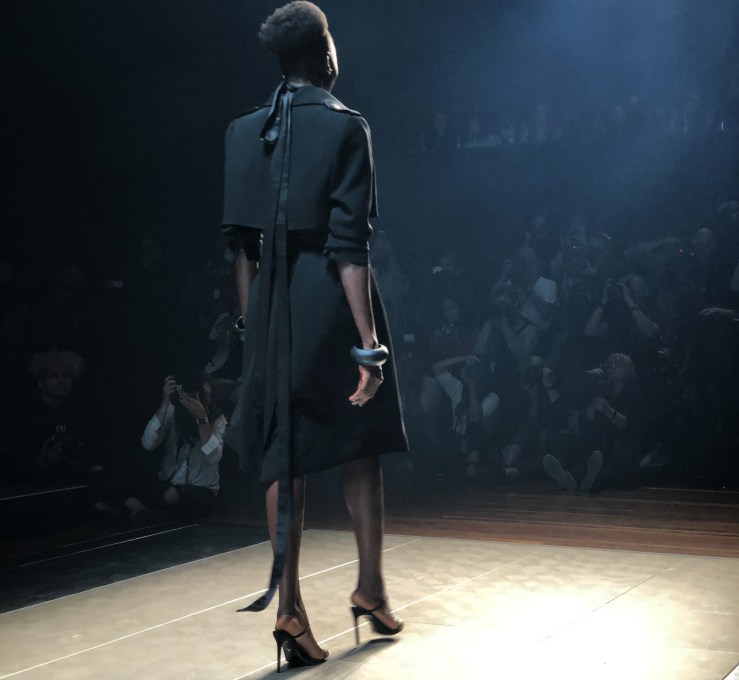
Perhaps the most interesting and memorable look was a delicately pleated maxi dress with string-sized straps, a low vee neckline and perfect pleats front and back; the cut of the back was done to perfection as it sat proud from the shoulder.

This was a stunning example of quality tailoring, however it didn’t seem to entirely fit the rest of the more classic collection. Perhaps it is a new concept we will see more of in the future.
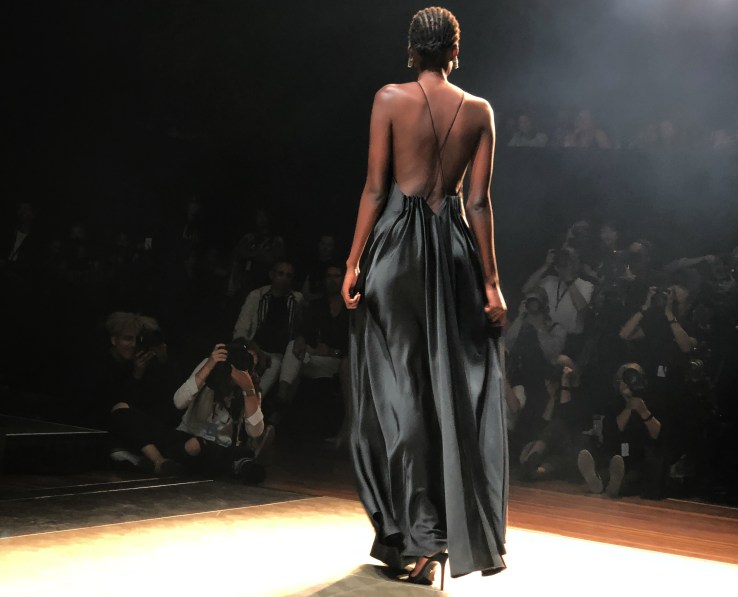
A Classic Carla collection 3 dress black

The show closed with a collection of black evening frocks that were again, more classic than cutting edge, not that this is a bad thing.
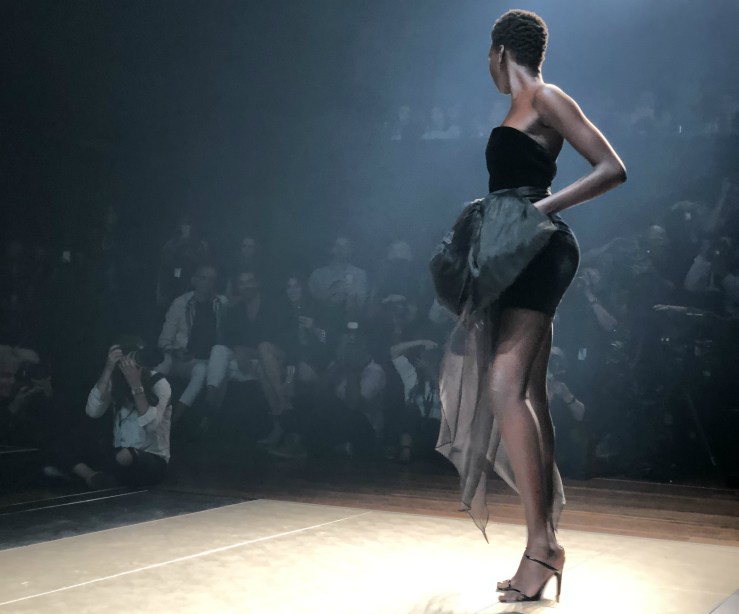
A Classic Carla collection 1 evening

Since the fashion industry currently appears to be having a crisis of conscience around the issues of sustainability and ethical fashion, it may be time to invest your money in pieces that will always look stylish, rather than just jump on a passing trend.

As the show ended, Zampatti received a standing ovation. Not many designers, even the big names in Paris, get that.

I attended VAMFF as part of its Writers Programme.


The future of fashion must be sustainable, and kind

Sustainable fashion, slow fashion, closed circular fashion production system … all these things are the future of fashion and we need to start doing them now.

At the Future Fashion. Is it a stitch up? conversation held as part of VAMFF’s Independent Ideas Event series, and in collaboration with The Possibility Project, a group of like-minded individuals came together to examine the future of the fashion industry in Australia and beyond.

future of fashion must be sustainable 2
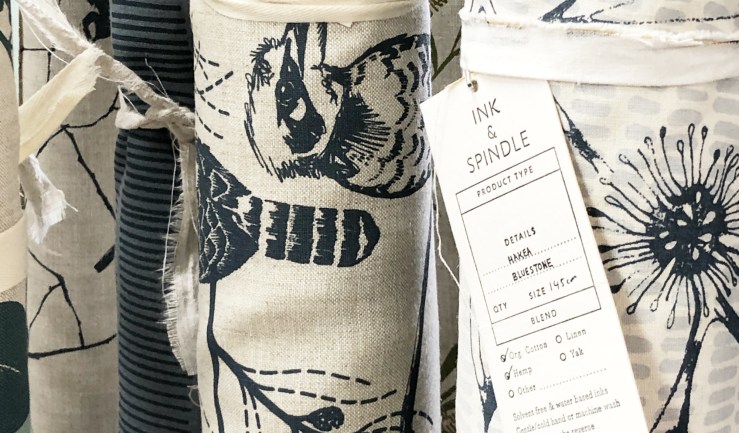
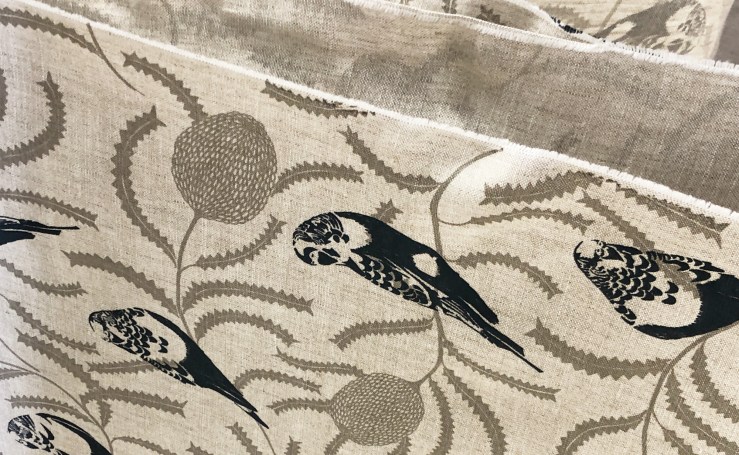
Examples of fabrics from Ink & Spindle, an Australian brand that create textiles that have a minimal impact on the earth. The brand uses organic cotton/hemp and eco-linen basecloths for their prints that are free from harmful chemicals. .

With Kim Pearce from The Possibility Project and slumwear108, Marnie Goding, the Creative Director of fashion label ELK, and Karina Seljak co-founder of Seljak Brand on the panel, the focus was on the importance of changing the current fashion industry system, with the hope to improve the overall sustainability of making and wearing clothes; and doing so with kindness and ethical awareness.

As Pearce said: “It is time for the fashion industry to open the conversation, and reimagine the industry in a way that is not all about technology but also about common sense”. She believes that historical fashion choices by both industry and consumers have led to “immense damage”, not only of the environment, but also how people and their work is treated.

Like the Fashion Revolution movement and its popular hashtag #Imadeyourclothes, The Possibility Project focuses on the social movement behind changing people’s shopping choices. They don’t want people to feel guilty about how they shop for clothes, but they do want to educate shoppers about what they’re buying.

future of fashion must be sustainable 3
Fabric from Ink & Spindle.

For Karina Seljak, one of the co-founders of Seljak Brand – an Australian company that makes blankets from recycled wool – getting the technology, machinery and skills behind creating a fully sustainable and closed circular fashion production system is most important when it comes to creating a better fashion system.

“One of the main inhibitors to moving to a closed loop system in Australia is that we are still shipping our textile waste offshore; those recycled products don’t come back to Australia. We need to our on-shore manufacturing to be circular [to make a difference],” explained Seljak.

This issue of waste was also emphasised by Pearce, although her perspective was as much about how human potential is being wasted in the large scale fashion industry.

And waste, plus the sourcing of the right materials, also came up in Marnie Goding’s comments on how her brand ELK currently operates. “In Australia we don’t value our waste products. There is a factory in Vietnam that we work with that completely recycles all of its waste water used in making jeans. They put it back into the environment,” said Goding.

Although Goding wants her brand to be as ethical and sustainable as possible, her core concern is that not just in Australia, but globally, the established manufacturing industry has not kept up with the move towards more sustainable fabrics and textiles. She also mentioned that although ‘sustainability’ is currently a global fashion trend, customers are not yet educated enough to understand why they need to change their shopping habits.

future of fashion must be sustainable 4
The team at Ink & Spindle showing how they hand screen print their eco-friendly fabrics.

Shown by the few questions asked by the audience, all three speakers were preaching to the converted. A few asked about how younger shoppers can be converted when they are focused on cheap prices and social media trends, however apart from discussing the importance of education, and shopping at Op Shops, there was little that the speakers mentioned that could impact in any great way.

While it is obviously important for more people to know about why we need to stop sending clothes to landfill and choosing to buy fewer, better, things, the relatively small turnout for the Future Fashion conversation also showed that a great deal more needs to be done to get the message out. As long as it’s done with kindness.