Traditional with a Pop twist: Korean sustainable fashion brand Danha

I’ve never been shy about my love for Kpop … yes, I’m a YG stan from way back! Which is why I gleefully watched the latest video from the entertainment company’s girl group BlackPink with eyes wide open to spot the latest Korean fashion trends. 

Korean sustainable fashion brand Danha 5

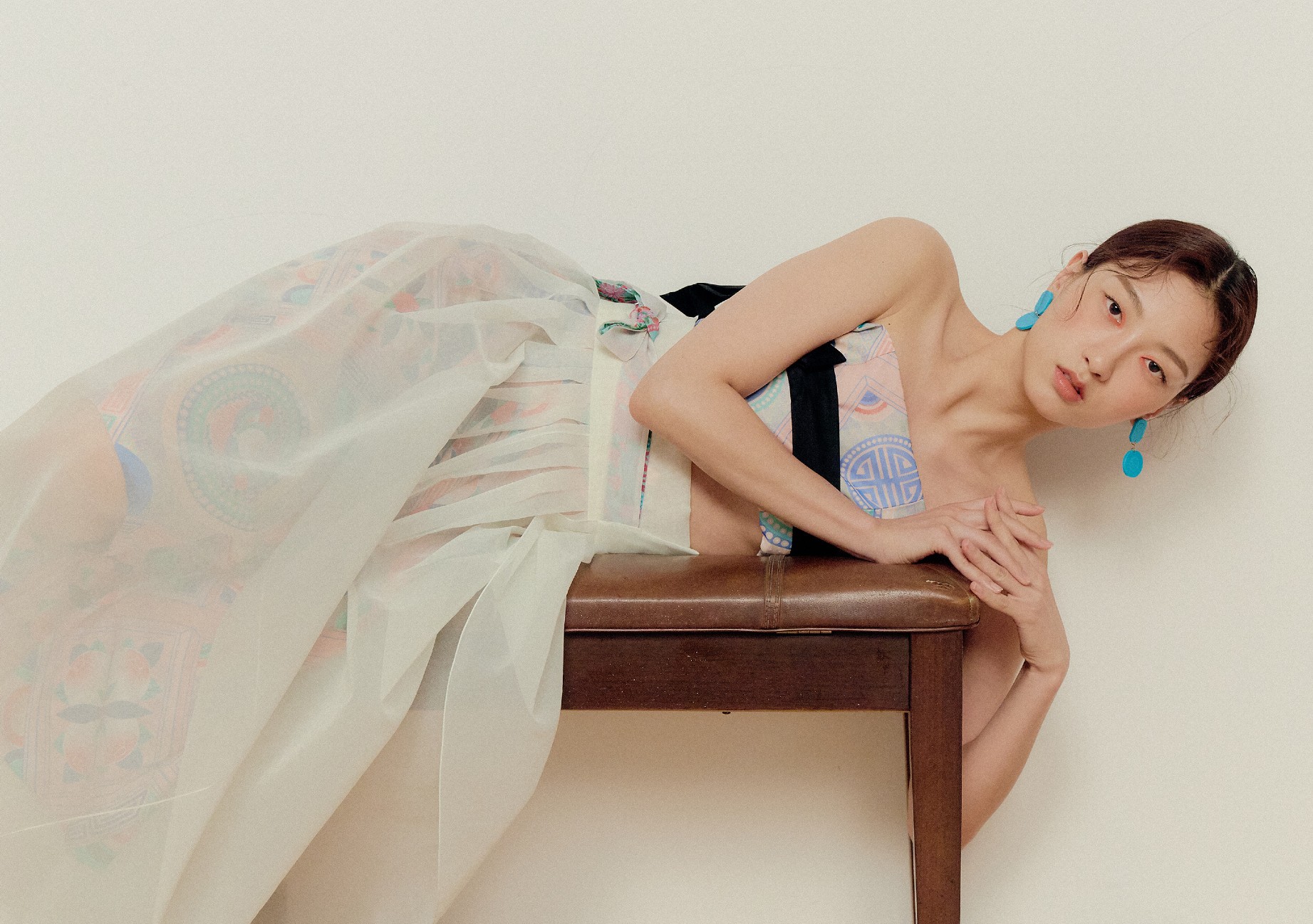
And there, front and center were some fabulous traditional Hanbok-with-a-twist garments. I recognised the fabrics, prints and decorative details from all those Kdramas we all watch, but teamed with boots, short-shorts and minis, this was definitely not something Queen Seondeok would wear!

I was already following a number of other Korean brands that were working with traditional fabrics and clothing shapes on Instagram, but these garments were a cut above with the attention to detailing and how modern they looked. Eventually I tracked down the brand behind the looks and discovered Danha. 

Danha is not only a brand that is focused on creating a modern version of traditional Korean clothing, it is also a sustainable and ethical fashion brand – not something that is common in the Korean fashion industry. 

The brand describes itself as “sustainable ethical ‘slow fashion’ rather than ‘fast fashion’ that causes global warming, [and] will contribute to improving the world’s environmental problems”. 

Named after the designer Danha, the brand has always been about two things – celebrating traditional garment heritage in Korea, and being environmentally responsible. The brand works with organic and recycled fabrics, upcycles fabric offcuts – it creates gorgeous foldable shopping totes – and using the traditional flat-cut method of Korean garment design, actively reduces fabric waste. Danha also produces limited runs of stock and will create made-to-measure garments.

WATCH THE VIDEO: 

Designer Danha discusses how her clothes ended up on BlackPink

The garments are mostly created out of organic cotton, and eco-fabrics made from recycled plastic bottles. Silk and an eco-friendly tweed is also used for some items, and the brand continues to experiment with creating new sustainable fabrics. Their organic cotton complies with GOTS (Global Organic Textile Standard), and is grown in a three year process with no chemical fertilizers, plus only natural starch and wax are used during the spinning process. 

Like many brands these days, Danha also uses recycled and biodegradable packaging, and is in the process of trialing an upcycled paper shipping box made of recycled materials.

Another part of the brand’s ethos is its ethical production methods, describing its sewists as “free workers who can choose what they want to do”, in a collegiate workshop environment where all the garments are handmade, “working comfortably together, respecting each other”.

From the customers’ perspective Danha is also remarkably inclusive unlike other Korean fashion brands which historically have had issues with sizing, creating only small sizes and with little consideration of non-tiny shoppers. Danha, on the other hand, is quite inclusive. The brand’s ‘free size’ ranges from Korean sizes 44 to 66 (that’s XS to M on the international size chart), wrap skirts go up to a 35in waist. Garments also come in sizes that are equal to an international L, and the brand will also customise garments to order in any size you like.

Those are all the sustainable and ethical requirements on the current hit list, but what about the clothes? 

Danha’s aesthetic fits neatly into the growing #cottagecore movement of light layers, ruffles, soft voluminous shapes and an ethereal, fairy vibe. Think drifting around in the moonlight waiting for your prince to arrive while simultaneously discovering a herbal cure for cancer, but in Seoul. These are pretty, pretty clothes with a distinctly Asian traditional take. 

Should you wear them if you aren’t Korean, or Asian? Yes! If you love the look it doesn’t matter where you come from, just make sure you don’t do something stupid like add ‘yellow face’ makeup or hair.  

Shop Danha online at en.danhaseoul.com

WATCH THE BLACKPINK VIDEO THAT STARTED IT ALL …

6 sustainable Australian swimwear brands to discover

Yes. Australia is the home of budgie smugglers, togs and swimmers. Just about everyone, no matter their age or size, has a pair of bathers in the cupboard. Some of us have entire swimwear wardrobes of up to hundreds of pairs. 

But, swimwear – particularly the fabrics they’re made from – are not particularly environmentally friendly. Most swimmers are basically made of plastic. 

With most of us now becoming aware of the issues surrounding sustainable clothing production, the need for sustainable swimwear has become a bit of a hot topic. 

There are a number of smaller Australian brands that have focused on creating swimwear in a more sustainable, or eco-friendly way – they use recycled nylon, or nylon made from recycled sea plastic, or reuse fabric waste. In their different ways, with their different styles, these brands are filling a gap in the market.

Camp Cove Swim

If you love colours and prints, Camp Cove Swim is a brand you’ll get excited about. The cuts are forgiving with high-waist bottoms and supportive tops in pretty graphic patterns and a range of colours from muted neutrals to bright primary shades. 

sustainable Australian swimwear brands CAMP COVE SWIM 1

The lining of the swimsuits are made of Econyl – a regenerated nylon made from fishing nets and landfill waste – and the prints are done using the sublimation printing process that uses no water at all to dye fabric. 

The brand also manufactures all their garments in a small town on the coast of New South Wales, and uses in-house scraps for their samples, and they on-sell their excess fabrics to local fabric stores. 

Check out the brand at www.campcoveswim.com

Salt Gypsy

This is a swimwear brand that’s all about surfing. The style and designs are functional – think rash tops, surf leggings, high-waisted bottoms, supportive tops and waterproof pouches – they also produce surfboards. 

The garments are made from Econyl, they use biodegradable packaging and produce the pieces in Australia using responsible manufacturing practices. 

Salt Gypsy started out in 2012 with the aim to develop the surf leggings for women surfing; and continues to be focused on creating a closed loop production system using ‘repolymerised’ waste materials and supporting the slow fashion movement.

Check out the brand at www.saltgypsy.com

Shade Swim

If you’re as scared of the harmful rays of the sun as I am, you need to check out Shadeswim. The brand was created by a young mother who suffered from skin cancer, and who wanted to create swimwear for adult women that is more covered up, and with a high level of sun protection. 

In Australia it is basically a law that children now have to wear full-coverage swimwear ie. rash tops etc, and full-coverage hats with neck protection at schools and public swimming events.

Shade Swim’s designs are not trendy, but they are comfortable and flattering for women of all ages and body types, they protect your skin and are made from a type of sustainable Lycra that is UPF 50+.

Check out the brand at www.shadeswim.com.au

Re-Swim Club

Yes, you can upcycle and reuse swimwear fabric according to Re-Swim Club, a swimwear brand that creates its garments out of what would otherwise be considered waste fabric. 

sustainable Australian swimwear brands RESWIM 1

The brand sources designer surplus, recycled materials, remnants and off-cuts to create limited run swimwear. All the pieces are hand cut and hand sewn to make the most of every little scrap of fabric. 

The swimsuit cuts come in classic styles like tank two-pieces and simple one-piece malliots, and since the fabrics change all the time, there are limited numbers of each piece. Interestingly the brand categorises its products by size – so you shop your size first and then see what is available. This makes sense considering the irregular amounts of each particular fabric. 

Check out the brand at www.reswimclub.com.au

Le Buns

Yes, this swimwear is designed to make your bum look good. If you’re looking for something a little sexy and love solid colour swimwear, check out Le Buns. 

These swimwear designs are a bit more on trend than some of the others, but there is a classic feel that makes sure you will have longevity from your swimsuit. The cuts of the bottoms are also a bit more revealing than more covered-up brands, for those who want to show off a bit more. 

The brand pays attention to its supply chain, using suppliers with sustainability and transparency credentials for ethical production. Le Buns also uses biodegradable packaging or home compost grade mailer bags for its online shipping, and even gives you a free wash bag so you take care of your swimwear in the washing machine so it lasts longer and you don’t need to replace it. 

Check out the brand at lebuns.com.au

Shapes in the Sand

This eco conscious swimwear brand is all about Australian nature, from the prints to the styles. Using sustainable and recycled fabrics, Shapes in the Sand produces limited runs – two or so prints per season – in a range of cuts that have been designed to suit all ages and body types. 

Like many Australian swimwear brands, every collection comes with a rash top – the cover-up of the Aussie beach – and different styles of bottoms depending on how much, or how little you want to show. The prints are based on the natural environment, and the brand’s models are more natural than fake. 

All manufacturing is done in Australia, with the aim of supporting a circular economy; the fabrications come from bio-based (plant) materials and recycled nylon from fishing nets and even carpet fluff! All their packaging is plastic free, and Shapes in the Sand also collaborates with a variety of non-profit environmental and cultural organisations.

Check out the brand at www.shapesinthesand.com.au

If you’re interested in supporting Australian fashion, follow @fashion_revival_runway to discover more cool, independent Aussie brands.


Small but mighty: 6 emerging sustainable Australian fashion brands

For a long, long time Australia was seen as a fashion desert, with its lack of ‘major’ brands, its odd seasons – compared to the rest of the fashion world – and the country’s laidback lifestyle. Even its most cultured of cities – Melbourne – tended towards the basics of shorts and tees in summer and tracky daks and uggs in winter. 

Somewhere in the 80s, however, there seemed to suddenly appear a nascent Australian fashion scene. Ksubi sent rats down the runway, magazines proliferated and the average Aussie girl started wearing cute little dresses and Sass & Bide lowrise jeans. Yes! Australia had fashion. 

By the beginning of the 21 century, unfortunately this burgeoning fashion industry started to collapse with the influx of high street brands from around the world; the introduction of online shopping seemed the final nail in the coffin of a small, off-season regional fashion industry. 

But all is not lost. In the last five or so years there has been a rise in small production, locally manufactured, sustainable fashion brands sprouting in Australia. These brands are focused on circular production systems, waste reduction, ‘slow fashion’, limited production runs, using sustainable fabrics and dyes, and generally not wanting to be ‘huge’ or international brands. 

As the coronavirus hits the global economy, many fashion brands are finding their supply and distribution chains at risk. In conjunction with these issues, more customers are thinking about the idea of #shoplocal, of supporting their local economy and small businesses. This situation therefore may become a great opportunity for small, local, sustainable fashion businesses. 

Here are six small, sustainable Australian fashion brands to check out. Remember, just because they are small, doesn’t mean they don’t sell online, and ship globally (in biodegradable packaging).

A.BCH

Founded in 2017 by Courtney Holm, A.BCH is a womenswear and menswear brand with many garments fitting into the non-gendered definition and in fact shot and sold on both men and women. The core of this brand is its circular production cycle, or circular economy standard.

sustainable small Australian fashion brands ABCH 3

The brand’s line of elevated basics are all made in Melbourne from organic, recycled and renewable materials; buttons are made from seeds of fallen corozo fruit and their factory is family owned and operated in Melbourne. 

sustainable small Australian fashion brands ABCH 4

A.BCH’s design is a mix of practical basics – sweaters, tees, shirts, pants, skirts etc – in muted neutral shades and simple patterns. There’s an earthy, relaxed and comfortable vibe about the brand, it’s almost anti-fashion.

Although the focus of the design is on reducing waste, the odd thoughtful detail on a basic garment helps elevate the brand to something a little bit more interesting.

Follow A.BCH on @abch.world and shop online at abch.world.

Nobody Denim

This Melbourne denim brand is all about sustainability and ethical production. Everyone knows that denim is one of the worst fabrics when it comes to pollution, water use and waste, which is why the team behind the brand is focused on making ‘clean’ denim garments.

All the garments are made in Melbourne with guaranteed fair working conditions employing over 80 staff; Nobody Denim is also accredited with Ethical Clothing Australia (ECA).

The brand is also very careful in where it sources its materials – which means working with suppliers who meet IS014001 standards, use natural enzymes in their laundry, have reduced their water use for certain processes by 50% and support Australian hardware suppliers like YKK zips to reduce their carbon footprint.

Nobody Denim doesn’t just do jeans, the brand also offers womenswear tops, skirts and even dresses in fabrics like organic cotton and silk. But it’s best pieces are the denim, particularly their season collection items like coloured denim, wide-leg jeans and slim cut denim jackets.

Follow Nobody Denim on @nobodydenim, and shop online at nobodydenim.com.

Kuwaii

Made in Melbourne brand Kuwaii was founded in 2008 by designer Kristy Barber and is all about the slow fashion movement and local production. The womenswear brand focuses on creating anti-fast fashion pieces that are less trend driven, more about personal style, comfort and longevity.

All garments are made within a 15klm distance from the design studio, and even its footwear is made by one of the last surviving Australian footwear factories, where each pair of shoes takes up to a day to make by hand. 

Kuwaii is also focused on transparency with its environmental goals posted on its website; it aims to be carbon neutral by June 2020. It’s packaging is either biodegradable, compostable, recyclable or reusable; even for online shopping the brand uses compostable bags and a biodegradable sticky tape. Fabrics are as environmentally sustainable as possible, the brand also uses surplus fabrics in their collections thereby repurposing waste from larger brands.

Kuwaii’s aesthetic is a combination of comfortable shapes, natural materials and colourful prints. The brand collaborates with local artists to create unique print runs on limited pieces, mixing these with muted solid colours and neutrals. It’s a casual brand creating comfortable clothes for women of all body types and ages.

Follow Kuwaii at @kuwaii, and shop online at kuwaii.com.au.

Joslin

Launched in 2018, Joslin is a womenswear brand based in Melbourne founded by designer Elinor Joslin. The brand is a slow fashion label with an emphasis on limited lines in sustainable fabrics. 

Joslin is a softly feminine brand and is best known for its signature linen dresses adorned with ruffles, pintucks, smoking and button detailing. More recently the brand is being noticed for its stylish and flattering range of knits, which also have a quietly feminine touch. The brand features a lot of traditional fabrications and techniques.

On the sustainability front Joslin uses 100% compostable bags and packaging for its online shipping, including 100% recycled tissue paper, and its international orders are carbon offset using DHL’s GoGreen Climate Neutral service.

The brand uses natural fabrics, and only uses synthetics if there is totally no other alternative; its signature linen and ramie fabrics, silks, organic cottons and merino wool fabrics are used in conjunction with recycled cotton and nylon. For 2020 the brand’s design team is working with natural dead-stock fabrics and working on discovering alternatives to synthetic fusings and plastic zips and buttons.

Follow Joslin on @joslin_studio and shop online at joslinstudio.com.

Devoi

Another Melbourne based brand, Devoi is all about slow fashion and ethical consumerism. Known for its original prints, the overall vibe is fun, colourful, wearable and comfortable. From its launch, the team behind Devoi decided to focus on ensuring ethical manufacturing practices and sustainability.

This womenswear brand’s design is less about trends and more about longevity – like most of the brands in this list. Devoi does not use synthetic fibres, instead using silk, viscose and linen – mainly because all these fabrics can be dyed and cleaned in cold water with natural detergents. The custom prints are digitally printed since it uses less water and produces less toxic waste. The dyes used for the printed fabrics are AZO free dyes and natural plant dyes.

The brand’s manufacturing is done overseas, however it works with factories that are connected to NGO organisations, supplying mattresses made from scrap fabrics for those in poverty. That same factory reuses cardboard boxes for delivery to Devoi. Devoi’s textile dyeing mill has a treatment plant that uses evaporation and separation technology to clean the water used in the dying process, and then reuses the recycled product.

In line with much of the slow fashion movement, Devoi produces limited runs so there is no wasted fabric or stock wastage, and the brand uses the print fabric offcuts to create accessories like belts, headbands, pouches etc.

Follow Devoi at @devoiclothing, and shop online at www.devoishop.com.

SHHORN

This brand is less a fashion label and more an art project led by Sean Tran. While SHHORN does produce clothes, it is also focused on creating handcrafted fabrics and other objects in search of the “inherent traits of natural materials through design and construction activity”. 

Tran is a self-taught tailor who used to be an architect and jeweller, and spends his time between an atelier in Sydney and a handcrafting fabric studio in the Blue Mountains. The resulting garments are hand stitched from fabric that has been crafted from raw fibres also by hand. 

There is something very Japanese about SHHORN in the way the process of the making is as important as the final garment; the pieces – both menswear and womenswear – have an old fashioned feel to them with a kind of artistic Amish vibe.

There is also an element of non gendered design, with pieces being shot on both male and female models. There are menswear pieces that echo womenswear cuts, and also a touch more of the Japanese artist’s aesthetic with short-cropped trousers and voluminous cocoon shapes for both genders. 

The cuts have a timeless quality about them with generic shapes being made important and interesting due to the way they are produced, rather than any strong creative urge. Accessories include kangaroo leather pouches and belts, all very authentic and hardwearing, again the design is about functionality and longevity. 

Follow SHHORN at @ateliershhorn, and shop online at www.shhorn.com.

For more on Australian fashion, read Thoughtful, wearable clothes for every body by Jude Ng.

The future of fashion must be sustainable, and kind

Sustainable fashion, slow fashion, closed circular fashion production system … all these things are the future of fashion and we need to start doing them now.

At the Future Fashion. Is it a stitch up? conversation held as part of VAMFF’s Independent Ideas Event series, and in collaboration with The Possibility Project, a group of like-minded individuals came together to examine the future of the fashion industry in Australia and beyond.

future of fashion must be sustainable 2
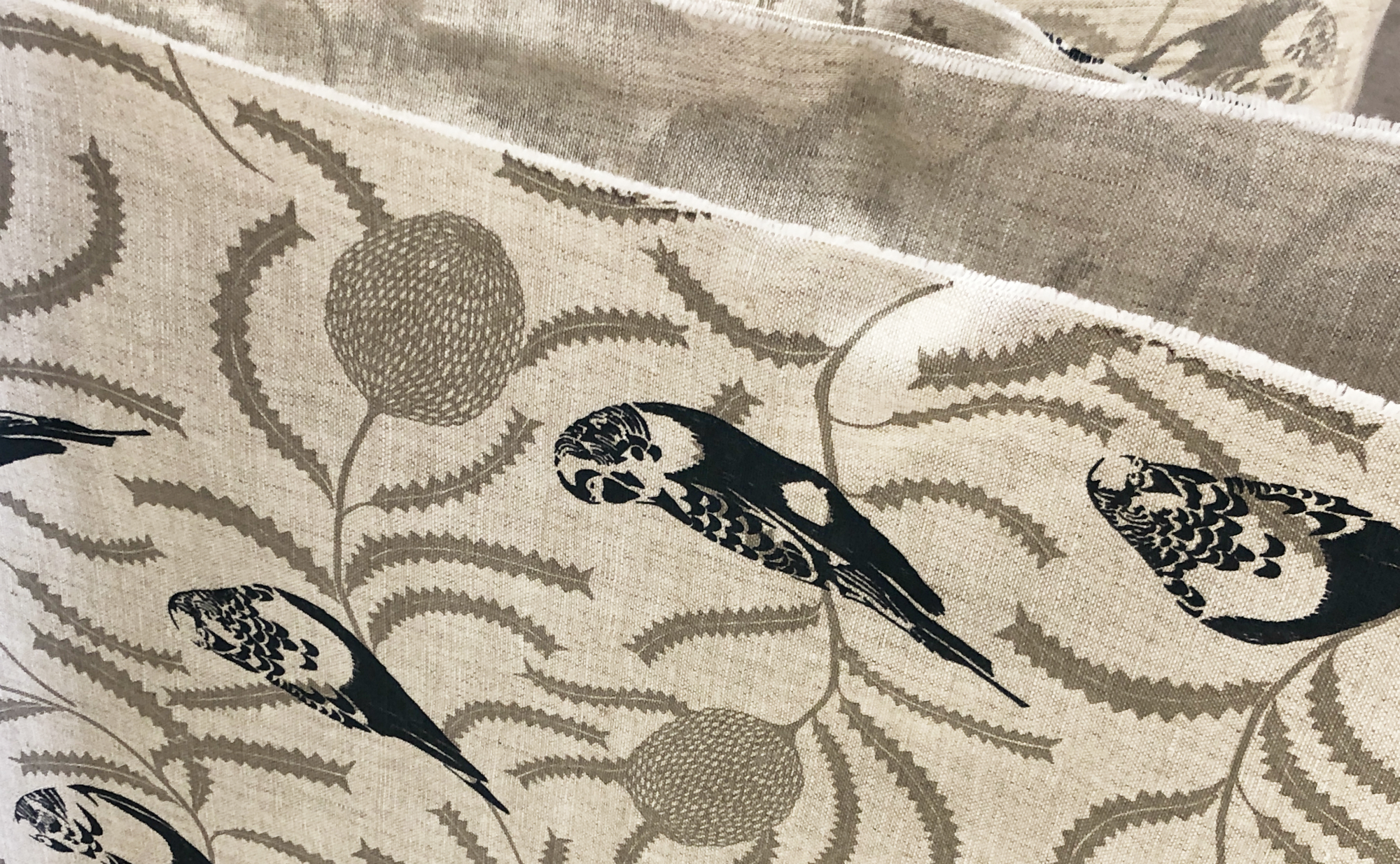
Examples of fabrics from Ink & Spindle, an Australian brand that create textiles that have a minimal impact on the earth. The brand uses organic cotton/hemp and eco-linen basecloths for their prints that are free from harmful chemicals. .

With Kim Pearce from The Possibility Project and slumwear108, Marnie Goding, the Creative Director of fashion label ELK, and Karina Seljak co-founder of Seljak Brand on the panel, the focus was on the importance of changing the current fashion industry system, with the hope to improve the overall sustainability of making and wearing clothes; and doing so with kindness and ethical awareness.

As Pearce said: “It is time for the fashion industry to open the conversation, and reimagine the industry in a way that is not all about technology but also about common sense”. She believes that historical fashion choices by both industry and consumers have led to “immense damage”, not only of the environment, but also how people and their work is treated.

Like the Fashion Revolution movement and its popular hashtag #Imadeyourclothes, The Possibility Project focuses on the social movement behind changing people’s shopping choices. They don’t want people to feel guilty about how they shop for clothes, but they do want to educate shoppers about what they’re buying.
future of fashion must be sustainable 3
Fabric from Ink & Spindle.

For Karina Seljak, one of the co-founders of Seljak Brand – an Australian company that makes blankets from recycled wool – getting the technology, machinery and skills behind creating a fully sustainable and closed circular fashion production system is most important when it comes to creating a better fashion system.

“One of the main inhibitors to moving to a closed loop system in Australia is that we are still shipping our textile waste offshore; those recycled products don’t come back to Australia. We need to our on-shore manufacturing to be circular [to make a difference],” explained Seljak.

This issue of waste was also emphasised by Pearce, although her perspective was as much about how human potential is being wasted in the large scale fashion industry.

And waste, plus the sourcing of the right materials, also came up in Marnie Goding’s comments on how her brand ELK currently operates. “In Australia we don’t value our waste products. There is a factory in Vietnam that we work with that completely recycles all of its waste water used in making jeans. They put it back into the environment,” said Goding.

Although Goding wants her brand to be as ethical and sustainable as possible, her core concern is that not just in Australia, but globally, the established manufacturing industry has not kept up with the move towards more sustainable fabrics and textiles. She also mentioned that although ‘sustainability’ is currently a global fashion trend, customers are not yet educated enough to understand why they need to change their shopping habits.

future of fashion must be sustainable 4
The team at Ink & Spindle showing how they hand screen print their eco-friendly fabrics.

Shown by the few questions asked by the audience, all three speakers were preaching to the converted. A few asked about how younger shoppers can be converted when they are focused on cheap prices and social media trends, however apart from discussing the importance of education, and shopping at Op Shops, there was little that the speakers mentioned that could impact in any great way.

While it is obviously important for more people to know about why we need to stop sending clothes to landfill and choosing to buy fewer, better, things, the relatively small turnout for the Future Fashion conversation also showed that a great deal more needs to be done to get the message out. As long as it’s done with kindness.