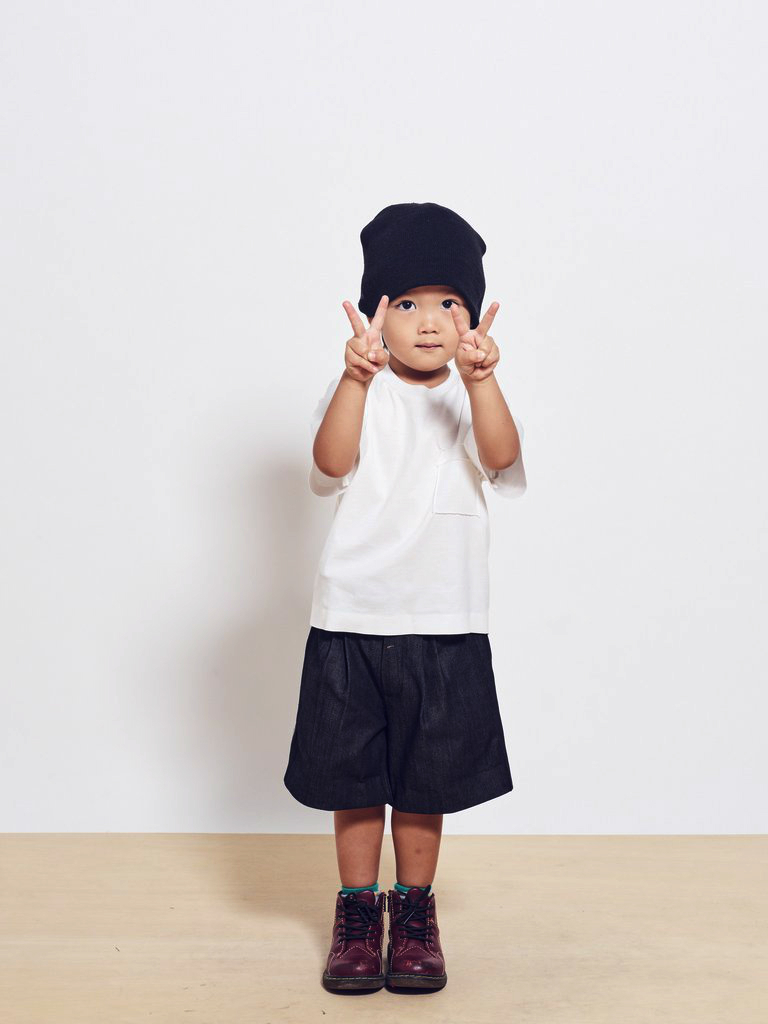
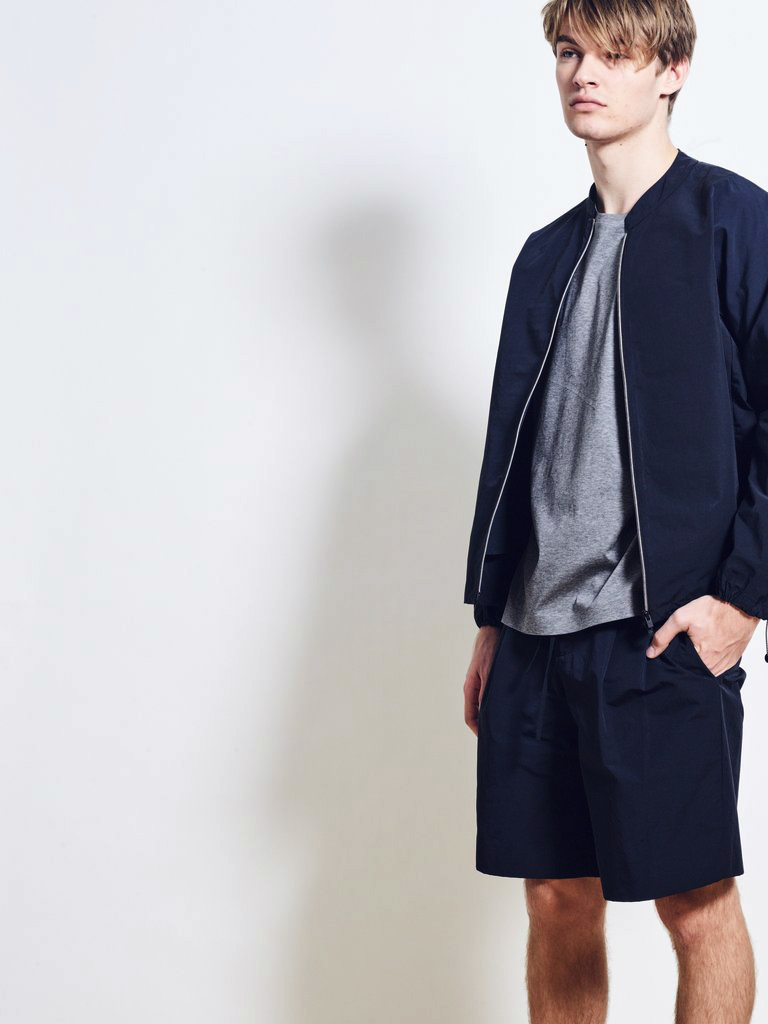
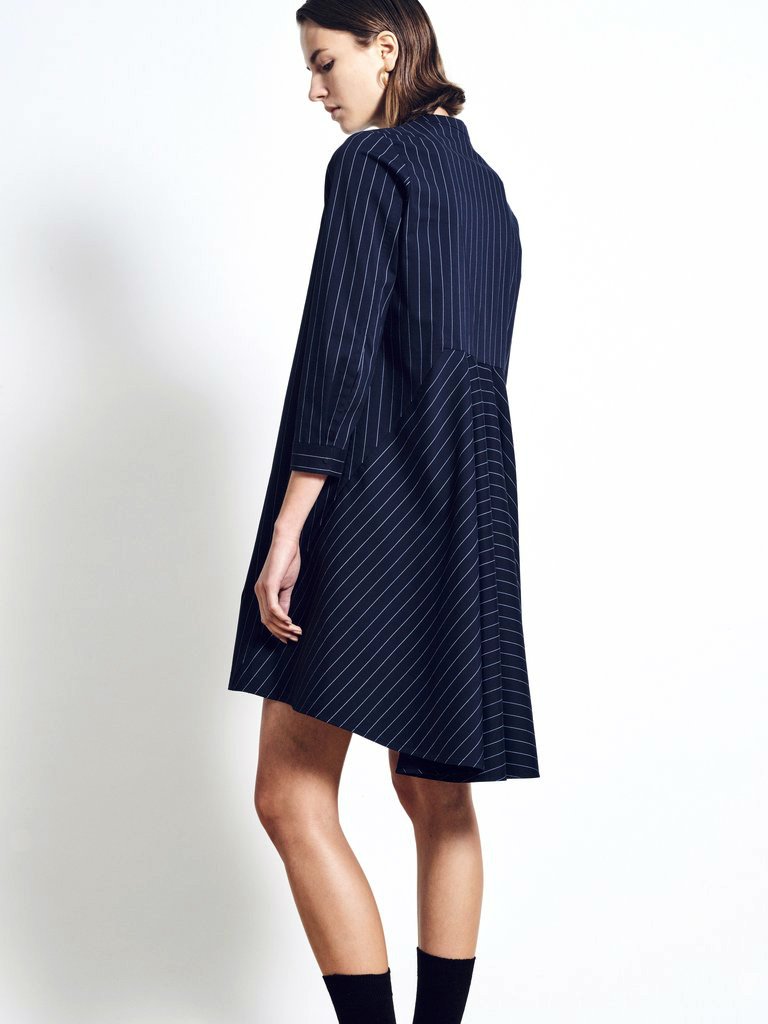
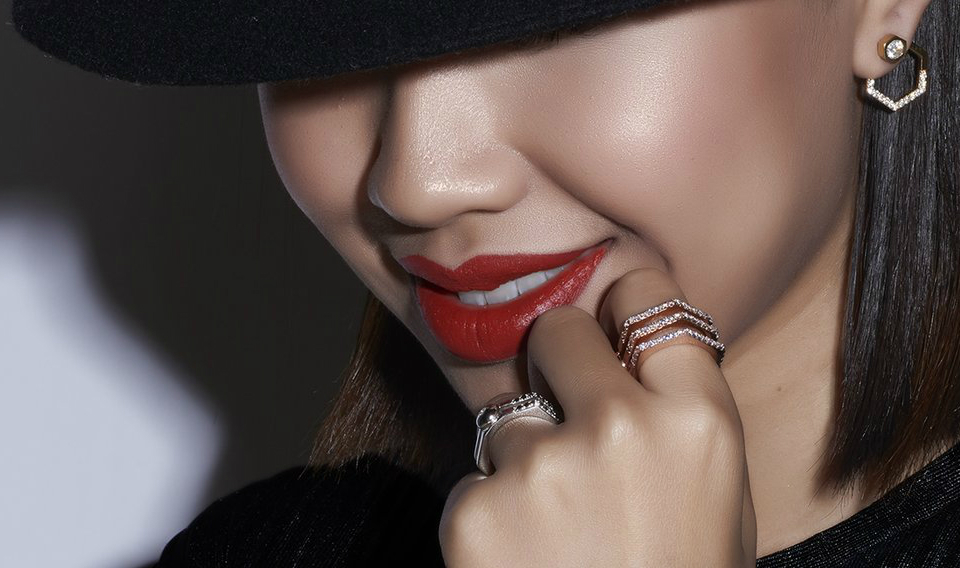
Non-gendered jewellery versatile enough to suit every occasion and last forever

Like many people I do love my jewellery; it was always rings for me but earrings — of a sort — came a close second. Unlike my rings which I would change everyday, my earrings pretty much stayed the same, sometimes for years at a time. 

This idea of wearing ‘permanent’ jewellery is a popular concept right now, particularly the idea of having a piece of jewellery practically welded to your body, but while you can remove your everyday pieces many of us don’t so it becomes basically the same thing. 

DISCOVER GENNUU

New Singapore brand Gennuu by local creative Chantelle Huan fits into this new movement. The pieces are simple but stylish, affordable but also sturdy enough to be worn on the daily, or basically ‘permanently’. 

“Gennuu was founded with the intention to create jewellery pieces that are stylish, affordable yet of great quality, versatile enough to suit all occasions while allowing our wearers to be able to express their own personality and vibe,” explains Chantelle.  

The founder and designer of Gennuu, Chantelle Huan

According to Chantelle, the brand name — pronounced ‘gen’ and ‘u’ — is linked to being ‘genuine’ and ‘generational’ with the ‘u’ representing the ‘you’ of the wearer. “At its core, it encompasses two main values that make up its identity: Genuine — a brand that is 100% genuine in what we design and curate – considering intention, function, and style. Generational — a brand that values openness, with hopes to build a community of fashionable go-getters willing to share and live experiences that transcend generations. The ‘U’ in Gennuu represents ‘you’ — Gennuu is a brand that is made for you,” Chantelle explains.

“Since I was young, I have always been interested in fashion and often took on roles such as costume designer for school activities. My interest in fashion also meant a constantly growing jewellery collection,” she says. 

“As time passed, I realised I would only re-wear a fraction of my pieces — often those with colours and styles that were easy to match and stack. 

“This sparked the motivation to create Gennuu. I wanted to reduce the number of pieces people needed to purchase, while retaining and even increasing the number of styles people could wear from those pieces. 

“Hence, Gennuu was born as a brand that emphasises on a core collection of essential pieces, with add-ons that are mixable, stackable and can be worn in multiple styles.”

The new brand has been strongly influenced by Chantelle’s personal style: “My personal style is a mix of classic, hardware pieces as well as more elaborate statement pieces, often in varying tones of silver and gold.”

Chantelle says that she always wears mismatched earrings, a concept that she factored into the design concept for Gennuu, alongside stacking and layering jewellery pieces. 

“One consistent style of mine is to always wear mismatched earrings. I honestly cannot remember the last time I wore the same pair of earrings on both ears! I always pair longer form pieces with shorter forms or studs, and tend to stack my stud piercings. Necklace and chain stacking has also been a consistent style, where I tend to wear at least two necklaces on most occasions.
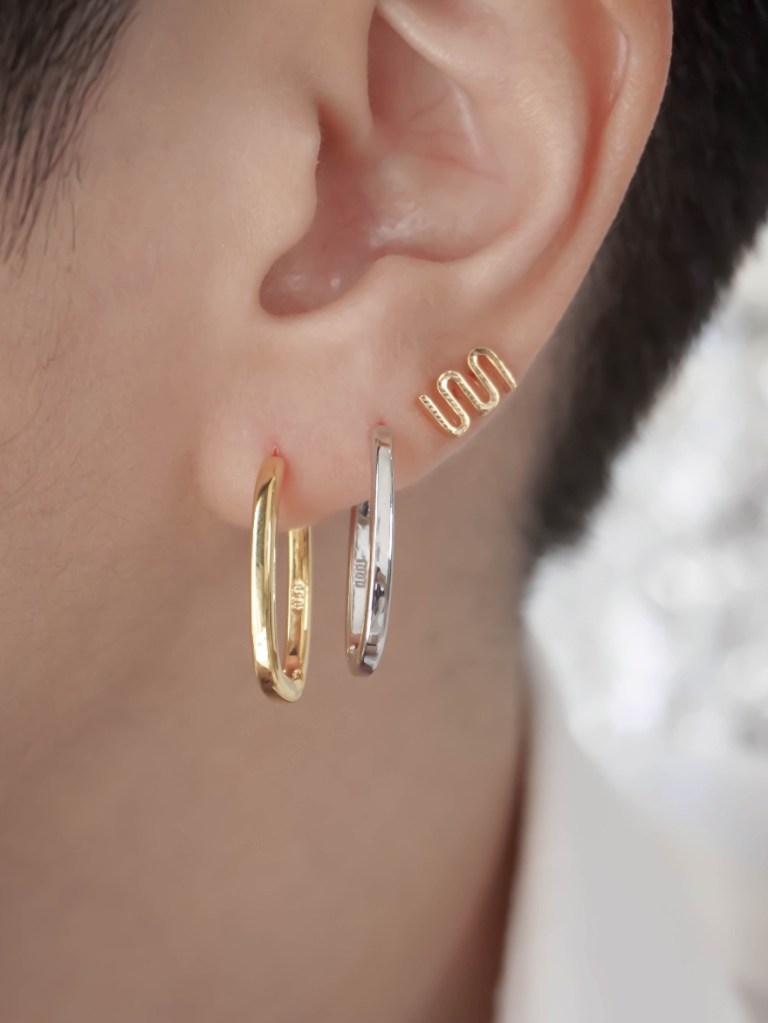
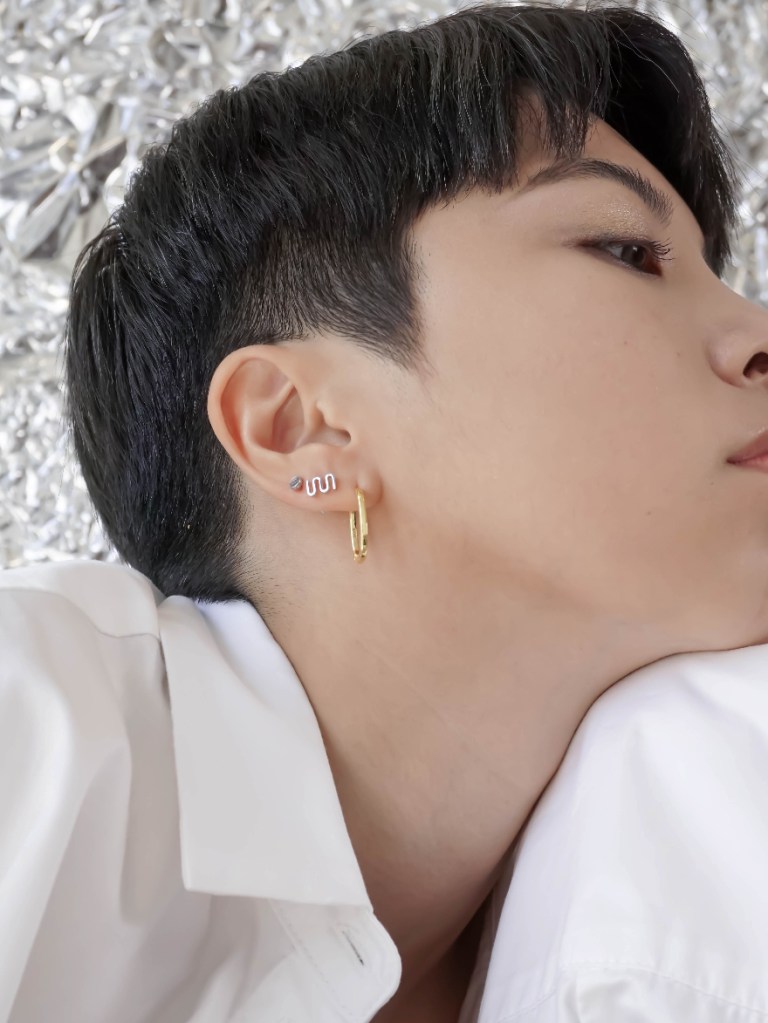
“This has impacted Gennuu’s designs as well. Most of its pieces are sold as singles to mix and match with other styles, and some designs offer pairs in a mix of silver and gold, instead of the usual all-silver and all-gold options. 

“For necklaces, all its lengths are of a minimum adjustable length, such that they can be worn as shorter necklaces, or as medium-long chains. I [also] have some items coming up that can be combined to be worn as body chains too. 

“At the moment, I’ve been loving wearing Gennuu’s U earring in both gold and silver on one ear, paired with the Nnuu studs on the other, and NU bar on my cartilage piercings,” says Chantelle.

SUSTAINABLE JEWELLERY

Sustainability in fashion is an ongoing conversation, and is also relevant for jewellery brands. Chantelle recently graduated with a Masters in Product Design from Kingston School of Art in London and says that there was a major focus on sustainable design throughout the course. 

“Sustainability has always been a consideration in the design and production of my products. Having gone through projects that work with sustainable processes and materials, I have been connected to ways that look at improving the durability and reusability of products,” Chantelle explains.

“With Gennuu, one of its main motivations was to reduce the quantity of jewellery people need to purchase without compromising on the number of styles they can wear. Gennuu also pays special attention to the quality of its products, which have gone through months of quality checks and testing to ensure they last our wearers for a substantial period of time. 
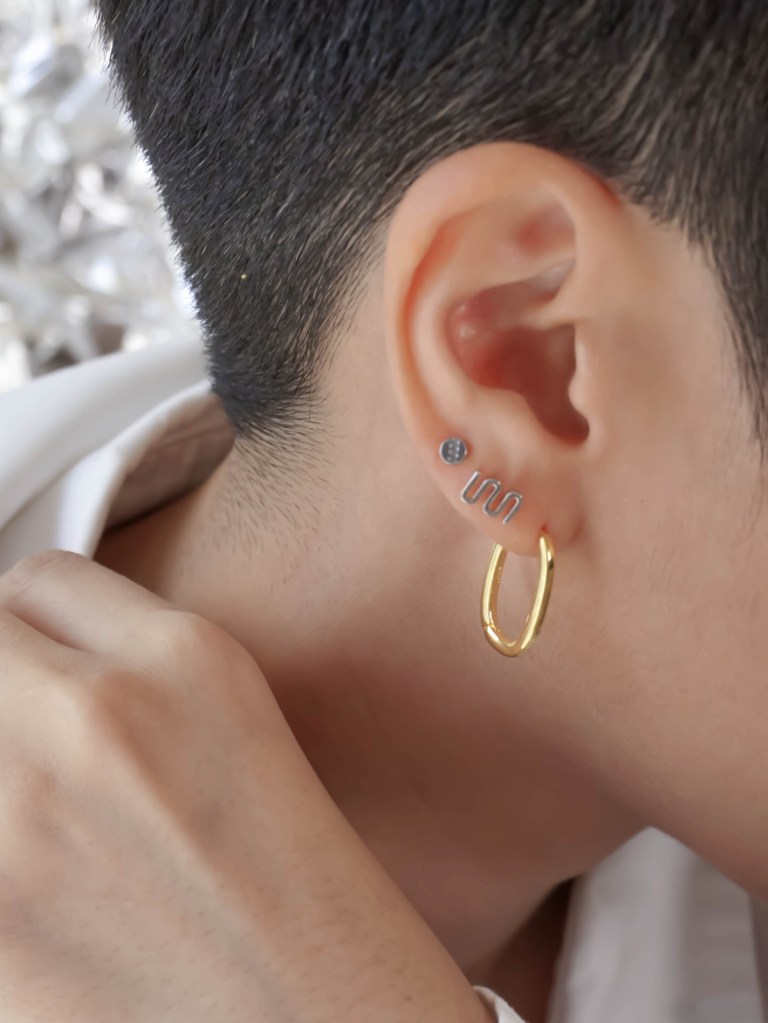
“The majority of our designs also come in sturdy, classic forms that are more timeless. We also provide a complimentary repair service for our pieces, as we encourage our customers to repair products rather than re-purchase an entirely new piece. Gennuu also offers customers to purchase most of its designs as singular pieces, should they need to replace or mix and match their pairs.

“As we are still a small and growing company, we are taking baby steps towards creating a more sustainable future — but this is definitely in the works. We have been researching how to give back and reduce our carbon footprint as well.”

Designer and founder of Gennuu, Chantelle Huan

Gennuu pieces are produced in South Korea with input from a team in Vietnam. Chantelle chose this option after months of research and testing, looking for producers that met her standards for detailing and quality.

“This meant having to improve my level of Korean – I am taking higher level classes at the moment – in order to better communicate with them. Albeit a little more difficult, the decision to work with them has been a fruitful one,” she explains.

“The brand is also currently looking to work with smaller independent gold and silversmiths, in hopes of supporting small businesses and independent artistes. It’s a tough journey in any design industry, hence we hope that co-supporting each other can help achieve our visions.”

THE FUTURE IS GOLDEN

Chantelle says that her future goals for Gennuu include increasing brand awareness and introducing more people to its unique concept.

“In the long run, I hope for Gennuu to be a brand that is reliable, both in terms of style and quality — a brand that people can look to when wanting to purchase jewellery that encompass all aspects of function, great design and good quality,” she says. 

“Gennuu is a brand that aims for its designs to be inclusive and non-conforming, and we respect and encourage self-expression and individualism, which serves back as inspiration for our brand and designs. As our motto goes: ‘You are the U in Gennuu, and we want Gennuu to be a brand that is made for you’.”
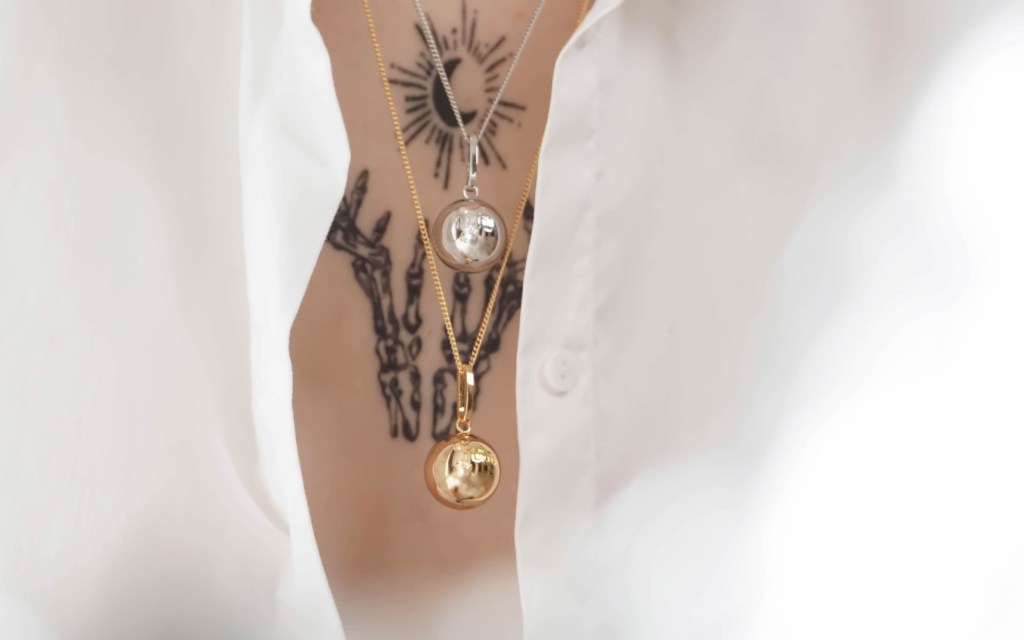
The streamlined design of Gennuu lends itself to being worn by everyone — male, female and non-gendered or gender diverse. The neat shapes of the core pieces like the O Earring, the Nnuu Stud, the Nu Bar Stud and the Luna Necklace can be worn by everyone. All of the pieces are available in either silver or gold. Likewise, the slightly larger earrings like the U Earring and the Chain Earring, can also be worn by everyone, depending on your personal style.

Chantelle has also created a flexible format for shopping and wearing Gennuu pieces: “We provide an option for you to purchase singular pieces in a complimentary palette of gold and silver, allowing you to mix and match, and so you don’t repeat what you already have. We also offer the option of purchasing pairs in a mix of both gold and silver.”

“Our pieces come in forms that are neutral and reliable — simply match our earrings with your favourite pair of everyday studs, or stack our long form pieces across all your piercings.”

Shop Gennuu jewellery online at www.gennuu.com. You can also follow the brand on Instagram at @gennuu_official and on TikTok at @gennuu_official.

Wear your Vaccination status proudly with the Depression ‘Freedom Capsule’

My favourite fashion brand, Singapore-based label Depression, has launched a very timely capsule collection that will allow you to proudly shout out your Coronavirus vaccination status. 

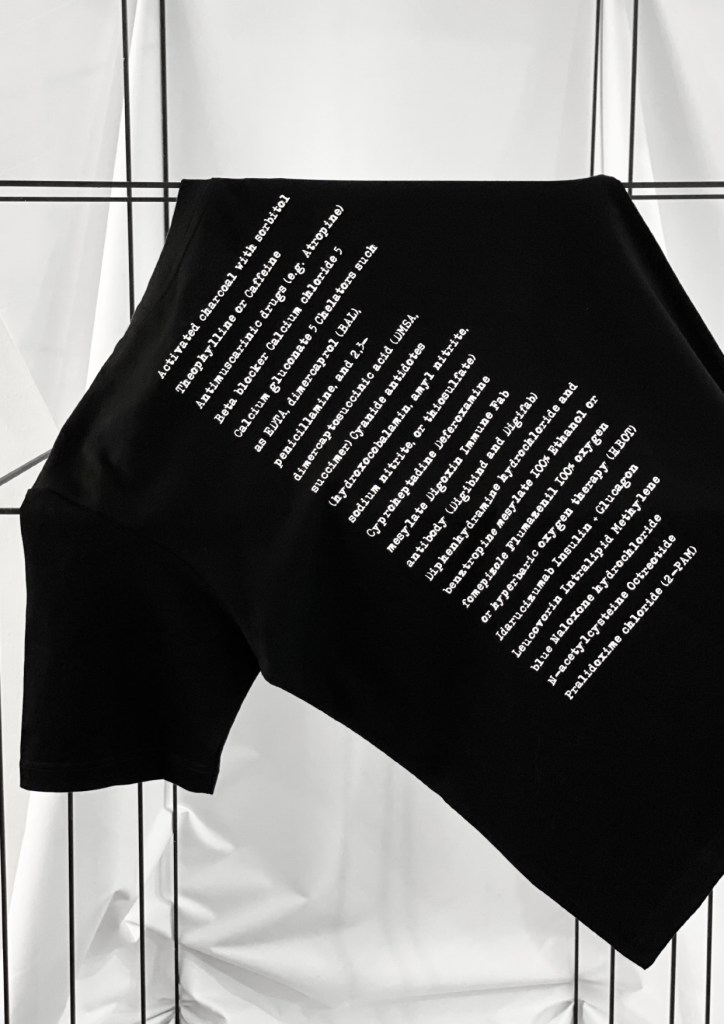
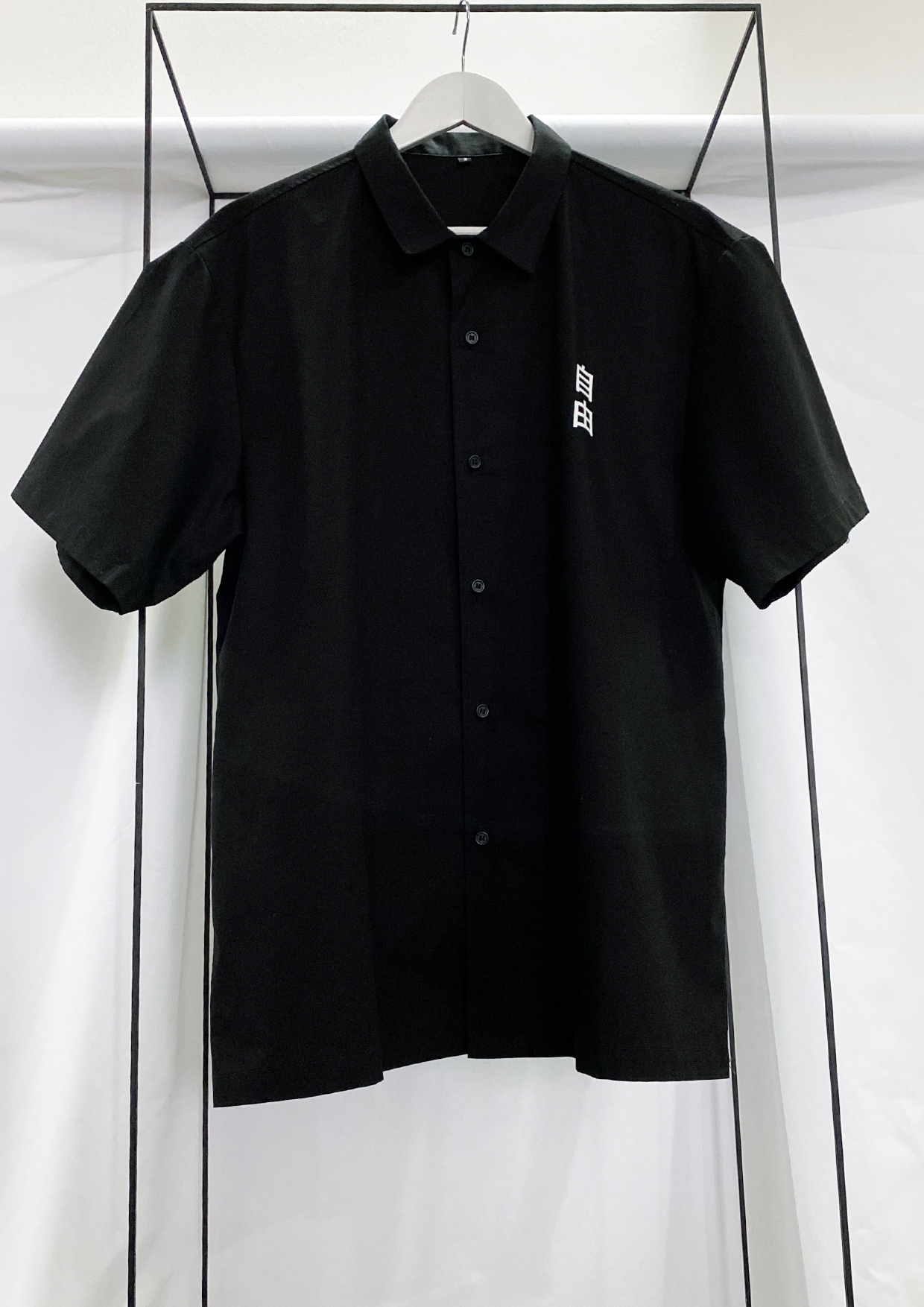
The ‘Freedom Capsule’ collection is a series of three limited edition graphic tees inspired by surviving lockdowns, lockouts and the designers’ hopes for a better tomorrow. 

The Antidote tee comes in regular or oversized styles, the Vaccinated tee requires you to actually prove your vaccination status before you can buy it, and the Freedom shirt is a symbol of the hopes of a post-pandemic world. 

All pieces are available from Sects Shop, Orchard Gateway #04-14, or online at www.shopdepression.com and www.sectsshop.com.

Why I love Dr Martens’ newest collections, the Quad Neoteric and the Tarian

I’ve always loved Docs. I bought my first pair when I was still in high school – a long, long time ago – and I still have them more than 20 years later. I have Docs studded with Swarovski crystals; I have wedge platform Doc ankle boots; I have Doc sandals; I have bi-coloured brogues; I have mary-janes … I have lots of pairs of Dr Marten shoes, but I’d still really, really like to have a couple of pairs of the brand’s newest collections. 

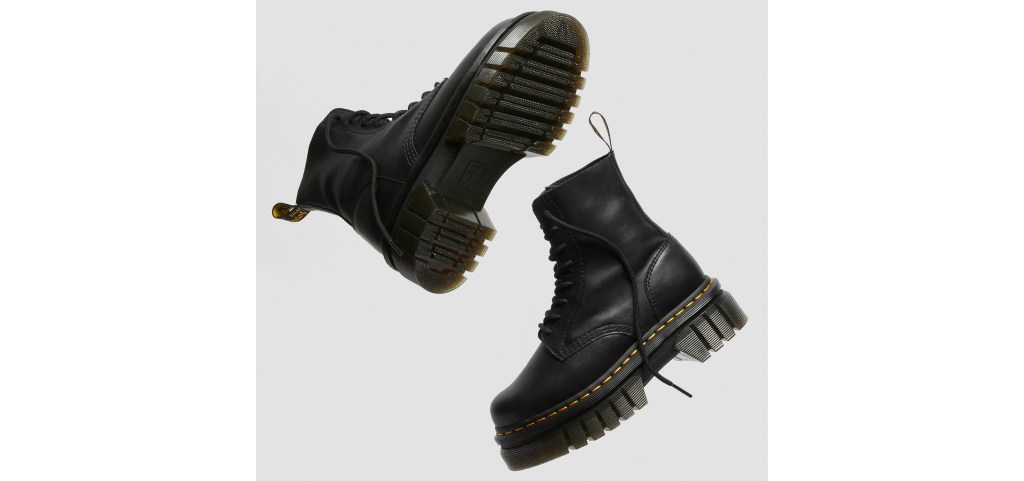
The Quad Neoteric collection combines the historic brand’s heritage features including a sole that’s mutated into a fabulously thick platform. It looks like the classic ‘Airwair Bouncing’ sole, but is actually a lightweight two-part innovation with a built-in SoftWair insole for added comfort. 

The collection comes in Nappa Lux leather, with the Doc Marten signature yellow welt stitching, heel loops and recognisable tread. The collection includes the Audrick 8-eye boot, Audrick Chelsea and the Audrick 3-eye shoe styles. 

The Tarian collection is a new addition to Dr Martens’ casual range, with an upper that’s more like a hiking boot combined with the brand’s classic sole that comes with a SoftWair insole. 

The Tarik boot is part of the Tract line from the brand, and has yellow welt stitching and the AirWair heel loop. The boots come in both nylon and leather options – black Wyoming leather and either black or gunmetal Extra Tough 50/50 nylon. 

Both the Quad Neoteric and Tarian collections will be available in Australia by September 30, at www.drmartens.com.au

Sustainable, ethical and pretty: 3 new boho brands to buy

Well, it looks like my focus is becoming almost exclusively about sustainable and ethical fashion brands. As I have ranted before, however, the definition of a brand shouldn’t really have to include these tags – all fashion brands should be sustainably and ethically produced just on principle. Sustainability shouldn’t have to be a definition; it should just be an automatic part of any fashion brand’s production. 

That’s the dream, right? So, until sustainable and ethical production becomes the norm, I still feel the need to highlight the emerging fashion brands that ARE doing something about it. 

One stop for sustainable fashion, accessories & beauty

Here are three relatively new brands I discovered after reaching out to Susannah Jaffer, the founder of Asia-based online fashion store Zerrin

The Zerrin concept is an interesting one, especially in this age of too much stuff, available too easily. The online store offers a list of brands that are “tried, tested and vetted” before being added to the inventory of clothing, accessories and skincare products for sale.

Apart from the retail component, the site is also focused on spreading awareness about sustainable and ethical fashion and accessory brands. 

“We want to make sustainable fashion uncomplicated and be your guide to building a more mindful, meaningful wardrobe,” states a line on the website. 

To do this, the site offers more than just shopping, but also handy information like guides to understanding the different aspects of sustainable production, including interviews with industry insiders and breakdowns of various terms to make understanding buying sustainable fashion more accessible.  

Zerrin also has a growing directory of smaller and emerging fashion brands – particularly from around Asia – that have sustainable and ethical credentials, describing them as #BetterBrands, that can help you source your fashion buys.

The #BetterBrand mark is based on a comprehensive rating system designed by the Zerrin team that takes into account a brand’s performance based on five key factors – “people, planet, product, packaging and principles”.

Three new brands to look out for …

WHISPERS & ANARCHY 

With an aesthetic that fits into the currently hot #cottagecore trend, Whispers & Anarchy has a mixed origin – born in Spain, designed in Singapore, and made in Bali. Based around the Slow Fashion Movement of limited handmade production and natural fabrics, there is also consideration for those of us on a budget with lower prices than comparable products. 

The garments are made in Bali, which despite being one of the more expensive places to manufacture in Asia, does have a strong sustainability focus. The brand uses a family workshop that provides living wages, safe conditions and complies with internationally accepted working hours.

Natural fibres like BCI certified cotton and rayon voile made from wood pulp and other agricultural products, are used to make the clothes, and they are handmade and hand-dyed on site with non-toxic dyes. The cuts are such as to create as little wasted fabric as possible, and the trims and labels are locally sourced to reduce the carbon footprint. The brand also has a ‘made to measure’ service, and only uses biodegradable packaging. 

If that’s not enough, Whispers & Anarchy also have a tree planted for every one of their compostable mailer orders in collaboration with the non-profit organisation One Tree Planted.

Shop Whispers & Anarchy online at shop.zerrin.com/collections/whispers-anarchy

HIDE THE LABEL 

Based in London, Hide was launched by siblings Shereen and Ryan Barrett, with the goal to produce “effortless silhouettes that fit well, last longer and can be worn by every woman, every season for every occasion”.

Another brand that comes with a bit of a #cottagecore vibe, Hide features strong prints and classic, soft feminine cuts. The draped and floaty effect comes from the use of recycled polyester fabric made of post-consumer waste which is woven in the Global Recycle Standard (GRS) Certified fabrics.

Using recycled polyester fabrics not only keeps plastic waste out of landfills, but also reduces water use in production and has a lower carbon footprint. Hide also uses viscose fabrics which are semi-synthetic plant based materials made of wood pulp from regenerative trees. The prints are created using a system that doesn’t create water waste or surplus ink.

Like many sustainable brands, Hide uses recycled paper and bio-compostable materials for its shipping and packaging too.

The brand will be available on Zerrin at the end of August, launching with its new collection made with ECONYL, which is a nylon fabric made from recycled synthetic waste like industrial plastic, waste fabric and ocean fishing nets.

Shop Hide online at hidethelabel.com, or at Zerrin for the new collection.

STEP OF GRACE

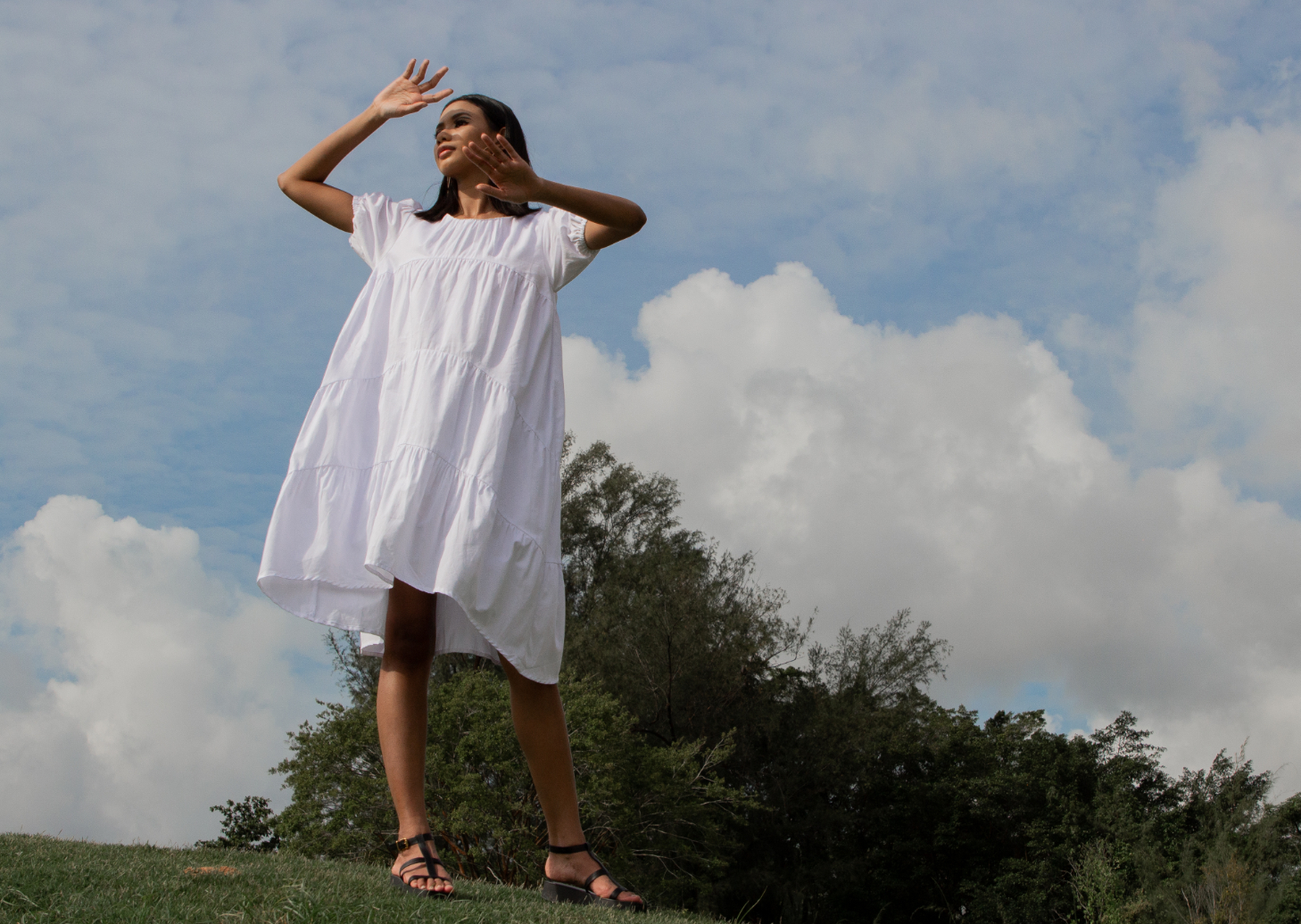
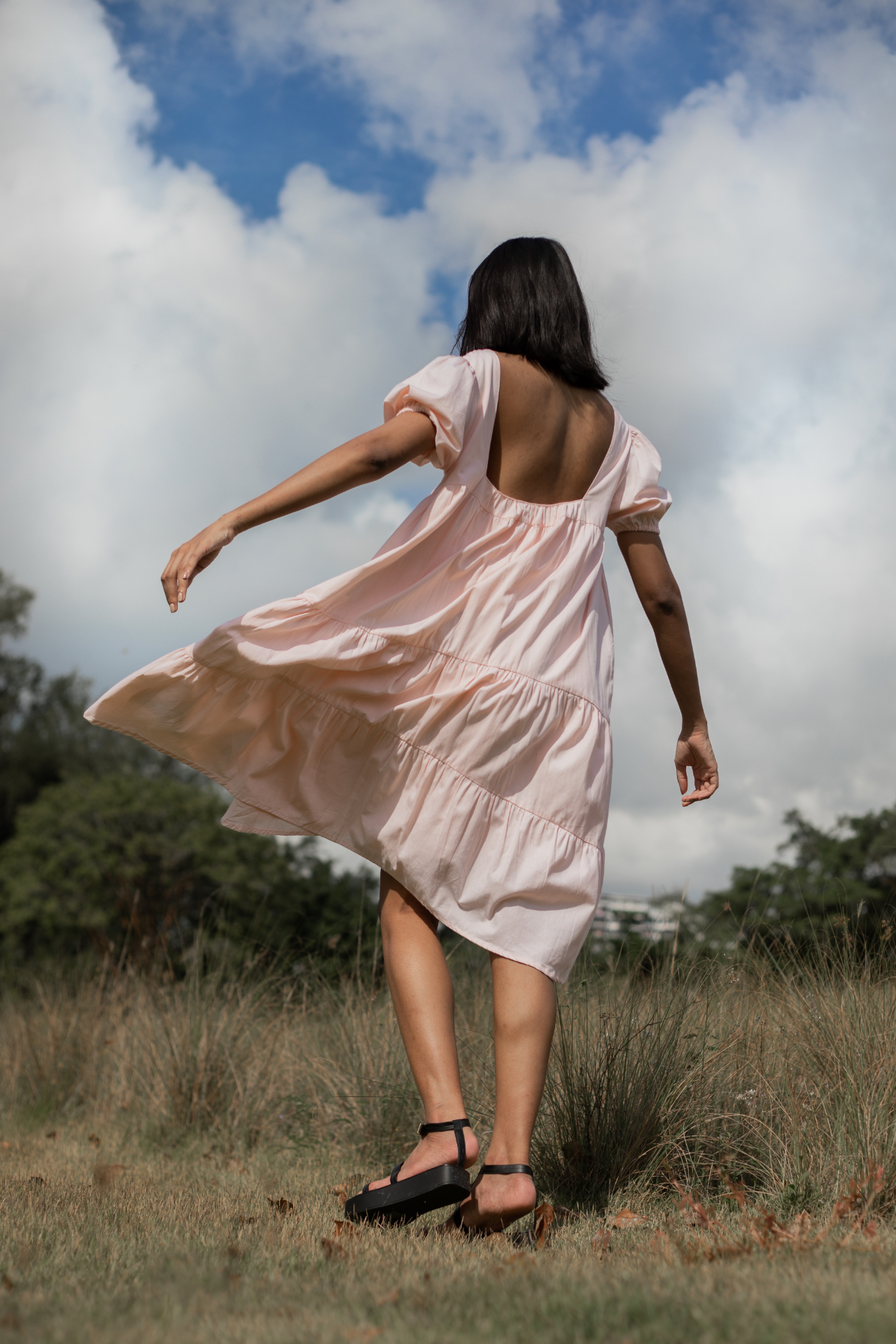
An Indonesian brand based in Jakarta, Step of Grace creates garments from natural fibres, mostly 100% pure linen, GOTS certified cotton and bamboo fibres, as well as from recycled fabrics like rayon and tencel. Many of the garments are undyed and those that are use non-toxic natural dyes. 

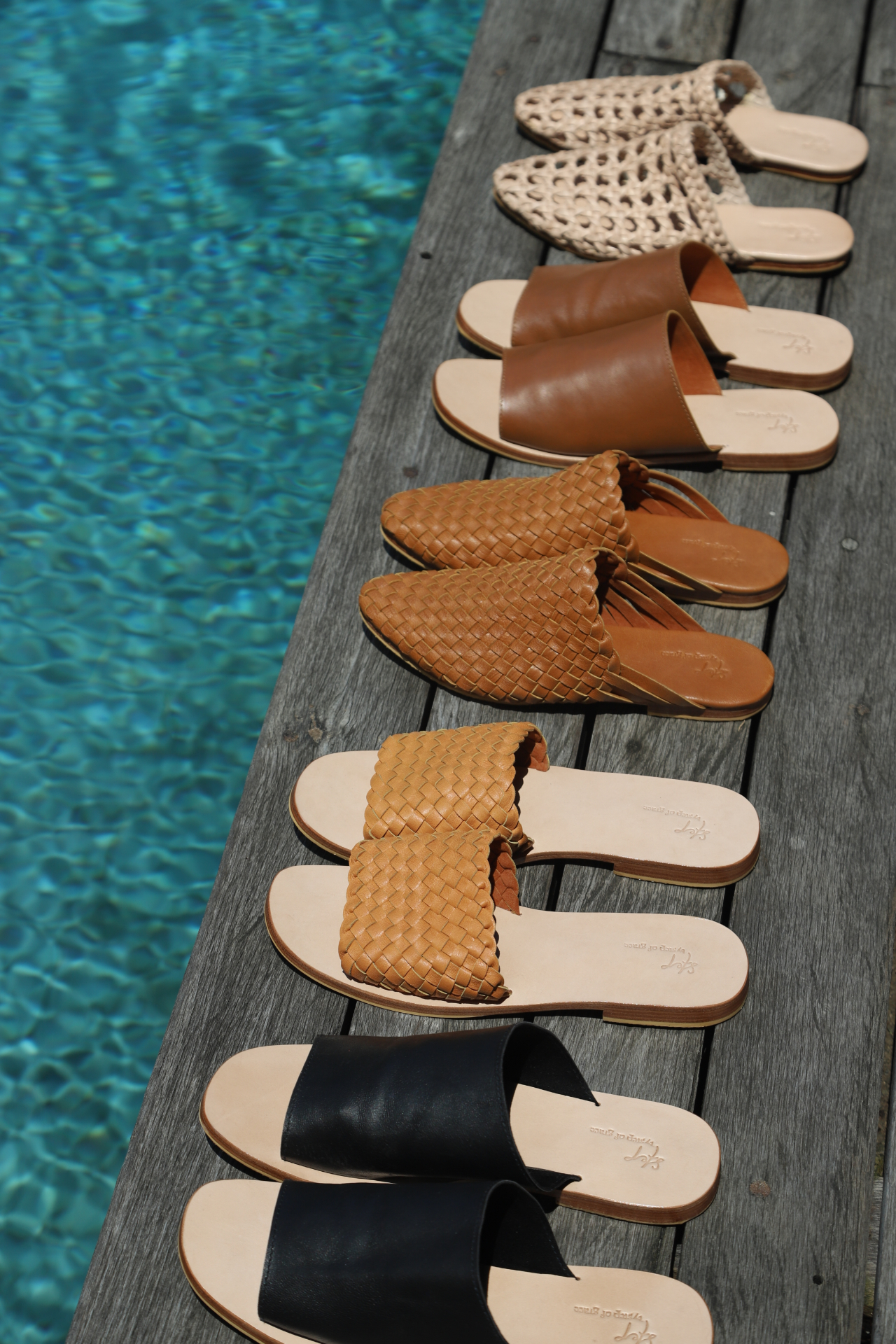
The brand also offers cool slip-on handmade leather slides and slip-on shoes that are made in Jakarta by small scale Javanese artisans using traditional skills passed down the generations in family businesses.

Step of Grace has a very laid-back, boho vibe with loose cuts and light neutral colours. The pieces have a hippy minimalist feel with simple, unadorned shapes like loose tees, baggy shorts, soft wide-leg pants and voluminous wrap tops. This is very much a brand of separates; perfect for throwing on in super hot weather. 

Step of Grace will be launching on Zerrin at the end of August 2020, but you can also shop it on their own website. The brand also plants a tree for every product sold.

Shop Step of Grace online at stepofgrace.com 

To buy more stylish and sustainable fashion, accessories and even beauty products, go to shop.zerrin.com

3 eco-friendly Indonesian fashion brands to discover

I have always loved discovering new fashion brands, particularly those from Asian countries. I feel that there is a wealth of cultural and creative nuances that Asian designers bring to the global fashion market. 

In the current age of global lockdown, it is worth taking your time to reach out and discover new brands and new ways of wearing fashion from around the world. After all, online shopping is still going strong, even if it may take a little longer to get your hands on the goods.

Toton

Toton Januar was born in Makassar and raised by his seamstress mother, developing a taste for the more artisanal aspect of fashion construction. After moving to Jakarta, the designer worked as a model, and a designer, and eventually studied fashion at Parsons New School of Design in New York.

The brand was launched in 2012 in collaboration with another top Indonesian designer Haryo Balitar. Toton’s concept is about “a retelling of Indonesia’s inherent stories”, and focuses on traditional textile practices mixed with an avant garde sensibility, think deconstructed fabrications and non-gendered cuts and shapes. 

Toton, the designer, uses ceremonial and folk cultural clothing shapes mixed with more menswear-inspired cuts and patterns to create a ready-to-wear collection that is an inspired mix of wabi-sabi, and boho chic.

This season the collection has a deep, earthy feel to it, with feature embroidery echoing leaf litter on a jungle floor. The more deconstructed concepts are kept to a minimum with many more wearable separates than in previous collections. Tones of khaki, dirt green, and soft brown is leavened with lots of white making this a very wearable outing from the designer.

Shop Toton online at www.masarishop.com/brands/toton

Soe Jakarta

Designer Monique Soeriaatmadja is a powerhouse of a designer with a number of labels and a growing family. Soe Jakarta was created to celebrate Indonesia’s traditional handwoven textiles by combining them into sharp, modern womenswear. The textiles are a collaboration between the designer and traditional artisans located all over the archipelago.

While Soe Jakarta is a ready-to-wear label, there is a component of bespoke production, which makes this a label designed more for unique clothing that you may have to pre-order, rather than trend based fast fashion. Soe Jakarta is a great example of celebrating traditional textile practices while also being more sustainable, and definitely offering something for the ethical consumer.

Soe Jakarta produces small collections and in small quantities. The current collection is rather abstract with simple shapes embellished with drapery or bodices of the handmade fabrics. There is a mix of menswear inspired jackets, but the overall feel is that of the ‘Mori Girl’ – country, comfortable, natural.

Shop Soe Jakarta online at www.soejakarta.com/shop

Purana

Founded in 2008, Purana is the OG of independent Indonesian fashion brands. Designer Nonita grew up in a traditional Javanese family that owned a traditional batik workshop, which eventually led her to first working in fashion media, before launching her brand. 

The name means ‘old scripture’ in Sanskrit, and has always had an ethical and cultural component. The designer worked with traditional artisans from the launch of the brand with the aim of creating fabrics that fuse batik, hand-weaving, and tie-dying with geometric patterns and more wearable modern cuts and designs.

The bulk of the garments are designed to be ‘free size’, which is not really one-size-fits-all, but more about loose-cut, relaxed clothing. Multi-function, and multi-styleable designs have been used to ensure a wider range of body types can be fitted.

Purana is a brand for lovers of colour, print and comfort. This is the perfect label for summer, with its loose fits and cool fabrics. The current collection features lucious batik prints in soft blues and greens on eco-friendly fabrics. 

Shop Purana online at puranaindonesia.com/collections

So, those are three Indonesian fashion brands I’ve been watching for a while. Which one is your favourite? 


Why you need to shop consciously, and where to do it

Gone are the days when the only things you cared about when shopping were either the price or how on-trend something was. Now, with changes not only to the environment, but also towards how we want to be perceived in the world, people are thinking more consciously about how, and on what, they spend their money.

For many of us, buying a fun new dress or tee for under $30 is a no-brainer; we see, we like, we buy. However, for a lot of other Singaporeans it has now become more important to know exactly what it is they’re adding to their wardrobes, their homes or using on their skin.

“I like to shop consciously because I feel like I have more of an emotional connection with my purchases,” says Susannah Jaffer, the owner of Zerrin, a Singapore based curated online store that features brands with “meaningful stories” and great design. “I think as women, caring more about the things we buy and valuing them in a new way is the first step towards shopping more sustainably – and ultimately buying less but better.”

For Tim O’Hanlon, a writer who previously worked for Lonely Planet, shopping consciously is about choosing the right brands. “My version of shopping consciously is picking brands I know have a reputation for quality and are long-lasting over fast fashion,” he says.

“This is because – I at least have the impression that – they treat their manufacturing staff better and are more conscious of their impact, plus as they pander less to quick trends they produce less and don’t encourage a throw-away lifestyle in their customers. Finally, as the items are of vastly better quality I can wear/use them for a long time so it lowers my own impact.”

This article was first published on Yahoo Lifestyle Singapore. Read the full story HERE.

Microfactories, digital printing, downloadable patterns … Our dystopian future?

When I was recently sent links to the newly launched Pattern Room – an online, downloadable pattern provider – and the new Microfactory from Gerber – a set-up that can design, print the fabric, cut and sew a garment all at once in a small space – I have to say I wasn’t sure I should be excited or dismayed.

Having just spent the last couple of months working on a sustainability project with RMIT and Inditex (Zara) to try to find a way to make their shoe production less wasteful, and also having been struck by a recent story asking the question as to whether or not we actually NEED more sustainable fashion brands, I can’t decide if this new technological development is a boon or bane for the fashion industry. 

Yes, these new technologies make it easier for small brands to produce products locally without the issues of carbon footprint, large factory ethical or environmental issues, but do we really NEED more products? 

There are so many clothes already in the world, most of them ending up in landfill after having been produced in an environmentally damaging way. 

Even if the clothes HAVE been produced in a somewhat more sustainable fashion, we just don’t need more of them. 

This is really the core issue of what needs to be thought about regarding fashion and sustainability; we already have too many clothes, so do we need the ability to make millions more, more quickly, and less considered than is already the case?

Less volume, more quality …
From a more personal perspective, what concerns me about the production from the Microfactory and the use of Pattern Room, is the lack of quality in design. 

Yes, the digital printing they use is dry – no water – and apparently the inks are non toxic – but this is digital printing. It is single surface and will eventually fade. This produces fabrics that do not have the beauty and long-lasting nature of traditional wovens like brocade etc. 

The use of a pattern bank and a machine to laser-cut flats removes the possibility of creative new designs and the traditional talent of the pattern-cutter; it creates a see of same-same clothing. 

I see a future of people wearing ugly-ass same-same silhouette tees and leggings in increasingly nastily coloured disposable synthetic fabric. The world will look like an EDM concert. 

The rich will wear increasingly expensive couture made by hand with ‘real’ fabrics, and the poor will wear nasty digitally printed disposables. A nightmare come true. 

Convince me …
I would prefer to see fewer clothes of better quality being made. If these technological breakthroughs can be directed to allow people to produce fewer, but better made and more sustainable items at home, or in a community microfactory for example, then I can see the advantages. 

However, did Inditex’s streamlined production system produce better clothes for everyone? No. Human nature ie. greed, saw it produce too many crap clothes for everyone. 

I would prefer to just teach everyone to sew.

This article was first published for the iFab newsletter.


Quality or sustainability … which is more important?

fashion criticism sustainable fashion quality fashion

As part of my current Masters of Fashion [Entrepreneurship] course I had to produce a blog – yes, I know, it’s basically my job :).

But there were some issues and think pieces that I think are worth sharing … this is the first one:

Quality or sustainability … which is more important?

Those of us working in the fashion industry system are supposed to be aware that ours is not currently a sustainable enterprise.

fashion criticism sustainable fashion quality fashion
Sewing is hard: I’ve had some experience learning to sew. Sewing is not too difficult if you know what you’re doing, but it is time consuming and fiddly. Most people who wear clothes have no idea what it takes to actually make them; whether to the costs to the environment or the costs to lives and livelihoods, just buying a t-shirt could become an ethical dilemma. Image: Niki Bruce

The general clothes-buying public, however, have probably no idea that their $5 t-shirts are harming not only the environment but that we might just end up eating the microfibres are clothes are made of (Bauck 2017).

Sustainability …
In a pointed post entitled ‘How many gallons of water does it take to make a single pair of jeans?’, influential fashion website The Fashion Law points out that just about everything we wear is somehow damaging our planet and therefore, the future of the fashion system (The Fashion Law 2018).

Until very recently I didn’t give much thought to the environmental impact of my love of shopping. I did rail against the rise of blogshops and fast fashion outlets, but that was more in support of independent designers being ripped off by multinational brands, than concern over the environment, or the sustainability of the fashion system as it now operates.

Quality …
Quality, I believe, is something that’s worth paying more for; you’re paying for the art and skills of a young designer who has put everything into creating something special for you to wear. Quality also equals unique or luxurious materials, handcrafted work, and a sense that the item will last forever. And, more often than not, quality fashion costs more.

Quality versus sustainability …
Are quality and sustainability the same thing? If we only buy quality items, are we being more sustainable? Or are quality items affecting sustainability? Should we just not buy anything? But then who will employ the millions of women in developing nations who currently work in the industry?

No clear conclusion …
Personally I find that I cannot come to a clear conclusion on this issue at this time. It is complicated, ongoing and there are more questions than answers.

I have decided, however, to give shopping a break and join the #shopyourwardrobe movement until I can come to a conclusion.

Note: As the issue of sustainability and ethics in fashion continues to be discussed, major fashion designers and emerging brands are offering a variety of thoughts and options that take the issues of quality and sustainability into account, and which are being picked up by mass media.

The stories below make for some interesting reading:
Derek Lam believes sustainability is the future of fashion
Is the use of feathers in fashion any more ethical than fur?
The huge impact of donated bras

Why Love Bonito isn’t a fashion brand, and why that’s not a bad thing … also something about the Singapore fashion plagiarism controversy

For a long time I’ve had an issue with Singapore media describing certain companies that make clothes as ‘fashion brands’ but which are actually ‘retail’ labels. These brands – Love, Bonito is one of them – are not really ‘fashion brands’; they are companies that make nice clothes, at reasonable prices, with a bit of personal style, for people to wear on a daily basis. These brands are more similar to Topshop and Uniqlo than they are to Dior or Chanel, or even Vetements.

In Singapore there are number of quite successful retail brands that have been making their way into popular shopping memories, but which are not fashion brands per se. Brands like Love, Bonito, By Invite Only, Beyond the Vines and Benjamin Barker, were recently featured at the Singapore Fashion Awards 2017, as part of the ‘marketing’ section, not as part of the design awards. And having been a founding judge for the awards, I know that the reason these brands are featured is because they are popular and much more retail-friendly than many less wearable or conceptual designer brands. Designer brands that are more appropriate to be considered as ‘fashion’ labels.

Now, don’t get me wrong. I’m not saying that more retail-friendly brands are worse than the more fashion-forward labels. What I’m trying to highlight is that these types of clothing companies are not ‘oranges and apples’, they’re more ‘oranges and coffee-smoked buffalo tongue’. The first is something that doesn’t scare the shopper, the second is only for the very adventurous.

I have a great deal of respect for Love, Bonito’s founders. They have created a very lucrative business in a fashion retail environment that’s been under a great deal of pressure for the last 2-3 years. The brand knows exactly who their customer is; they know what she wants; and they know how to give it to her in a seamless online-to-offline experience. The brand has a variety of price points, but retains its core directive from its launch, expanding only as much, and as directionally, as is needed to grow the business. Love, Bonito is not a fashion brand swinging on the weird wind of trends and concepts; it’s sailing along smoothly along in a clear direction. And this is not a bad thing.

_l7a8767-2_5
Image from Love, Bonito Chinese New Year 2018 capsule collection. Model: Jasmine Sim

While I may not consider Love, Bonito to be a hardcore fashion brand – you can read about the Singapore brands I do consider more ‘fashion’ – the founders have never claimed it is one. They are purposefully creating a business that has long term prospects in the retail market.

Unfortunately, there are a number of so-called fashion brands based in Singapore that claim to be something they’re not. The most obvious is the ‘celebrity’ brand Exhibit by Yoyo Cao. It showed at Singapore Fashion Week 2017, and had some obvious problems. There were distinct issues about plagiarism, so bad in fact that cult fashion Instagram account Diet Prada dedicated an entire post to Yoyo Cao’s label’s knock-offs. Considering that Yoyo is a certified fashionista, it really was remarkably naive to think that no one would notice.

There are a few other Singapore brands that are also not exactly pristine when it comes to plagiarism. Whole9Yards has been cited for knocking off first, Self Portrait – the classic coloured lace dresses of its earliest collections – and now Malaysian designer, Jonathan Liang. Pleatation is obviously a copy of Issey Miyake’s Pleats Please label.

For Pleatation, the concept arose at the same time as micro pleated skirts started flooding Zara and Topshop; the brand cleverly linked up with this trend.

JLSS17-24
Image from Jonathan Liang SS17

When Whole9Yards first launched there was not a whole lot to talk about. The design concept was very ‘office lady’. However, after Self Portrait’s iconic lace dresses took off in 2013, Whole9Yards began to specialise in lace dresses the average OL could afford. The lace dress became a staple of its output. And very successful it was too. Although I’ve noticed that the brand has massively increased their prices now that they’re doing items that look like those of Jonathan Liang.

front_3_22
Image from Whole9Yards AW17

Again, I’m not saying that affordable retail options are an entirely bad thing. What I am saying is that making items that so closely echo the creative work of other designers is not fashion; it is copying. It is the lack of original design coupled with riding a wave of commercial popularity that makes it ‘retail’ and NOT fashion. At least as far as I’m concerned.

As I was quoted in this very flattering story by Adele Chan, the Editor-in-Chief of Nylon Singapore … As always, I want to remind readers that this is my personal opinion, and as with anything, you can always have your own.”


Opinion: The best Singapore fashion brands and why …

There is a tendency in small communities to rave about any local brand or designer simply because they ARE local.

While it is important to support local talent, it is just as important to give praise where due, and to not simply celebrate the ‘localness’ for its own sake.

This is what has happened over the last 6 years in the Singapore fashion industry. Local brands with little to no true originality have been patted on the back and given media coverage simply because they exist. It’s like giving all the kids in a race a certificate and no medals for first, second or third.

When you don’t appear to get anything more for standing out from the crowd and being better than others, what’s the point of trying?

Conversely, just because you have a lot of friends in the local media, it shouldn’t mean that your work is placed higher on the tent pole of adulation.

READ: My review of the 2017 Singapore Fashion Week; the good, the bad and the scandals

In Singapore there has been a general creep towards admiration for retail brands that have successful social media accounts, rather than support for labels that do their own thing and focus on creating original work.

Yes, we should be proud of the brands that have continued to be economically viable in the current difficult retail environment – and indeed, they deserve praise simply for surviving. However, retail-successful brands are not going to be cutting edge fashion design in a trend-focused, shopping-driven country like Singapore.

Over the last 9 years in Singapore I have seen so many fashion brands come and go. Some deserved to disappear from our fashion radar, but others succumbed due to the lack of media attention, the lack of fashion education for shoppers – also media-led – and a general oversupply of any, and every, fashion brand in the world. Not to mention, of course, the increasing rise of online shopping.

Out of this complicated mess of being ignored in favour of someone’s friend’s new blogshop sourced from Dongdaemun Market; fighting for sales against global retail giants; and forever being forgotten by the fashion media except for the annual ‘Singapore issue’, there have risen a few fashion and accessories brands worth talking about.

These are my personal picks for Singapore fashion brands that actually work from a creative base of originality; no, they’re not all perfect (no brand is) but they have worked to ensure that they have a brand identity that doesn’t depend on ripping off other brands.

DEPRESSION

best singapore fashion brands DEPRESSION COLLECTION MAIN
Image: Depression

Yes, I admit that I am personal friends with the designers behind Singapore streetwear unisex brand Depression. However, this doesn’t mean I can’t objectively appreciate what Kenny Lim and Andrew Loh have done over the last 10 years. Yes, Depression is 10 years old.

best singapore fashion brands DEPRESSION COLLECTION COUPLE

A brand that began as t-shirts for the impoverished junior industry creatives and hairstylists of Singapore, has grown into a brand that has a distinct DNA, is stocked globally and has shown at Berlin Fashion Week.

best singapore fashion brands DEPRESSION COLLECTION 2

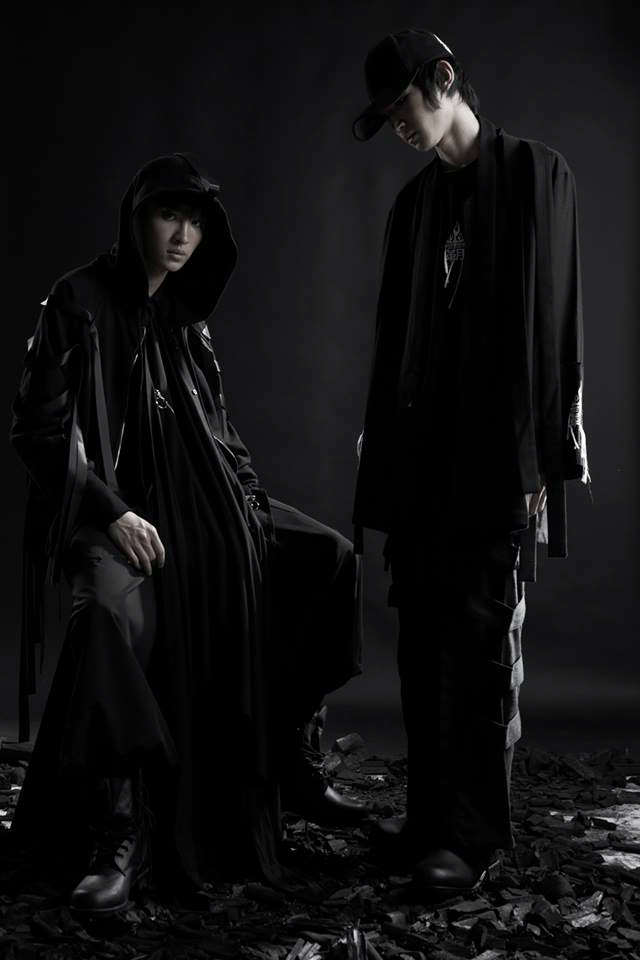
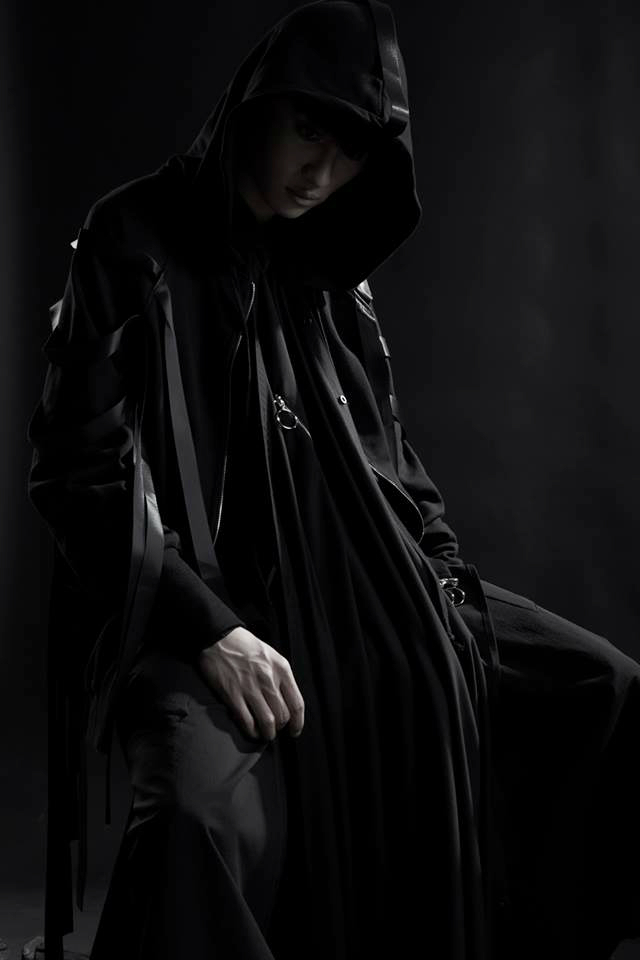
Depression is not a brand for everyone. It’s mostly black, drapey, oversized, punk-influenced streetwear for guys who work in the creative industries and girls who don’t like wearing pink lace dresses. But this doesn’t mean it’s not good.

Depression has a particular point-of-view and a targeted customer. And these are the reasons why it has survived Singapore’s ‘retail apocalypse’.

best singapore fashion brands DEPRESSION COLLECTION 3
Image: Depression

Depression does have some issues. Over the years the brand has had hiccups in fabrication and fitting, but the team of designers tend not to make the same mistakes twice. As the brand owners have branched out into a multilabel store – Sects Shop – and a number of in-house brands, their ‘learnings’ have been incorporated into improving the Depression label.

Despite, or in fact, because of this, Depression is a Singapore fashion brand worth celebrating, whether or not you love an all black wardrobe.

Depression is available from Sects Shop located at Orchard Gateway #04-14, Singapore, and online at www.depression.com.sg.

IN GOOD COMPANY

best singapore fashion brands IN GOOD COMPANY MAIN
Image: In Good Company

Designed and owned by the creative team behind now-defunct original Singapore brand Alldressedup, In Good Company is a tight collaboration between two designers who have their own specialties, and who know exactly who they are designing for. I’ve always said that the team, who worked together for about 10 years, made all their mistakes with someone else’s label, which is why they have grown from strength to strength since the brand launched in 2015.

best singapore fashion brands IN GOOD COMPANY ORANGE DRESS
Image: In Good Company

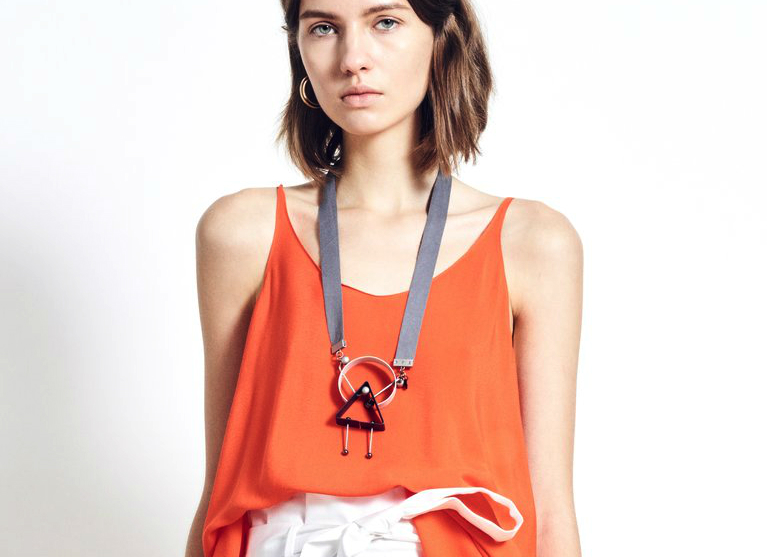
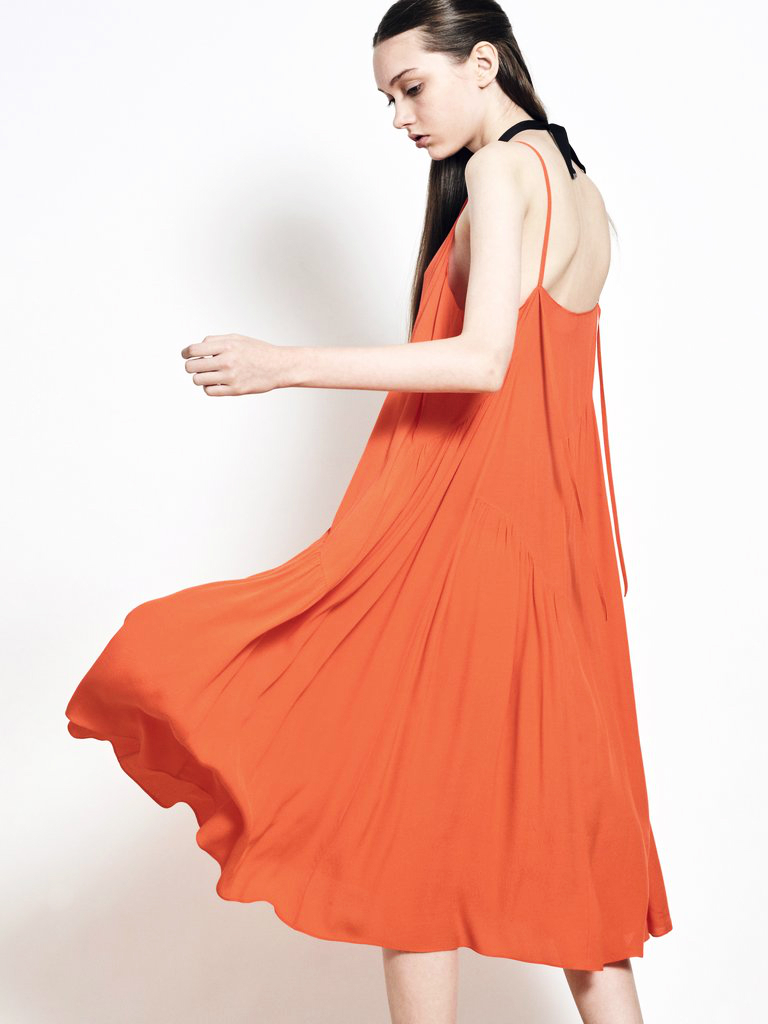
Jaclyn Teo, Sven Tan, Kane Tan – no relation – and Juliene Aw, are the co-founders of In Good Company, which started out with contemporary womenswear designed specifically for Singapore and the Southeast Asian region’s hot weather in a series of capsule collection ‘drops’, and has now expanded into matching ‘mini me’ collections for kids, and menswear. The brand is stocked in a number of stores in Singapore and the surrounding region, including in Jakarta, and has its own ‘tropical minimalist’ flagship store in ION Orchard on Orchard Road.

best singapore fashion brands IN GOOD COMPANY KIDS CLOTHES BOYS
Image: In Good Company

The reason I describe the brand as being ‘tropical minimalist’ is that its aesthetic is a mix of Scandinavian minimalist design (yes, there’s a fair bit of COS in the shapes of the clothes) combined with a love of strong colours, ease of wear and machine-washability; perfect for tropical weather.

best singapore fashion brands IN GOOD COMPANY MENSWEAR
Image: In Good Company

Cuts tend to be on the smaller, Asian side, however the brand launched first as an online store and has a wide range of global customers. The signature very-fine shoulder and back strap details, and unique fabrics like machine-washable silk and cotton ‘neoprene’ means In Good Company remains modern without being trend-driven. Pieces from early collections can just as easily be worn with the latest launches and also fit nicely into ‘arty’ wardrobes that feature a lot of Comme Des Garçons. Yes, there are a few ‘basics’ that have a tendency to look like COS summer collections, but overall, In Good Company retains its own voice.

best singapore fashion brands IN GOOD COMPANY NAVY DRESS
Image: In Good Company

The co-founders knew exactly who they were selling to before they launched the brand, and continue to stick to that very defined demographic despite the brand’s increasing profile as original Singapore design. They’ve been offered opportunities internationally – in countries that are definitely NOT tropical – but have stuck to their guns when it comes to designing for the region, not being beholden to global weather and not sticking to arbitrary fashion seasons.

READ: In Good Company creates uniforms for Andaz Hotel Singapore and opens store in Manila

It’s the combination of sticking to their preferred business model, knowing their customers and always exploring technology to create new, more comfortable fabrics, that has seen In Good Company continue to grow and establish itself as a strong independent Singapore fashion brand. This is not a brand that wants to become a global behemoth, the founders are all about staying true to their personal aesthetic and likewise living a life that allows for family and friends.

In Good Company is located at ION Orchard, 2 Orchard Turn, #B1-06, Singapore. Open daily: 10am – 9:30pm, Tel: +65 6509 4786. You can shop the brand online at www.ingoodcompany.asia, and the store is also home to a cool cafe, Plain Vanilla Bakery.

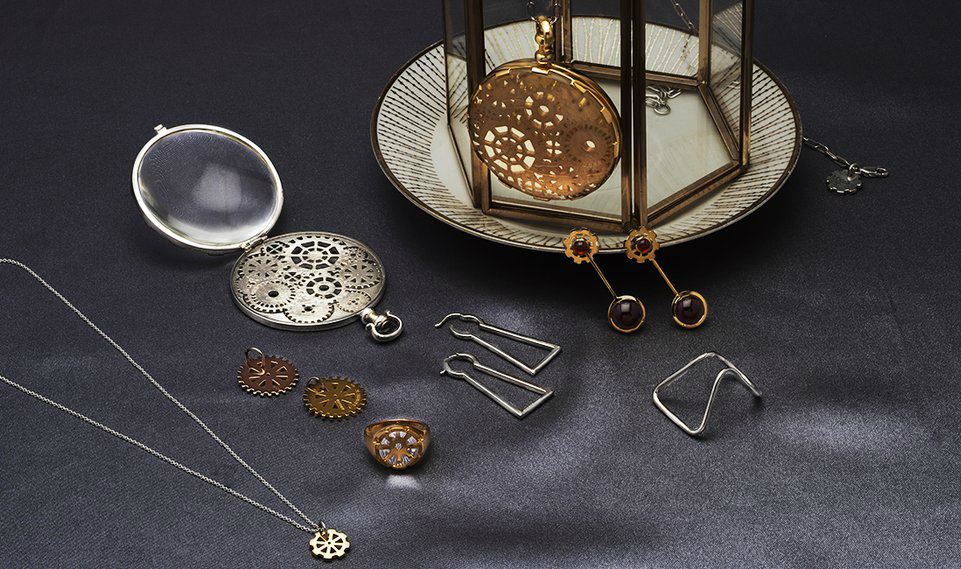
CARRIE K. ARTISAN JEWELLERY

best singapore fashion brands CARRIE K NUTS AND BOLTS JEWELLERY MAIN
Image: Carrie K. Artisan Jewellery

Once again I have to own up to being personal friends with the team behind Carrie K. Artisan Jewellery, but hey, Singapore is a small place.

Carolyn Kan, the founder and designer of the brand is the perfect example of a Singapore creative just doing her thing, being excellent at what she does, and ignoring the shallow, wider world of globally focused trends and social media ra-ra.

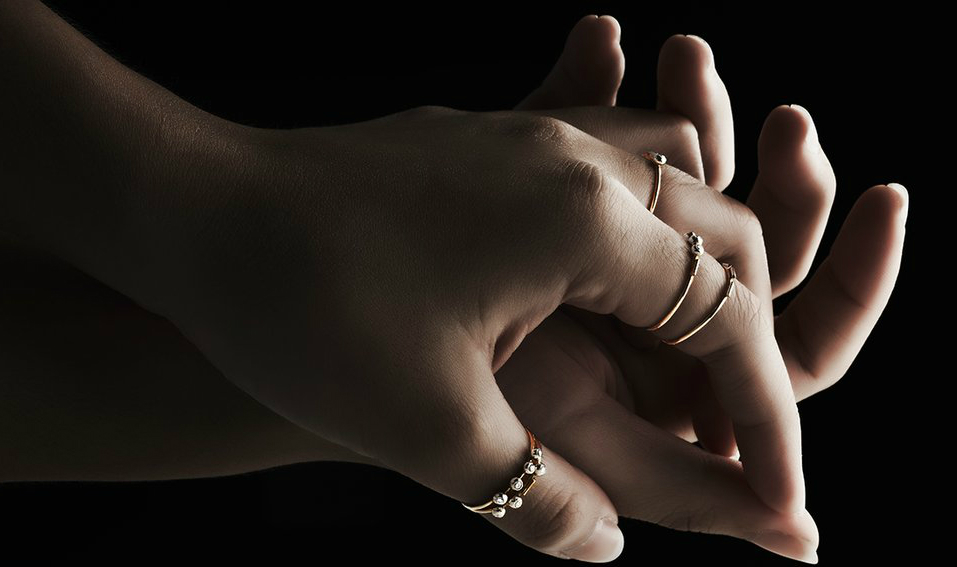
best singapore fashion brands CARRIE K ALICE JEWELLERY
Image: Carrie K. Artisan Jewellery

Carolyn launched the label way back in 2009 as a way to ‘tell stories’ after changing her career. Almost immediately the brand took off as an international jewellery exporter; her quirky designs based on everything from nuts & bolts to paint splatters and morse code, struck a cord with people looking for ‘wearable art’ that was not only affordable but also unique and told a personal story. Carolyn has always done commission work, creating very personal pieces for customers who want something that tells their own story.

best singapore fashion brands CARRIE K MORSE CODE JEWELLERY
Image: Carrie K. Artisan Jewellery

The retail side of the business has grown over the years to encompass pieces in silver for less than a $100, to fine jewellery versions that can go for thousands. Every collection starts from Carolyn’s odd-but-interesting brain and continue to tell fun and unique tales about her world and the fans who have bought into it.

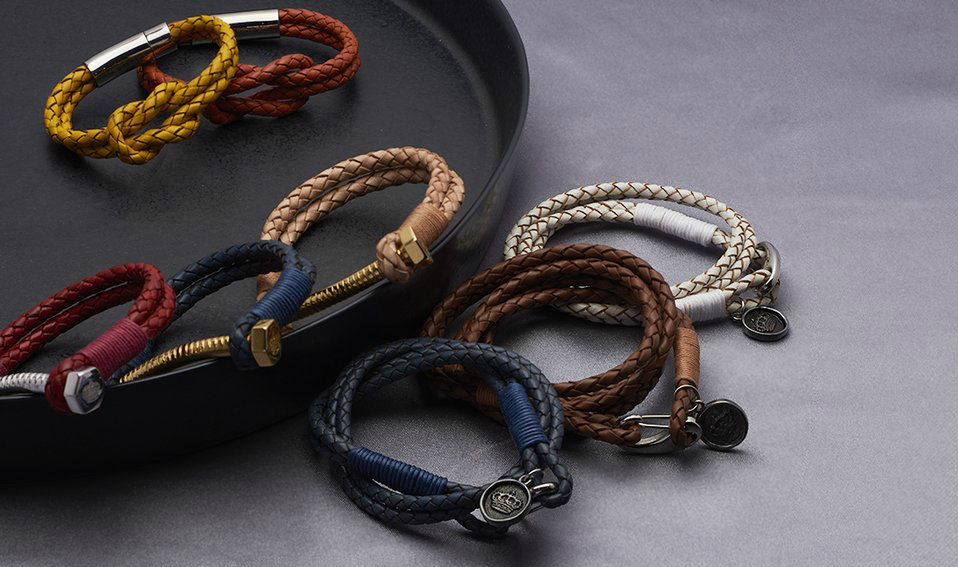
best singapore fashion brands CARRIE K LEATHER BRACELETS JEWELLERY
Image: Carrie K. Artisan Jewellery

On top of all this, Carolyn has been the backbone of the creative design scene in Singapore. Her creation of the Keepers Studio concept from pop-up weekends and stores, to a permanent retail space at Singapore’s National Design Centre, has seen her become the most important person in the national design scene. Without her, there would not be successful Singapore brands – a bold claim but one I’m ready to defend.

The Carrie K. Artisan Jewellery atelier is located at National Design Centre, 111 Middle Road. #02-03 (Annex building along Queen Street), Singapore. Open: Monday to Saturday, 12:00 – 7pm, Tel: +65 6352 2559. You can also shop the brand online at www.carriekrocks.com, and at the Keepers store. For a full list of stockists including international, go to www.carriekrocks.com/stores.

These are my current best Singapore designer fashion and accessories brands. I’ll continue to update and add to the list.