Well, it looks like my focus is becoming almost exclusively about sustainable and ethical fashion brands. As I have ranted before, however, the definition of a brand shouldn’t really have to include these tags – all fashion brands should be sustainably and ethically produced just on principle. Sustainability shouldn’t have to be a definition; it should just be an automatic part of any fashion brand’s production.
That’s the dream, right? So, until sustainable and ethical production becomes the norm, I still feel the need to highlight the emerging fashion brands that ARE doing something about it.
One stop for sustainable fashion, accessories & beauty
Here are three relatively new brands I discovered after reaching out to Susannah Jaffer, the founder of Asia-based online fashion store Zerrin.
The Zerrin concept is an interesting one, especially in this age of too much stuff, available too easily. The online store offers a list of brands that are “tried, tested and vetted” before being added to the inventory of clothing, accessories and skincare products for sale.
Apart from the retail component, the site is also focused on spreading awareness about sustainable and ethical fashion and accessory brands.
“We want to make sustainable fashion uncomplicated and be your guide to building a more mindful, meaningful wardrobe,” states a line on the website.
To do this, the site offers more than just shopping, but also handy information like guides to understanding the different aspects of sustainable production, including interviews with industry insiders and breakdowns of various terms to make understanding buying sustainable fashion more accessible.
Zerrin also has a growing directory of smaller and emerging fashion brands – particularly from around Asia – that have sustainable and ethical credentials, describing them as #BetterBrands, that can help you source your fashion buys.
The #BetterBrand mark is based on a comprehensive rating system designed by the Zerrin team that takes into account a brand’s performance based on five key factors – “people, planet, product, packaging and principles”.
Three new brands to look out for …
WHISPERS & ANARCHY
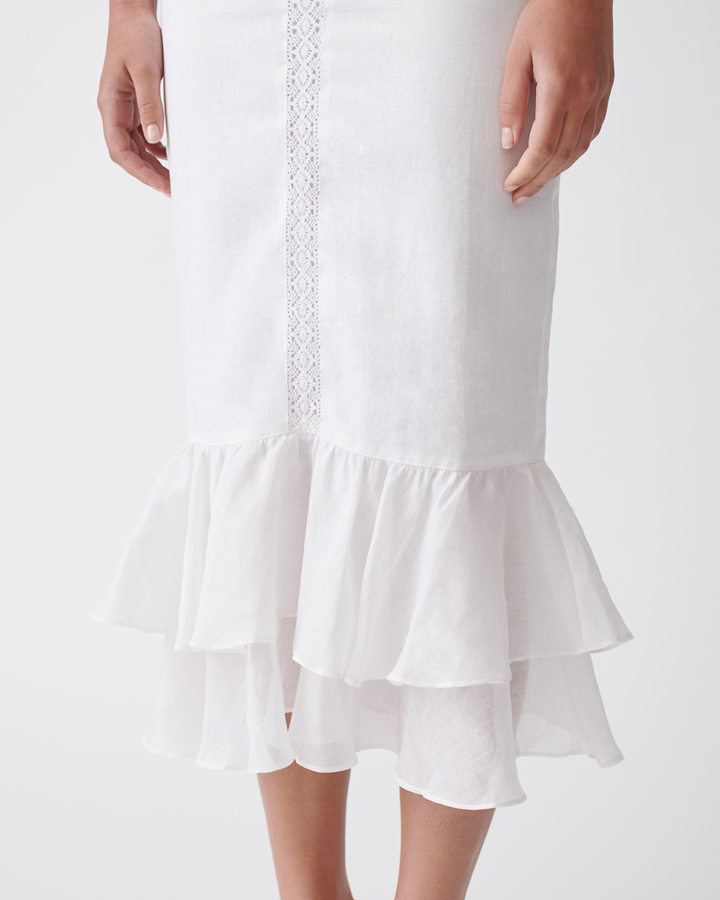
With an aesthetic that fits into the currently hot #cottagecore trend, Whispers & Anarchy has a mixed origin – born in Spain, designed in Singapore, and made in Bali. Based around the Slow Fashion Movement of limited handmade production and natural fabrics, there is also consideration for those of us on a budget with lower prices than comparable products.
The garments are made in Bali, which despite being one of the more expensive places to manufacture in Asia, does have a strong sustainability focus. The brand uses a family workshop that provides living wages, safe conditions and complies with internationally accepted working hours.
Natural fibres like BCI certified cotton and rayon voile made from wood pulp and other agricultural products, are used to make the clothes, and they are handmade and hand-dyed on site with non-toxic dyes. The cuts are such as to create as little wasted fabric as possible, and the trims and labels are locally sourced to reduce the carbon footprint. The brand also has a ‘made to measure’ service, and only uses biodegradable packaging.
If that’s not enough, Whispers & Anarchy also have a tree planted for every one of their compostable mailer orders in collaboration with the non-profit organisation One Tree Planted.
Based in London, Hide was launched by siblings Shereen and Ryan Barrett, with the goal to produce “effortless silhouettes that fit well, last longer and can be worn by every woman, every season for every occasion”.
Another brand that comes with a bit of a #cottagecore vibe, Hide features strong prints and classic, soft feminine cuts. The draped and floaty effect comes from the use of recycled polyester fabric made of post-consumer waste which is woven in the Global Recycle Standard (GRS) Certified fabrics.
Using recycled polyester fabrics not only keeps plastic waste out of landfills, but also reduces water use in production and has a lower carbon footprint. Hide also uses viscose fabrics which are semi-synthetic plant based materials made of wood pulp from regenerative trees. The prints are created using a system that doesn’t create water waste or surplus ink.
Like many sustainable brands, Hide uses recycled paper and bio-compostable materials for its shipping and packaging too.
The brand will be available on Zerrin at the end of August, launching with its new collection made with ECONYL, which is a nylon fabric made from recycled synthetic waste like industrial plastic, waste fabric and ocean fishing nets.
Shop Hide online at hidethelabel.com, or at Zerrin for the new collection.
STEP OF GRACE
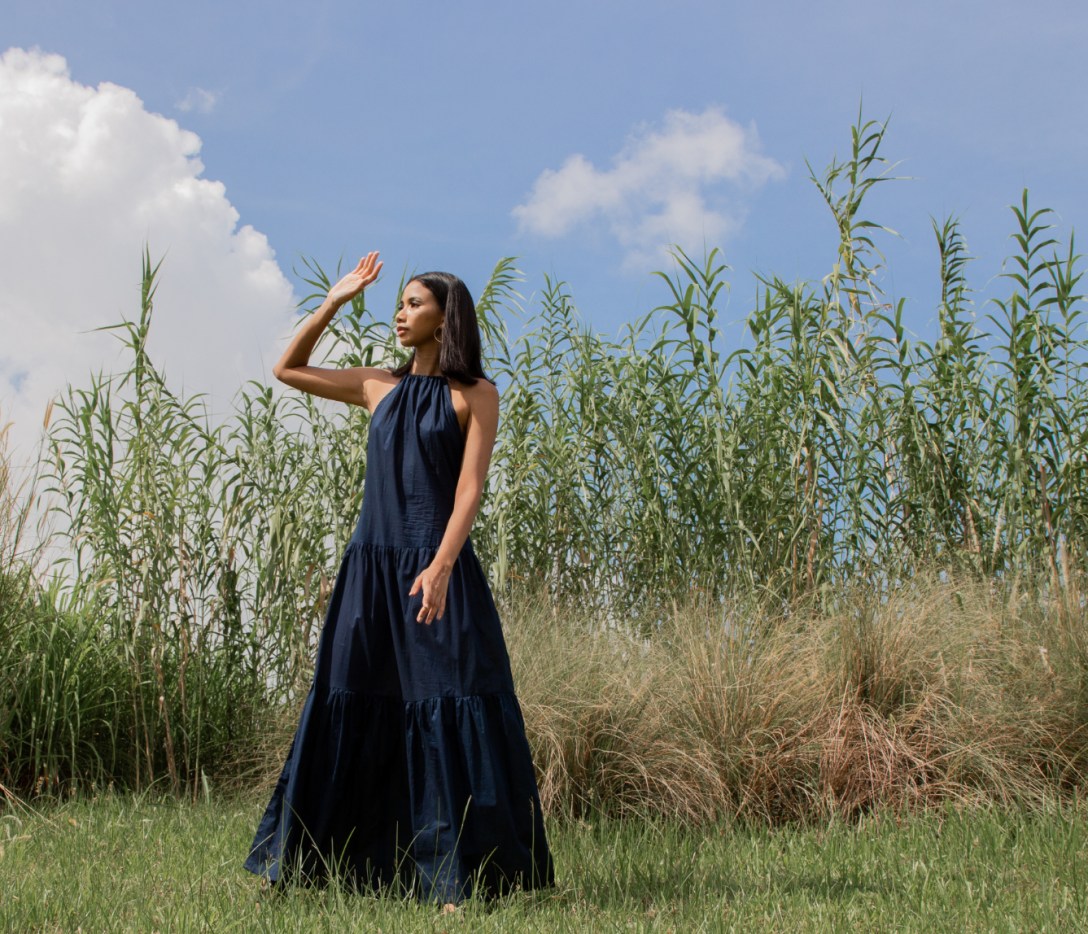
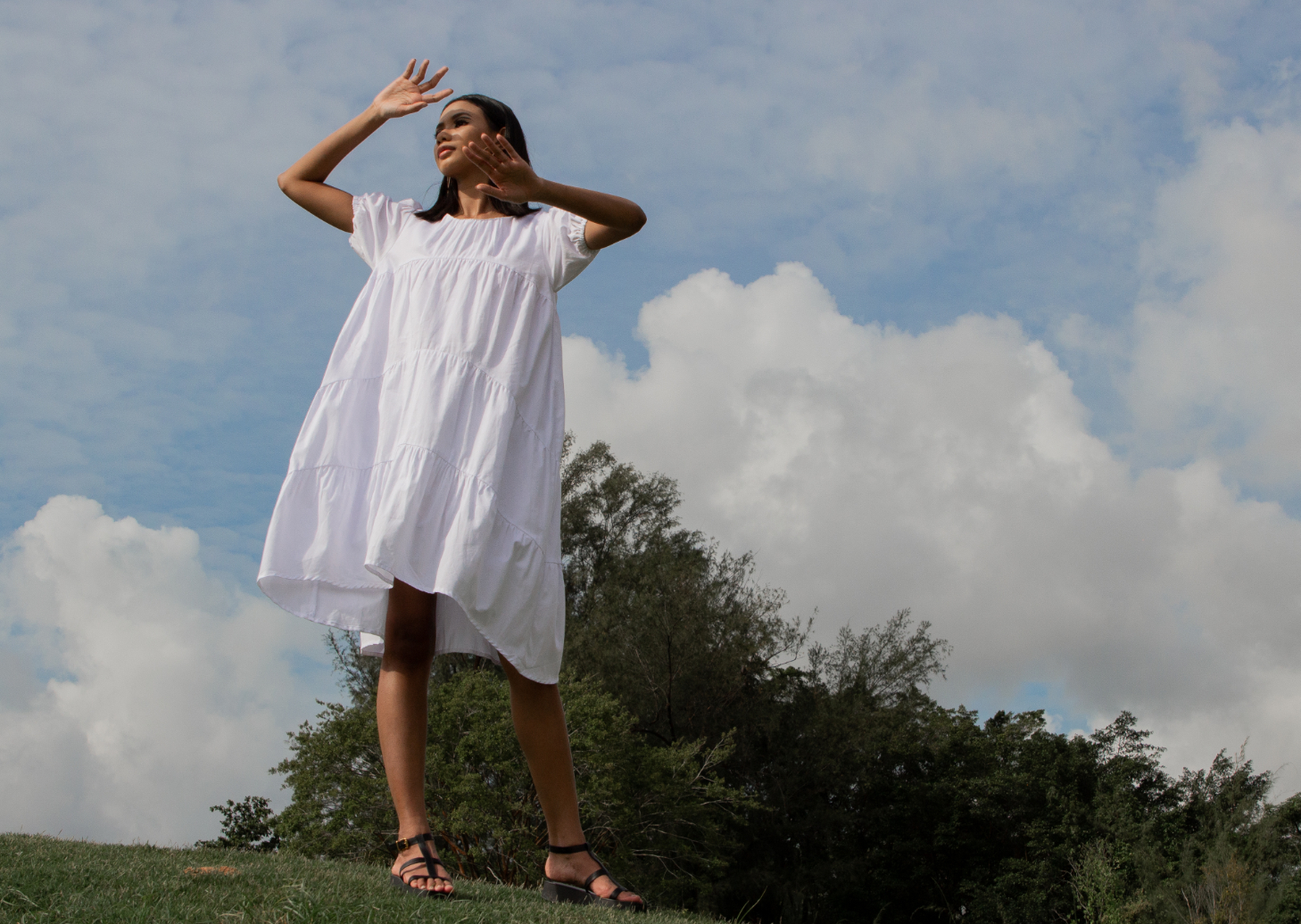
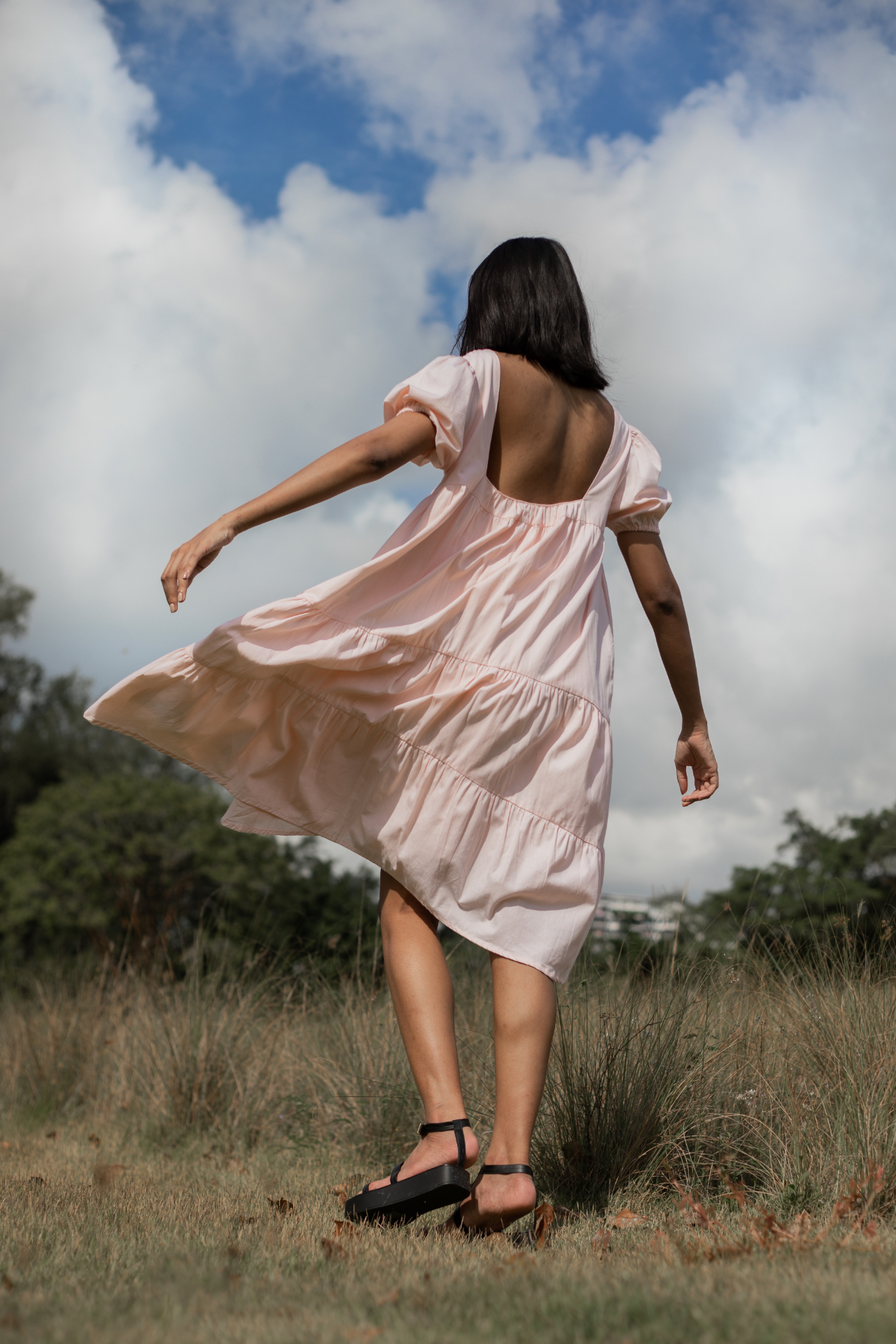
An Indonesian brand based in Jakarta, Step of Grace creates garments from natural fibres, mostly 100% pure linen, GOTS certified cotton and bamboo fibres, as well as from recycled fabrics like rayon and tencel. Many of the garments are undyed and those that are use non-toxic natural dyes.
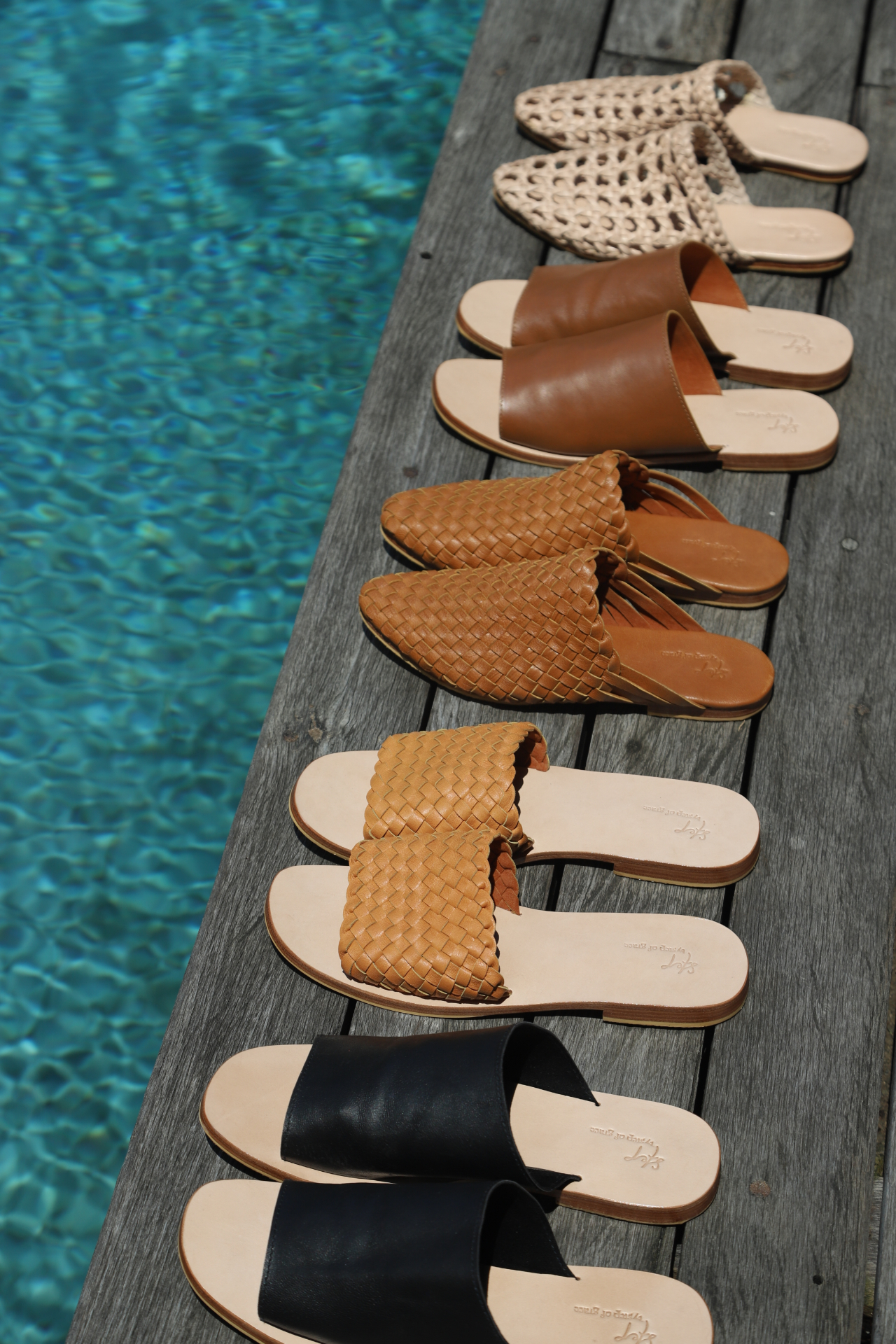
The brand also offers cool slip-on handmade leather slides and slip-on shoes that are made in Jakarta by small scale Javanese artisans using traditional skills passed down the generations in family businesses.
Step of Grace has a very laid-back, boho vibe with loose cuts and light neutral colours. The pieces have a hippy minimalist feel with simple, unadorned shapes like loose tees, baggy shorts, soft wide-leg pants and voluminous wrap tops. This is very much a brand of separates; perfect for throwing on in super hot weather.
Step of Grace will be launching on Zerrin at the end of August 2020, but you can also shop it on their own website. The brand also plants a tree for every product sold.
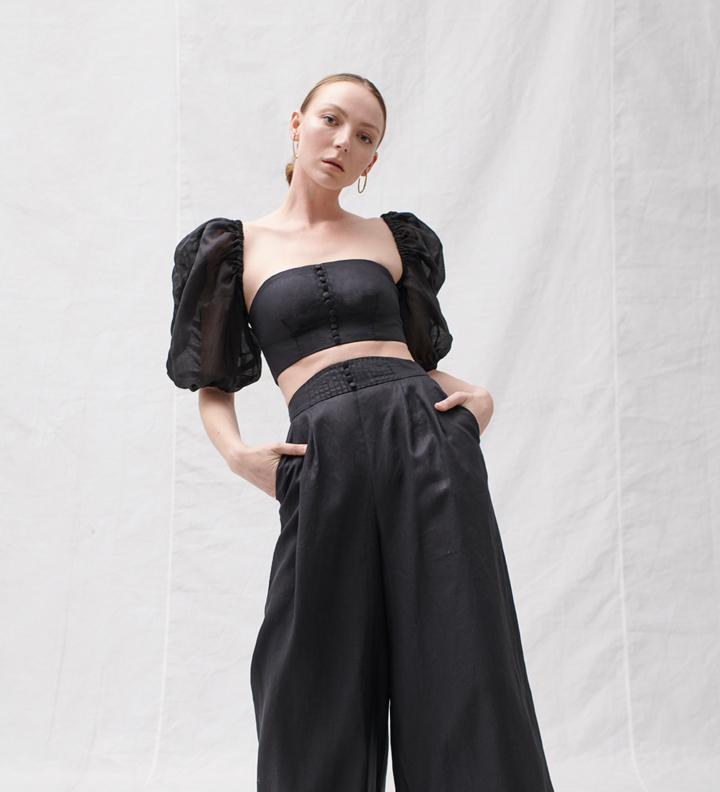
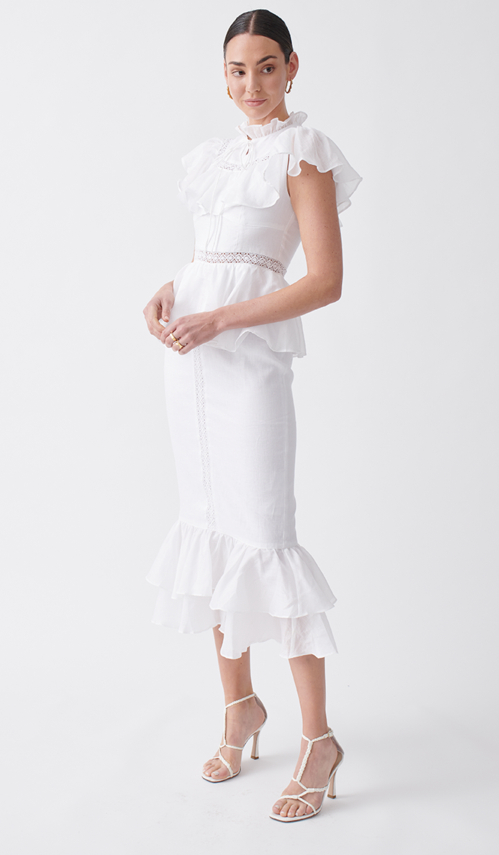
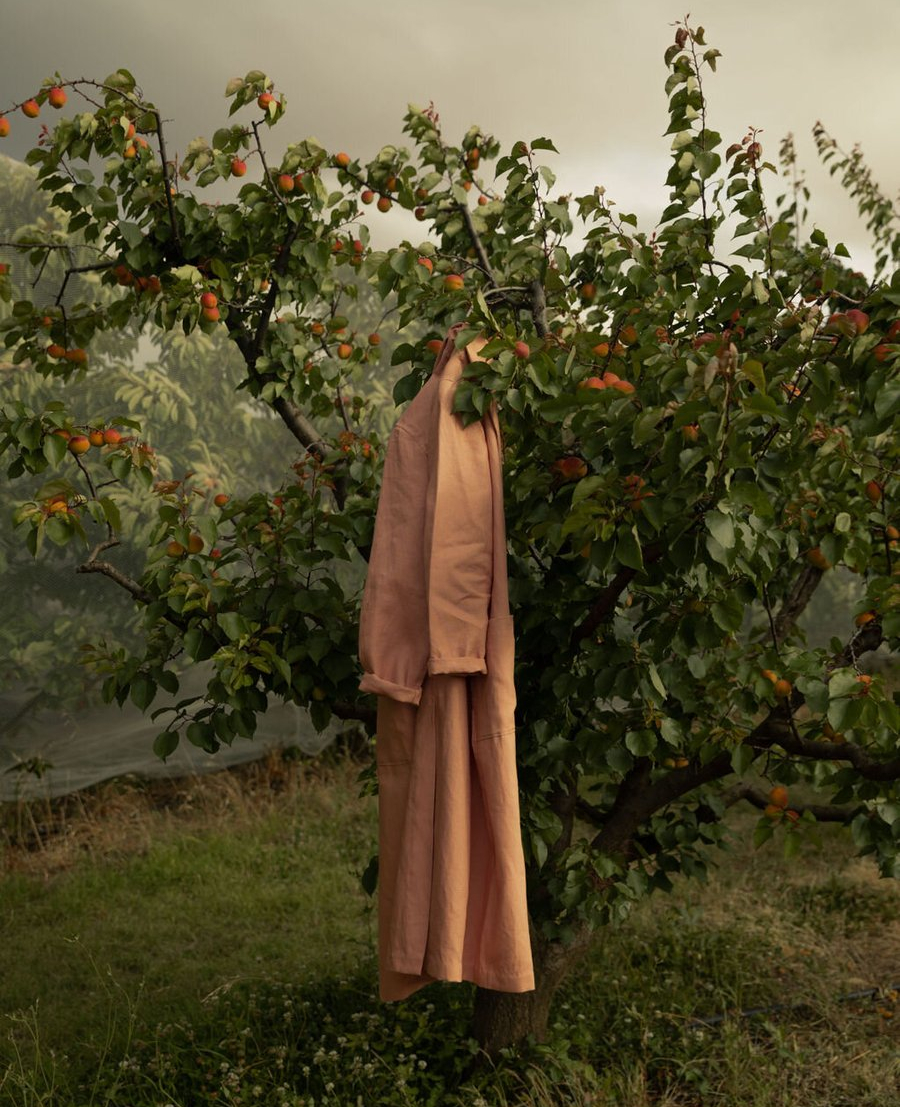
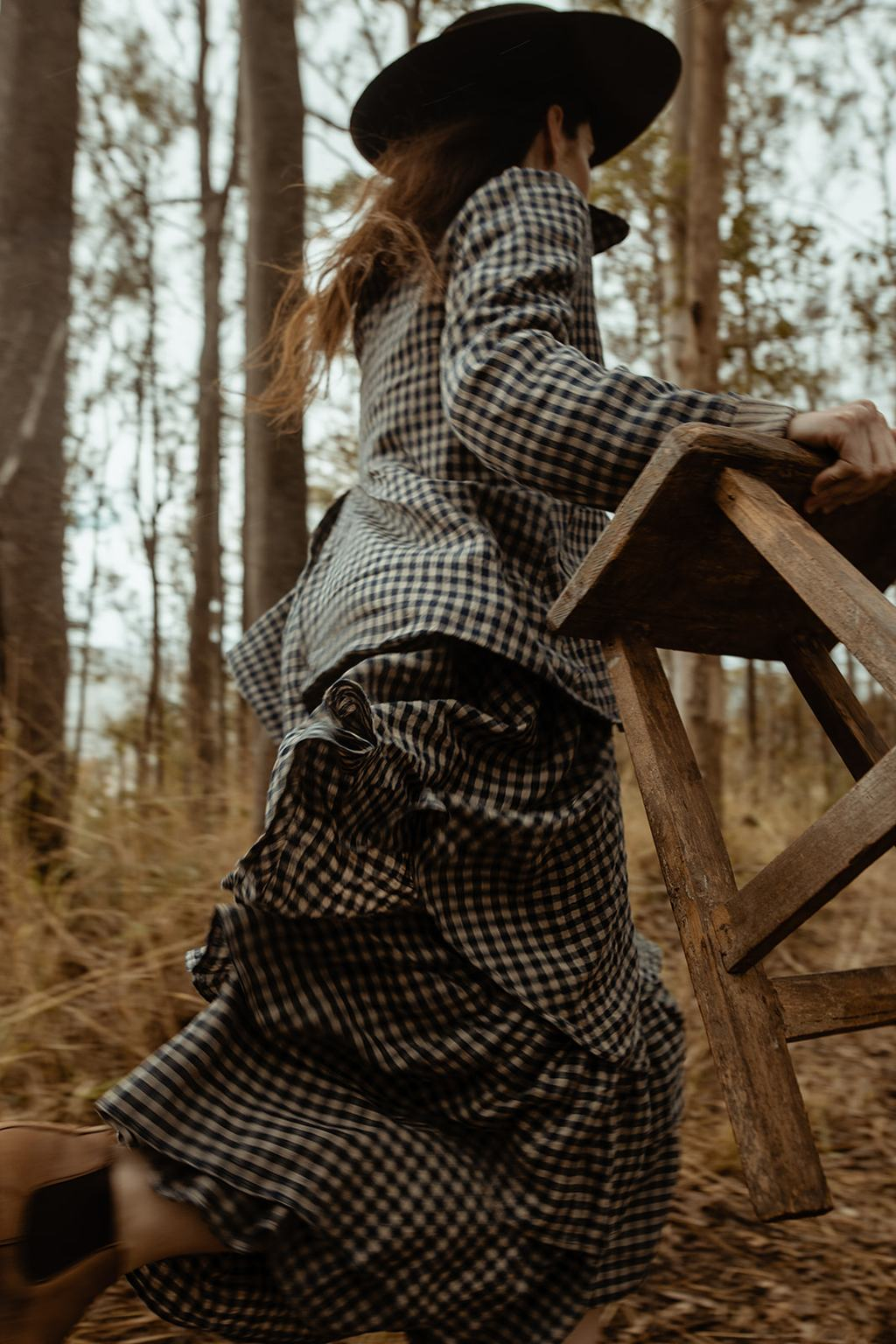
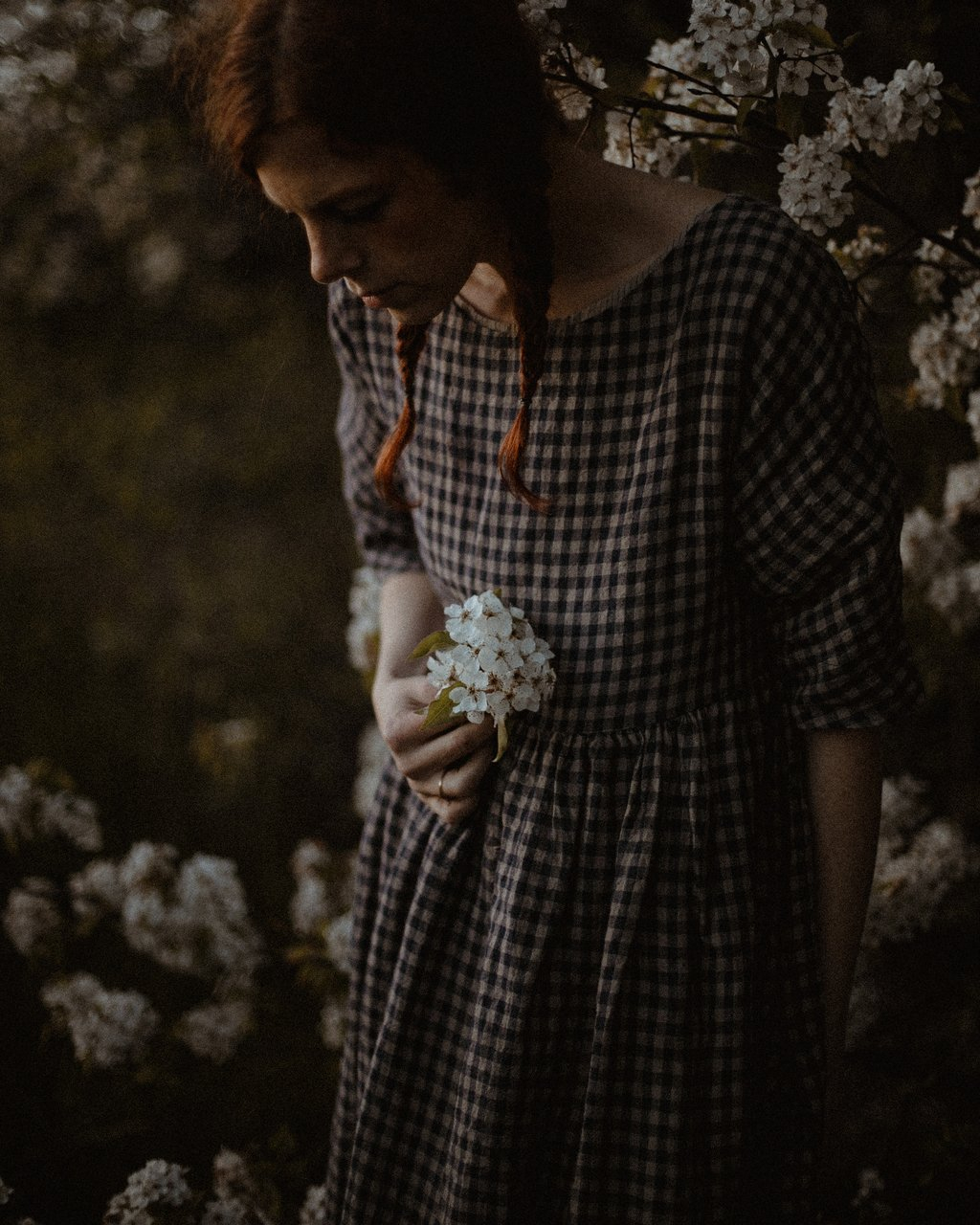
Emerging Australian brand Joslin was founded by designer Elinor Joslin in only 2018, but since then has become one of the country’s most popular sustainable fashion labels, famous for pretty, linen dresses.
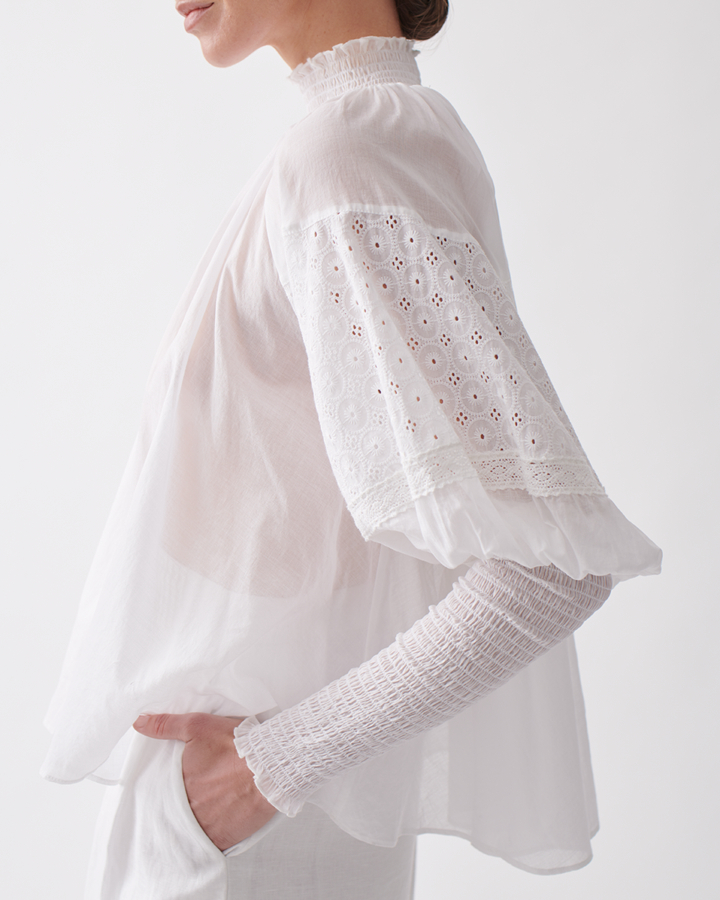
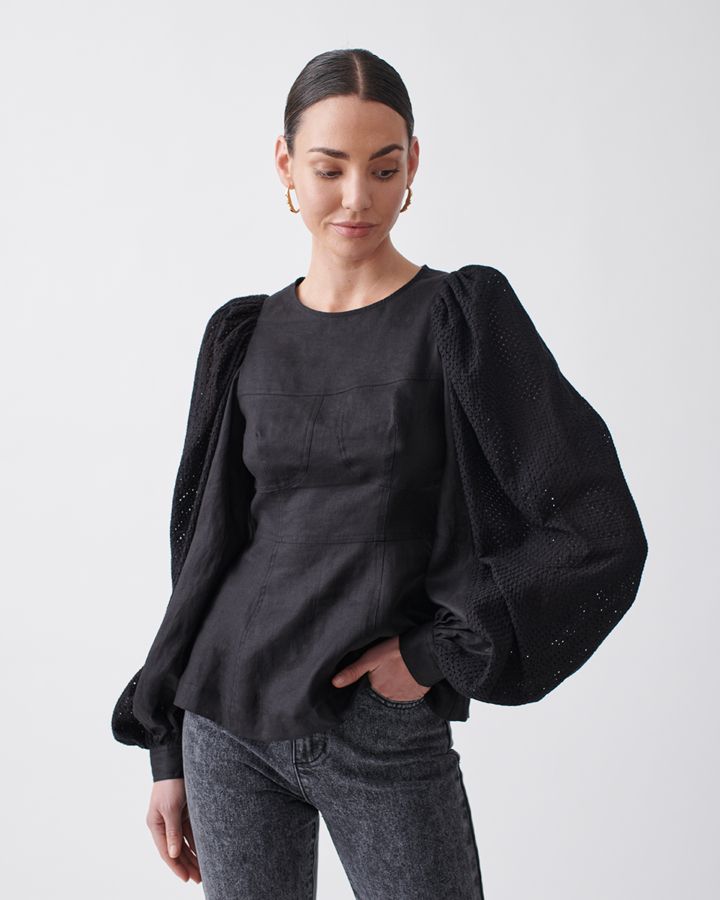
The brand’s aesthetic is based on the designer’s artist parents and features feminine details like smocking, ruffles, pintucks and buttons in Joslin’s signature linen. But what the brand is really known for is its comprehensive dedication to producing sustainable and ethical fashion.
The brand’s site lists in detail anything and everything you want to know about how the clothes are produced. Elinor is aware that the label has only begun its journey towards being a completely sustainable brand, so prefers to describe Joslin as a “conscious” brand, and being “committed to the improvement of sustainable processes with every collection, and to provide further transparency and accreditation as her business grows from an emerging designer brand into an established sustainable designer brand”, as her website states.
Elinor “believes that much of the Fashion Industry as it currently stands, is a cycle of planned obsolescence and synthetic landfill. Fashion itself is a business model of creating and selling new products that are made from the earth’s resources, only to be worn once or a few times before becoming obsolete.”
Joslin then is part of the Slow Fashion movement. “Being conscious, being considered, making responsible choices, encouraging positive change, pushing for transparency and always evolving in ways to lighten one’s ecological footprint is both a brand and consumer’s best foot forward to a sustainable fashion industry,” says Elinor.
This translates into using textiles and yarns that are “planet friendly and traceable to the source wherever possible”. These fabrics are ramie, silk, wool, cashmere, cotton, and of course, linen. Getting hold of these fabrics, however, isn’t as easy as you may think.
“Fabric minimums are a major challenge for small-business designers. Due to the fashion industry’s lower demand for sustainable fabrics, pricing and minimum order quantities are in so many cases unattainable,” explains Elinor. “Joslin faces many barriers in price, quality and scalability for many bio-based, certified and innovative alternative textiles. Instead, for now, the business focuses on natural fibres and naturally occurring sustainable fibres.”
About 70% of Joslin’s pieces are made of linen, the brand gets its linen-flax from the Normandy region of France; then the combed flax is imported to Jiangsu, China, where it is spun. According to Joslin, “linen uses approximately 90% less embodied energy in its manufacture than polyester -‘fast fashion’s’ most common fabric – and is long lasting and durable in the wardrobe.”
Elinor believes “the world urgently needs to lower the usage of fossil fuelled textiles and move towards textile-to-textile recycling if fossil fuelled textiles are to be of continued use.” Despite this, the brand does use some synthetics and plastics, but only when there is “no natural alternative, or when it benefits the natural composition”.
Still, this is not for lack of desire. “In garment production, it is not always possible to avoid synthetics and plastics – buttons, zips and fusing’s are the benchmark of standard manufacturing and garment construction. There is currently no natural alternative that is commercially viable for fusing,” says the brand’s website.
However, the Joslin knitwear collection makes use of pre-consumer recycled nylon, because it helps the knits to be stronger, so that it will last even longer. The brand also uses manufacturers and dyers that meet the OEKO-TEX® 100 STANDARD which is 100% free from over 100 harmful chemicals that are recognised as being harmful for humans.
The brand’s packaging is eco-friendly with 100% compostable bags, 100% recycled tissue paper, card and paper, plus all of the international e-commerce orders are carbon offset through the DHL GoGreen Climate Neutral shipping service. Even the garments exported from China come in 100% compostable plant-based satchels.
You can read all about the full complement of actions that the brand takes to ensure that it is as ethical and sustainable as it can be on the website.
The Slow part of the brand’s production is the reduction of overproduction and ensuring the garments are seasonless, with a sense of longevity – no piece is ever designed to only be worn once according to Elinor. This is why she focuses on traditional detailing combined with ways to wear the garments in more than one way, and sticks to a minimal palette of neutral shades.
There is a touch of the #cottagecore movement to Joslin’s style with the use of natural fabrics, ruffles and loose-fit cuts, but it is elevated by the traditional detailing and the sexiness of deep-v necklines and transparent inserts.
With most of the world still struggling through the Coronavirus, the fashion industry is in the odd position of being seen as either a pointless waste of resources and time, or a psychological escape from the doom and gloom.
But what does that mean for the young creatives graduating during this weird time, like the recent grads from Lasalle College of the Arts’ BA (Hons) Fashion Design and Textiles course?
For one, it meant no graduate fashion show with friends, family, media and industry insiders to show off to, rather the school for the first time created a virtual runway on July 16.
“The world we live in today is more unpredictable than ever. This pandemic alone has ground the world to a halt and increased our online consumption to curb social isolation. Although the fashion industry has long functioned based on the expectation that a runway has to be present, we are already seeing fashion houses worldwide begin to explore different ways to present their new collections. To some extent, the change has also arisen out of ongoing conversations about sustainability and the future direction of fashion. We believe it is more important than ever that our students graduate with a consciousness of these issues and the role of fashion in this changing world,” said Circe Henestrosa, Head, School of Fashion at Lasalle.
Henestrosa refers, of course, to the recent attempts by international fashion weeks to claw back some of the media focus with less than successful digital events. Of the various attempts from London Mens, to Couture, few of the brands managed to create an online experience that topped their regular live shows. Only Helsinki Fashion Week – which has been online only since 2016 – has managed to create something that is at least as interesting in a creative way, as the physical shows.
Prada, Gucci, Dior Women (oh dear, Dior. A whole other problem there), basically just made fashion films. Dior Men created a fabulous fashion film, but still these were all just background and additional to what was usually the centrepiece, the clothes.
So, if even major established fashion brands with their endless budgets found it hard to stand out on the digital platform, how were 17 mini collections from a bunch of graduates based in Singapore going to do?
The ‘show’ …
To be honest, the virtual fashion show was, again, basically a fashion film. There was a lot of post-production and atmospheric shots of Pasir Panjang Power Station and the college campus – already a well-known location for sci-fi inspiration – but it was difficult to really see the clothes.
Watching via Zoom, you could not tell how well the garments were made, what the materials used were, or see the details that create the points of difference that make a new designer stand out.
Another thing that seemed a little behind the times was the concept of using Sustainability as an overarching ‘theme’ for organising the various designers. The collections were separated into five themes – Sustainability, Future Forward, Heritage, Textures, Body & Identity. Not unique concepts, but definitely topical ones, ideas and themes that are obviously affecting young creatives.
My issue with Sustainability as a separate theme, is that in the time of climate disaster, it should no longer need to be defined as a point of difference from ‘other types of fashion’. Sustainability should not have to be a ‘theme’. Sustainability is a fact; and any designer who produces today should be doing so in a sustainable and ethical manner automatically. The idea of using ‘sustainable’ or ‘ethical’ as a brand marketing tool is over. All brands need to be both, and therefore need to find another point of difference.
OK, rant over. Still, the Lasalle teachers and directors do take the issue seriously, while also allowing students to make their own decisions as to whether or not they incorporate it into their collections.
“One of the pillars of Lasalle’s School of Fashion and its BA(Hons) Fashion Design and Textiles programme is the continuous development of the notion of ‘future crafts’. Through this, we understand a seamless symbiosis between artisanal techniques and modern technologies,” explains Dinu Bodiciu, the lecturer in charge of the BA (Hons) in Fashion Design and Textiles at LASALLE College of the Arts’ School of Fashion.
“With the increase in awareness of sustainability, there is greater attention paid by our students to the materials employed in their collections. The graduation project allows them the time to play, experiment, investigate and innovate new textile processes in the search of creative fashion solutions.
“For instance, even though the plastic used by Felicia Agatha in the collection Repelebb was not recycled, she still chose to work with it because she needed a vessel to hold liquid substances like water and cooling agents. Her collection hydropuff proposes possible new materials and fashionable alternatives in a future when humanity has to face the consequences of global warming.
“Another example is Kwok Minh Yen’s collection 1.5oC. It expanded the notion of zero waste design by engaging in textile manipulation of leftover materials, turning these scraps of fabric into decorative elements in the collection. Minh Yen further worked with UV reactive threads and pigments, combining them with synthetic materials like mixed polyester/nylon organza.
“This juxtaposition of materials, preferred by fast fashion companies against the slower process of zero waste design, aims to criticise the industry’s unsustainable ways and how this contributes to global warming,” says Bodiciu.
Good, bad or blah …
To be expected, a number of the graduates were inspired by our dystopian times with collection themes that covered humanoid spaceships with different personalities, and one concept that was literally entitled Dystopia. Other current topics were covered as well; sizeism, sustainability, global warming, climate change, LGBTQIX, #metoo, etc. All to be expected in our modern world of global pop culture and TikTok. Some of the most successful concepts were those that didn’t focus on the global theme to the detriment of the actual design and craftsmanship of the garments. Of the most interesting were the designers that reimagined their concept into garments that functioned as both an artistic statement and an intellectual concept.
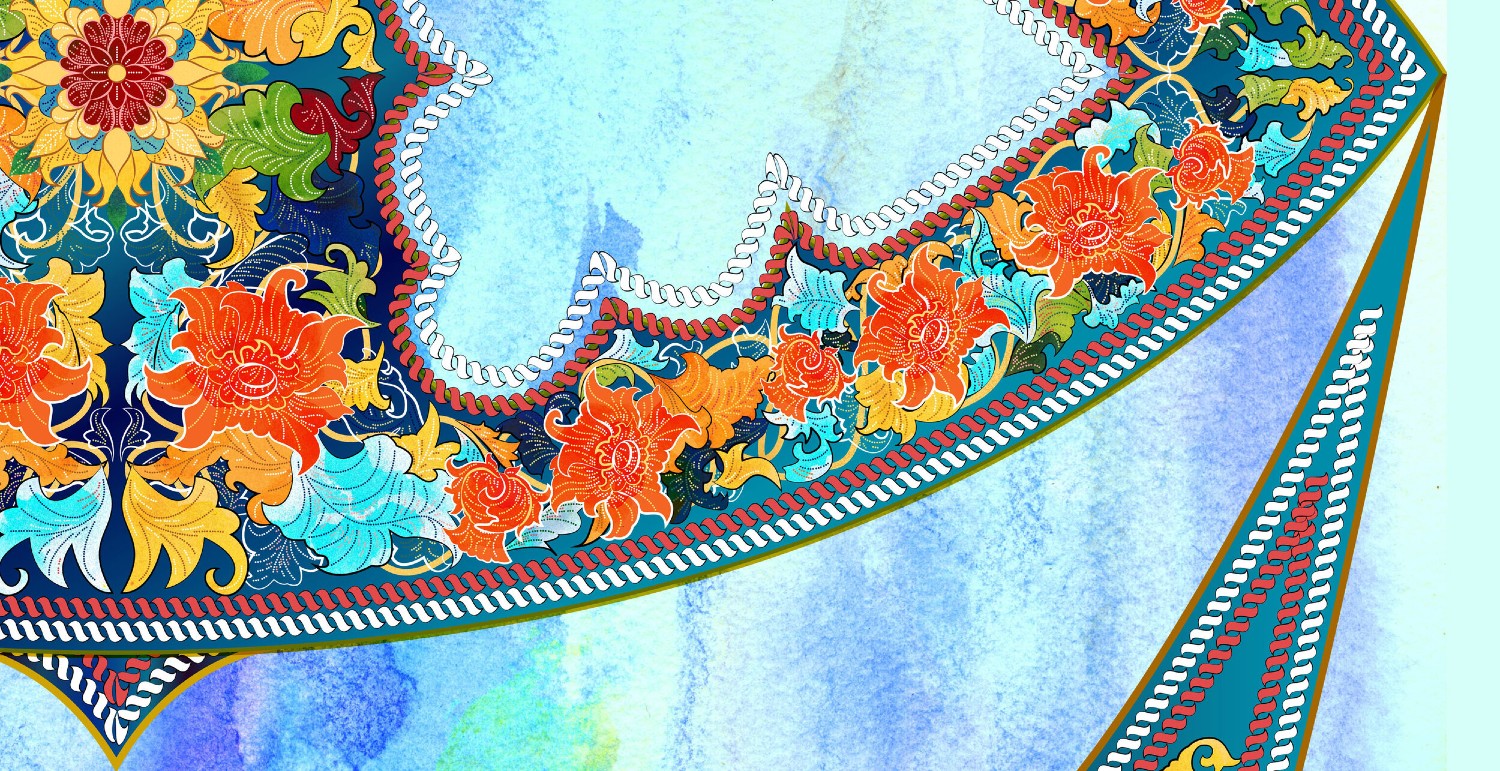
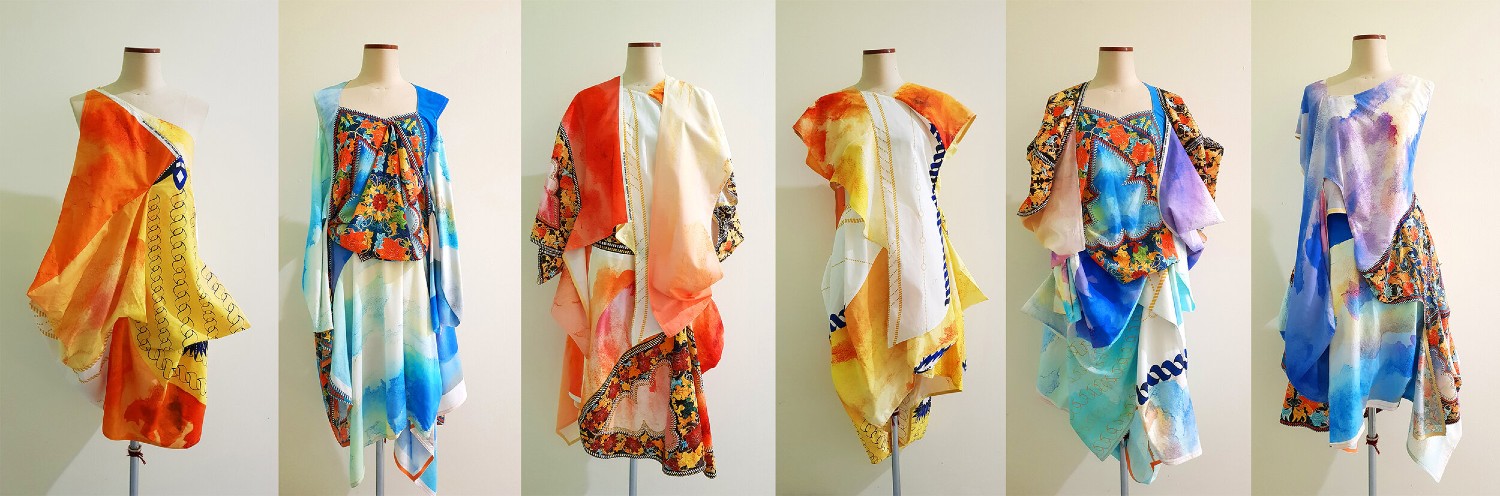
Cheah’s collection sat under the overall theme of Sustainability, using zero-waste pattern cutting techniques, but it was her modern take on traditional Malaysian prints inspired by the decorations of traditional kites that stood out. The draped, floaty shapes in the strong traditional colours ways of orange and black were softened with additions of hand dyed blues and yellows. While the cuts were somewhat reminiscent of early Japanese designers, the addition of ‘string’ interlacing referencing kite strings offered slivers of skin, creating a sense of fluid femininity. It will be interesting to see where Cheah goes from here. These pieces would definitely find a commercial market.
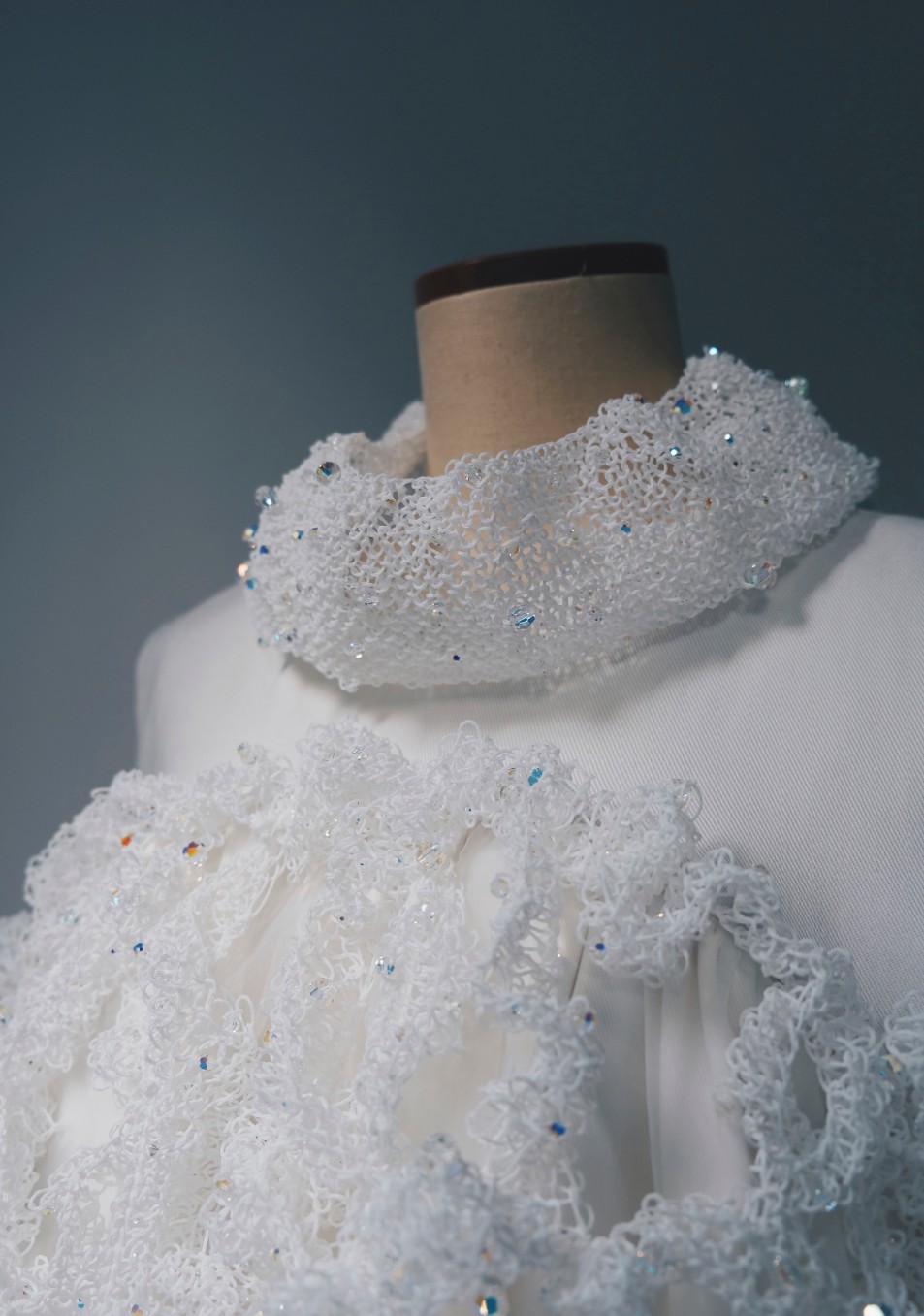
A mix of Iris van Herpen and Simone Rocha, Kwok’s work was also in the Sustainability theme, and was based on “draw[ing] attention to the increasing rate with which global warming is causing coral bleaching”. The garments were basically white, oversized dresses with ruffles and collars decorated with recycled textiles created to look like bits of coral. A series of adornments on one dress – donut shaped 3D rings studded with Swarovski crystals and UV reactive threads and pigments light up. Unfortunately this function wasn’t able to be clearly seen during the virtual show, but can be spotted in the photographs. Without the additional decoration, these pieces are cute, wearable clothes that don’t look much different from a lot of #cottagecore dresses seen all over TikTok and Instagram but come with a new take on the sustainability concept.
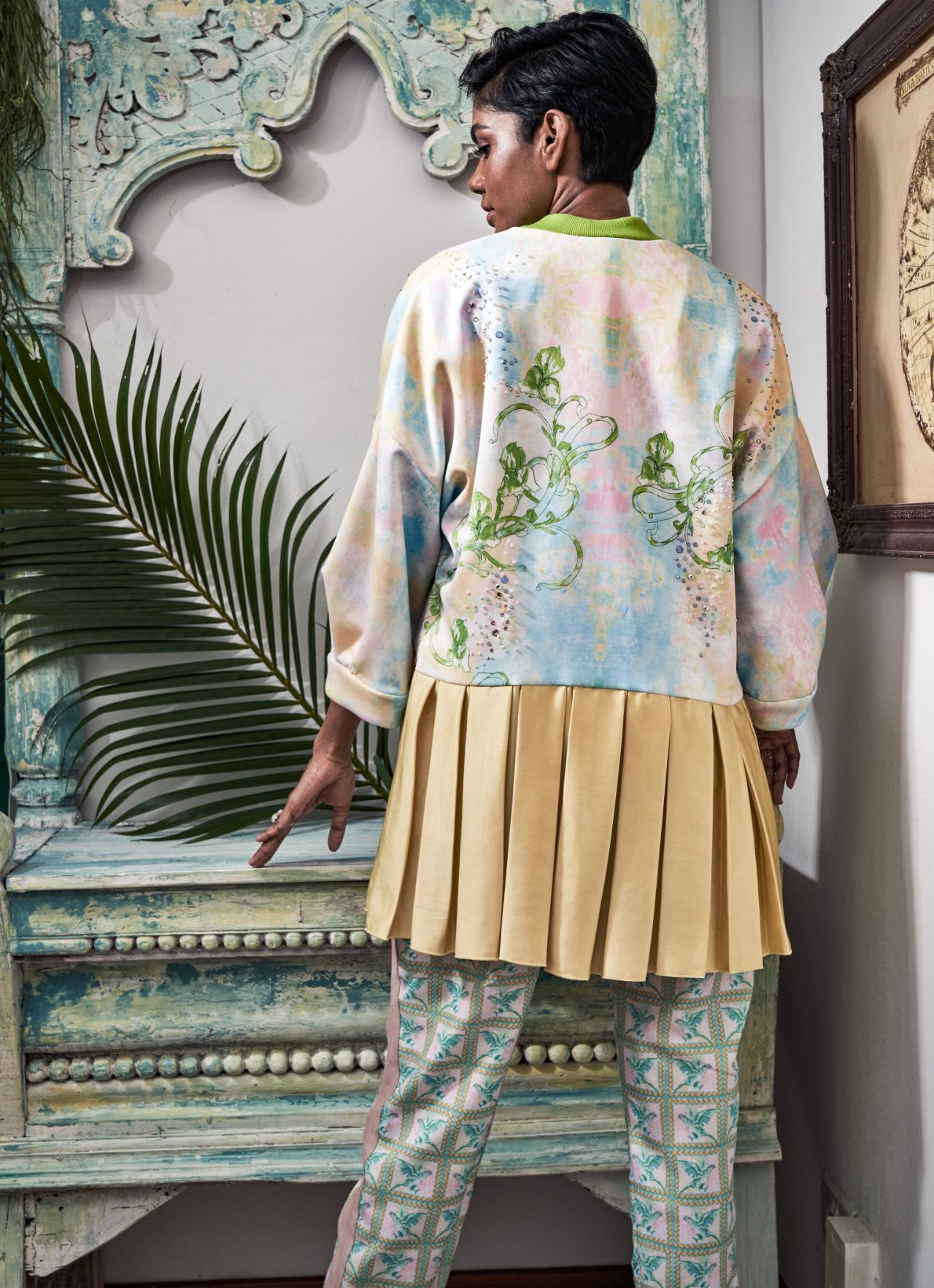
A pretty collection of pastel and embroidered separates, Schriber’s collection also sat under the Sustainability theme based on its entirely vegan material use. What these vegan materials are is unclear. No leather, so does that mean ‘vegan’ leather ie. plastic? Are the fabrics natural fibres? Or manmade and therefore less environmentally friendly? These are the issues that keep cropping up when it comes to defining what sustainable fashion really is. Still, the overall collection, while looking rather similar to Korean brand Ti:Baeg’s early work, is very wearable despite the fact that some of the concept was a bit too literal with large embroidered birds and prints being featured.
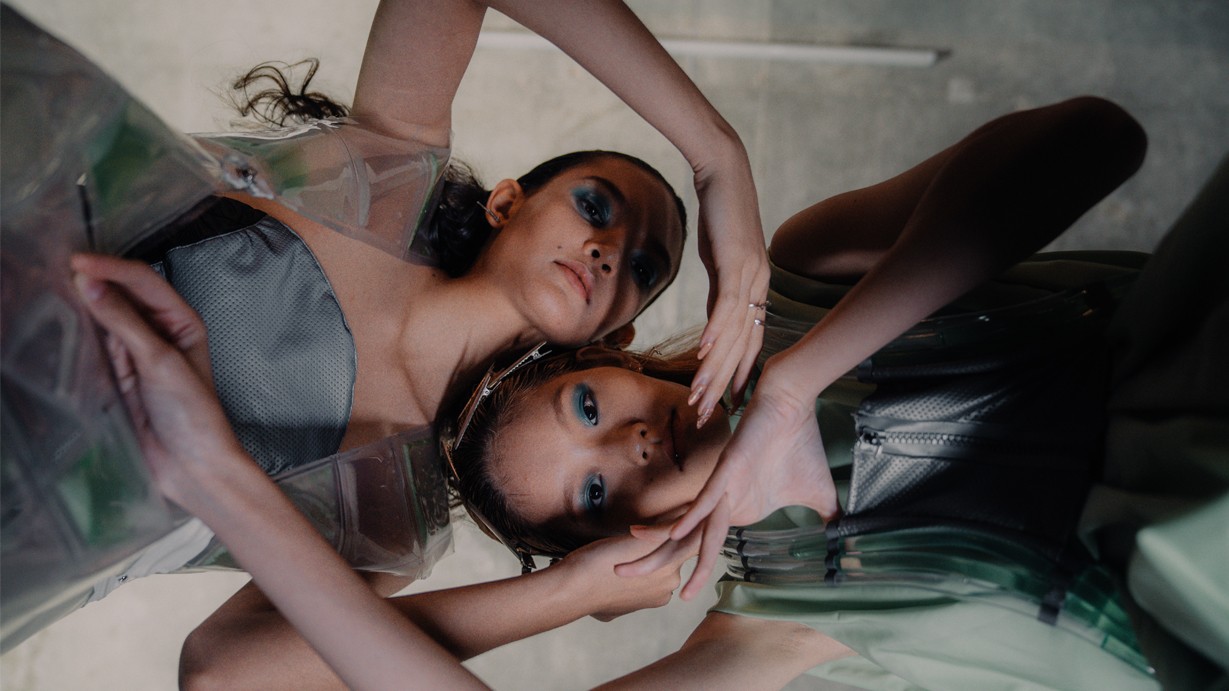
Part of the Future Forward theme, Agatha’s collection is described as “delving into science in order to devise climate-sensitive solutions for our future”. What that translated into was a lot of plastic. Presumably the plastic stood in for as yet unavailable technical materials that will adapt to issues of climate change like floods and such. The “activewear-influenced” pieces appear to be less about being active and more about creating shapes to be worn under the clear technical materials. The shapes and cuts had a vaguely 80s feel, added to by the combination of black, clear plastic, zips and pastel lavender shades of shiny fabric. The designer’s work with hydrogels is quite fascinating and it will be interesting to see how her research translates into future garments.
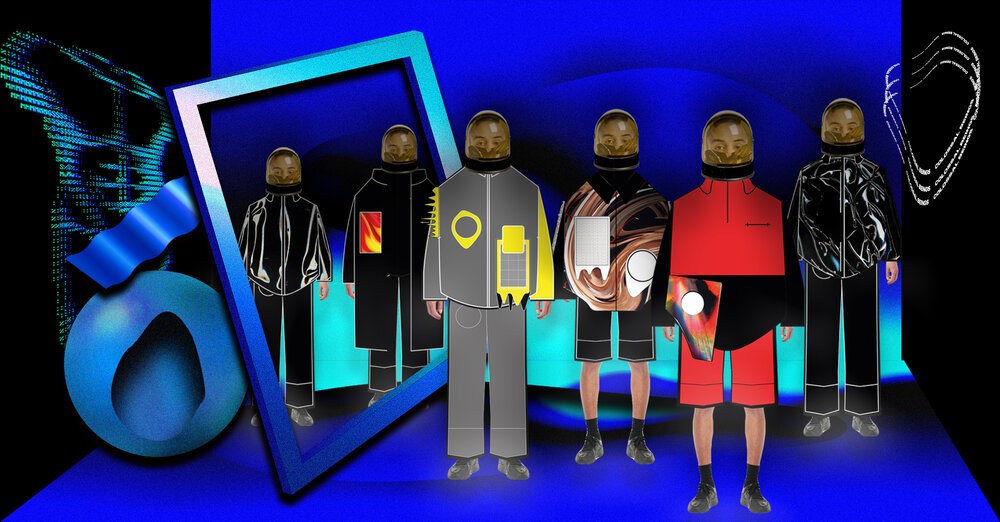
One of the collections that riffed on the issue of sizeism, Ng’s work looks like a mix of streetwear and 80s ideas of ‘future clothes’. The concept is described as being “built on the foundation of science fiction, imagining a world where plus-size is no longer a separate category”, but the interpretation falls a little short. Instead of creating new silhouettes for larger sizes, the cuts echo already existing oversized streetwear staples like shorts, hoodies, and collared shirts. The addition of ‘spaceman’ bits and pieces like zips and plastic pockets, plus the very literal use of flames to represent the sun combined with technical shiny materials gives the work a cartoonish vibe.
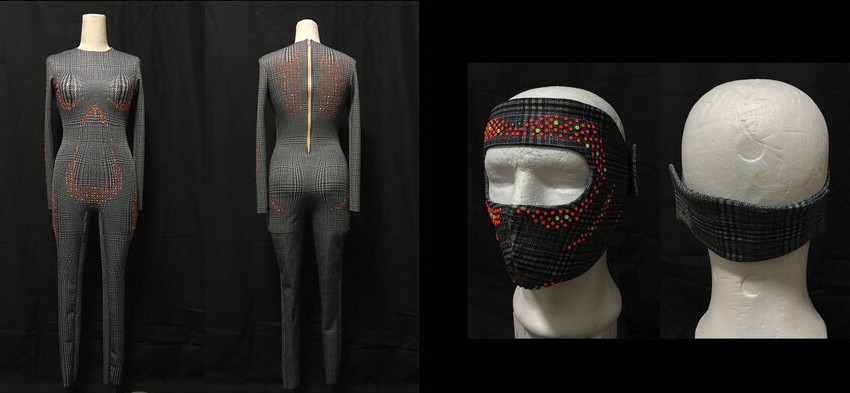
Phang is obviously a lover of anime. The entirely weird concept of the collection looks exactly like a real life version of Kantai Collection known as KanColle (艦これ, KanKore). The story line has cute girls who somehow turn into ocean-going battleships to fight off their enemies. While the underlying concept is completely daft, Phang’s work is some of the most interesting of the graduates. The designer hopes that future research and technological development will be able to turn his “fantasies into functionality”. The collection features a mix of form-fitting bodysuits as the basis for a series of layered pieces that add various functions to an outfit, like a coat, shirt and even a currently needed accessory, the face mask. It is also interesting that although his collection is placed firmly in the future, the fabrics used are more traditional like a Prince of Wales check in menswear fabric, showing that this guy really knows how to cut and fit a garment. It will be interesting to see how his work translates commercially.
Another of the collections focused on the issue of sizeism, particularly that of South Korea where the extreme social conditioning of Kpop has reduced women to equally extreme diets and plastic surgery. Lee’s work is a rather literal interpretation of her traditional heritage, the hanbok, with a slight nod towards modernity in the addition of capri pants. While pretty, these pieces are more akin to the trend of hanfu, where young people dress in slightly modern versions of historial outfits, with a nod to nostalgia and an Asian version of #cottagecore. While it is refreshing for the designer to create for larger women, again this just translates into bigger sizes of the same clothes that are already being made and worn. Still, the pieces are pretty.
Also part of the Heritage theme, Basri’s collection looks at subverting the “misogynistic symbols tied to the Malay folklore figure, promoting body acceptance in the process”; also incorporating the current #metoo trend to a certain extent. Basri uses the traditional ghost story of the Pontianak – a misogynist tale of a female vampire who is transgressive in Malay society due to her inability to have a child – to talk about definitions of womanhood and femininity. The concept has been translated into a series of garments that evoke simple working clothes combined with the colours of mourning – black, white and grey. Although there are a couple of embellishments of red ‘blood’ tracing the fabrics which are a little too literal, overall the collection is wearable and interesting with a nod to the simplicity of Japanese design.
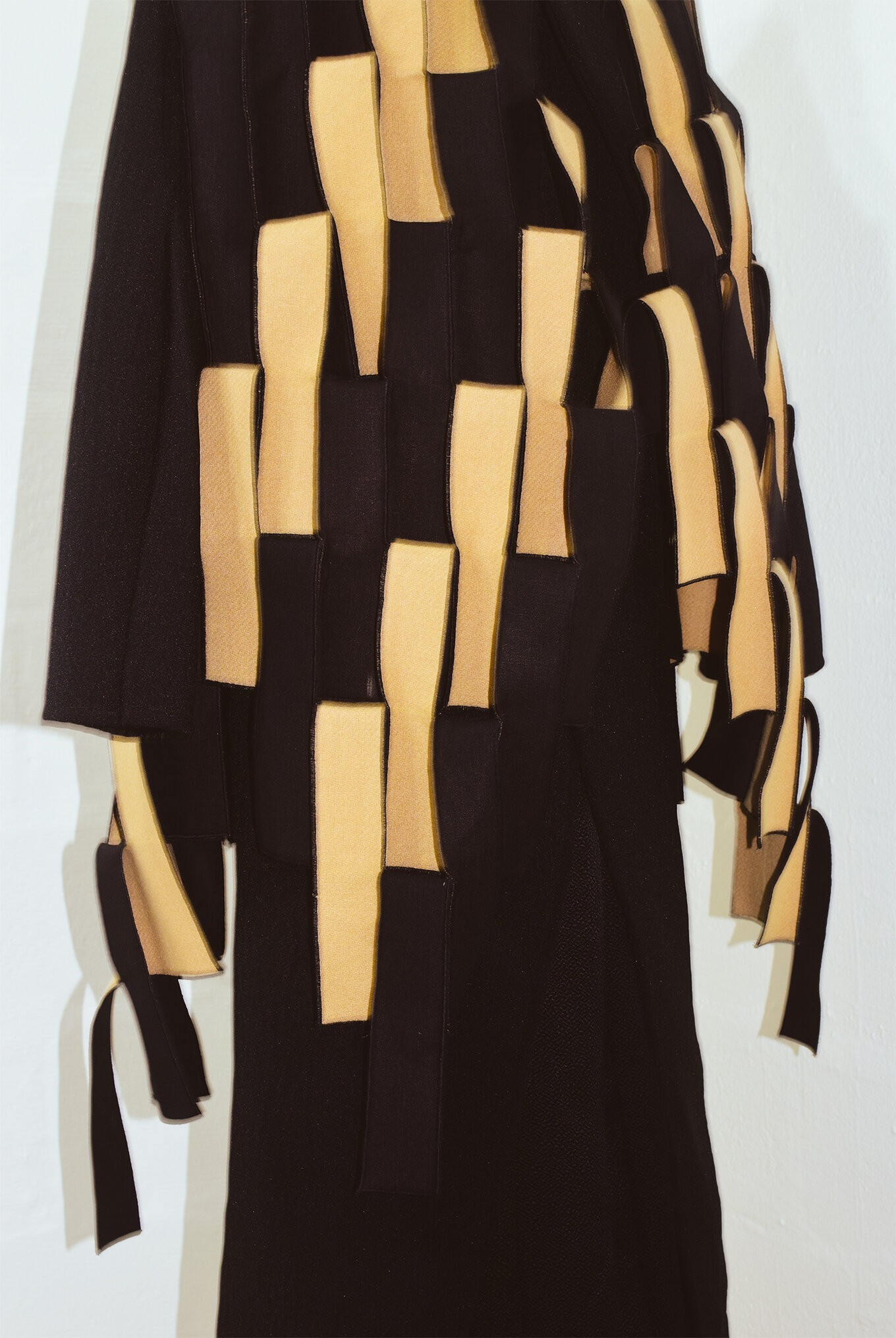
Based on the Japanese concept of “Ma” (間), the idea of allowing a sense of space in between other things, this collection is somewhat hard to define. There is definitely a very Japanese style overall, with some very obvious takes from the work of designer Yohji Yamamoto in the use of gaps or cuts in patterns for classical coats and jackets. There are also pieces obviously inspired by the work of Rei Kawakubo of Comme des Garçons with the use of padding and strips of menswear fabric.
Sitting under the Textures theme, Tibrewala’s collection is based on “fluid and distorted lines in order to express chaotic emotions” which really just translates into adding squiggly lines to her fabrics via print and hand-done spray paint. The shapes are based on early 80s, including a definite nod to Issy Miyake’s Pleats Please collections – one round-shouldered top in particular. Overall the collection has a pleasant run through of shape and colour, although a collared, open back jacket strikes a bit of a wrong note, as it seems too different to the rest of the pieces. There is also something a bit off with the proportions particularly in the short length of the pants. However, there is a softness and wearability to these garments; they are very ‘art gallery worker’, much like Issy Miyake.
Supposed to be all about the sense of touch, with the aim of making the viewer – not the wearer? – want to touch the garments, this collection appears, in fact, to be the opposite. Created from some sort of stiff, hard, sharp-looking faux leather (maybe?), the garments jut out from the wearer more like spines saying ‘stay away!’. There is little attention given to the wearer either, with the stiff fabric removing any human softness from some of the more encompassing pieces, while adding excess volume to the body in others. The juxtaposition with sheer fabric and the use of bright colours certainly imparts a kind of child-like playfulness, and while some of the cuts are simple, the more textured pieces have an interesting use of volume. Are these pieces actually soft to the touch? Or do they feel as stiff as they look? Interesting.
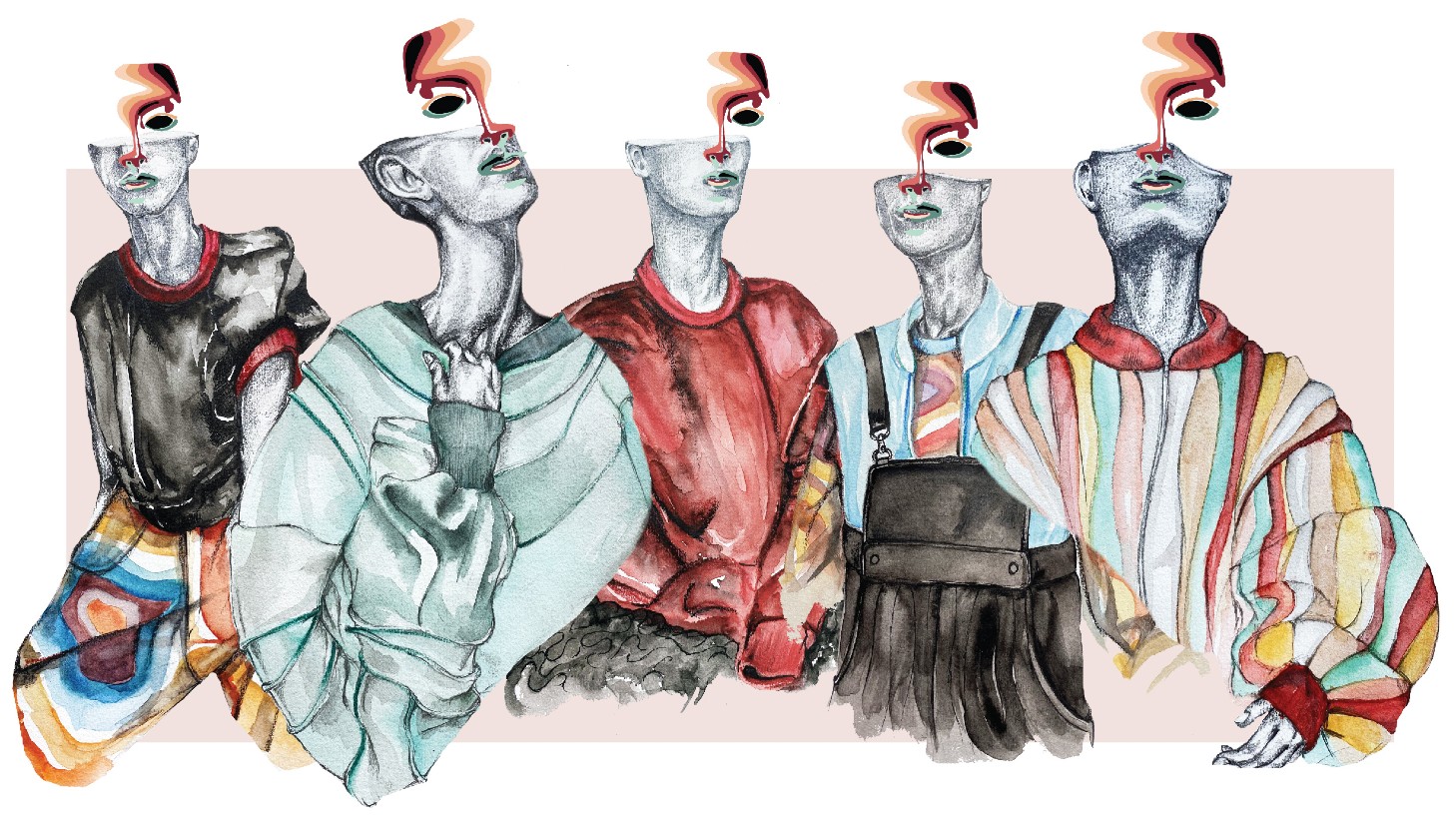
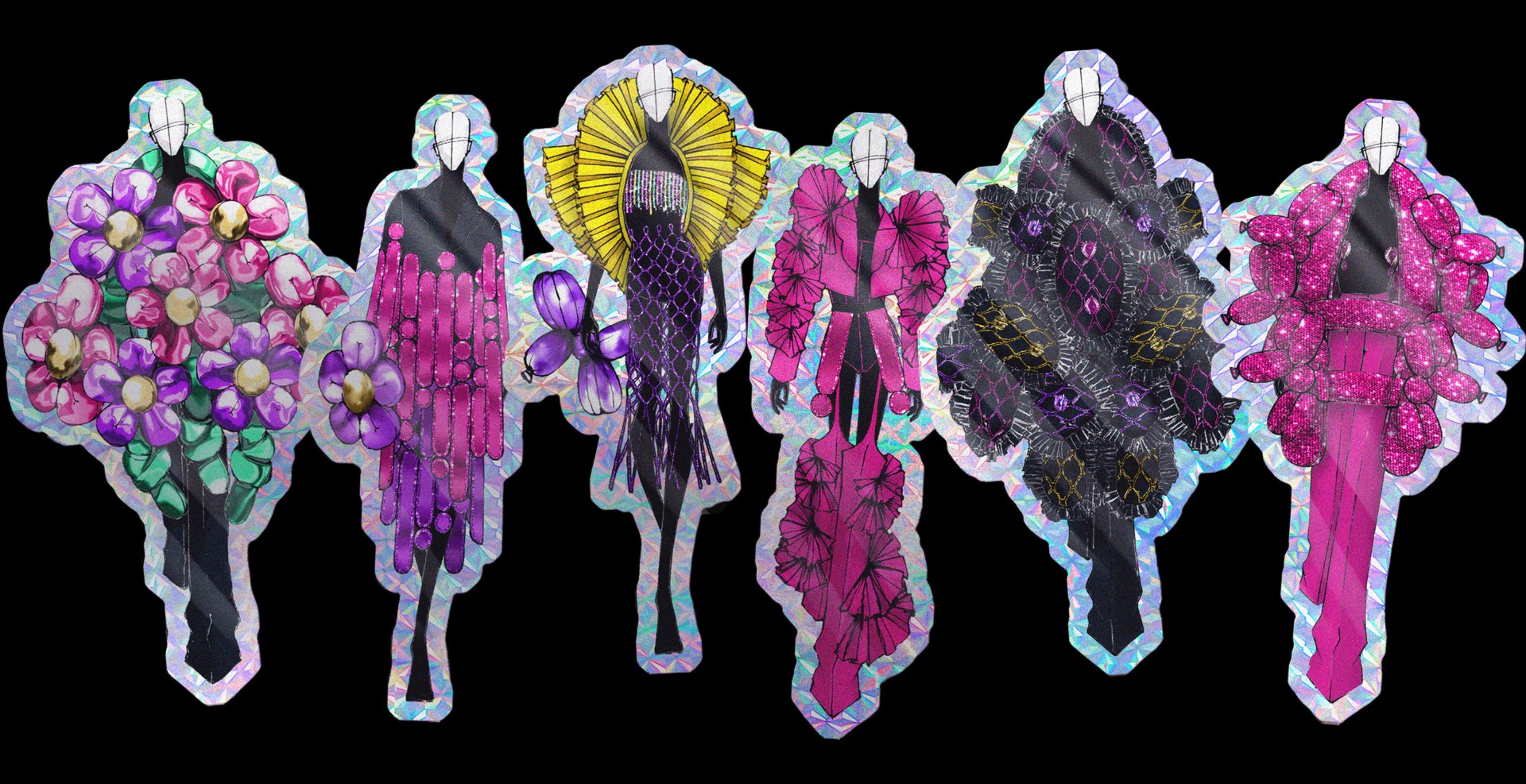
Based on her imagined idea of what people on magic mushrooms see, Halim has created garments that are basically traditional in shape and cut, but have various parts – the sleeves mostly – ‘blown out’ with the addition of sheer voluminous additions. The concept reads well in the original sketches, however the finished garments seem unbalanced and overly complicated. The addition of various colours, crystals, fabrics, more embellishments, and even more textures gives an impression less of the distorted vision of a bad trip, and more a toddler’s idea of dress up. The designer’s central premise of “a reality where vision is blurred by hallucinogenic drugs”, has been lost in translation.
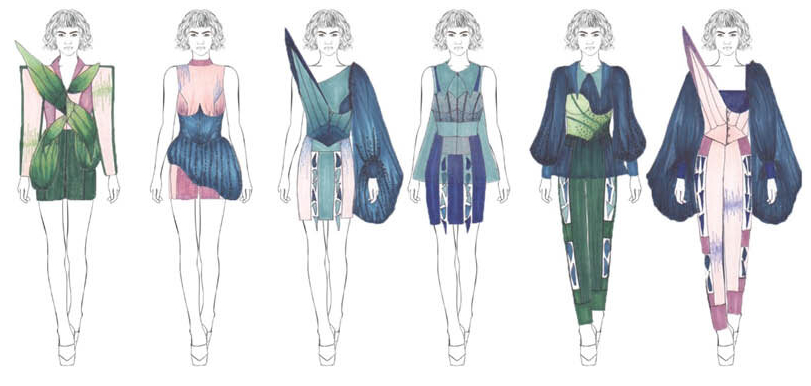
Based on the myth of the Chimera – part lion, goat and dragon – the designer chose instead to combine a butterfly with a jellyfish, with unfortunately little success. The interpretation is all too literal with actual, human-sized butterfly wings adorning half a garment, while the other half features a long, full ‘jellyfish’ sleeve. A lopsided puffball skirt recalls not only the very worst of the 80s but also a dying blue bottle jellyfish on the beach. The concept was interesting – the idea of combining various and opposite creatures; air and water – creates fertile ground for juxtaposition and contrast. It is just unfortunate that in this iteration the clunky construction overcame the concept.
Part of the Body & Identity theme, Balachander’s collection is a cleverly wrought interpretation of the concept that “underneath our skin, our human anatomy is all one in the same”, a powerful nod to the current global reassessment of racism. The designer translates her links to her grandmother, with her age and experiences etched onto her body into a series of oversized menswear garments that expand the silhouette far outside the original body, stretching out with padding and extreme length. Yet somehow, these pieces still look like someone, somewhere could happily wear them. Actually, with many parts of the world still in lockdown, these voluminous pants and sweatshirts are the perfect hide-from-the-world-in-comfort pieces. Using a quilting technique, Balachander implies ideas of wrinkles on skin, or the lines of a topographical map, which is also echoed in the original print in the collection. All in all, this collection is an accomplished piece of conceptual design, that still feels not only like fashion, but like something you could actually wear, and want to buy.
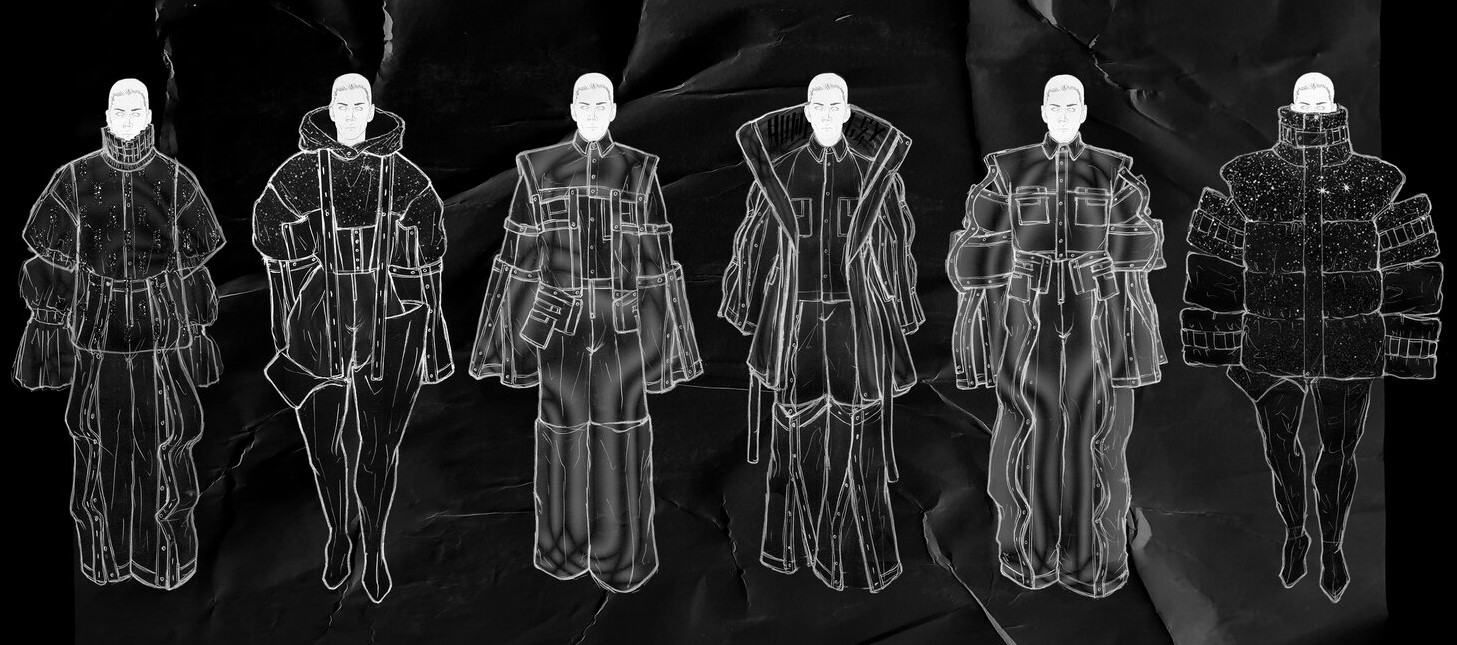
A mix of the Mona Lisa and an Instagram influencer sounds like an interesting starting point for a collection. However the garments created by Latib appear less a “satirical conversation” between the Renaissance and contemporary culture, than an excess of shiny, oversized, blinged up streetwear pieces. The Renaissance references are lost in a sea of snap-on trouser legs, puffers, sleeves and hoodies, with a lone neck ruff to voice centuries of innovation and philosophical thought. The influence of Moncler X Craig Green is also very obvious. What is really a shame is that the designer’s earlier work as seen on his Instagram account is way more interesting, better constructed and unique.
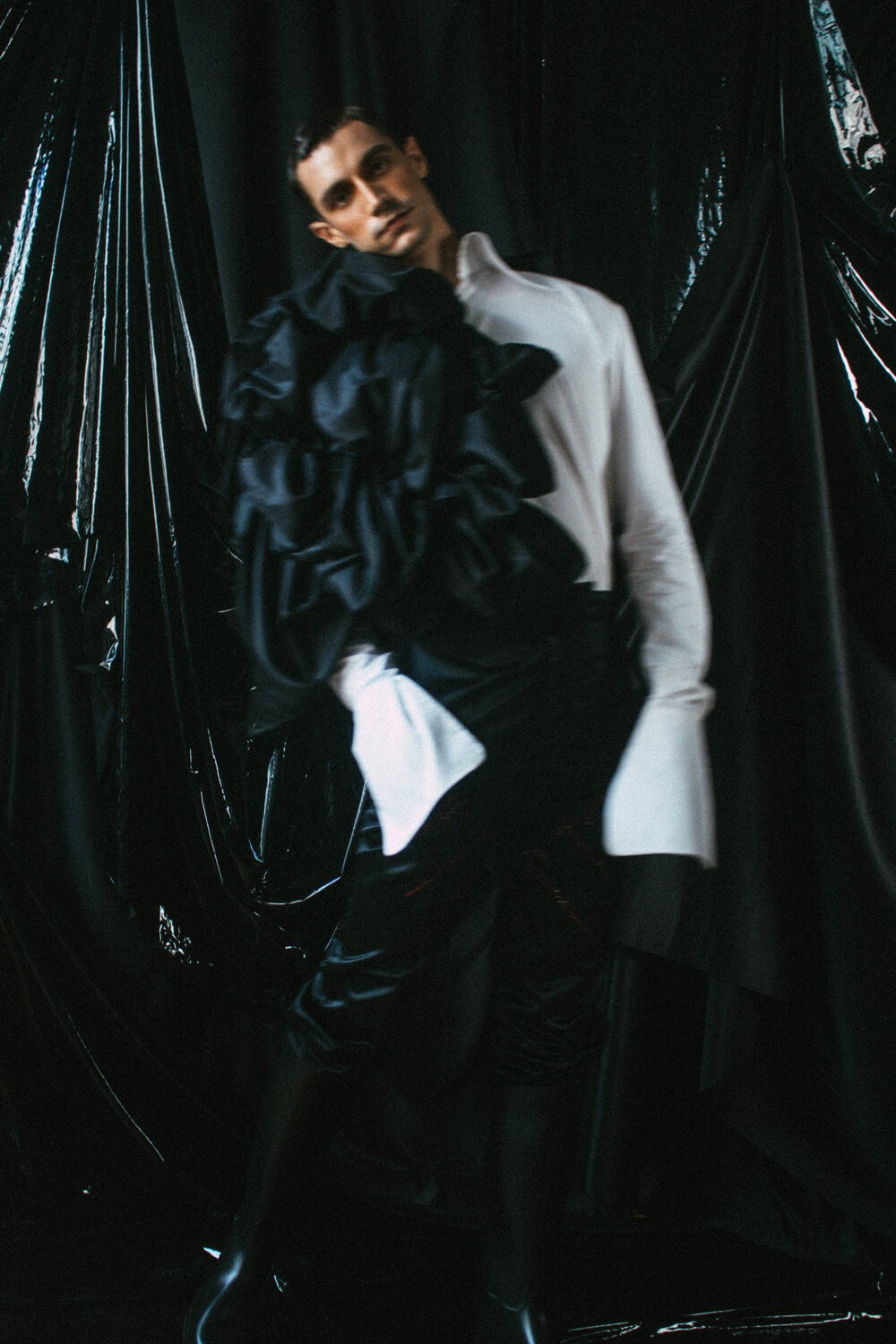
Inspired by his personal medical issue, a diagnosis of Wolff Parkinson White (WPW) Syndrome, that causes random heart palpitations, this collection is one of the more personal. The translation into a series of voluminous, non-gendered garments, however, seems to have little connection. It is hard to see the link between a backless jumpsuit, a cloak of bunched red vinyl and a white shirt with long cuffs as “an abstract form of a journal – penning and scribbling down what I felt when the palpitations attack”, as the designer writes. Presumably the shapes and volumes are how the designer translates his feelings. Whatever the connections, the pieces themselves are well tailored, pretty evening wear for the non-gendered.
There is something very Leigh Bowery and Judy Blame about Xun’s collection, mixed in with current Drag Queen Culture, added to Rei Kawakubo of Comme des Garçons and even a touch of Moncler X Craig Green. The work is a celebration of “queerness, artifice, irony and high aestheticism” that is obvious in its theatricality, shouting ‘look at me’ as loudly as possible. But it is because of this blatant obviousness that the collection works. The fact that the construction is impeccable and, while riffing on the work of other experimental designers, does not copy slavishly, it also positions the designer at the head of the conceptual pack. Xun’s work is unashamedly more art than retail, but that is exactly why it will grab the eyes and hearts of dedicated fashion lovers the world round. Can’t wait to see where this designer goes, and what they decide to make.
All images Lasalle College of the Arts. For more information, and to watch the original virtual show, go to www.lasallesof.com.
There’s a new fashion trend that’s been popping up, first on TikTok, and now it has moved onto Instagram and Pinterest. Cottagecore is a mix of 21st century hippies, Japanese Mori Girl and Lolitta, a touch of the 18th century, a love of enormous sleeves and a girlishness that harks back to simpler times.
The origin of the Cottagecore aesthetic is one that emphasises Western idyls of the countryside, farming, nature, simplicity and peacefulness, however it has also been adopted by a wide range of young people – particularly lesbians – searching for a decorative ‘soft’ place to identify with, somewhere to celebrate all things handmade, sustainable and ethical.
This Soft Aesthetic, or Cottagecore fashion, is inspired by the Edwardian era – both the men’s and women’s clothing styles to be worn by either men or women now – and a touch of grandma style.
What is fascinating about this new style is that it comes at a time when a range of new fashion production concepts are also playing out in the retail world due to the impact of the coronavirus – the slow fashion movement, being locked down and dreaming of the great outdoors, the increased interest in using sustainable fabrics and the ideas behind #buylessbuybetter.
In Australia there are a number of interesting emerging and independent brands that fit neatly into this new Cottagecore trend, making soft, voluminous, natural fabric garments that seem equally suited to roaming the meadows of the British Isles, as they do to traipsing the paddocks, forests and beaches of Australia.
MUSE THE LABEL
Established in 2016, Muse the Label is based in Melbourne and handmade makes everything in linen. The founder of the brand does everything from creating the patterns, choosing the fabrics, sewing the garments and even acts as the delivery driver.
The linen is sourced from mills that guarantee a fair living wage, and are fully compliant with current REACH regulations. The brand also re-uses as much designer leftovers, mill overrun fabrics and deadstock fabric as it can. Muse only produces small runs of items that are trans-seasonal, so that they reduce wastage and can also create limited editions based on available fabrics.
The brand’s aesthetic is based on a love of natural fabrics and being out in Australian landscapes, hence the mix of rich earthy and natural colours. This is Cottagecore done in a simple, feminine and slow fashion style.
Another Melbourne brand also set up in 2016, Revel Knitwear is all about handmade knitwear that is ‘made by women, for women’.
“I wanted to create knitwear that was classic and timeless. Being hand-made, it provides more of a bespoke and exclusive experience for the consumer. A knit that has been truly made for you, with a lot of passion and love,” explains brand founder and knitwear designer Shannyn Lorkin.
Revel Knitwear has five core values that they stick to. The first is Handmade; all the pieces are hand-knitted by a team of Australian crafters who take up to 20 hours to create one sweater. “I gained all my knowledge and skill of hand-knitting from my grandmother Beverley who this label is a legacy for. She taught me the value of wearing something that has soul and that has love in every stitch,” says Lorkin.
Using only natural fibres like wool and cotton are the second core value; and repurposing waste is the third. Revel Knitwear makers save all the fibre off-cuts to be spun into new yarn, and use recycled cotton yarn fabric labels and biodegradable packaging.
Value four is linked to reducing waste, the made-to-order production of garments. The items are all made on demand – which is why it can take 14-21 days for delivery after an order is made. They do have a small number of made to order items during different seasons – like winter – but everything is generally only made after it has been bought. The final value is tied to using natural materials – wool doesn’t need to be washed very often as it is odour resistant, and even if you do wash it, it only needs a light handwash saving on water usage.
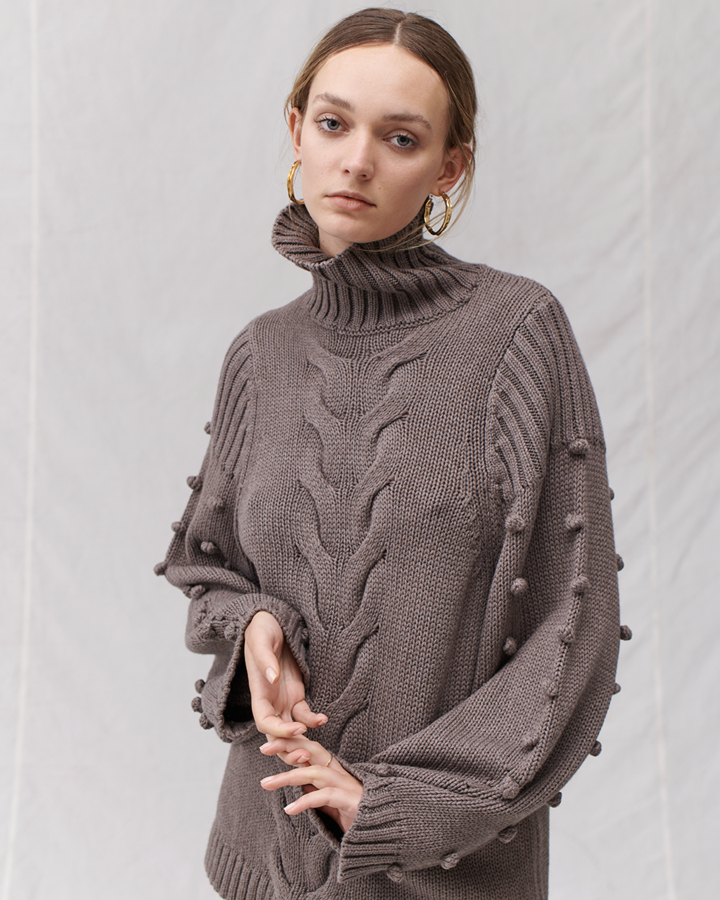
Revel Knitwear is oversized, with lots of textural details, fun coloured stripes and with fabulous voluminous sleeves – the perfect sweater to go on top of a Cottagecore linen dress.
Eva’s Sunday is a brand that’s based in country Australia, and again works almost entirely in linen. The design philosophy is based around agelessness and comfort, and of course, slow fashion and natural materials.
The brand doesn’t release seasonal collections as the majority of their items have been designed to be layered depending on the season, neutral shades like white, cream and grey are balanced with darker blues and touches of black, plus additional pastel shades of green.
“We design and release new ranges consistently throughout the year and prefer to avoid the strict seasonal approach to garment design, opting instead for pieces that work well layered up or down depending on your climate,” writes Nic MacIsaac, the founder and CEO.
The voluminous shapes, natural fabrics, asymmetrical cuts and additions like rosettes and flowers makes Eva’s Sunday the perfect example of Mori Girl Cottagecore style
Designer Kate Thornell created Garçonne in 2018 after searching for clothes that not only suited her personal style – a mix of “French workwear from the 30s to the high-waisted pants and gorgeous dresses of the 40s; Harris Tweed waistcoats from the 70s to the denim overalls I wore as a child in the 80s” – but also fit into the Slow Fashion Movement.
Thornell chose the brand’s name for its historical links to the 1920s French flappers, as well as its tie to the Tomboy fashion aesthetic. “Garçonne is [also] used today to describe the modern gentlewoman: think Tilda Swinton and Dianne Keaton,” writes Thornell.
Although the brand originally started as an idea for a small knitwear range, after working with a knitwear consultant and enjoying the creativity, Thornell decided to take the leap and launch as a full womenswear brand also incorporating linen garments.
The brand only produces limited numbers of items using natural yarns like alpaca and wool, and linen in small runs per each trans-seasonal collections.
Merri is more of a boho Mori Girl style with influence from the 50s, 60s and 70s. The designer describes the brand concept as being “born out of a love affair with my mothers’ wardrobe”.
The collections are again relatively limited and once sold out, they are not restocked. The garments are non-mass produced and ethically handmade, with the idea that the pieces will last long enough to become heirlooms.
“… at Merri I wanted to create beautiful clothing and accessories with meaning and soul,” writes the designer and founder Rhea.
Veronica Tucker is a Melbourne designer who founded her label in 2019. Her brand is more like a traditional atelier where she designs, cuts and hand sews all her garments in very limited runs.
What makes her work different and exciting is that she also produces bespoke designs on request that feature her signature use of volume, ruffles and natural fabrics. Tucker’s style is feminine but comes with a polish that adds an understated elegance to her work.
Currently working on her new collection, you can’t actually shop her brand at the moment. As a slow fashion brand, Tucker only produces limited runs and once they’re gone, they’re gone. This also reduces waste as she only makes as many items as are being bought.
Based in Sydney, designer and crafter Liya Mira creates handmade and hand-dyed clothing from organic fabrics. Her style is definitely at the hippy end of the Cottagecore spectrum with the simple silhouettes acting as a platform for her natural dying techniques.
The garments take about four weeks to make, and all of the colours are created from natural plants and other organic materials. Each garment is unique due to the natural and handmade nature of Mira’s process.
Mira designs, cuts and sews all of the garments, making the brand part of the slow fashion movement. As the unique aspect comes from the hand-dyeing process, the pieces are designed to be worn layered for a trans-seasonal wardrobe.
ESS Laboratory by designer Hoshika Oshimi sits at the gothic end of the Cottagecore trend with its focus on historical cuts and inspiration mixed with a focused attention to detail and high quality Japanese fabrics.
Oshimi’s work is hand-crafted in Melbourne in limited production runs using natural fabrics and trans-seasonal concepts. There are no synthetic fabrics or non-biodegradable materials used, everything is made from hemp, wool, linen, cotton and silk. Even the buttons are made of natural materials like shell and horn, or self-covered using the same fabrics.
The manufacturing is local and waste is avoidable by only creating as many garments as are needed for each trans-seasonal collection. The brand also makes special orders on some pieces so that they can tailor the designs personally.
On top of all these sustainable practices, ESS Laboratory also offers a repair service for all their garments. Minimal repairs like buttons, and hem adjustments are free, however they will also do more substantial work like tailoring, large patching and resizing for a fee.
The brand’s aesthetic fits neatly into those of the original Japanese designers like Yohji Yamamoto and Comme Des Garçons, with the same attention to textures and timeless shapes with a unique artistic twist.
Ethical and sustainable fashion, like all trends and styles, has begun to settle into a series of expected norms; organic cotton, neutral and natural shades, prairie dresses, cable knits and a somewhat ‘earth mother’ vibe.
But it doesn’t have to be that way. The work of Melbourne-based designer Erik Yvon is a fabulous example of design overcoming the expected norms. Yvon uses bright colours, strong prints and unique textures inspired by his Mauritian origins, to create clothes that are joyful, inspired by art and culture, and dedicated to sustainable and ethical production.
“As an independent label we firmly believe in making a change and strengthening our local industry by keeping our production, onshore, transparent and ethical,” writes Yvon. “We are mindful of the footprint we have on our surroundings and try to have a positive impact on the community within our supply chain.”
The brand stocks limited runs of different pieces, and produced made-to-order so as to reduce waste. Yvon also produces all of his products in Melbourne, supporting local industry businesses and working with various communities.
“We pride ourselves on being made in Melbourne and work closely with local suppliers,” writes Yvon on the brand’s website, listing the local businesses they work with.
The Erik Yvon look is an interesting mix of streetwear comfort, and over the top avant garde use of colour, texture and pattern. There is a strong gender neutral thread running through the brand, particularly in its use of separates – tops and pants that can be worn by guys, girls, anyone. The style is also relatively size inclusive, with generous cuts and the use of volume creating flattering shapes for most body types.
There is a touch of the 90s in the brand’s designs too – particularly the use of legging type trousers, tights and black and white geometric patterns. Strong colours like neon yellow and hot pink are softened by the use of more natural shades, but the feel is one of sunny days and parties on the beach.
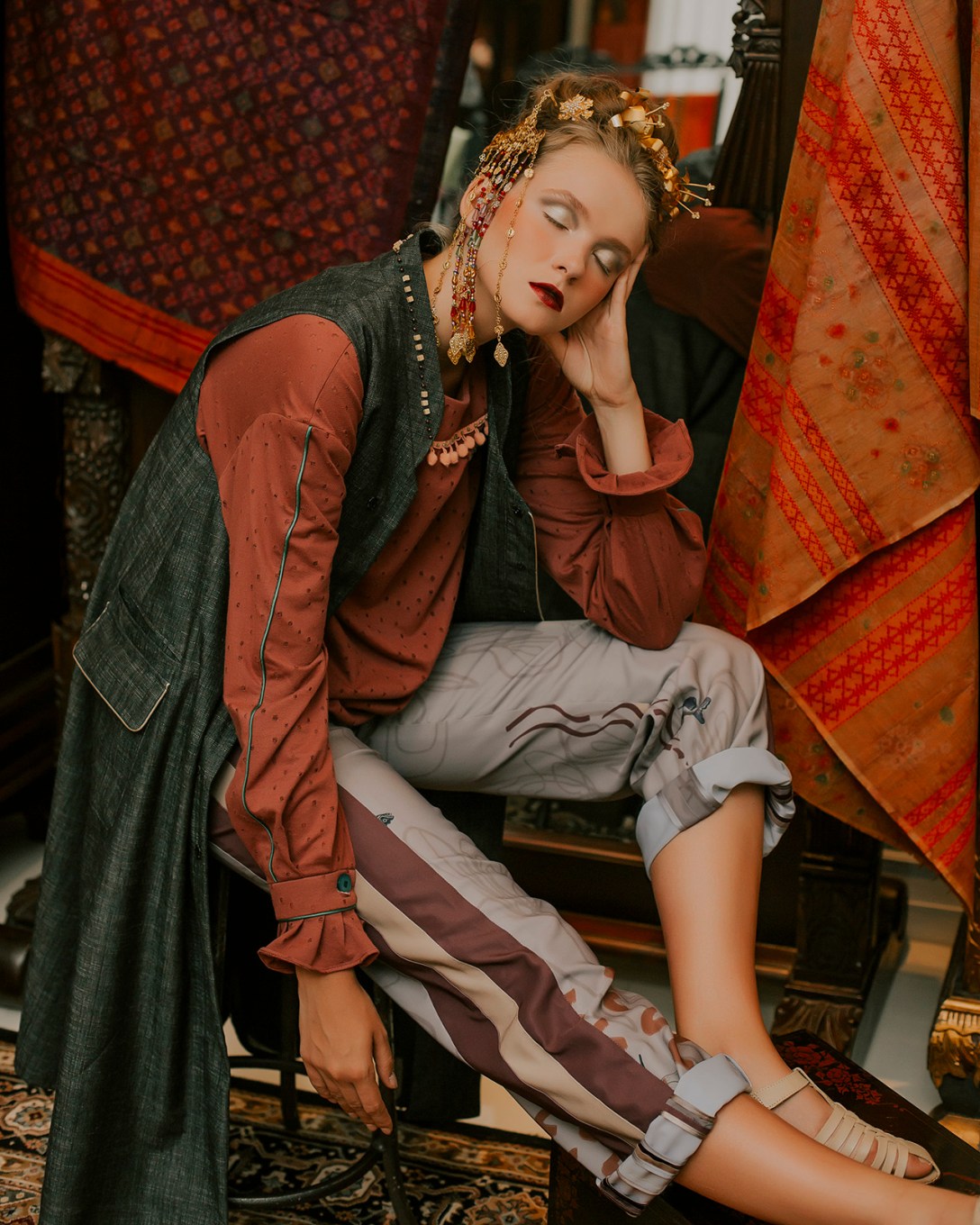
Indonesian fashion brand Happa is a fun and fabulous brand with an underlying mission to support traditional Indonesia textile workers, the majority of whom are struggling, and to also create a female-positive space for women of all sizes, shapes and ages.
Founded by Mel Ahyar and Andien Aisyah, Happa is part of the slow fashion movement; garments are made-to-order and require about five working days to be handmade in Happa’s ethically run factories.
While there is somewhat of an ethnic vibe, particularly in the brand’s lookbook shoots, the designs are comfortably modern, rendered in vibrant shades with artistic details created by using various traditional handicrafts and techniques.
It is the richness of these traditional techniques and details, alongside the sumptuous materials that creates the luxe global vibe of Happa. Saturated colours, create pieces that easily fit into anyone’s wardrobe; wear the look head-to-toe or throw them together with a pair of jeans.
Part of the brand’s mission, ‘Happa Lyfe’ is both a loyalty programme and a social media hashtag that connects the label’s widespread community both in Indonesia, and overseas.
Being based in Indonesia – a majority Muslim country – there is a certain level of modesty about the garments making them appropriate to be worn by hijabi women, while also offering pieces that can be worn in a less modest way.
Happa’s inclusive mission fits into the space of creating clothing for all women, which includes prayer appropriate cultural pieces like the ‘mukena’ redone in bright colours and prints.
Overall the cuts are forgiving, but also free in nature. It is the colours, patterns and additional decorative details that not only give the brand its own style, but also creates the signature ‘Happa’ style.
Thai designer label Takara Wong was founded in 2015 by designer Thakorn Wannawong around the concept of ‘trial and error’, and influenced by subcultures and musicians across the world and history.
According to Wannawong, iconic tropes from the 70s or 60s for example, are mixed with an “aerodynamic sporty silhouette” which makes the garments timeless. The latest collection for 2020 is all about streamlined 70s leather and glam for the menswear pieces, and sexy leather and suiting for the womenswear.
“Imperfections are what make things truly interesting, that is why the brand focuses on the underdogs of society and rebellious spirits,” states Wannawong on the website.
Wannawong is a graduate from Japanese design school Bunka’s Bangkok school, and he has always been interested in fashion, starting with designing pieces for family, and then moving onto creating costumes and outfits for his musician friends.
There is a very new YSL feel to the latest Takara Wong collection – lots of leather, lots of skinny guys and girls with shaved heads, tight and narrow cuts combined with slinky velvet. This is a very sexy collection; but there are also a number of sharp suits that can take you from day to night.
These pieces aren’t exactly cheap, but there is a level of quality and detail that is worth the cost – many of the pieces are ‘demi couture’ and need to be pre-ordered.
Yes. Australia is the home of budgie smugglers, togs and swimmers. Just about everyone, no matter their age or size, has a pair of bathers in the cupboard. Some of us have entire swimwear wardrobes of up to hundreds of pairs.
But, swimwear – particularly the fabrics they’re made from – are not particularly environmentally friendly. Most swimmers are basically made of plastic.
With most of us now becoming aware of the issues surrounding sustainable clothing production, the need for sustainable swimwear has become a bit of a hot topic.
There are a number of smaller Australian brands that have focused on creating swimwear in a more sustainable, or eco-friendly way – they use recycled nylon, or nylon made from recycled sea plastic, or reuse fabric waste. In their different ways, with their different styles, these brands are filling a gap in the market.
Camp Cove Swim
If you love colours and prints, Camp Cove Swim is a brand you’ll get excited about. The cuts are forgiving with high-waist bottoms and supportive tops in pretty graphic patterns and a range of colours from muted neutrals to bright primary shades.
The lining of the swimsuits are made of Econyl – a regenerated nylon made from fishing nets and landfill waste – and the prints are done using the sublimation printing process that uses no water at all to dye fabric.
The brand also manufactures all their garments in a small town on the coast of New South Wales, and uses in-house scraps for their samples, and they on-sell their excess fabrics to local fabric stores.
This is a swimwear brand that’s all about surfing. The style and designs are functional – think rash tops, surf leggings, high-waisted bottoms, supportive tops and waterproof pouches – they also produce surfboards.
The garments are made from Econyl, they use biodegradable packaging and produce the pieces in Australia using responsible manufacturing practices.
Salt Gypsy started out in 2012 with the aim to develop the surf leggings for women surfing; and continues to be focused on creating a closed loop production system using ‘repolymerised’ waste materials and supporting the slow fashion movement.
If you’re as scared of the harmful rays of the sun as I am, you need to check out Shadeswim. The brand was created by a young mother who suffered from skin cancer, and who wanted to create swimwear for adult women that is more covered up, and with a high level of sun protection.
In Australia it is basically a law that children now have to wear full-coverage swimwear ie. rash tops etc, and full-coverage hats with neck protection at schools and public swimming events.
Shade Swim’s designs are not trendy, but they are comfortable and flattering for women of all ages and body types, they protect your skin and are made from a type of sustainable Lycra that is UPF 50+.
Yes, you can upcycle and reuse swimwear fabric according to Re-Swim Club, a swimwear brand that creates its garments out of what would otherwise be considered waste fabric.
The brand sources designer surplus, recycled materials, remnants and off-cuts to create limited run swimwear. All the pieces are hand cut and hand sewn to make the most of every little scrap of fabric.
The swimsuit cuts come in classic styles like tank two-pieces and simple one-piece malliots, and since the fabrics change all the time, there are limited numbers of each piece. Interestingly the brand categorises its products by size – so you shop your size first and then see what is available. This makes sense considering the irregular amounts of each particular fabric.
Yes, this swimwear is designed to make your bum look good. If you’re looking for something a little sexy and love solid colour swimwear, check out Le Buns.
These swimwear designs are a bit more on trend than some of the others, but there is a classic feel that makes sure you will have longevity from your swimsuit. The cuts of the bottoms are also a bit more revealing than more covered-up brands, for those who want to show off a bit more.
The brand pays attention to its supply chain, using suppliers with sustainability and transparency credentials for ethical production. Le Buns also uses biodegradable packaging or home compost grade mailer bags for its online shipping, and even gives you a free wash bag so you take care of your swimwear in the washing machine so it lasts longer and you don’t need to replace it.
This eco conscious swimwear brand is all about Australian nature, from the prints to the styles. Using sustainable and recycled fabrics, Shapes in the Sand produces limited runs – two or so prints per season – in a range of cuts that have been designed to suit all ages and body types.
Like many Australian swimwear brands, every collection comes with a rash top – the cover-up of the Aussie beach – and different styles of bottoms depending on how much, or how little you want to show. The prints are based on the natural environment, and the brand’s models are more natural than fake.
All manufacturing is done in Australia, with the aim of supporting a circular economy; the fabrications come from bio-based (plant) materials and recycled nylon from fishing nets and even carpet fluff! All their packaging is plastic free, and Shapes in the Sand also collaborates with a variety of non-profit environmental and cultural organisations.
For a long time Australian fashion has been known only for its swimwear, beach wear, resort wear, flip flops, shorts, jeans, casual tees and Ugg boots. Now, with the world made smaller via the internet, some Australian designers are beginning to branch out into areas that are more fashion, than retail. In fact, some of the more interesting Australian brands have been around for decades … You just didn’t know about them.
Here are three of my current favourite Australian fashion brands …
Et Al
Et Al is a Melbourne brand that has been around since 1987 when it was founded by Christine and Les Doughty, who still own and run it. This is one of my personal favourite Australian independent labels; it’s very Japanese-art-gallery-worker crossed with 90s goth and bits of Vivienne Westwood.
This is a brand that is strongly influenced by the Japanese designers of the 80s – think relaxed tailoring, lots of black, few patterns, multi-use garments and gender neutral designs. The current brand designer is Anthony Capon who won Project Runway Australia season two.
Et Al is known for its quality of fabrics and finishings; there is a type of timelessness to the designs that make the pieces trans-seasonal. Et Al also supports other young and emerging Australian designers via its accessories stocks that feature artistic jewellery, as well as shoes and hats. The brand offers womenswear and menswear, but many of the styles are unisex. The use of muted colours and some prints adds depth to its more basic black core collection.
The brand produces limited runs of only 8 to 24 pieces of each style, and 70% of their garments are made in Australia. It is also size inclusive running from Australian size 8 to 18. Et Al is even age inclusive, featuring models of all ages in its social media and campaigns.
Another one of my favourite Australian fashion brands, Alpha60 is Melbourne born and bred, founded in 2005 by brother and sister duo Alex and Georgie Cleary. The brand’s name comes from the sci-fi classic movie Alphaville by Jean-Luc Godard.
Alpha60 is another brand where you can clearly see the influence of the Japanese designers of the 1980s.
While there is not so much black, there are lots of cocoon shapes, volume, asymmetric cuts, simple patterns, little glitter or gloss, natural fabrics and size inclusivity ie. nothing’s too tight or too structured.
Alpha60 is a brand that sticks to small production runs, using local sewers, and although it has around 10 boutiques in Australia and New Zealand, is still affordably priced in the lower contemporary range. I’ve bought a fair few pieces.
This menswear brand is an interesting mix of JW Anderson menswear with touches of Off White and Korean brand Junn J. Based in Melbourne, this brand is probably the most experimental of the local menswear brands. Lin is inspired by “architecture, structure, and texture” which can be seen in the cuts, volume and use of wool fabrics.
Lin is also known for his quality, but still interesting, knitwear. The use of various techniques to create lacey sweaters or bodycon tops, gives the brand the JW Anderson feel. Recent collections have shown a brighter and sharper use of colour, particularly the Uniform collection; note the ‘logo’ and use of red. It rather reminds one of something, does it not?
Although primarily a menswear brand, Lin has recently branched out to create a few womenswear pieces, and items that are distinctly non-gendered as well.
These appear to be more like luxe basics with a more elevated feel, rather than Lin’s more artistic runway garments. The newer items look to be more wearable for a wider range of body types as well. A good move in these uncertain times.
For a long, long time Australia was seen as a fashion desert, with its lack of ‘major’ brands, its odd seasons – compared to the rest of the fashion world – and the country’s laidback lifestyle. Even its most cultured of cities – Melbourne – tended towards the basics of shorts and tees in summer and tracky daks and uggs in winter.
Somewhere in the 80s, however, there seemed to suddenly appear a nascent Australian fashion scene. Ksubi sent rats down the runway, magazines proliferated and the average Aussie girl started wearing cute little dresses and Sass & Bide lowrise jeans. Yes! Australia had fashion.
By the beginning of the 21 century, unfortunately this burgeoning fashion industry started to collapse with the influx of high street brands from around the world; the introduction of online shopping seemed the final nail in the coffin of a small, off-season regional fashion industry.
But all is not lost. In the last five or so years there has been a rise in small production, locally manufactured, sustainable fashion brands sprouting in Australia. These brands are focused on circular production systems, waste reduction, ‘slow fashion’, limited production runs, using sustainable fabrics and dyes, and generally not wanting to be ‘huge’ or international brands.
As the coronavirus hits the global economy, many fashion brands are finding their supply and distribution chains at risk. In conjunction with these issues, more customers are thinking about the idea of #shoplocal, of supporting their local economy and small businesses. This situation therefore may become a great opportunity for small, local, sustainable fashion businesses.
Here are six small, sustainable Australian fashion brands to check out. Remember, just because they are small, doesn’t mean they don’t sell online, and ship globally (in biodegradable packaging).
A.BCH
Founded in 2017 by Courtney Holm, A.BCH is a womenswear and menswear brand with many garments fitting into the non-gendered definition and in fact shot and sold on both men and women. The core of this brand is its circular production cycle, or circular economy standard.
The brand’s line of elevated basics are all made in Melbourne from organic, recycled and renewable materials; buttons are made from seeds of fallen corozo fruit and their factory is family owned and operated in Melbourne.
A.BCH’s design is a mix of practical basics – sweaters, tees, shirts, pants, skirts etc – in muted neutral shades and simple patterns. There’s an earthy, relaxed and comfortable vibe about the brand, it’s almost anti-fashion.
Although the focus of the design is on reducing waste, the odd thoughtful detail on a basic garment helps elevate the brand to something a little bit more interesting.
This Melbourne denim brand is all about sustainability and ethical production. Everyone knows that denim is one of the worst fabrics when it comes to pollution, water use and waste, which is why the team behind the brand is focused on making ‘clean’ denim garments.
All the garments are made in Melbourne with guaranteed fair working conditions employing over 80 staff; Nobody Denim is also accredited with Ethical Clothing Australia (ECA).
The brand is also very careful in where it sources its materials – which means working with suppliers who meet IS014001 standards, use natural enzymes in their laundry, have reduced their water use for certain processes by 50% and support Australian hardware suppliers like YKK zips to reduce their carbon footprint.
Nobody Denim doesn’t just do jeans, the brand also offers womenswear tops, skirts and even dresses in fabrics like organic cotton and silk. But it’s best pieces are the denim, particularly their season collection items like coloured denim, wide-leg jeans and slim cut denim jackets.
Made in Melbourne brand Kuwaii was founded in 2008 by designer Kristy Barber and is all about the slow fashion movement and local production. The womenswear brand focuses on creating anti-fast fashion pieces that are less trend driven, more about personal style, comfort and longevity.
All garments are made within a 15klm distance from the design studio, and even its footwear is made by one of the last surviving Australian footwear factories, where each pair of shoes takes up to a day to make by hand.
Kuwaii is also focused on transparency with its environmental goals posted on its website; it aims to be carbon neutral by June 2020. It’s packaging is either biodegradable, compostable, recyclable or reusable; even for online shopping the brand uses compostable bags and a biodegradable sticky tape. Fabrics are as environmentally sustainable as possible, the brand also uses surplus fabrics in their collections thereby repurposing waste from larger brands.
Kuwaii’s aesthetic is a combination of comfortable shapes, natural materials and colourful prints. The brand collaborates with local artists to create unique print runs on limited pieces, mixing these with muted solid colours and neutrals. It’s a casual brand creating comfortable clothes for women of all body types and ages.
Launched in 2018, Joslin is a womenswear brand based in Melbourne founded by designer Elinor Joslin. The brand is a slow fashion label with an emphasis on limited lines in sustainable fabrics.
Joslin is a softly feminine brand and is best known for its signature linen dresses adorned with ruffles, pintucks, smoking and button detailing. More recently the brand is being noticed for its stylish and flattering range of knits, which also have a quietly feminine touch. The brand features a lot of traditional fabrications and techniques.
On the sustainability front Joslin uses 100% compostable bags and packaging for its online shipping, including 100% recycled tissue paper, and its international orders are carbon offset using DHL’s GoGreen Climate Neutral service.
The brand uses natural fabrics, and only uses synthetics if there is totally no other alternative; its signature linen and ramie fabrics, silks, organic cottons and merino wool fabrics are used in conjunction with recycled cotton and nylon. For 2020 the brand’s design team is working with natural dead-stock fabrics and working on discovering alternatives to synthetic fusings and plastic zips and buttons.
Another Melbourne based brand, Devoi is all about slow fashion and ethical consumerism. Known for its original prints, the overall vibe is fun, colourful, wearable and comfortable. From its launch, the team behind Devoi decided to focus on ensuring ethical manufacturing practices and sustainability.
This womenswear brand’s design is less about trends and more about longevity – like most of the brands in this list. Devoi does not use synthetic fibres, instead using silk, viscose and linen – mainly because all these fabrics can be dyed and cleaned in cold water with natural detergents. The custom prints are digitally printed since it uses less water and produces less toxic waste. The dyes used for the printed fabrics are AZO free dyes and natural plant dyes.
The brand’s manufacturing is done overseas, however it works with factories that are connected to NGO organisations, supplying mattresses made from scrap fabrics for those in poverty. That same factory reuses cardboard boxes for delivery to Devoi. Devoi’s textile dyeing mill has a treatment plant that uses evaporation and separation technology to clean the water used in the dying process, and then reuses the recycled product.
In line with much of the slow fashion movement, Devoi produces limited runs so there is no wasted fabric or stock wastage, and the brand uses the print fabric offcuts to create accessories like belts, headbands, pouches etc.
This brand is less a fashion label and more an art project led by Sean Tran. While SHHORN does produce clothes, it is also focused on creating handcrafted fabrics and other objects in search of the “inherent traits of natural materials through design and construction activity”.
Tran is a self-taught tailor who used to be an architect and jeweller, and spends his time between an atelier in Sydney and a handcrafting fabric studio in the Blue Mountains. The resulting garments are hand stitched from fabric that has been crafted from raw fibres also by hand.
There is something very Japanese about SHHORN in the way the process of the making is as important as the final garment; the pieces – both menswear and womenswear – have an old fashioned feel to them with a kind of artistic Amish vibe.
There is also an element of non gendered design, with pieces being shot on both male and female models. There are menswear pieces that echo womenswear cuts, and also a touch more of the Japanese artist’s aesthetic with short-cropped trousers and voluminous cocoon shapes for both genders.
The cuts have a timeless quality about them with generic shapes being made important and interesting due to the way they are produced, rather than any strong creative urge. Accessories include kangaroo leather pouches and belts, all very authentic and hardwearing, again the design is about functionality and longevity.


































 niki bruce