Ethical and sustainable fashion, like all trends and styles, has begun to settle into a series of expected norms; organic cotton, neutral and natural shades, prairie dresses, cable knits and a somewhat ‘earth mother’ vibe.
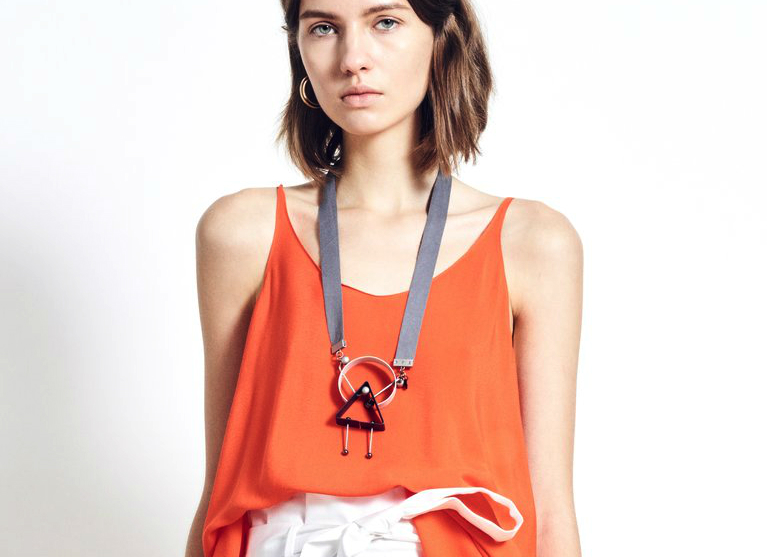
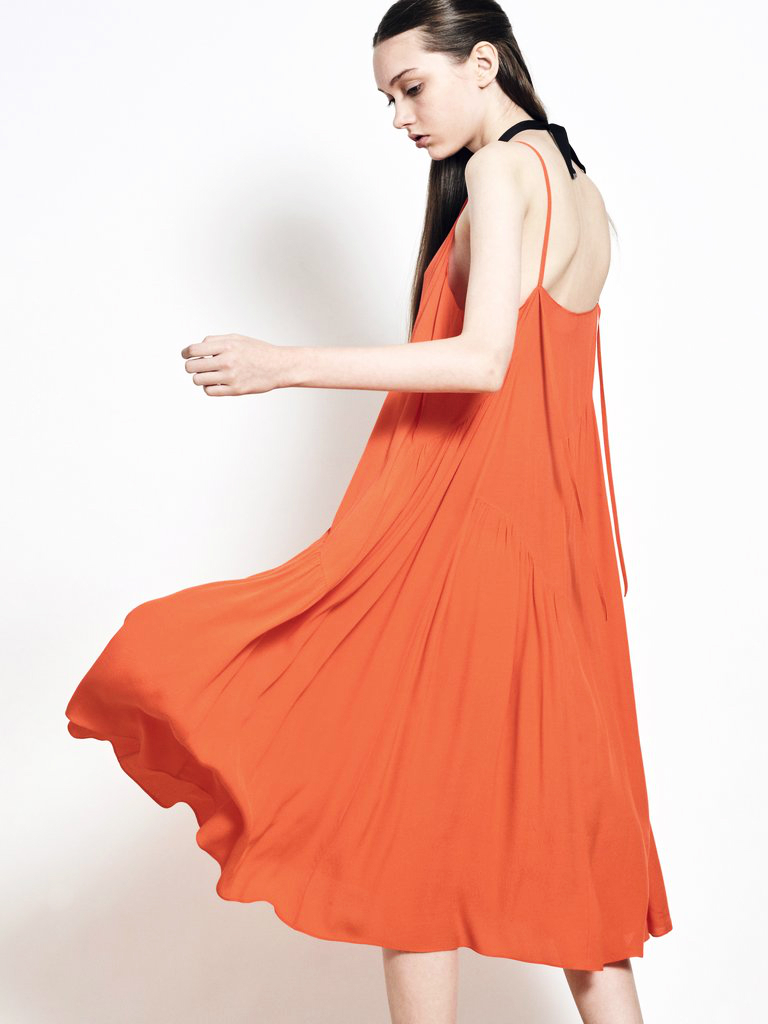
But it doesn’t have to be that way. The work of Melbourne-based designer Erik Yvon is a fabulous example of design overcoming the expected norms. Yvon uses bright colours, strong prints and unique textures inspired by his Mauritian origins, to create clothes that are joyful, inspired by art and culture, and dedicated to sustainable and ethical production.
“As an independent label we firmly believe in making a change and strengthening our local industry by keeping our production, onshore, transparent and ethical,” writes Yvon. “We are mindful of the footprint we have on our surroundings and try to have a positive impact on the community within our supply chain.”
The brand stocks limited runs of different pieces, and produced made-to-order so as to reduce waste. Yvon also produces all of his products in Melbourne, supporting local industry businesses and working with various communities.
“We pride ourselves on being made in Melbourne and work closely with local suppliers,” writes Yvon on the brand’s website, listing the local businesses they work with.
The Erik Yvon look is an interesting mix of streetwear comfort, and over the top avant garde use of colour, texture and pattern. There is a strong gender neutral thread running through the brand, particularly in its use of separates – tops and pants that can be worn by guys, girls, anyone. The style is also relatively size inclusive, with generous cuts and the use of volume creating flattering shapes for most body types.
There is a touch of the 90s in the brand’s designs too – particularly the use of legging type trousers, tights and black and white geometric patterns. Strong colours like neon yellow and hot pink are softened by the use of more natural shades, but the feel is one of sunny days and parties on the beach.
Carla Zampatti is one of Australia’s best-known, most successful and globally recognised fashion designers, and for her Grand Showcase she showed a classic collection.
Over 30 years ago, Carla Zampatti introduced me to the idea that fashion could be a career. As a teenager I attended a talk she gave about how fashion wasn’t a frivolous pastime, but something that could become a job for life.
Obviously the designer practiced what she preached. Zampatti opened her first store in 1972; that’s almost 50 years ago. And she hasn’t stopped working to create the classic Australian woman’s wardrobe.
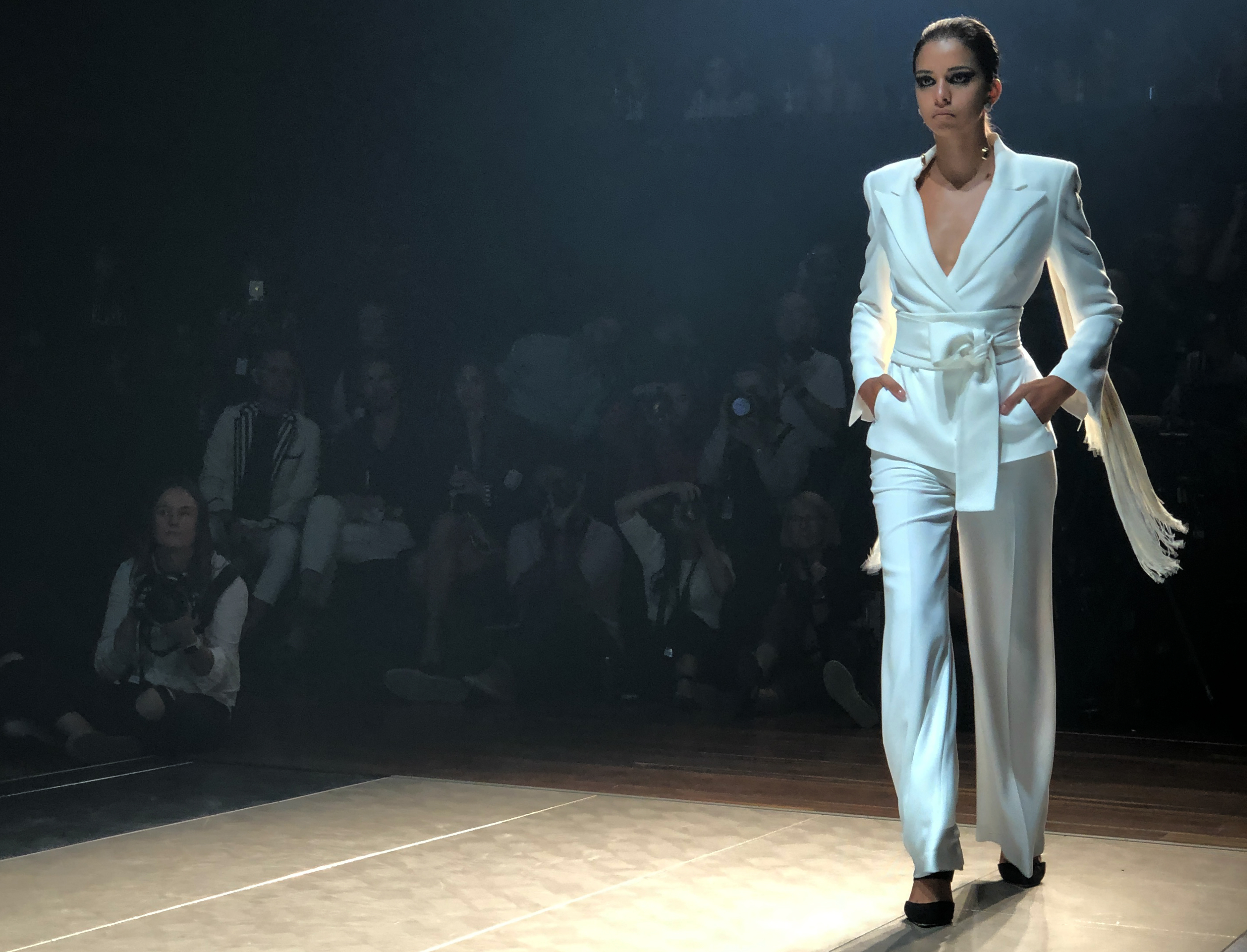
For her Grand Showcase affaire at VAMFF, Zampatti held her own on the runway – the only brand to have a stand-alone show – with a series of wearable, stylish and elegant looks that held little overt drama but a whole lot of ‘chic’.
Luckily for me I was seated next to the lovely, warm, friendly and funny Robyn Baillieu, wife of the former Victorian Premier Ted Baillieu.
Chatting about her interest in fashion, especially how innovation is changing the industry, Baillieu said that she, and her two daughters both wore, and loved, pieces from the brand. And as Baillieu happily pointed out looks she loved and some that she already owned, it was clear that Carla Zampatti has developed into a label that suits a wide range of ages.
While the runway show was all about Zampatti as a designer, and the brand, it was also heartening to see so much inclusion on the runway. Globally there has been a lot of talk about the importance of including all races and creeds, and sizes.
While Zampatti featured stunning black models and Asian models, and included two hijabi looks, it would have been fabulous to see a few elegant mature women and women of different shapes on the runway too. Melbourne model Hanan Ibrahim (pictured below) was the first hijab model to walk the runway for Melbourne Fashion Week.
Melbourne model Hanan Ibrahim was the first hijab model to walk the Melbourne Fashion Week runways
With a soundtrack provided by Eurovision songstress Dani Im supported by Nick Wales, Peter Simon Phillips and Jonny Seymour, the set of the Royal Exhibition Building resounded to a mix of contemporary soul and more instrumental sounds – the perfect accompaniment for the collection that was also a mix of classic and contemporary.
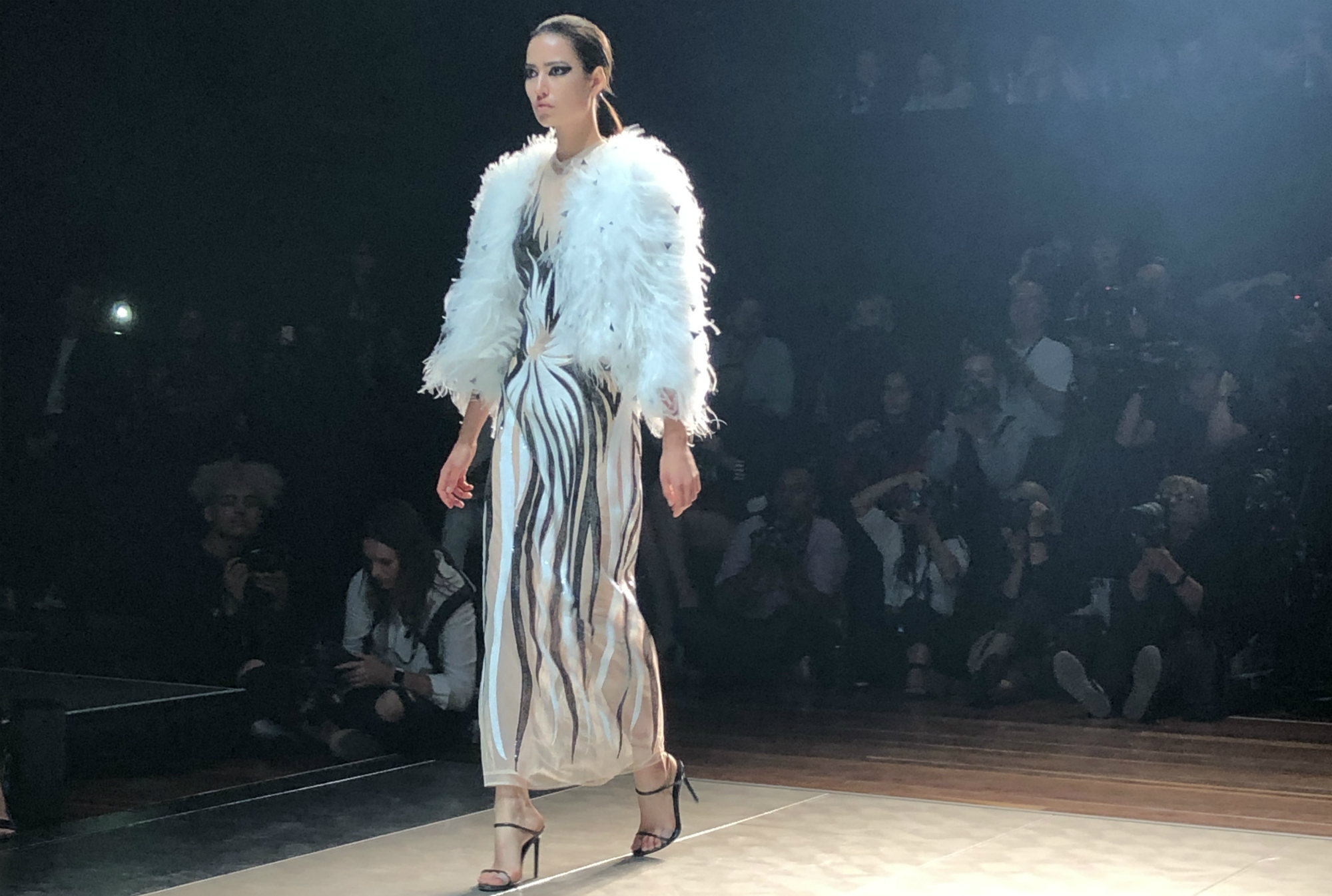
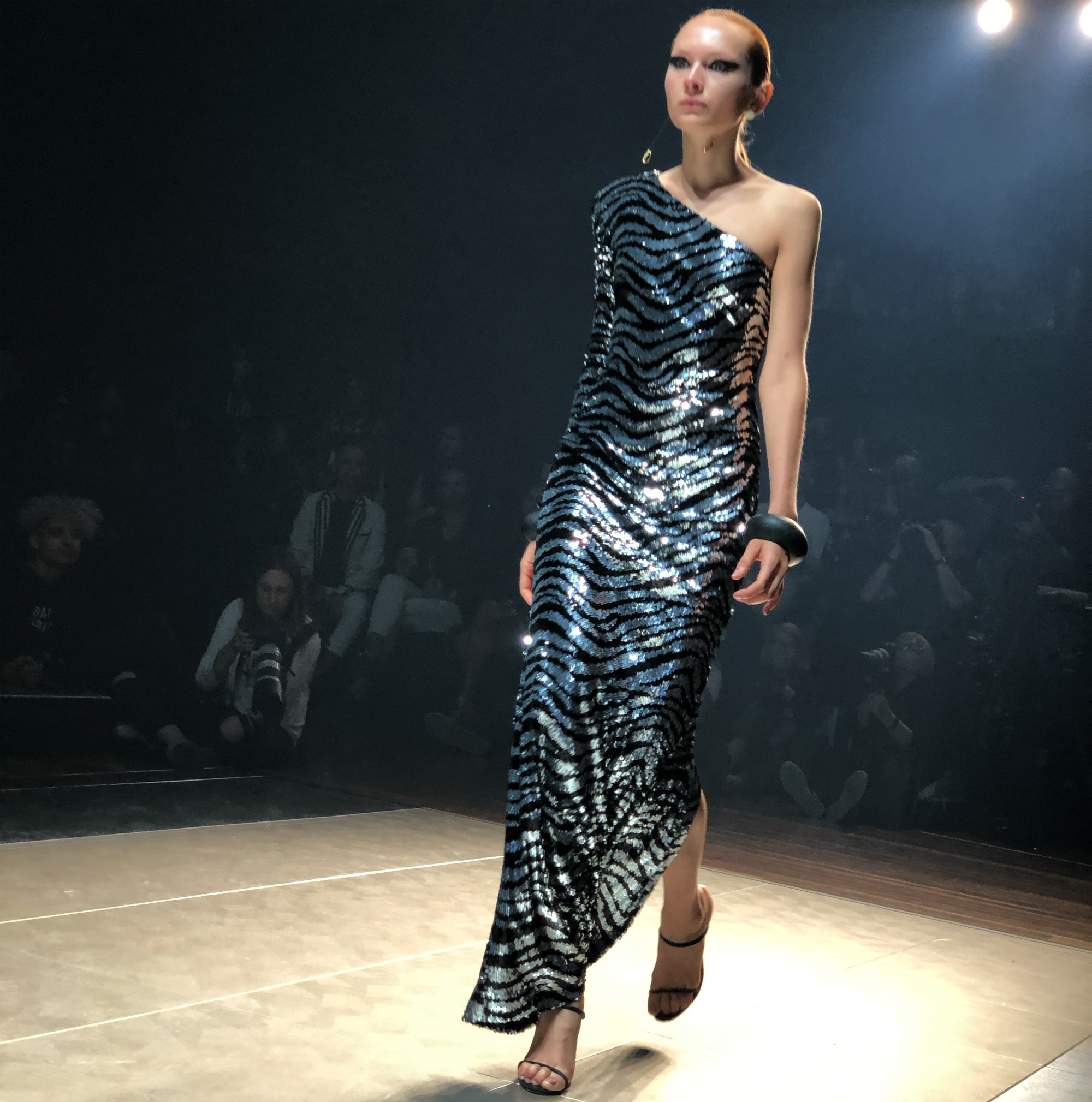
Opening with a series of classic Carla red looks, working through sky blue satin, a glittery houndstooth jacquard, leopard and zebra prints (with added bling), it was the tailoring, coats and jackets that showed why Australian women love the brand.
A stunning boxy double-breasted coat in boucle tweed stood out as one that would stand the test of time; as did a white wool suit with swinging fringe.
The houndstooth pieces, rather ironically considering the passing of Kaiser Karl, were reminiscent of classic Chanel – a comparison that can never be escaped when using that pattern in black and white. However Zampatti deftly added her own touch with a simple long skirt in once case, and a neat pair of capris in another.
There were a number of capes and capelets; the most successful being a beguiling caramel coat-dress in a lovely suede.
Less successful were a series of graphic evening dresses – one with a mound of maribou, another not quite fitting the model correctly – as they seemed a little too ornate, especially when compared to other evening looks.
A classic ‘sexy’ mini encrusted in shining sequins and another evening gown that cleverly created a zebra stripe of shimmer seemed more streamlined and elegant.
Perhaps the most interesting and memorable look was a delicately pleated maxi dress with string-sized straps, a low vee neckline and perfect pleats front and back; the cut of the back was done to perfection as it sat proud from the shoulder.
This was a stunning example of quality tailoring, however it didn’t seem to entirely fit the rest of the more classic collection. Perhaps it is a new concept we will see more of in the future.
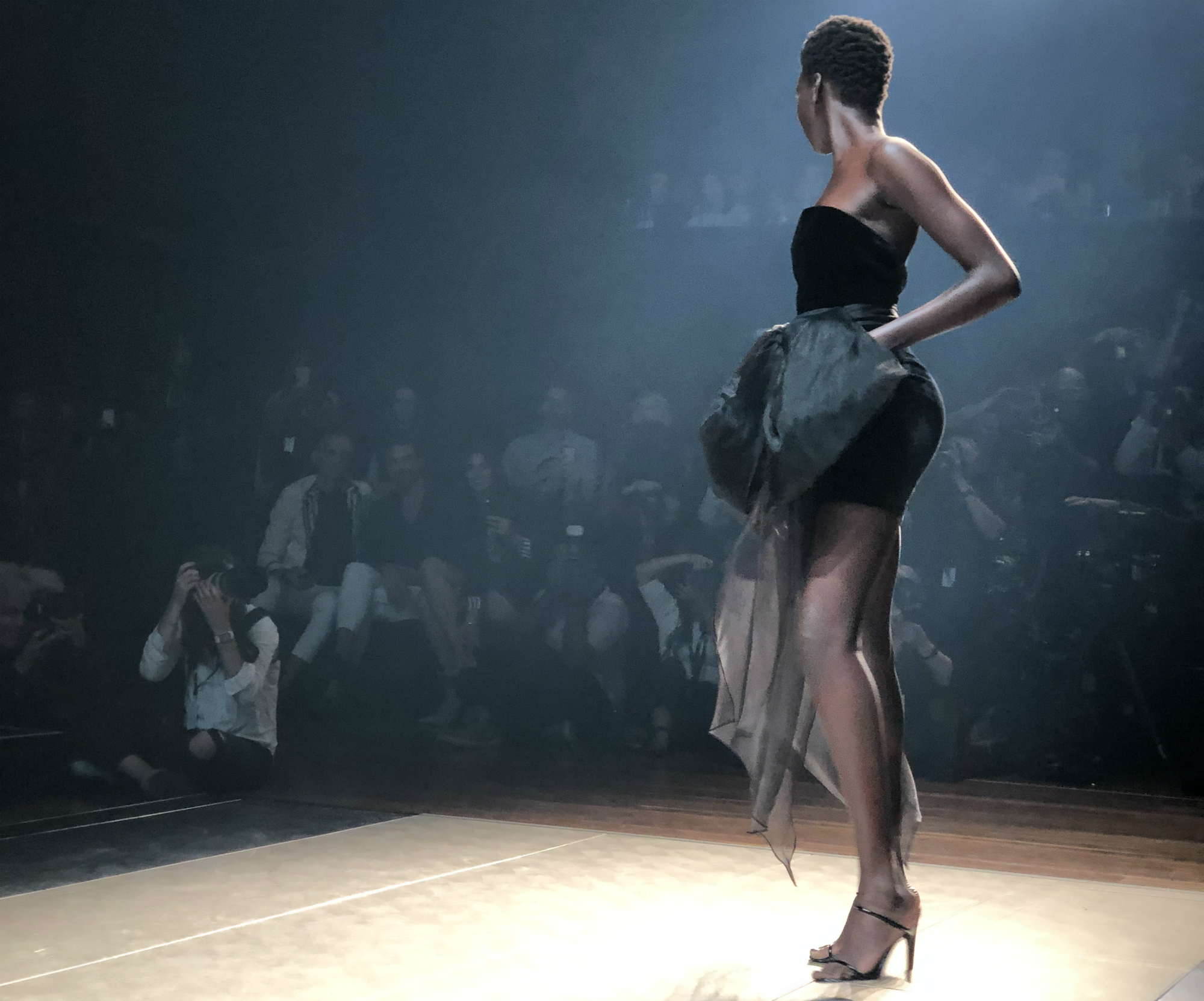
The show closed with a collection of black evening frocks that were again, more classic than cutting edge, not that this is a bad thing.
Since the fashion industry currently appears to be having a crisis of conscience around the issues of sustainability and ethical fashion, it may be time to invest your money in pieces that will always look stylish, rather than just jump on a passing trend.
As the show ended, Zampatti received a standing ovation. Not many designers, even the big names in Paris, get that.
I attended VAMFF as part of its Writers Programme.
For a long time I’ve had an issue with Singapore media describing certain companies that make clothes as ‘fashion brands’ but which are actually ‘retail’ labels. These brands – Love, Bonito is one of them – are not really ‘fashion brands’; they are companies that make nice clothes, at reasonable prices, with a bit of personal style, for people to wear on a daily basis. These brands are more similar to Topshop and Uniqlo than they are to Dior or Chanel, or even Vetements.
In Singapore there are number of quite successful retail brands that have been making their way into popular shopping memories, but which are not fashion brands per se. Brands like Love, Bonito, By Invite Only, Beyond the Vines and Benjamin Barker, were recently featured at the Singapore Fashion Awards 2017, as part of the ‘marketing’ section, not as part of the design awards. And having been a founding judge for the awards, I know that the reason these brands are featured is because they are popular and much more retail-friendly than many less wearable or conceptual designer brands. Designer brands that are more appropriate to be considered as ‘fashion’ labels.
Now, don’t get me wrong. I’m not saying that more retail-friendly brands are worse than the more fashion-forward labels. What I’m trying to highlight is that these types of clothing companies are not ‘oranges and apples’, they’re more ‘oranges and coffee-smoked buffalo tongue’. The first is something that doesn’t scare the shopper, the second is only for the very adventurous.
I have a great deal of respect for Love, Bonito’s founders. They have created a very lucrative business in a fashion retail environment that’s been under a great deal of pressure for the last 2-3 years. The brand knows exactly who their customer is; they know what she wants; and they know how to give it to her in a seamless online-to-offline experience. The brand has a variety of price points, but retains its core directive from its launch, expanding only as much, and as directionally, as is needed to grow the business. Love, Bonito is not a fashion brand swinging on the weird wind of trends and concepts; it’s sailing along smoothly along in a clear direction. And this is not a bad thing.
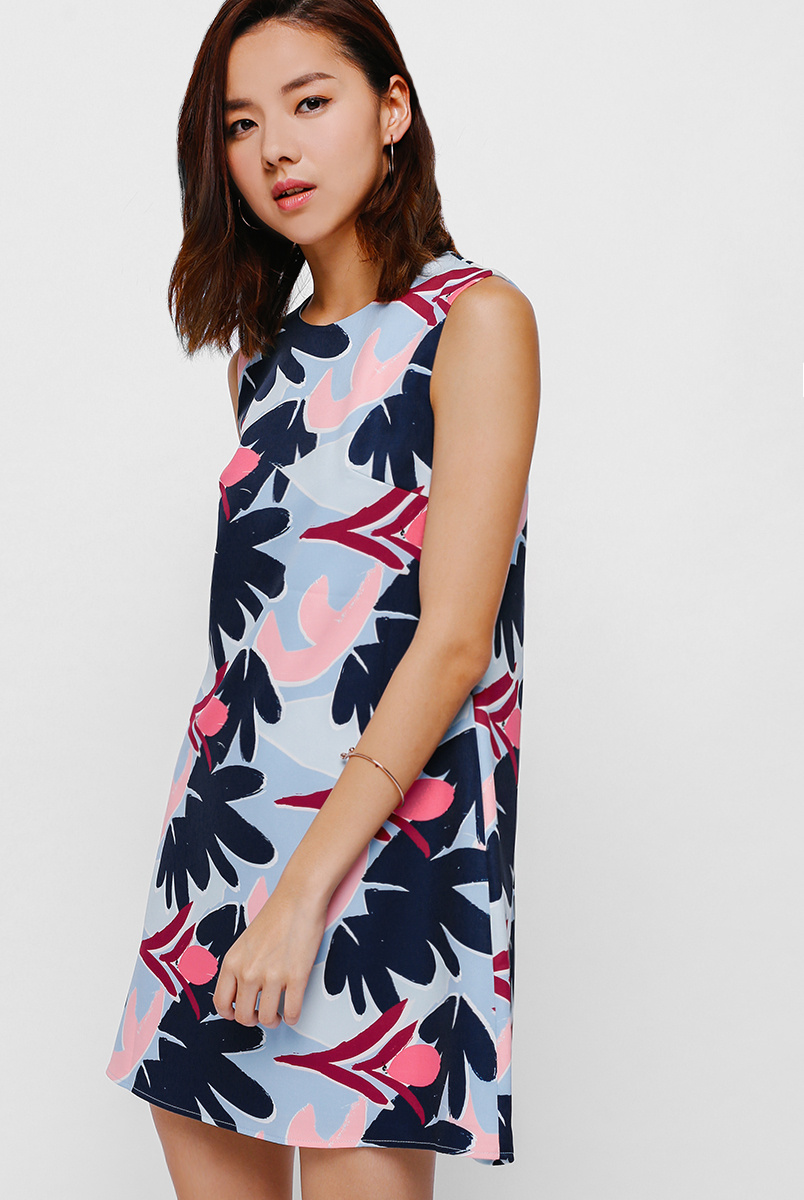
Image from Love, Bonito Chinese New Year 2018 capsule collection. Model: Jasmine Sim
While I may not consider Love, Bonito to be a hardcore fashion brand – you can read about the Singapore brands I do consider more ‘fashion’ – the founders have never claimed it is one. They are purposefully creating a business that has long term prospects in the retail market.
There are a few other Singapore brands that are also not exactly pristine when it comes to plagiarism. Whole9Yards has been cited for knocking off first, Self Portrait – the classic coloured lace dresses of its earliest collections – and now Malaysian designer, Jonathan Liang. Pleatation is obviously a copy of Issey Miyake’s Pleats Please label.
For Pleatation, the concept arose at the same time as micro pleated skirts started flooding Zara and Topshop; the brand cleverly linked up with this trend.
Image from Jonathan Liang SS17
When Whole9Yards first launched there was not a whole lot to talk about. The design concept was very ‘office lady’. However, after Self Portrait’s iconic lace dresses took off in 2013, Whole9Yards began to specialise in lace dresses the average OL could afford. The lace dress became a staple of its output. And very successful it was too. Although I’ve noticed that the brand has massively increased their prices now that they’re doing items that look like those of Jonathan Liang.
Image from Whole9Yards AW17
Again, I’m not saying that affordable retail options are an entirely bad thing. What I am saying is that making items that so closely echo the creative work of other designers is not fashion; it is copying. It is the lack of original design coupled with riding a wave of commercial popularity that makes it ‘retail’ and NOT fashion. At least as far as I’m concerned.
As I was quoted in this very flattering story by Adele Chan, the Editor-in-Chief of Nylon Singapore … “As always, I want to remind readers that this is my personal opinion, and as with anything, you can always have your own.”
There is a tendency in small communities to rave about any local brand or designer simply because they ARE local.
While it is important to support local talent, it is just as important to give praise where due, and to not simply celebrate the ‘localness’ for its own sake.
This is what has happened over the last 6 years in the Singapore fashion industry. Local brands with little to no true originality have been patted on the back and given media coverage simply because they exist. It’s like giving all the kids in a race a certificate and no medals for first, second or third.
When you don’t appear to get anything more for standing out from the crowd and being better than others, what’s the point of trying?
Conversely, just because you have a lot of friends in the local media, it shouldn’t mean that your work is placed higher on the tent pole of adulation.
In Singapore there has been a general creep towards admiration for retail brands that have successful social media accounts, rather than support for labels that do their own thing and focus on creating original work.
Yes, we should be proud of the brands that have continued to be economically viable in the current difficult retail environment – and indeed, they deserve praise simply for surviving. However, retail-successful brands are not going to be cutting edge fashion design in a trend-focused, shopping-driven country like Singapore.
Over the last 9 years in Singapore I have seen so many fashion brands come and go. Some deserved to disappear from our fashion radar, but others succumbed due to the lack of media attention, the lack of fashion education for shoppers – also media-led – and a general oversupply of any, and every, fashion brand in the world. Not to mention, of course, the increasing rise of online shopping.
Out of this complicated mess of being ignored in favour of someone’s friend’s new blogshop sourced from Dongdaemun Market; fighting for sales against global retail giants; and forever being forgotten by the fashion media except for the annual ‘Singapore issue’, there have risen a few fashion and accessories brands worth talking about.
These are my personal picks for Singapore fashion brands that actually work from a creative base of originality; no, they’re not all perfect (no brand is) but they have worked to ensure that they have a brand identity that doesn’t depend on ripping off other brands.
DEPRESSION
Image: Depression
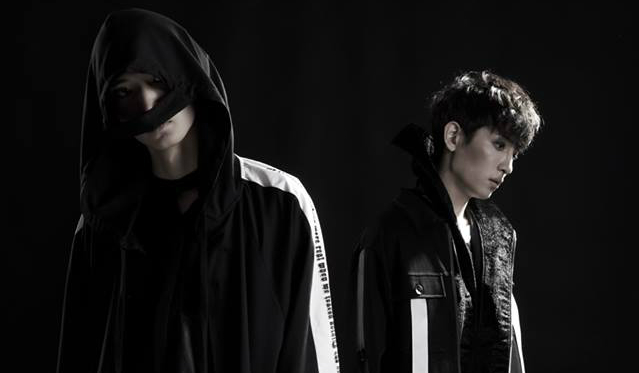
Yes, I admit that I am personal friends with the designers behind Singapore streetwear unisex brand Depression. However, this doesn’t mean I can’t objectively appreciate what Kenny Lim and Andrew Loh have done over the last 10 years. Yes, Depression is 10 years old.
A brand that began as t-shirts for the impoverished junior industry creatives and hairstylists of Singapore, has grown into a brand that has a distinct DNA, is stocked globally and has shown at Berlin Fashion Week.
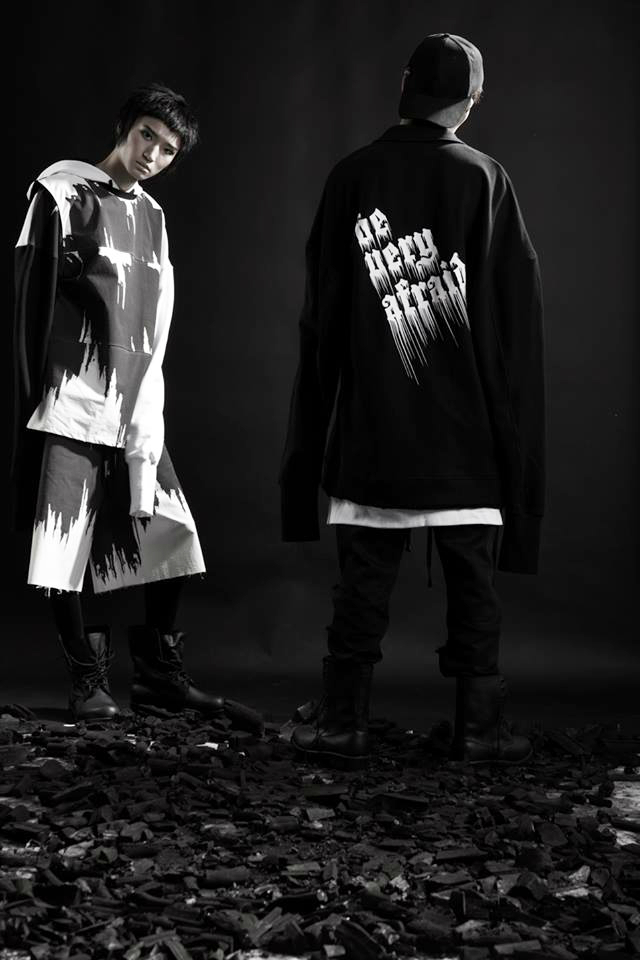
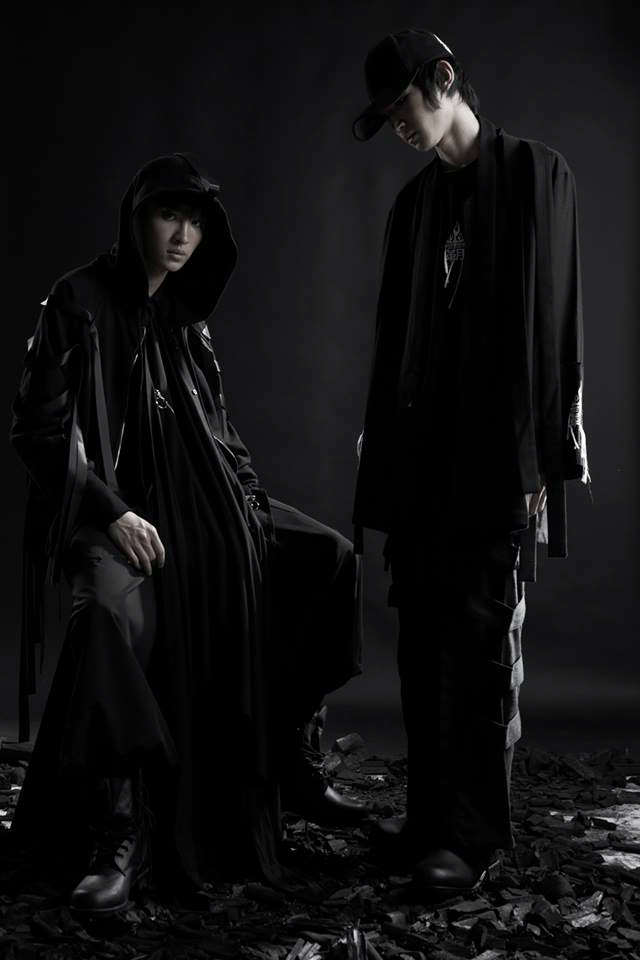
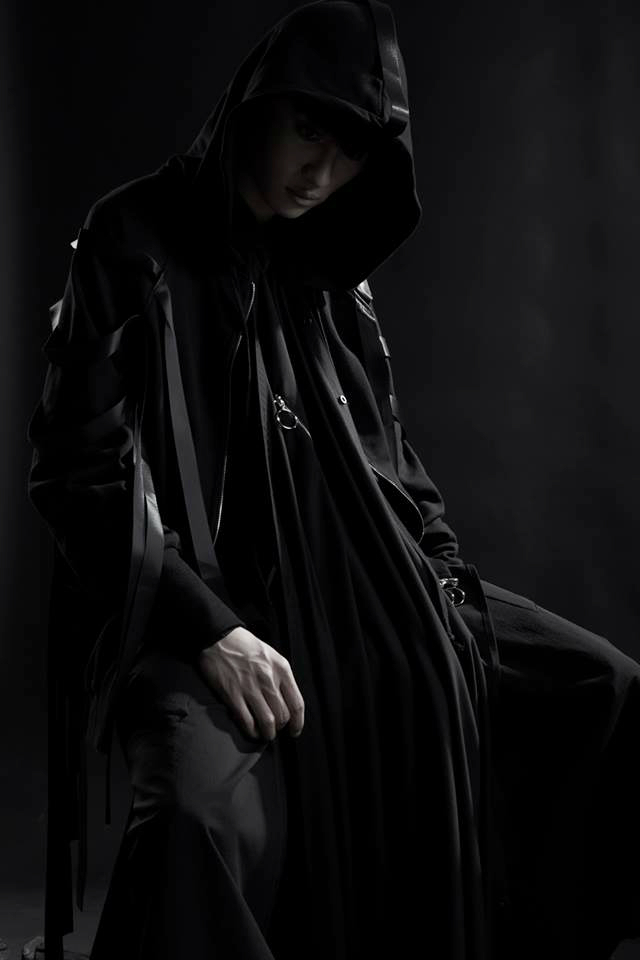
Depression is not a brand for everyone. It’s mostly black, drapey, oversized, punk-influenced streetwear for guys who work in the creative industries and girls who don’t like wearing pink lace dresses. But this doesn’t mean it’s not good.
Depression has a particular point-of-view and a targeted customer. And these are the reasons why it has survived Singapore’s ‘retail apocalypse’.
Image: Depression
Depression does have some issues. Over the years the brand has had hiccups in fabrication and fitting, but the team of designers tend not to make the same mistakes twice. As the brand owners have branched out into a multilabel store – Sects Shop – and a number of in-house brands, their ‘learnings’ have been incorporated into improving the Depression label.
Despite, or in fact, because of this, Depression is a Singapore fashion brand worth celebrating, whether or not you love an all black wardrobe.
Depression is available from Sects Shop located at Orchard Gateway #04-14, Singapore, and online at www.depression.com.sg.
IN GOOD COMPANY
Image: In Good Company
Designed and owned by the creative team behind now-defunct original Singapore brand Alldressedup, In Good Company is a tight collaboration between two designers who have their own specialties, and who know exactly who they are designing for. I’ve always said that the team, who worked together for about 10 years, made all their mistakes with someone else’s label, which is why they have grown from strength to strength since the brand launched in 2015.
Image: In Good Company
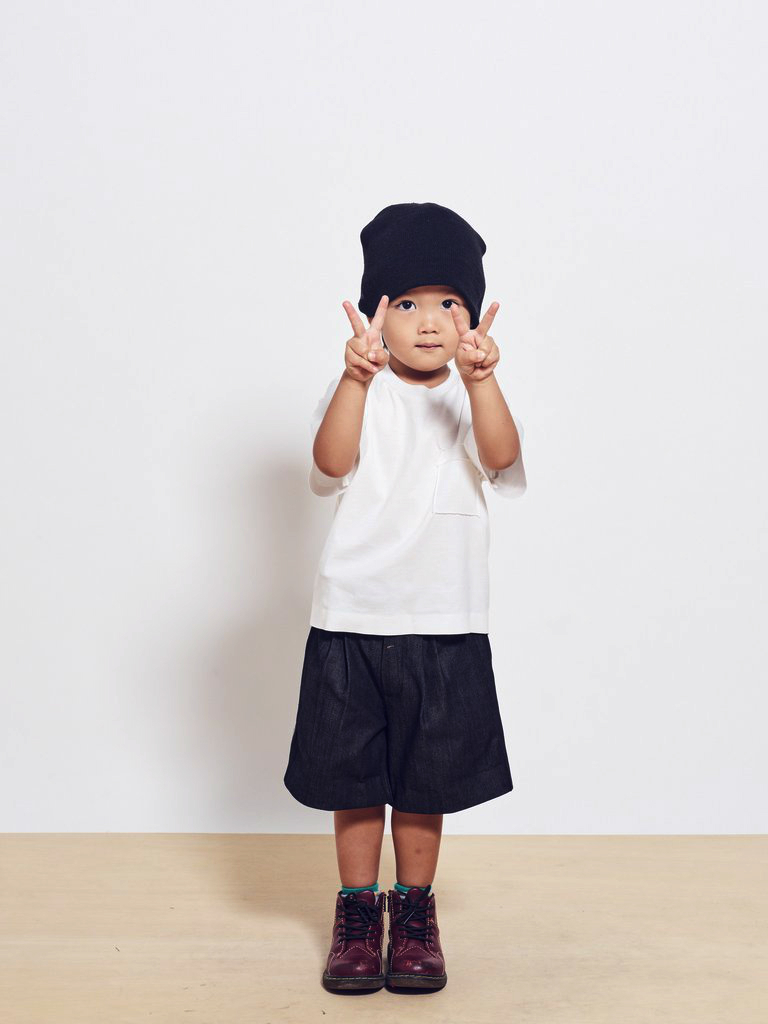
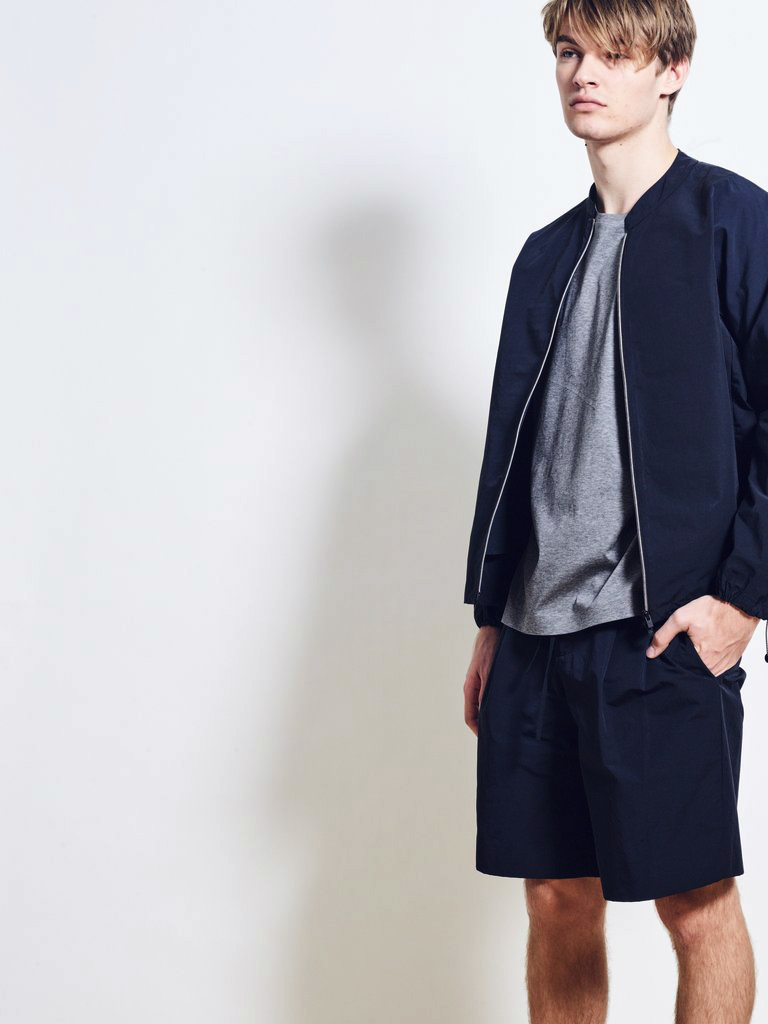
Jaclyn Teo, Sven Tan, Kane Tan – no relation – and Juliene Aw, are the co-founders of In Good Company, which started out with contemporary womenswear designed specifically for Singapore and the Southeast Asian region’s hot weather in a series of capsule collection ‘drops’, and has now expanded into matching ‘mini me’ collections for kids, and menswear. The brand is stocked in a number of stores in Singapore and the surrounding region, including in Jakarta, and has its own ‘tropical minimalist’ flagship store in ION Orchard on Orchard Road.
Image: In Good Company
The reason I describe the brand as being ‘tropical minimalist’ is that its aesthetic is a mix of Scandinavian minimalist design (yes, there’s a fair bit of COS in the shapes of the clothes) combined with a love of strong colours, ease of wear and machine-washability; perfect for tropical weather.
Image: In Good Company
Cuts tend to be on the smaller, Asian side, however the brand launched first as an online store and has a wide range of global customers. The signature very-fine shoulder and back strap details, and unique fabrics like machine-washable silk and cotton ‘neoprene’ means In Good Company remains modern without being trend-driven. Pieces from early collections can just as easily be worn with the latest launches and also fit nicely into ‘arty’ wardrobes that feature a lot of Comme Des Garçons. Yes, there are a few ‘basics’ that have a tendency to look like COS summer collections, but overall, In Good Company retains its own voice.
Image: In Good Company
The co-founders knew exactly who they were selling to before they launched the brand, and continue to stick to that very defined demographic despite the brand’s increasing profile as original Singapore design. They’ve been offered opportunities internationally – in countries that are definitely NOT tropical – but have stuck to their guns when it comes to designing for the region, not being beholden to global weather and not sticking to arbitrary fashion seasons.
It’s the combination of sticking to their preferred business model, knowing their customers and always exploring technology to create new, more comfortable fabrics, that has seen In Good Company continue to grow and establish itself as a strong independent Singapore fashion brand. This is not a brand that wants to become a global behemoth, the founders are all about staying true to their personal aesthetic and likewise living a life that allows for family and friends.
In Good Company is located at ION Orchard, 2 Orchard Turn, #B1-06, Singapore. Open daily: 10am – 9:30pm, Tel: +65 6509 4786. You can shop the brand online at www.ingoodcompany.asia, and the store is also home to a cool cafe, Plain Vanilla Bakery.
CARRIE K. ARTISAN JEWELLERY
Image: Carrie K. Artisan Jewellery
Once again I have to own up to being personal friends with the team behind Carrie K. Artisan Jewellery, but hey, Singapore is a small place.
Carolyn Kan, the founder and designer of the brand is the perfect example of a Singapore creative just doing her thing, being excellent at what she does, and ignoring the shallow, wider world of globally focused trends and social media ra-ra.
Image: Carrie K. Artisan Jewellery
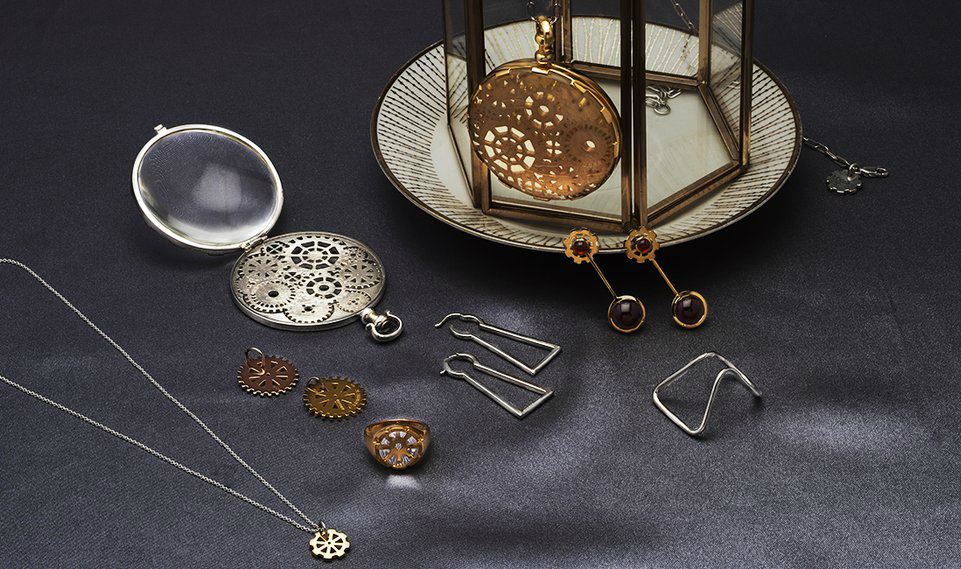
Carolyn launched the label way back in 2009 as a way to ‘tell stories’ after changing her career. Almost immediately the brand took off as an international jewellery exporter; her quirky designs based on everything from nuts & bolts to paint splatters and morse code, struck a cord with people looking for ‘wearable art’ that was not only affordable but also unique and told a personal story. Carolyn has always done commission work, creating very personal pieces for customers who want something that tells their own story.
Image: Carrie K. Artisan Jewellery
The retail side of the business has grown over the years to encompass pieces in silver for less than a $100, to fine jewellery versions that can go for thousands. Every collection starts from Carolyn’s odd-but-interesting brain and continue to tell fun and unique tales about her world and the fans who have bought into it.
Image: Carrie K. Artisan Jewellery
On top of all this, Carolyn has been the backbone of the creative design scene in Singapore. Her creation of the Keepers Studio concept from pop-up weekends and stores, to a permanent retail space at Singapore’s National Design Centre, has seen her become the most important person in the national design scene. Without her, there would not be successful Singapore brands – a bold claim but one I’m ready to defend.
The Carrie K. Artisan Jewellery atelier is located at National Design Centre, 111 Middle Road. #02-03 (Annex building along Queen Street), Singapore. Open: Monday to Saturday, 12:00 – 7pm, Tel: +65 6352 2559. You can also shop the brand online at www.carriekrocks.com, and at the Keepers store. For a full list of stockists including international, go to www.carriekrocks.com/stores.
These are my current best Singapore designer fashion and accessories brands. I’ll continue to update and add to the list.
Yep, more images from my recent trip to Taipei for Taipei in Style with my boys Andrew and Kenny. This time it’s the (in)famous #oodt with a bit very bad model posing included. Enjoy!
*note: again, if I’m in the image it was taken by Andrew or Kenny, and all images shot on iPhoneX 🙂
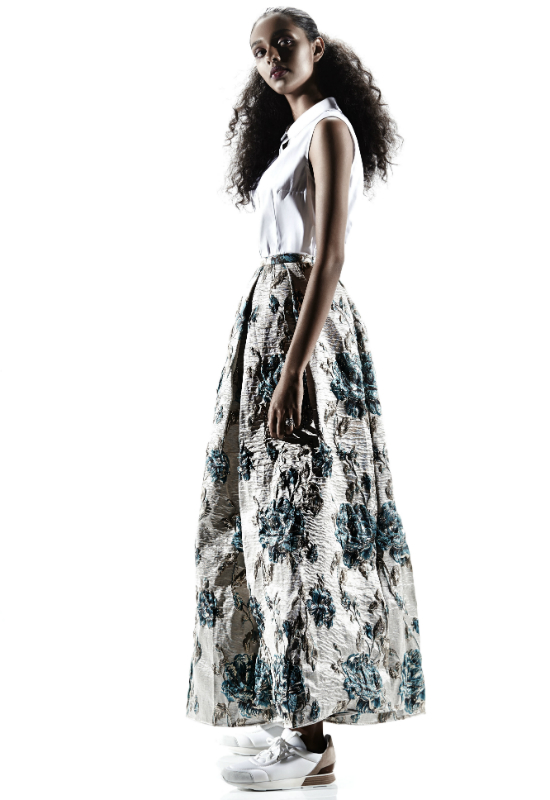
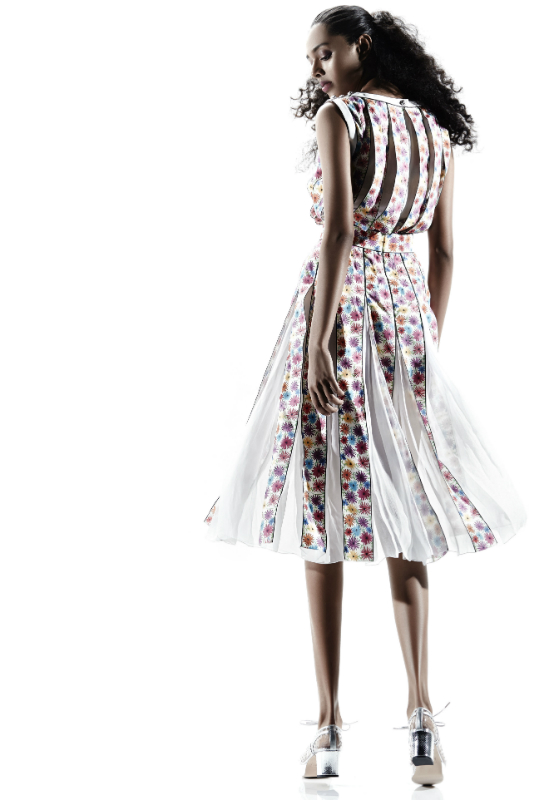
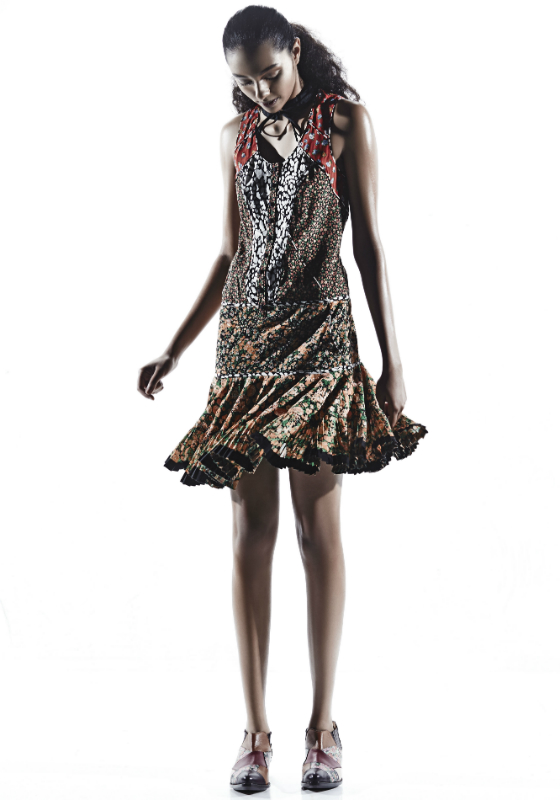
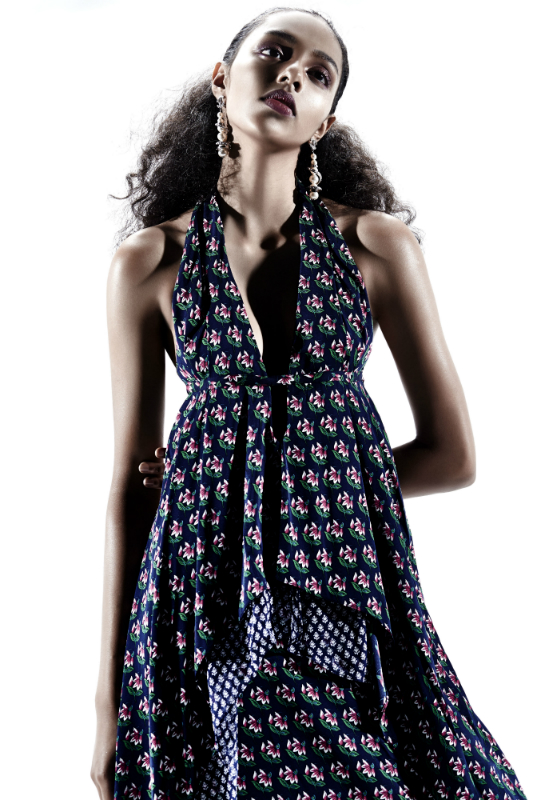
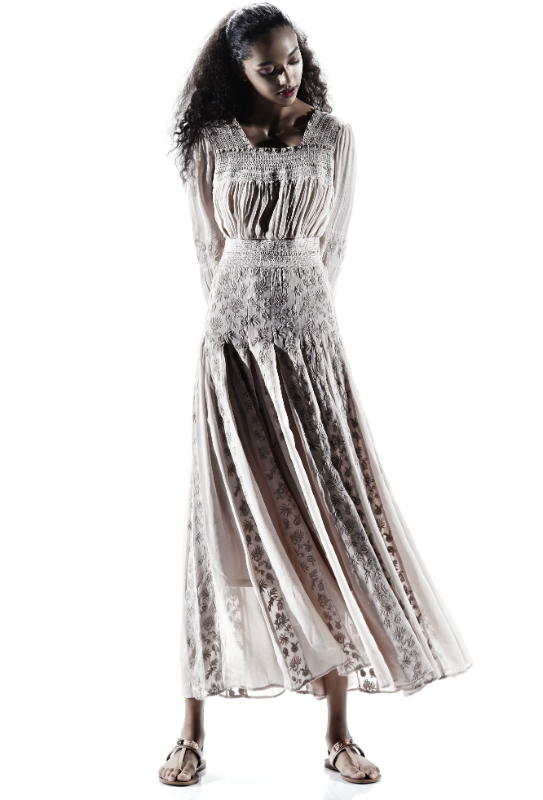
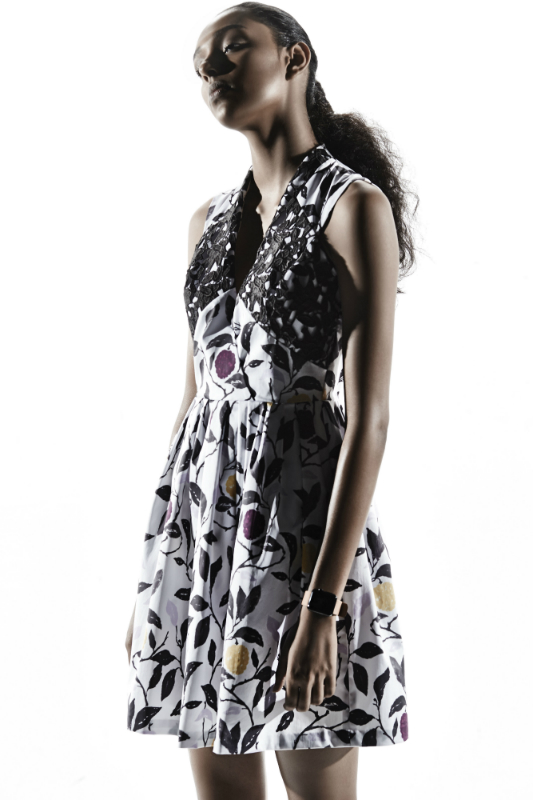
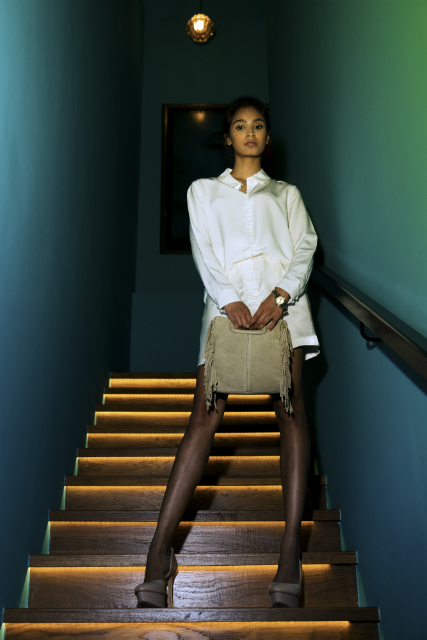
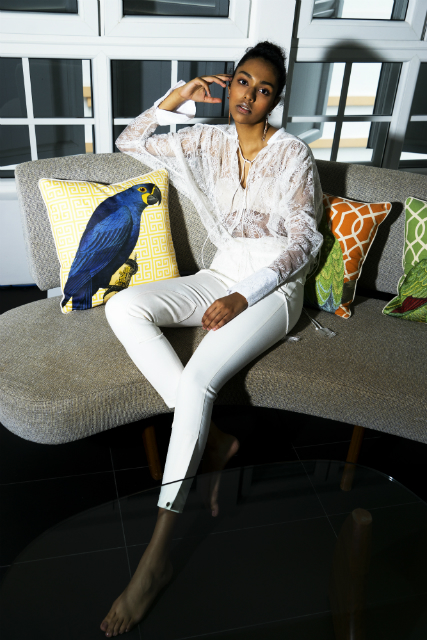
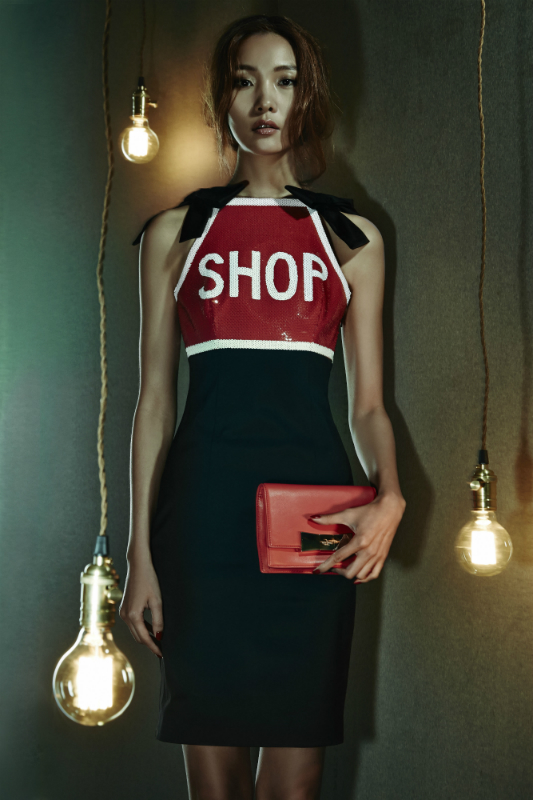
Creative Director: Niki Bruce
Stylist: Randolph Tan
Model: Diya P @ Looque Models
Makeup and Hair: Sha Shamsi using Makeupforever and L’Oreal Professional
Photographer: Jasper Yu
Singapore models Pooja Gill, Diya P and Gernice all dressed up for Singapore’s National Day …
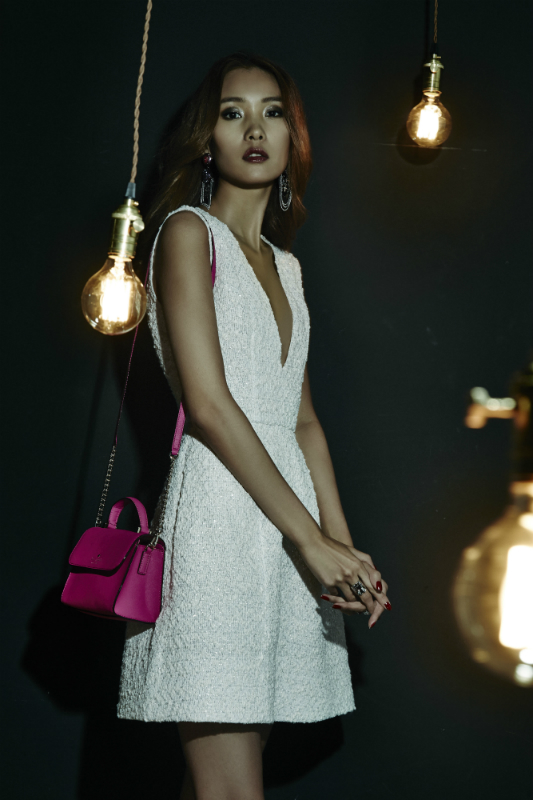
Creative Director: Niki Bruce
Models: Diya P @ Looque / Gernice L @ Now Models / Poojaa Gill
Stylist: Randolph Tan
Styling Assistant: Ong Jollin
Photographer: Tse-Wei
Makeup and Hair: Eric Tan, Adelene Siow and Leny Fu (PaletteInc) using Laneige & La Biosthetique
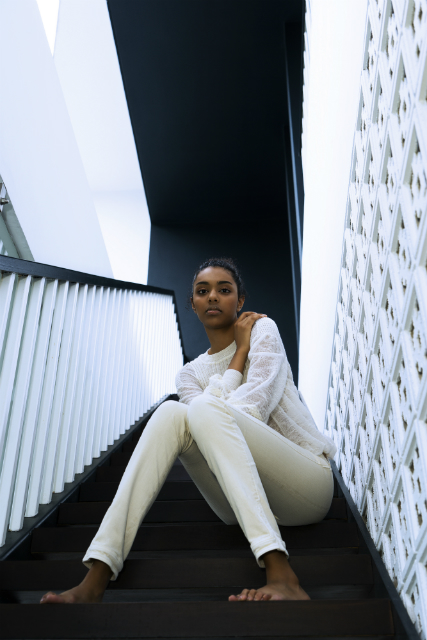
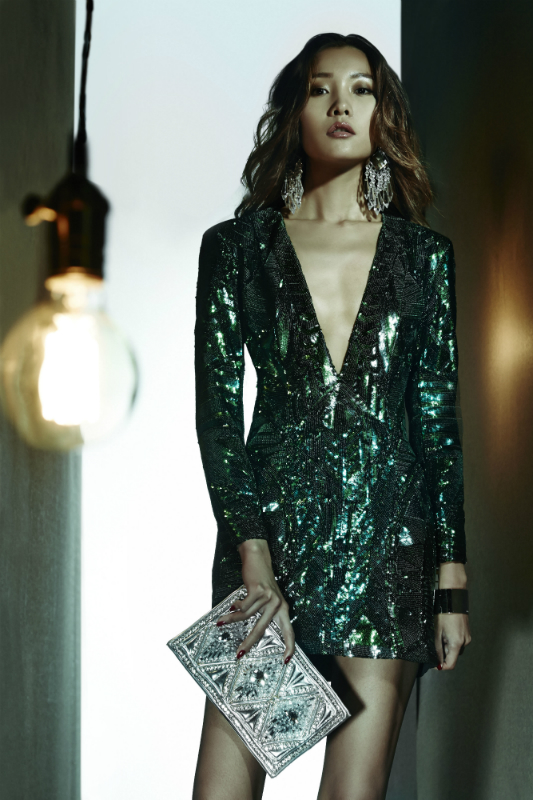
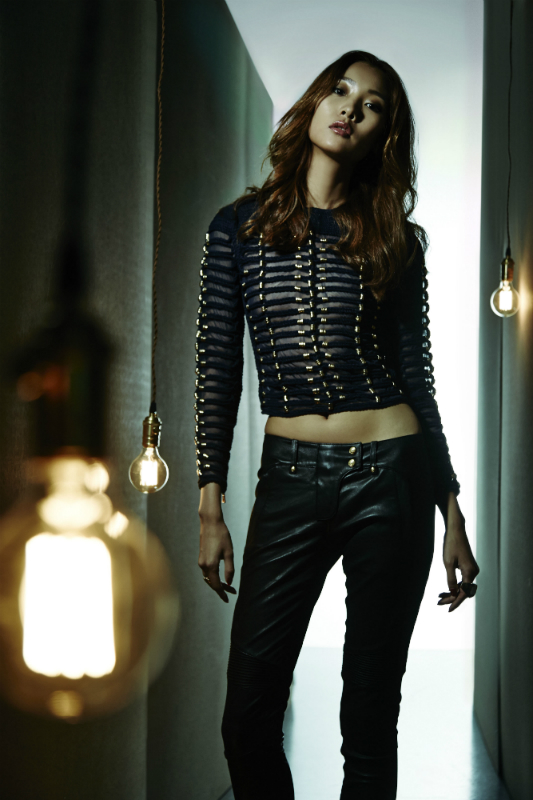
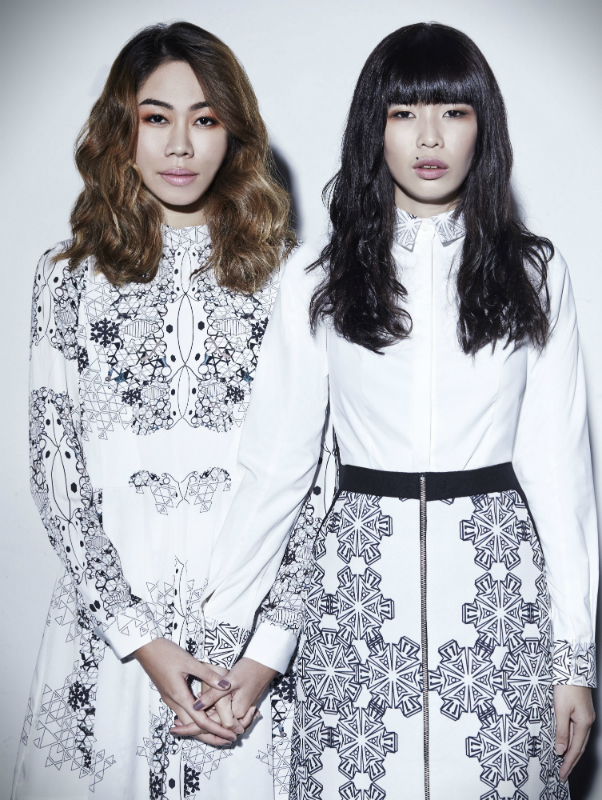
Creative direction: Niki Bruce
Styling: Randolph Tan
Photography: Jasper Yu
Makeup and Hair : Sha Shamsi using Tom Ford Cosmetics and Sebastian Professional
Model: Song Eunji / NU models
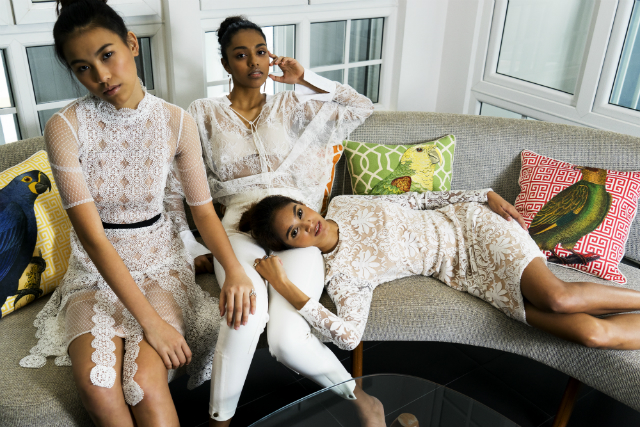
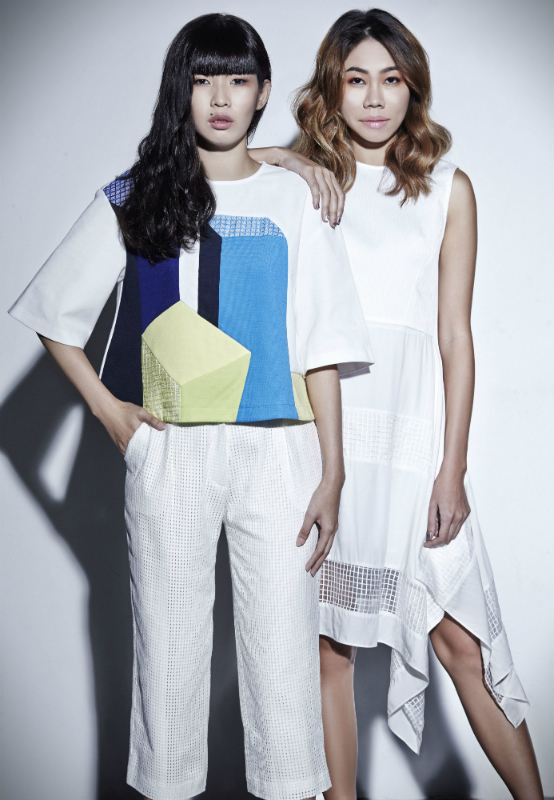
Creative Direction: Niki Bruce
Styling: NC Wong
Hair & Makeup on Nicole: Khai Lee
Hair & Makeup on Nellie: Zhou Aiyi
Photographer: Vernon Wong All clothes from Society A


























 niki bruce