My favourite fashion brand, Singapore-based label Depression, has launched a very timely capsule collection that will allow you to proudly shout out your Coronavirus vaccination status.
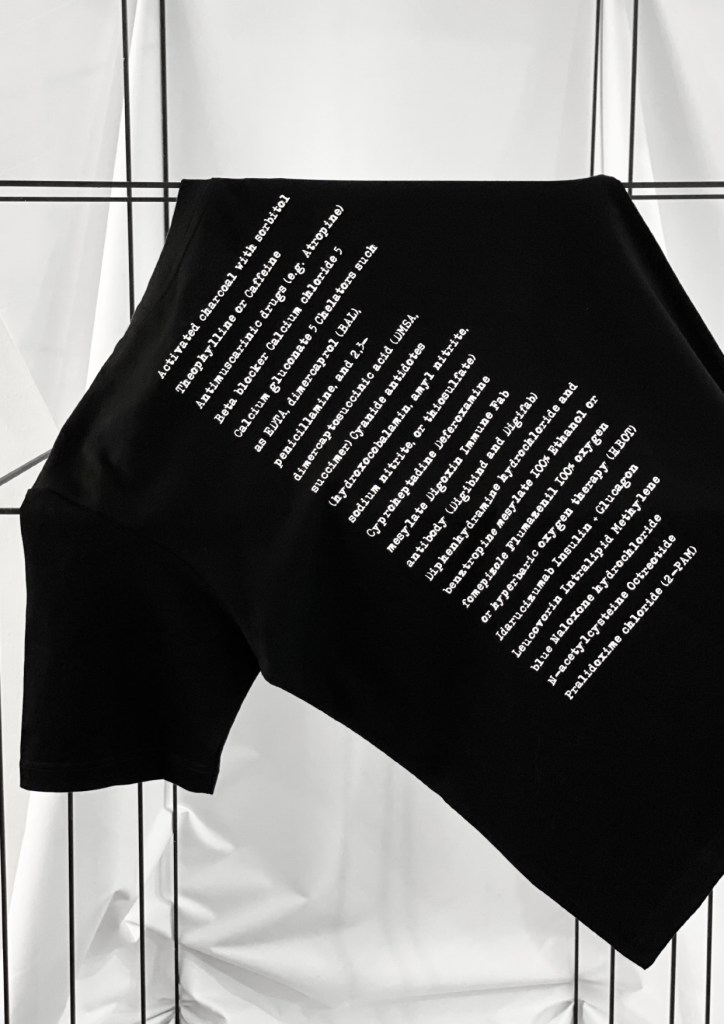
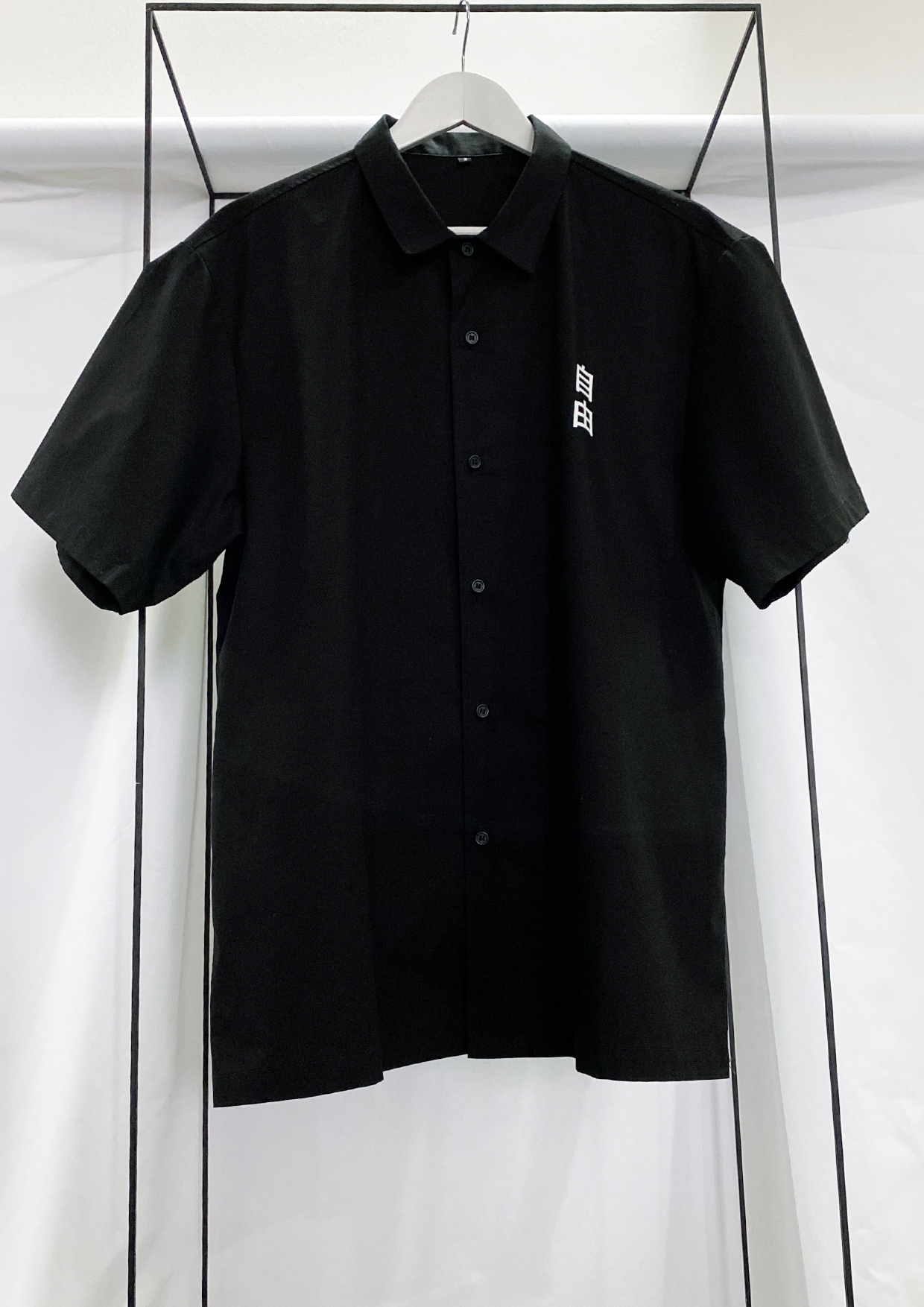
The ‘Freedom Capsule’ collection is a series of three limited edition graphic tees inspired by surviving lockdowns, lockouts and the designers’ hopes for a better tomorrow.
The Antidote tee comes in regular or oversized styles, the Vaccinated tee requires you to actually prove your vaccination status before you can buy it, and the Freedom shirt is a symbol of the hopes of a post-pandemic world.
I’ve known Singapore designer Ling Wu for rather a long time. We met in Singapore, and now we are both based (locked down) in Melbourne. But this physical restriction during the time of the Coronavirus pandemic hasn’t stopped Ling from being creative, inclusive and positive.
Ling has recently relaunched her studio space in Singapore’s iconic Chip Bee Gardens as more hang out spot than design atelier.
“We describe it as a special place where visitors can be inspired and build on each other’s creativity,” says Ling. “[It’s] a place where the door is always open as we host inspiring design launches, film screenings and gatherings for our very close creative family and friends.”
The retail space is unique with a stylish echo of Ling’s own home, and has become a meeting place for customers, friends and creative colleagues.
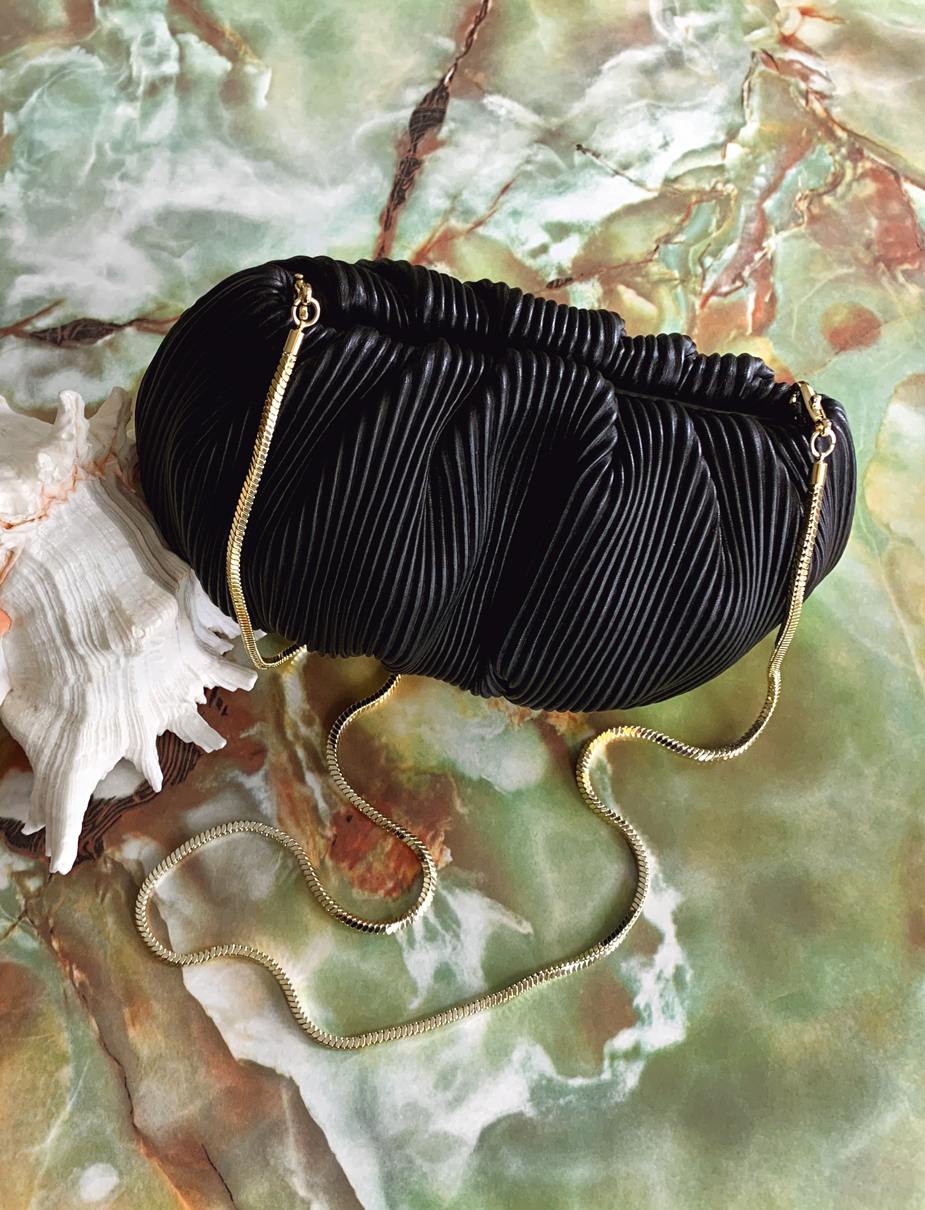
As a sustainable retail and design-focussed designer for her eponymous brand, Ling has a reputation for creating considered, timeless designs for bags and other accessories that will be echoed in the selected range of Asian fashion, jewellery, art and design brands that will be featured in the newly updated space.
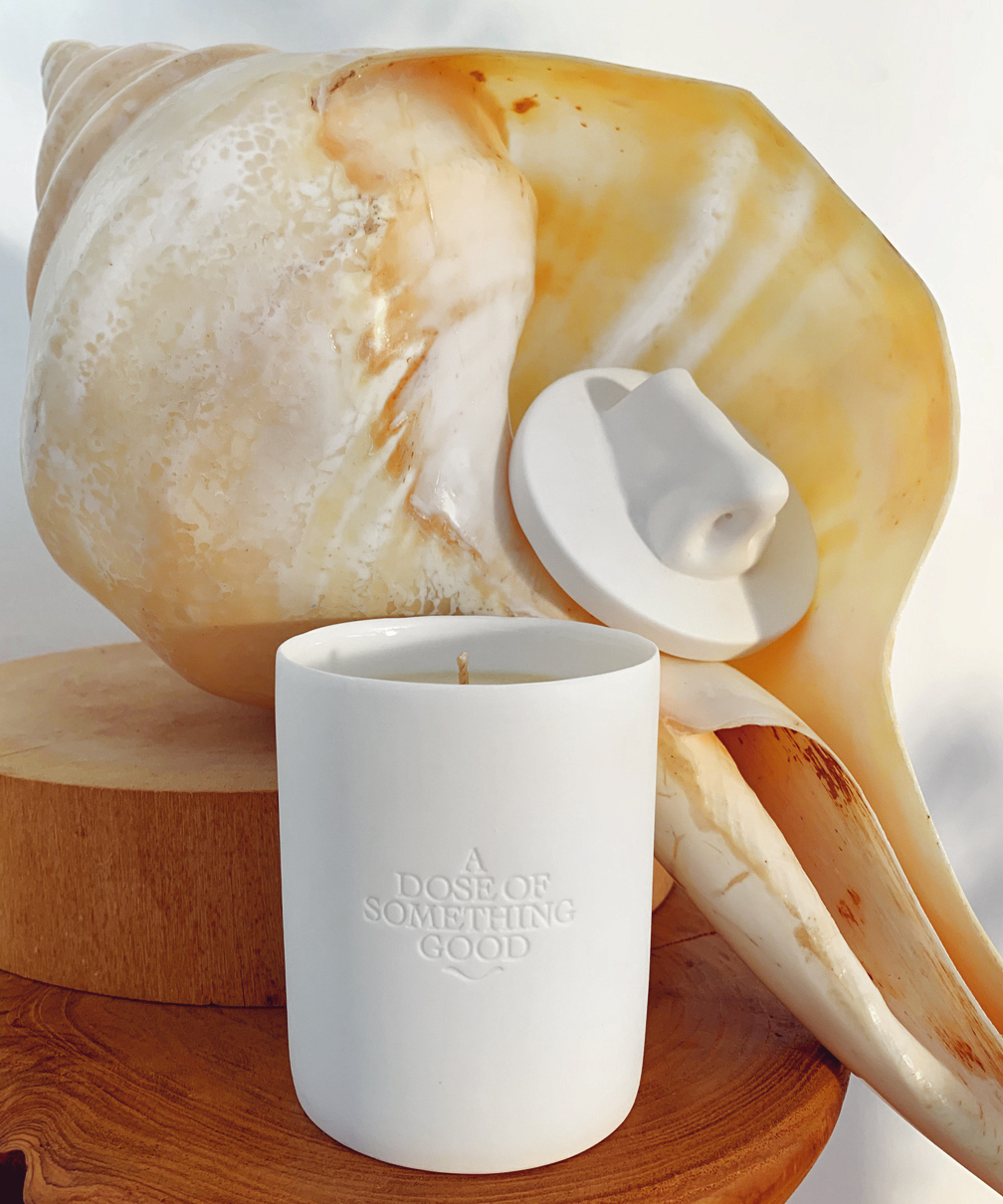
A Dose of Something Good is a Singapore cult brand that’s beloved for its hand-poured scented candles set in creative ceramic containers. Established in 2011, by Robert Upton, the brand uses natural fibre wicks and natural extracts and essential oils for its scent.
Tsura Fine Jewellery by designer Tara Thadani was launched in 2009, as a way for Thadani to combine her love of accessories with her personal taste. The brand combines Thadani’s Indian heritage with her peripatetic life living in Singapore, Hong Kong, the UK and the US. There are two main lines of jewellery including Tsura in sterling silver, and Illuminate in 18K gold which includes crystals and stones, making the most of their traditional properties.
Dark Horse Vintage stocks a mix of true vintage items and collections of vintage-inspired clothing designed and made in Singapore. Fun and flattering garments with a 40s and 50s flair are comfortable and easy to style. The real vintage pieces are hand-picked and include everything from cool 70s accessories and one-off clothing items.
Elegant, seasonless, and ageless, the work of Melbourne based designer Dominique Healy has a built up a dedicated fan base of customers since she launched her eponymous brand in 2017.
With 10 years as a fabric wholesaler in both Australia and New Zealand, if there’s one thing the designer is known for, it is high quality, beautiful fabrics. It was this background that was the impetus for the launch of the brand as the designer began stashing and storing the materials she came across.
Alongside her love for fabric, Healy was also committed to creating clothing that support and promoted local and ethical clothing production, as she writes on her website. The brand’s mission statement clearly shows the designer’s focus: “Trans-seasonal pieces. Released slowly. Made in-house in our Melbourne studio.”
“Each garment is carefully considered and constructed locally from high-quality fabrics, all made to stand the test of time,” states the website.
Elegant, seasonless, ageless
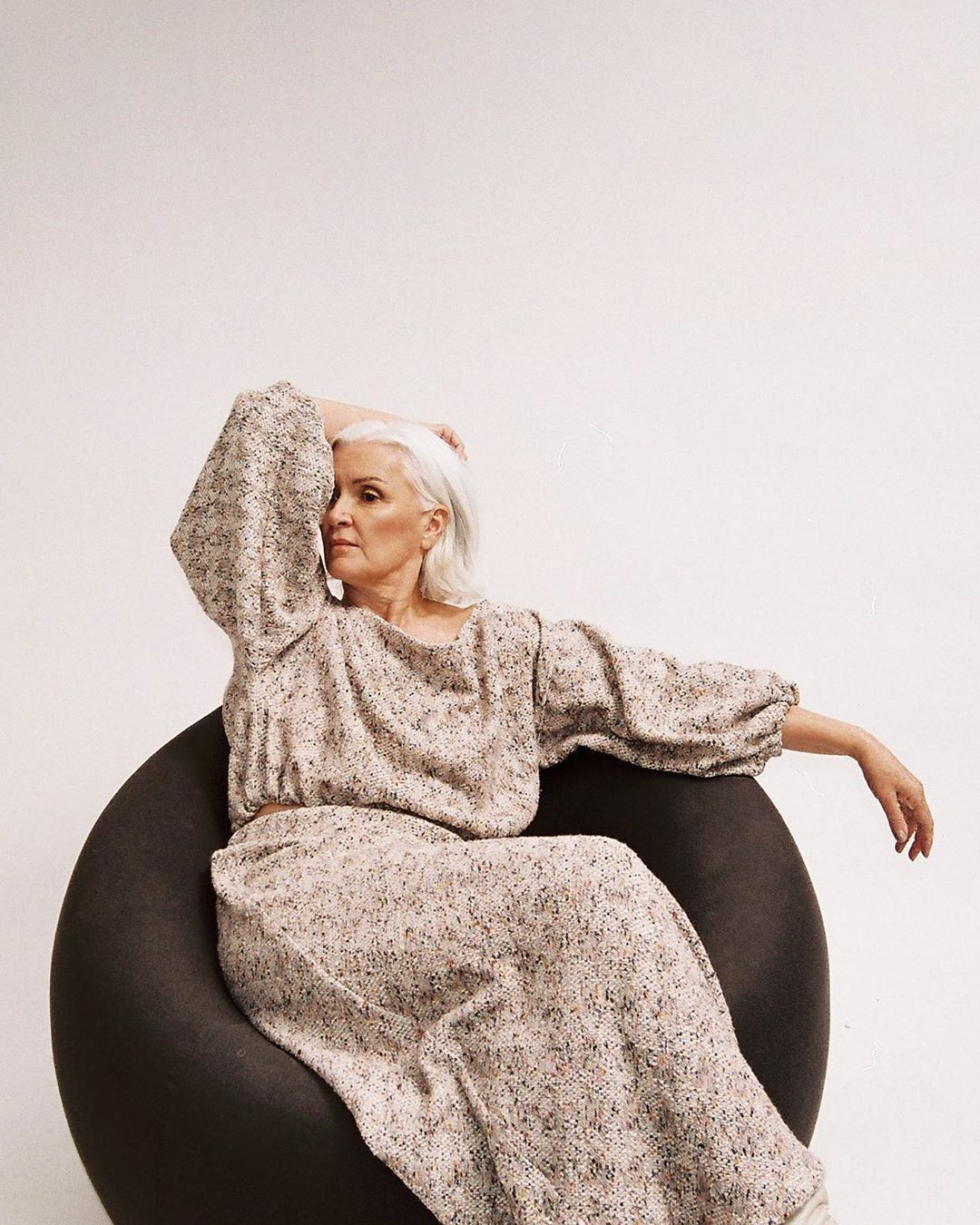
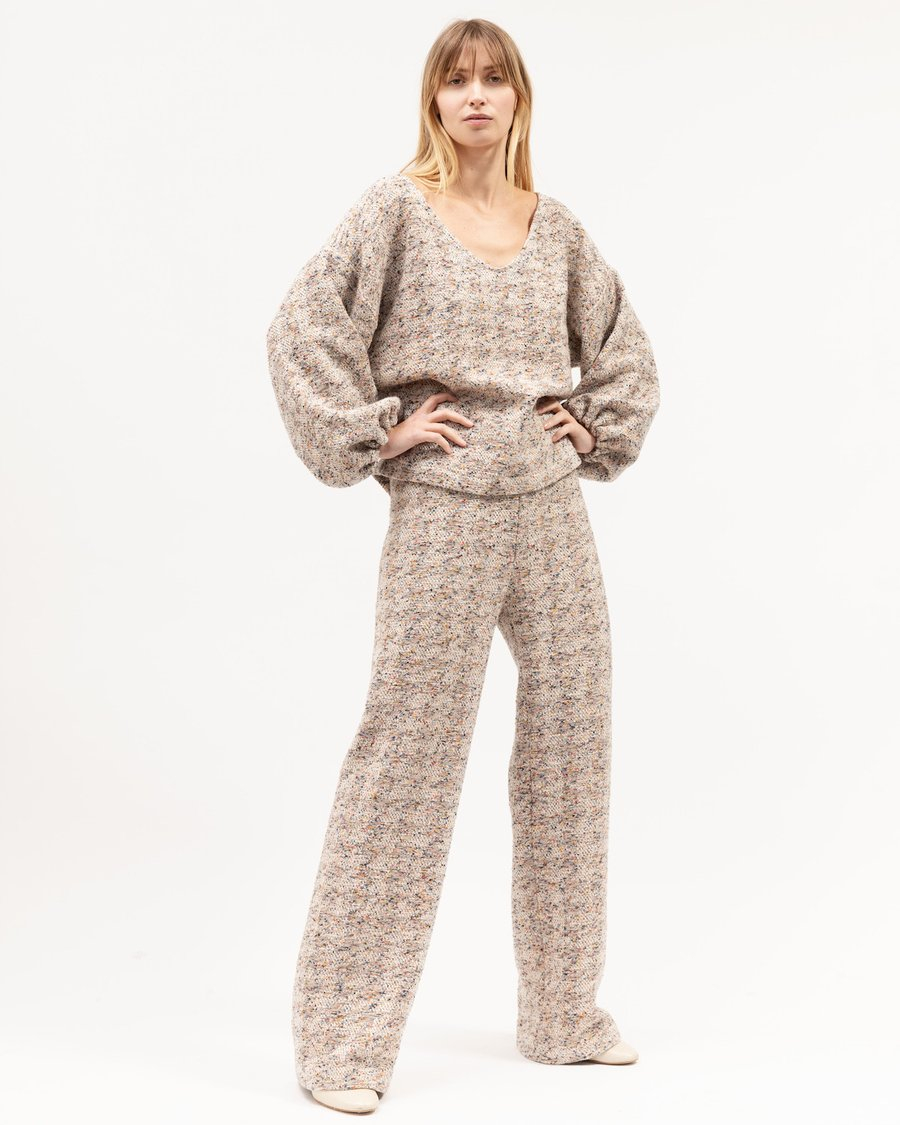
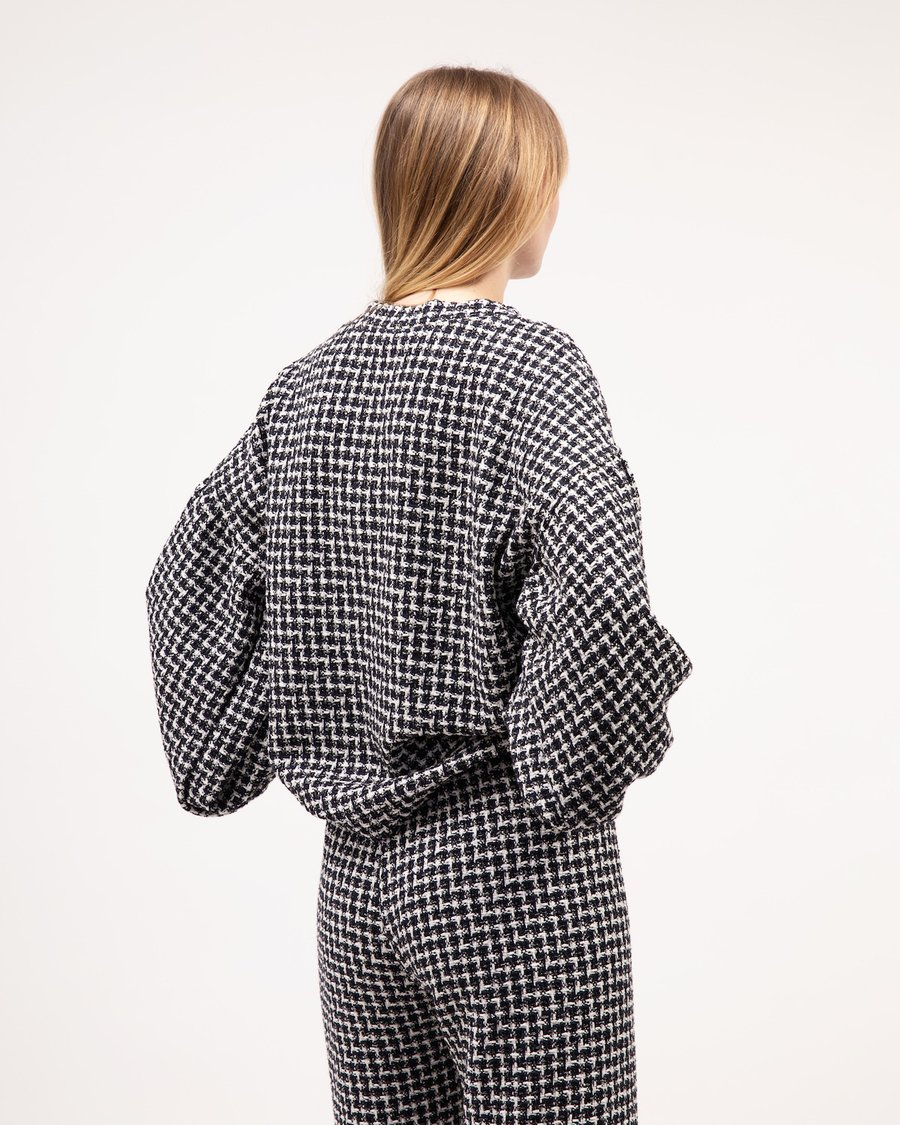
The Dominique Healy aesthetic is a mix of classic shapes like wide-leg pants, pencil skirts, and blouses with textured fabrics and more fashion-forward proportions. She does a spectacular poet-style sleeve.
It’s also interesting that the designer uses an older fit model front and center in her shoots and lookbooks, clearly welcoming the dollar of the more mature buyer. Equally interesting is that the exact same pieces are shown on both the older, and younger models; again showing a more inclusive attitude.
While the natural tones of the fabrics – think white, cream, black – give off a somewhat Scandianivan furniture vibe, the slightly bulky fabrics create a rounded, soft texture to the brand’s pieces.
Healy’s most recent collection was all about matching sets that have the comfortable feel of a sweatsuit but the elegance of a traditional suit due to the use of thick cotton fabrics and classic cuts.
Ethical and Sustainable Production
The majority of the Dominique Healy garments are made in her Melbourne studio, while the rest is produced at an Melbourne factory that is ethically accredited.
Healy strongly believes that production needs to be kept local in order to not only support the Australian fashion industry, but she also feels that otherwise, “a part of the magic of the fashion industry could be lost altogether”.
An added benefit of keeping production local is the ability to produce short runs per style, reducing waste, and to also move to a ‘made to order’ model after the initial garments are sold, again ensure there is little to no wasted stock.
The garment patterns are also designed in such a way as to reduce fabric wastage. The brand’s popular Bella Blouse uses 95% of the fabric allowance to make, and Healy continues to work on ways to decrease fabric wastage with all her patterns.
Another way the designer works to be more sustainable, is to use a majority of deadstock fabrics sourced from Japan, Hong Kong, France, Italy, Australia and New Zealand, where her previous life as a fabric wholesales comes in handy.
Linen used for the brand’s classics range is produced by mills that are OEKO-TEX certified, meaning they meet a set of international regulations for the responsible use of chemicals.
While Healy has obviously created a fashion business that already follows a number of ethical and sustainable processes, the designer states that she will continue to incorporate “more sustainable and earth friendly materials into her collections”.
As the world continues to feel less and less safe, there has been an increase in searches for, and sales of, fashion items that bring a sense of comfort. Nostalgia for the times ‘before’, the golden ages of previous centuries when anything seemed possible, is popping up all over the place.
Whether it was the 1910s, or the 1970s, the desire for a light, pretty dress made of fine fabrics with lace and floral details is a trend that has come full circle in 2020. Concepts like #cottagecore, handcrafts, handmade, natural materials, floral prints, delicate detailing and classical, forgiving silhouettes can be seen in many designers’ work.
The Strawberry Midi Dress by Lirika Matoshi is perhaps the most famous dress of the year; so famous that popular social media influencers are making their own. The search for ‘prairie dress’ gets you 55,200,000 results on Google.
What’s really interesting is that the bulk of these results are not for major fashion brands, but from small independent designers, or even home sewists, who are looking to create clothes that are not only pretty, but comforting and designed for real women to wear. Clothing that is a bulwark against the stresses of a world pandemic and all that it brings.
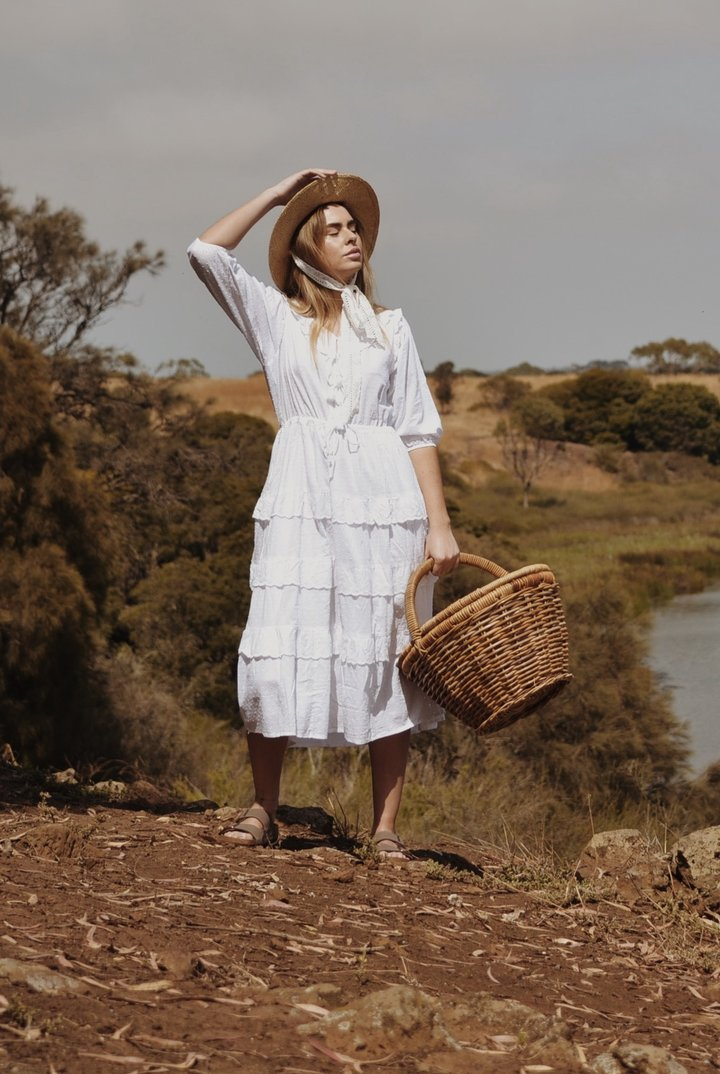
All of this means that designers who have always created seasonless, trendless, slow fashion clothing are coming into their own. One of these is Australian designer Lucy Blair with her brand Ankoa.
Based in rural Australia, Lucy studied fashion at RMIT TAFE and worked in the commercial side of the fashion industry for a number of years, learning what she needed to know about how the market and industry operates in Australia. She also ran her own small, independent brand at the same time “making plenty of mistakes in what was a very different landscape, online shopping was only just starting out at that point”.
Lucy admits that while she loved what she was doing, she also started to see the cracks in the industry’s walls. “This was a time where I was very much captivated by the glamour of the industry and at this point ethical fashion wasn’t something that was really spoken about and was not something that was ever part of my curriculum studying,” explains Lucy.
Eventually she moved back to the country, drawn to a slower pace of life and a more considered way of producing fashion.
“Ankoa was something that I gradually started, around six years ago working part time and then once I had children found a whole new drive and passion to create,” says Lucy.
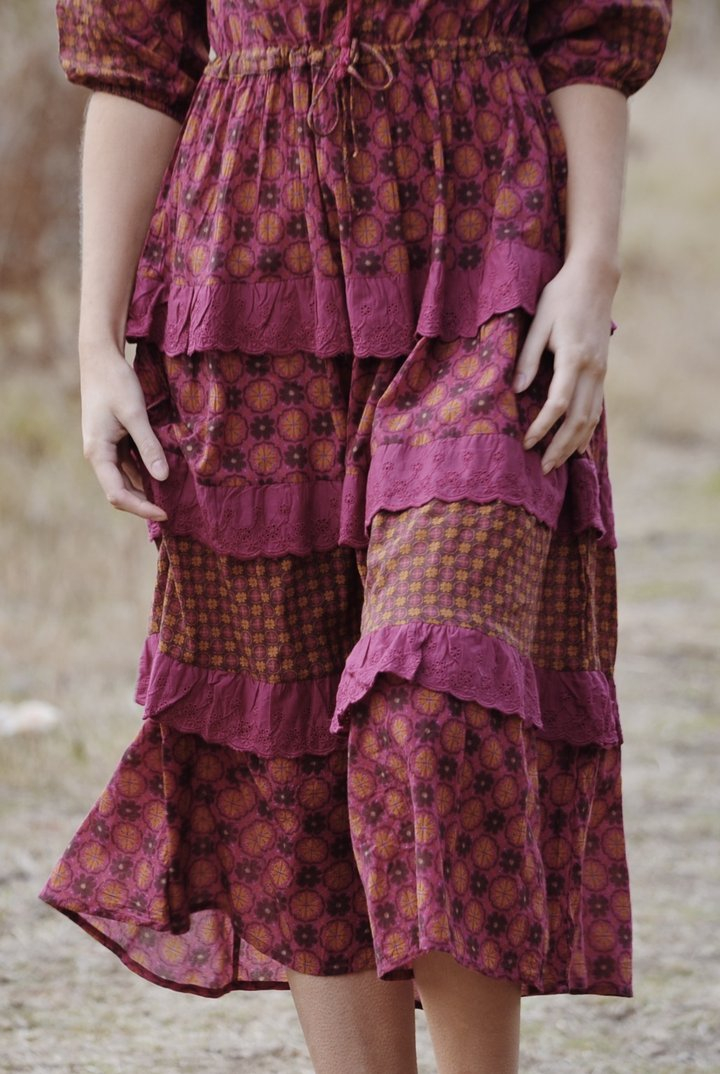
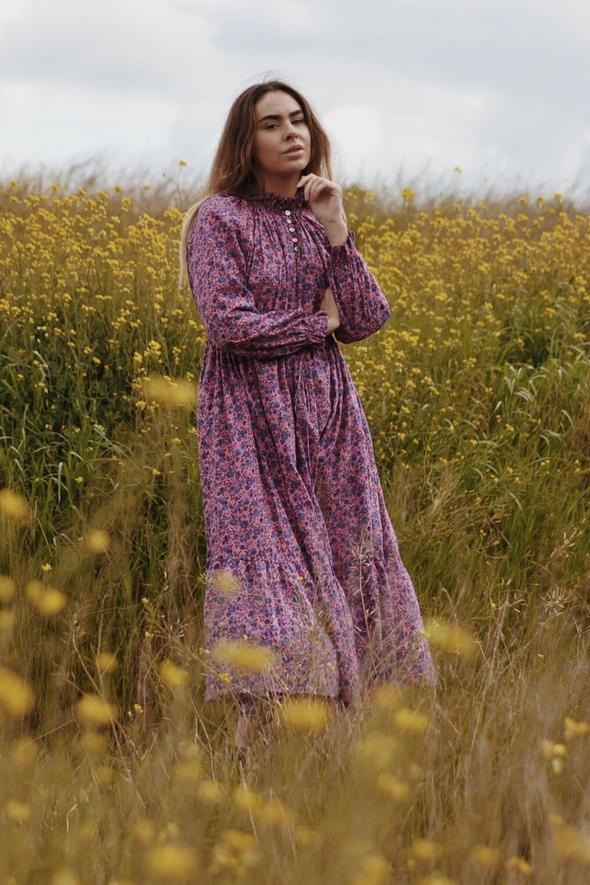
“The initial concept for Ankoa came from a love for hand blocked Indian cotton fabric. The fabric is created by carving wooden blocks and then dipping them in dye to create a unique print by hand.”
“I fell in love with the beauty of this ancient art and wanted to find a way to support and celebrate it. Initially I was going to make men’s shirts but ended up crossing over to women’s wear as that was my real passion.
“Once that happened it became about ‘celebrating life and all it has to offer’, making pieces that pull you further into moments so in terms of slow I guess that was always an underlying component but has developed further, as has the aesthetic.”
Lucy’s style is a mix of romanticism, traditional femininity, and a sense of womanhood. Motherhood made a major impact not only on Lucy’s thoughts about creating slower, more sustainable fashion, but also on her designs. Many of her dresses and tops are designed to make breastfeeding easier, for example.
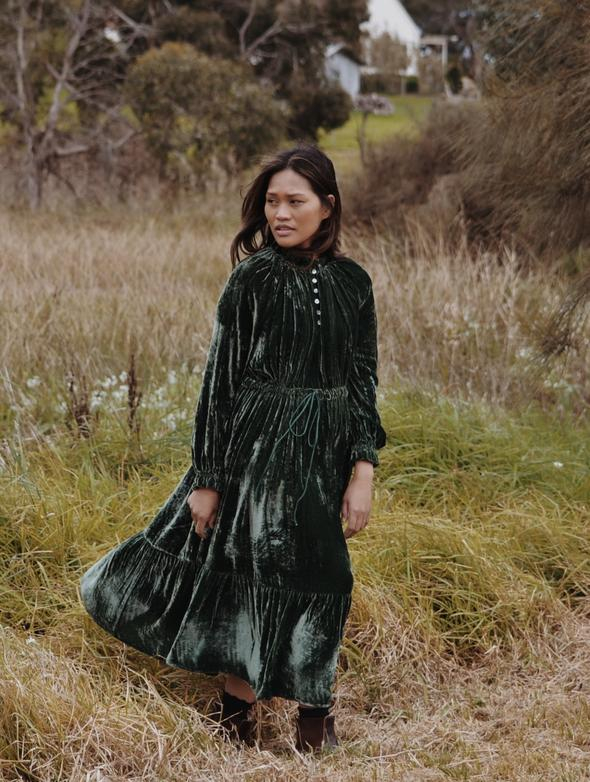
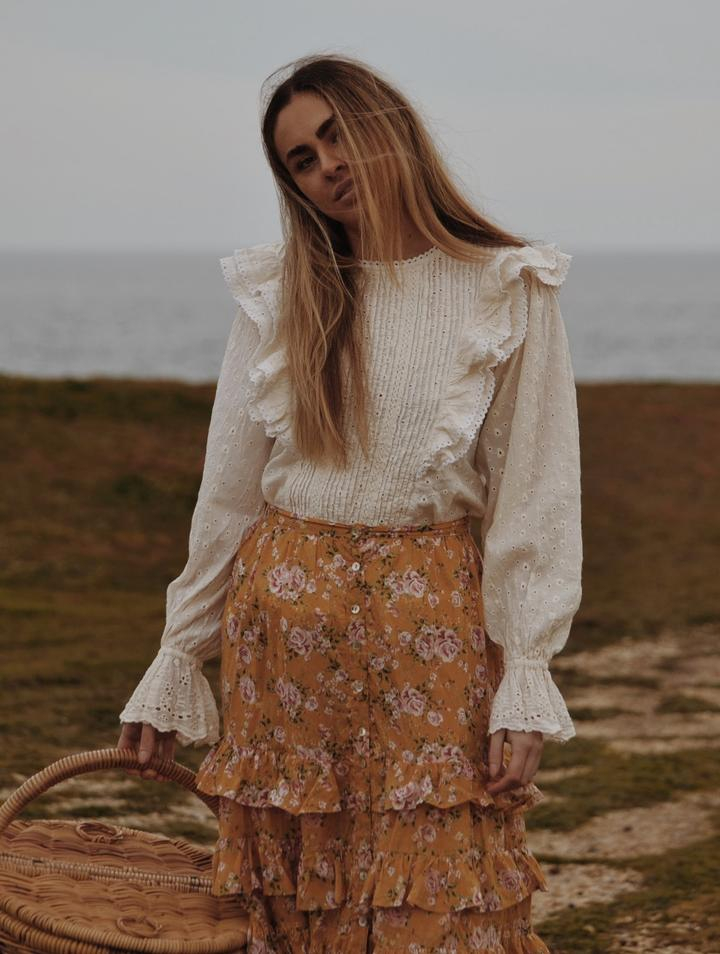
Rich colours and delicate prints on cotton mix with soft fabrics like velvet in her Winter collection; shapes are flattering with added volume for easy movement. These are very pretty clothes, with details like ruffles and lace that hark back to either the 70s hippie dresses or the floaty shirtwaists of the Edwardian era.
Each garment is a little bit different due to the use of hand printing using blocks in the traditional Indian style. The production runs are also small ensuring there is little to no waste, creating garments that are meant to last, and be handed down like heirlooms.
The battle for Sustainability
These days words like ‘sustainability’, ‘ethical consumerism’, ‘slow fashion’ etc are thrown around with abandon, and in many cases with little understanding. ‘Everyone knows’ that the fashion industry has to become more ‘sustainable’, but few brands understand what this actually means, let alone know how to implement the required changes.
For a small, independent brand like Ankoa, the issue of sustainability is multilayered; a battle to continuously improve.
“In terms of sustainability, so much has changed in the last six years and it is something to celebrate but has also been a battle,” explains Lucy. “When I say battle, I grew up believing that we could do anything, be anything but suddenly what I wanted to do seemed so damaging and for a long time I felt really lost and unsure of what to do.
“So yes, [sustainability] has always been a focus because I made the decision to do it, but do it in a way that I felt comfortable, so that the people who I work with are paid properly, making very small quantities of pieces with a focus on quality and natural fibres, and hoping that the Ankoa woman chooses one dress over 20 cheap throw away dresses to last.
“The focus on sustainability is something that continues to change, I am not perfect and there are still so many improvements to be made but it is something that I feel strongly about as the brand grows.”
While admitting that being a sustainable and ethical fashion brand is always a work in progress, Lucy does feel positive about the future of the industry.
“Given that even ten/fifteen years ago, sustainability was not really something that was much of a consideration, I am excited and hopeful for the future. I think that there have been lots of positive changes in the last five years in particular, so I can only imagine how many great things might happen in the next five to come,” says Lucy.
“I also hope that people’s thinking is slowly changing and people want to know what the story is behind the clothes and also making conscious choices opting for pieces to wear for years rather than once or twice and throw away. I am also really excited about the future of recycled fashion/fabric and feel this is an area that has huge potential for growth.”
Positivity in the Pandemic
It has to be said that the retail industry, particularly the fashion retail space, has been massively impacted by the Coronavirus pandemic. While a few items like sweatpants and masks might be doing huge sales online, for creative fashion brands things have been less rosy. After all, who needs a ballgown right now?
However, smaller, more nimble brands like Ankoa have been able to react quickly to market changes, and have also seen customers’ behaviour change as well.
“I believe the pandemic has highlighted a few different things. It has caused many of us to slow down and focus on what’s important and how little we need, I hope this also fuels the desire to choose quality over quantity,” says Lucy.
“I would also love to see some more manufacturing options here in Australia, I love supporting and working with my team in India who I hope to continue to work with but I would also very much love to do some more work here too.”
Ankoa was naturally impacted by the arrival of Covid19, says Lucy: “When things first started I went from being consistent to absolute crickets.” However she also saw a slow return to sales with fluctuations based on newly released items. She says that she remains nervous – Lucy had thought she might have to close the brand earlier on – but now hopes that things will continue to get better.
Onwards and upwards …
While Lucy remains passionate about continuing Ankoa, particularly in relation to supporting her current team and continuing her love of traditional Indian hand block printing, she would also like to be able to produce her garments in Australia too.
“… Before children I was making a lot myself but for now it is near impossible having little people around. Once my littlies are off to school then I hope I am able to get back to making in some way and to potentially find a way to produce within my local community, in a way that has a positive impact,” says Lucy.
“I would like to keep the brand relatively small, it’s a business of heart and not something that I want to become huge and unmanageable, I would like to find a way to just live a relatively quiet life with family and enjoy creating in a way that is helpful and sustainable.”
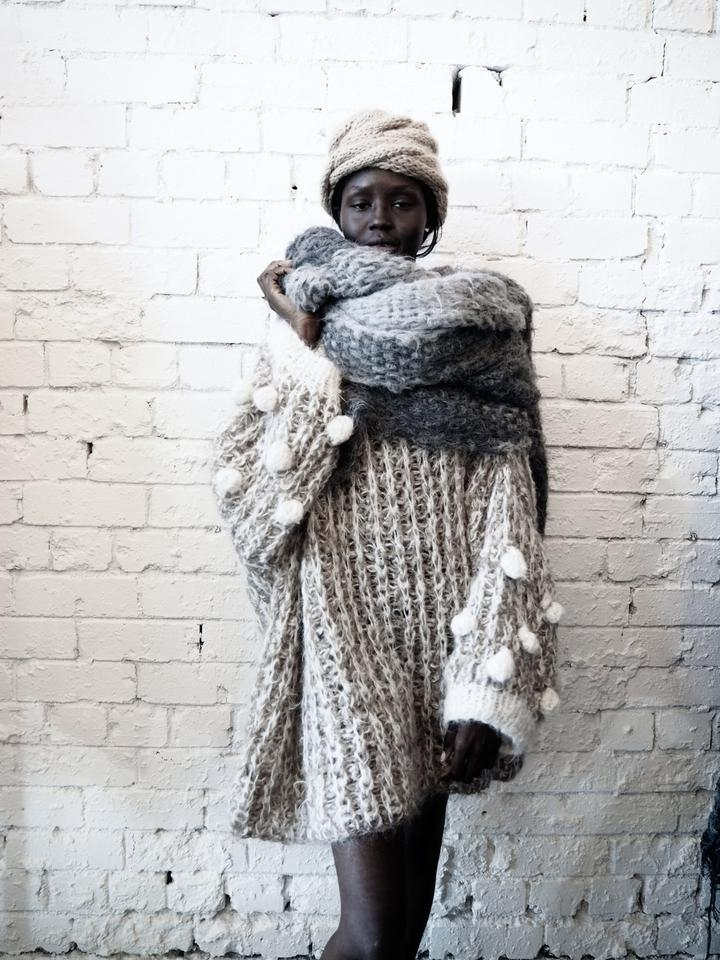
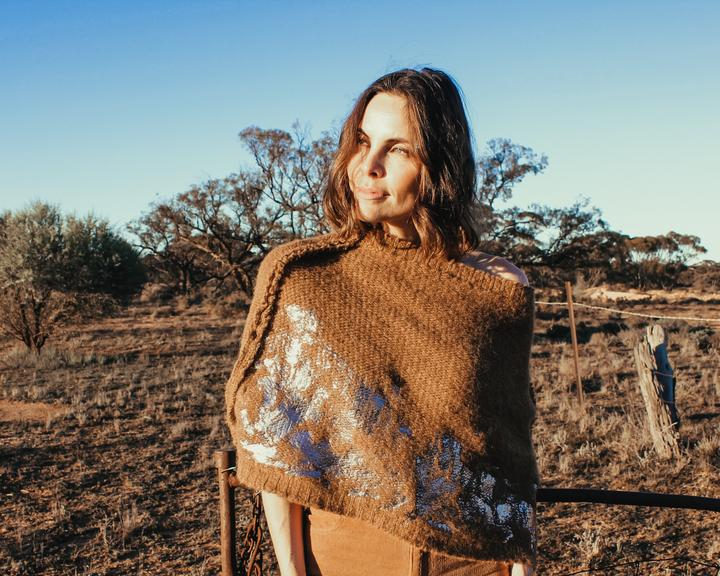
Lorena Laing is a Melbourne ‘fashion artist’ who launched Amano by Lorena Laing as a way to share her handcrafted artisan-style knitwear with the public. The brand is all about ethical and sustainable knitwear, and works with one of the last knitting mills still operating in Australia.
Every product is handcrafted in Australia, and the whole company is dedicated to working with local producers, artisans, craftspeople and artists. The brand also locally sources its materials, manufacturing and packaging locally, stating it feels a “responsibility to preserve and pass on [ageing artisanal skills] to future generations”.
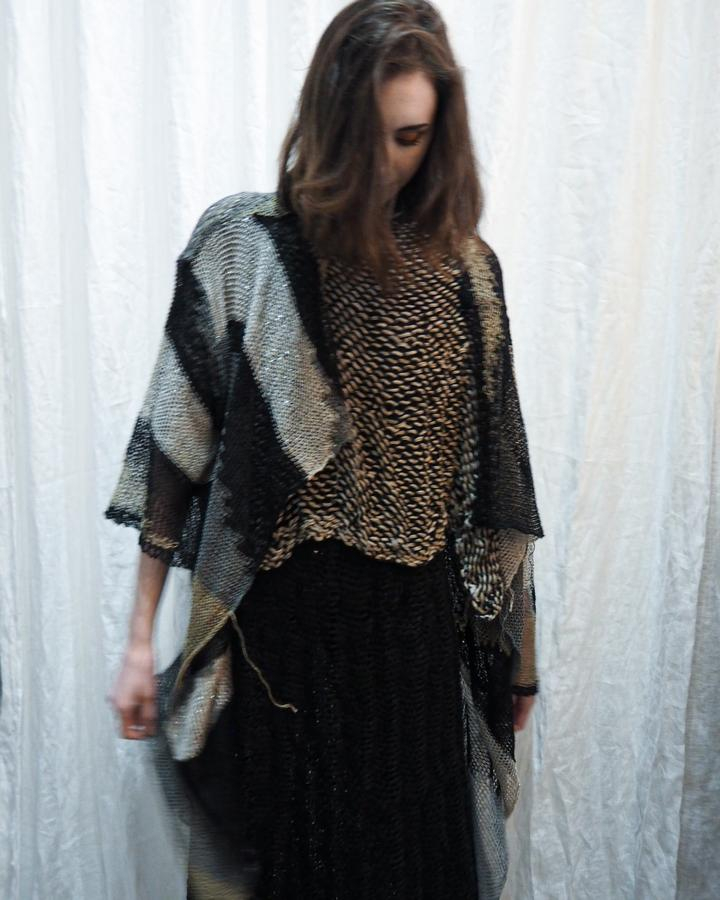
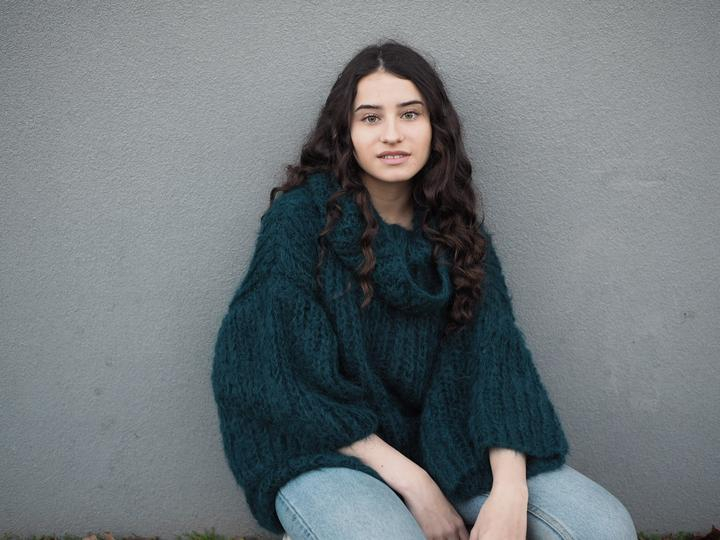
Due to its artisanal nature, Amano creates clothing items that are more like bespoke, one-off artworks. The design concept is based around the individuality of handmade production, and the core concept is that no two pieces are exactly the same. The overall style will be the same, but the colours, details and specifics will be different.
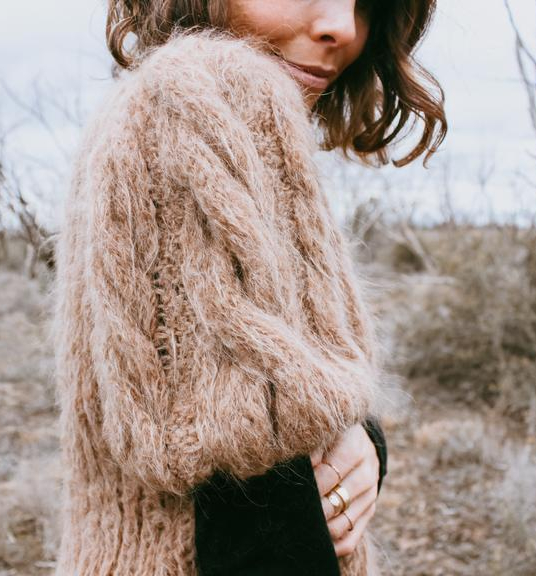
Traditional production techniques like loom weaving, crochet and needle knitting are combined with the small run manufacturing of the traditional knitting mill to create the various garments. Natural materials like alpaca and high quality wool are used to ensure that the pieces last.
“The Alpaca fibre I work with is local and ethically sourced from Peru. The skilled artisans who weave and knit my designs are locals and it is important to me to focus on keeping my collections local and one hundred percent natural,” writes Laing.
Amano is very much about ‘slow fashion’. The brand wants the garments to be used, worn, and handed down, ideally to become family heirlooms.
“Amano takes great pride in hand-crafting its pieces with locally sourced materials, have zero waste and are crafted and packaged locally. We are aware of our carbon footprint, of our struggling manufacturing industry and our aging artisanal skills. We feel a responsibility to preserve these and ensure they exist for future generations.”
To help with controlling waste, for the brand’s ready-to-wear capsule collection Laing uses CAD (Computer-Aided Design) software to map out the garments in minute detail to reduce wastage.
While there is definitely a handmade ‘craftiness’ to the Amano aesthetic, you also see the influence of Japanese knitwear designers like Yuko Shimizu and Reiko Kuwamura in the voluminous shapes, as well as early Rick Owens open-work knits, and even the delicacy of the work by textile artists like Chris Motley and Gjertrud Hals.
The use of muted colours – neutrals, blacks, greys and warm browns – ensures that these garments are not trend focused. The oversized shapes also mean that Amano knitwear suits all body types and sizes.
Amano by Lorena Laing garments are not cheap, they are handmade after all, but they are not as expensive as you would imagine. One of these knits will last you for years, so the cost per wear is definitely worth the investment.
You can shop Amano by Lorena Laing online at lorenalaing.com, and once the coronavirus restrictions are over you can visit the atelier located at 631 Rathdowne Street Carlton North, Victoria, Australia. The designer also holds one-on-one styling sessions where you get a personal introduction to the garments from Laing, and you can also commission bespoke garments.
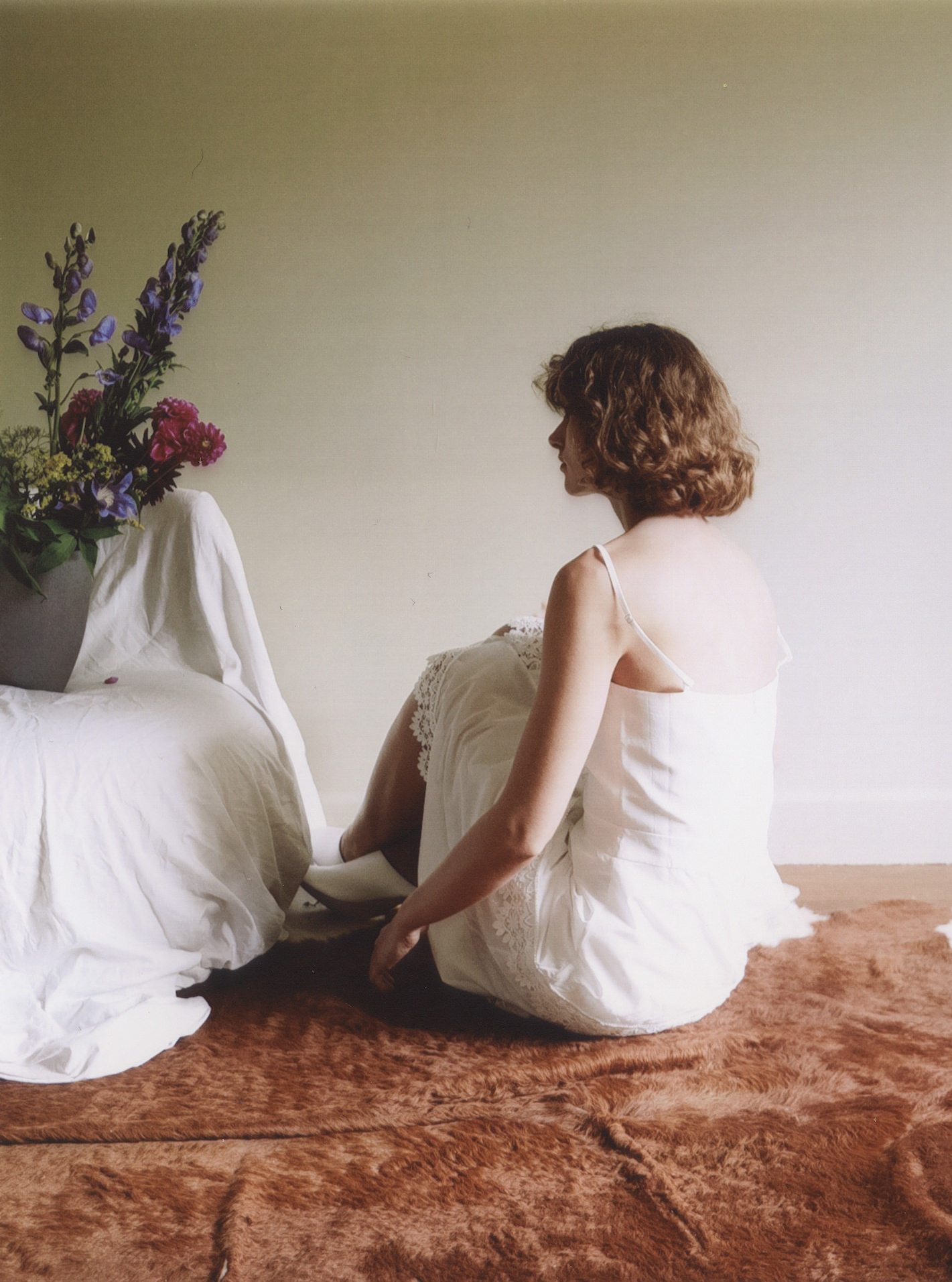
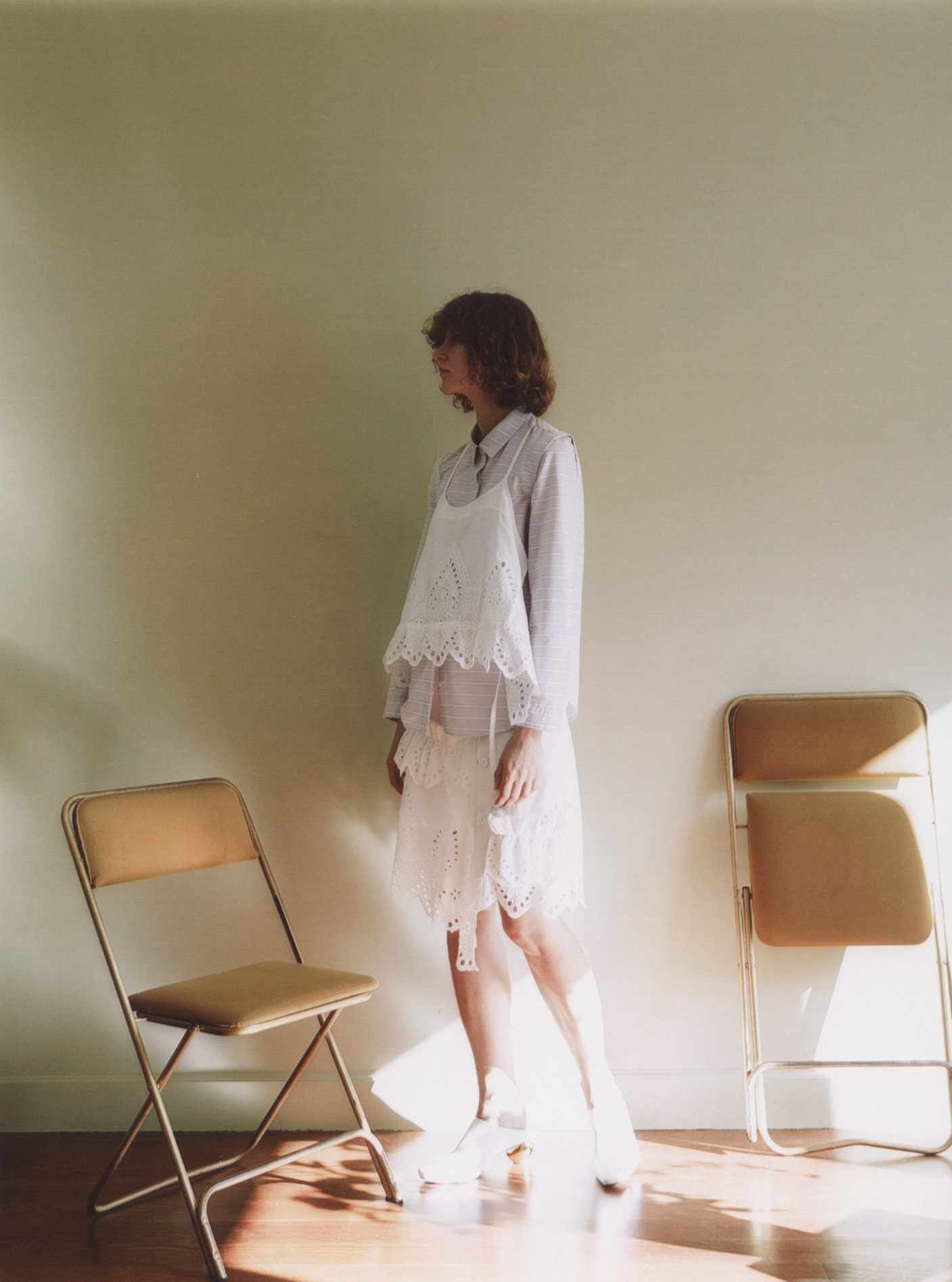
Designer Jonathan Liang launched his eponymous label in 2014 with the goal of creating clothes for women that were “adaptable, provocative yet combatively feminine”, he wished to juxtapose his “world of dreams” with clothes that women could actually wear in their daily lives.
Although he launched his Paris-based label long before the current disruption to the fashion industry that is 2020, Liang didn’t have it easy. For decades there has been too much fashion circulating the globe. With new brands popping up on social media almost daily, being able to stand out, with a distinct creative voice, and actually making enough money to stay in business is not easy.
Originally from Malaysia, Liang has worked for a number of major fashion brands, including Givenchy and Surface to Air, and presumably this background enabled him to have a better understanding of the vagaries of setting up an independent fashion label.
Still, to have survived for over six years is not bad in an industry as rife with fashion failures as it is with successes.
While you can describe the brand as international, it is its connections to Australia and Asia which has assisted Liang in growing a following outside of the traditional European and American markets. Which is doubly helpful now that the rest of the world is slowly eating itself alive due to the economic and social impact of the Coronavirus, Covid19.
On top of this most unexpected of disasters, the entire fashion world has been slowly awakening to the issues of sustainability, ethical production, waste and customers’ desires to buy less and practice conscious consumerism more broadly.
Sustainability and Covid19
So how does a relatively young, contemporary womenswear label navigate these additional issues while hard up against global competitors? Liang says the impact of Covid19 has changed the way he designs, and even touched some of the concepts of the brand’s aesthetic while keeping its underlying values intact.
“In terms of design, we’ve moved to prioritise comfort above all else. Ever since the pandemic, we believe people are looking for something more comforting not only physically but mentally as well,” explains Liang.
“It hasn’t changed the way we create, it was a lot of asking ourselves, does this feel good on our skin but in [the] context of the new world we [are moving into]? The business of fashion has definitely changed as a whole, and we’re constantly adapting whilst maintaining our core design principles.”
As for the growing movement towards more sustainable and ethical clothing production, Liang says he has always taken this into consideration when designing and producing the brand.
“We are always thinking about sustainability, not just [for] the environment but sustainability in the business as a whole alongside governance too,” says Liang.
“We do what we can to ensure as small an [environmental] impact as possible, like controlling production quantity, types of fabric, and designs that require very low, to almost no wastage.”
Liang also says that the company has always practiced ethical employment but ensuring that its makers and staff had a “strong standard of living from day one”.
A Wild Garden
Liang’s latest collections have all been influenced by nature, with the concept of a “romantically carefree landscape filled with dramatic creatures” visible throughout.
Flowers feature heavily, not as garish patterns and prints, but more as an aesthetic backdrop to the clothes which are soft, voluminous and romantic. Lace details combined with girlish/boyish cuts create a modern Edwardian vibe.
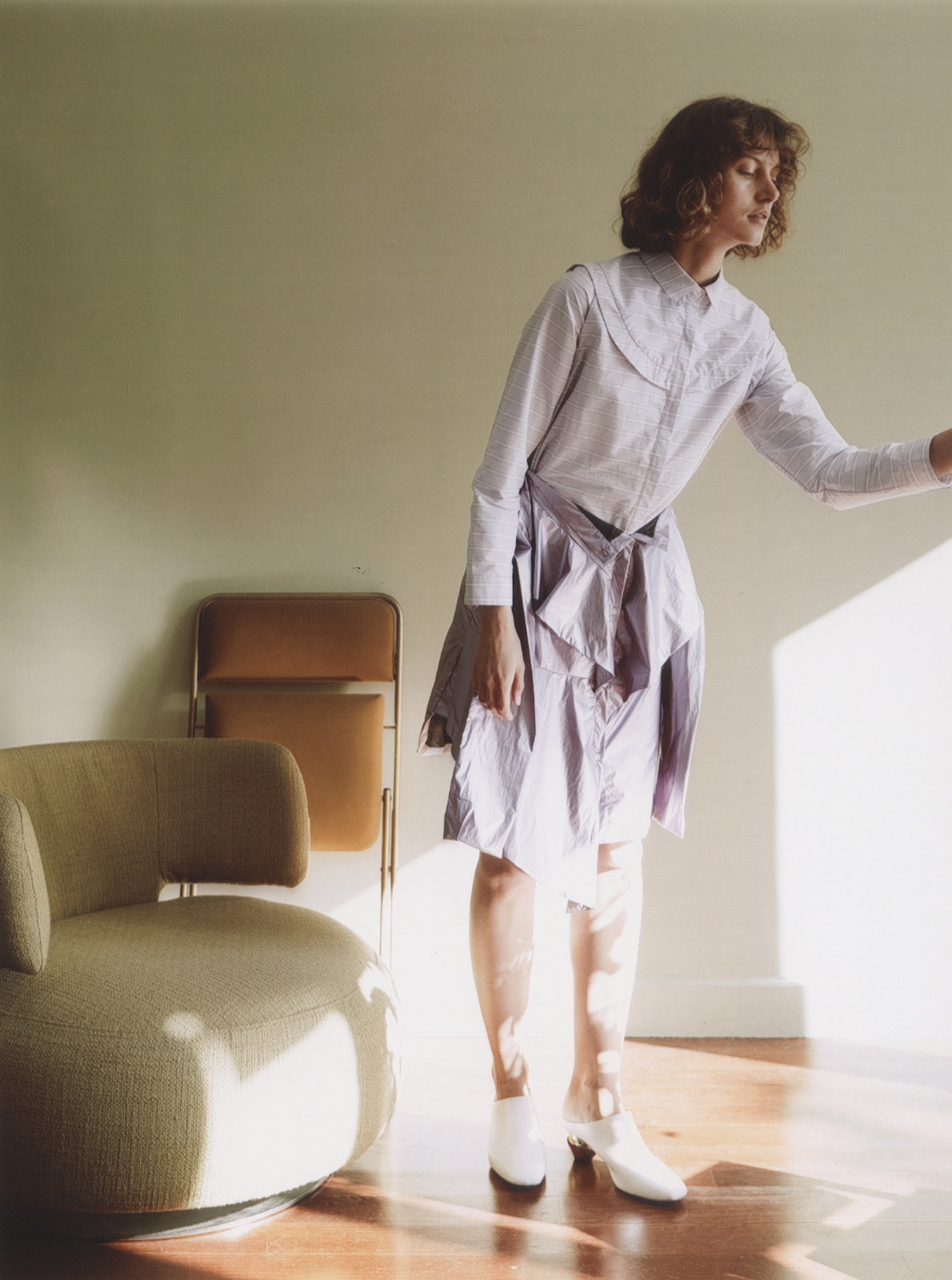
While pretty and rather #cottagecore in concept, Liang’s current collection includes pieces perfect for the workplace; should we ever return. Clever use of more masculine fabrics cut into shirt-dress shapes with asymmetric detailing neatly blends the boy-girl aesthetic.
Liang’s original inspiration for Fall Winter 2020 – “floral installations on the streets of New York and JeanLuc Godard’s 1966 Masculin Féminin” – can clearly be seen in the various pieces from the collection with silk joggers worn under slips and topped with manish blazers.
The brand’s fabrics are a glorious explosion of all things delicate and beautiful – organza, tulle, lace, silk, silk-jersey, and Broderie Anglaise. Peachy pinks, white, soft lilacs and greys are offset with black and white in the current season’s colour palette for Spring Summer 2020. Quality detailing and manufacturing ensure the clothes are beautifully made with a sense of timeless handcraft about them.
The SS20 collection was inspired by the work of artist Jim Hodges who is known for his mix of hard and soft in conceptual works. This inspiration “becomes obvious in the Slinger jacket series, tailored jackets with detachable Broderie Anglaise aprons”, says Liang. More multi-functional mixes can be seen in the Stiker dress, it comes as five separate pieces that can be worn alone, or together for a range of looks and occasions.
Liang also highlights the delicate printed sheer garments that were inspired by Hodges’ 1997 ‘With the Wind’, suggesting they be worn over t-shirts to “perfectly embody the spirit of the everyday Jonathan Liang woman”.
Fashion’s Future
The pretty, wearable clothes of the Jonathan Liang label manifest a nostalgic wish for the time before Covid19, when having picnics – or brunch at a hip cafe – was an everyday occasion.
Where will we be wearing these delicate, feminine pieces in the future? Will we be willing to spend our dwindling cash on them? I’m guessing that yes, women with a sense of romance, softness, and wishful thinking will gladly take Liang’s offerings to heart, if only for the nostalgic comfort they bring.
As for the brand, Liang agrees that the fashion industry has undergone somewhat of an upheaval, but is unsure yet where the future will land.
“… It is very much dependent on each brand’s customer mindset and where they’re at too … thus we’re prioritising slower fashion that stands the test of time.”
Sydney-based luxury womenswear brand Leo & Lin has a very sexy-boho-feminine aesthetic with an emphasis on creating original prints. Founder and creative director, Leo Lin, makes the most of his love for his new home, Australia, by delving into a variety of artistic and cultural concepts.
Lin describes his brand as “Modernistic Nostalgia” explaining that it is a style that “perfectly resonates through time, mixing modern and the past era design elements”. What this means exactly is unclear, but it is interpreted via a combination of tailoring, leisurewear shapes, and bits of floof – ruffles and draping, handkerchief skirts and a touch of Victoriana in the use of lace details.
The Leo & Lin look can kind of be described as something a boho princess would wear. Fabrics range from silk-linen mixes, lace, linens, and spandex, and the pricing is firmly in the contemporary range with dresses costing from around AU$400 up to AU$700 or more depending on the materials used.
What is most interesting about the pieces is the use of original prints. Lin creates a series of new prints for each seasonal collection, based on his source of inspiration. For the Spring Summer 2020 collection entitled Rebellious, Lin was inspired by a nighttime stroll.
“Creative Director Leo Lin looked up and saw wondrous stars blinking ‘I’ve always been mesmerised by the beauty of Australian night sky, it is just pure magic and serenity’. It is this Aussie magic that led him to the world of tarot cards, and the creation of the Spring Summer 20 REBELLIOUS collection,” states the collection description on the brand’s website.
This concept was further translated as creating “a unique world that fills the wearer with this sensational, celestial space”, as well as the addition of another theme, that of the “conflicting concepts of Astronomy and Christianity”.
That’s a lot of ideas going on in one collection. What it translated to in the prints was placing a star chart print on top of an image of cathedral glass to create the central print, called The Baroque. Additional prints like The World features a lion’s head; The Lover is a mix of snakes, a woman, and a cross; Starry Night is a print that mixes all the others up with a celestial map.
The colours range from monochrome black and white, to dark browns, and a pale yellow, and they are all printed on silk, linen and cotton. An additional pattern and texture is added via the use of a checked shiny vinyl fabric – described as adding a sense of juxtaposition.
Does it all work? Yes, for the most part. The Leo & Lin brand could be described as being an acquired taste for some, it is more nostalgic than neutral, more maximalist than minimalist, and very definitely shows some links to the rising Victorian aesthetics showing up on social media thanks to movements like #cottagecore.
Is this a sustainable fashion brand? Hmmm … hard to say. There is not a lot of information available about where the products are made, or by whom. Nor is there any information about sustainable practices in-house or packaging or delivery. It could perhaps be described as being ‘slow fashion’, but again, this is unknown since it is not clear on how many products are produced per collection.
Still, Leo & Lin is an interesting outlier in the Australian fashion market. Less organic and girly, more sexy and womanly; dare I say even glamorous.
Singapore Stories is an annual fashion design contest organised by the Textile and Fashion Federation (TaFF), and this year despite the impact of Coronavirus is on track to choose a final winner on 22 October, 2020.
All five of the finalists will hold a runway show on the same date at the Asian Civilisations Museum, where the judges will choose the winner who will be included in the annual Contemporary Gallery at the Asian Civilisations Museum, and be able to launch a collaboration with one of Asia’s top multi-label fashion retailer SocietyA. There will also be an opportunity for a showcase at Paris Fashion Week for the holder of the Singapore Fashion Award.
As with every year, there was a theme for the designers to work around: Reimagining the History and Creating the Future, based on the idea of “examining the past and interpreting the future of design”.
Described as “feminine, timeless, versatile and luxurious”, Nude Femme is a sexy ready-to-wear brand that is made by hand in Singapore and around the region, with a focus on supporting women. The brand adheres to the principles of Fair Trade, Fair Wages, Corporate Social Responsibility (CSR) and Garment without Guilt (GWG) standards.
A family-owned tailoring business, CYC was established in 1935, and is best known for its affordable, quality tailored shirts. Cara Chiang is a family scion who is involved with creating new concepts for the brand. The brand has a strong Corporate Social Responsibility (CSR) programme including, recently, creating and distribution of 300,000 Masks for Migrants in Singapore after the outbreak of Coronavirus.
Carol Chen
Founder of Covetella, a designer dress rental service, Carol Chen is using the opportunity of the Singapore Stories competition to relaunch herself as a designer of her own namesake brand. Her design aesthetic fits into the world of glamour that the former beauty queen knows well.
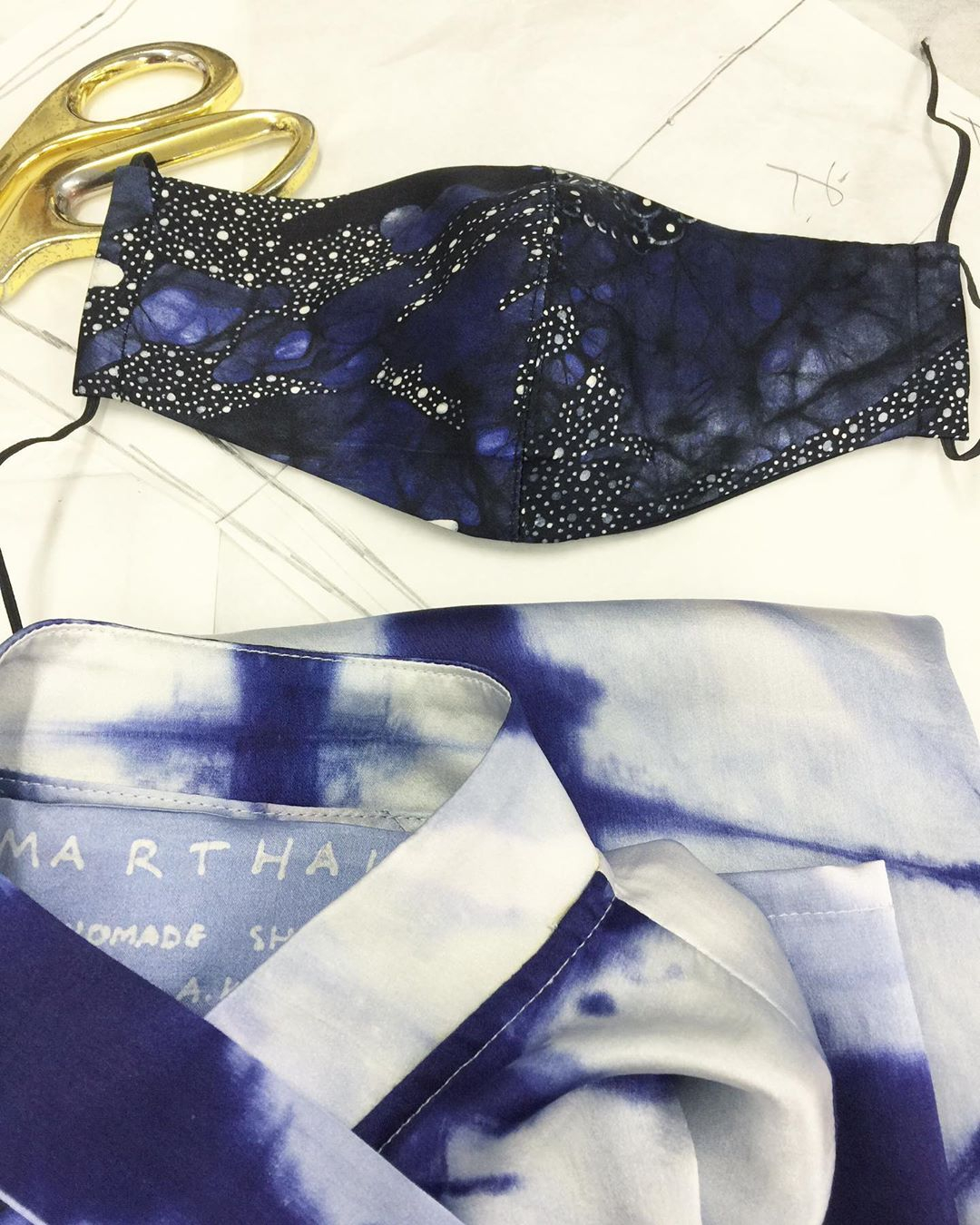
Using traditional batik, Martha Who by Mette Hartman is a sustainable resort wear brand that features hand dyed silk caftans in jewel tones. Very Bali luxe. The pieces are hand-crafted by artisans then sewn by hand and embellished in Singapore.
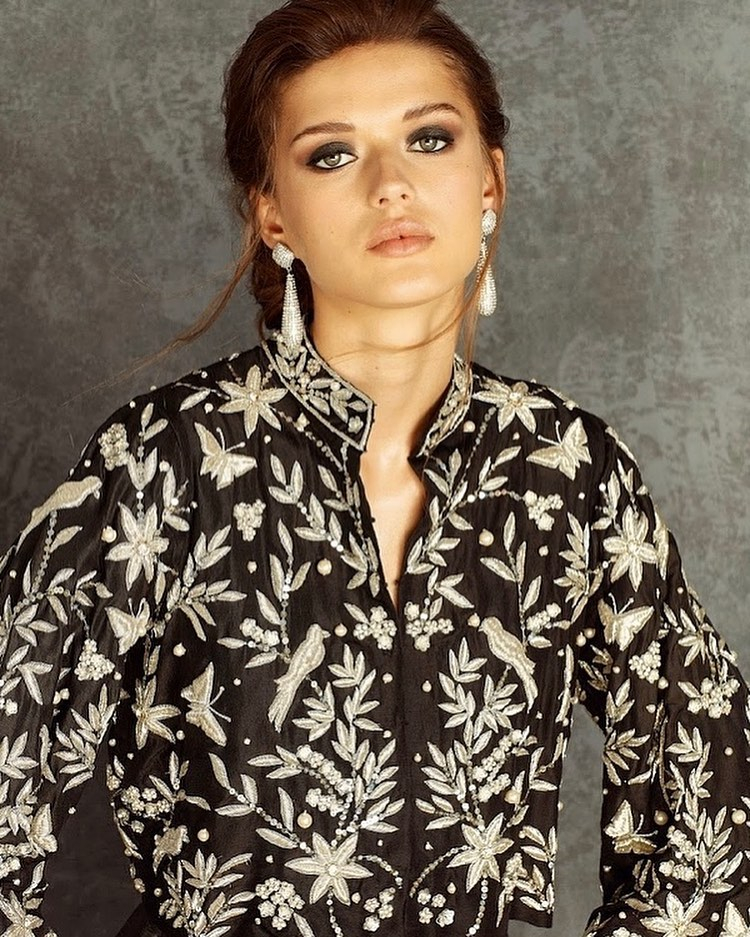
A glamorous womenswear brand, Nida Shay has been around for a few years and features the substantial use of artisanal hand embroidery created in the rural areas of Pakistan. The designer believes in supporting traditional artisans, with a Corporate Social Responsibility (CSR) programme that provides a living wage, educational ventures and vocational training to support the wider community of craftspeople in Pakistan.
For more information about TaFF’s Singapore Stories contest, go to singapore-stories.com.
In my recent Instagram browsing I have been coming across a lot of interesting fashion brands, some I know of, and others that are new to me.
One of these is Gail Sorronda, a Brisbane-based designer whose eponymous brand has been worn by a bunch of famous people like Winona Ryder and Lorde. Sorronda was also apparently described by no less than Karl Lagerfeld as “one to watch”.
All this information was gleaned from various Australian media reports as unfortunately Sorronda was unavailable for an interview, as she is “just really selective with interviews” according to her husband and business partner Atlas Harwood, who is also famous for playing bass for post-punk brood band, Gazar Strips.
Still, despite the lack of access, and the dearth of information on the brand’s website, I’m still excited enough about Sorronda’s work to spend time writing up this article.
Sorronda launched her label in 2005 at Australian Fashion Week in Sydney, with an aesthetic that is “ethereal, dark, romantic” according to the designer in an interview published earlier this year. Her collections are named for her obsessions – Holy Water, Oh My Goth! and Angel at My Table (her graduate collection) – and obviously swing towards the gothic. Which, of course, is why I was so attracted to the brand in the first place.
After launching in Australia, the designer worked in Paris from 2008, where her work was chosen to be featured by Dolce & Gabbana to feature in its Milan boutique, before returning to Brisbane – the capital of Australia’s sunshine state, Queensland – and establishing an independent boutique and atelier. Sorrondo’s penchant for the theatrical has also seen her work with Queensland Ballet and Expressions Dance Company designing costumes.
While there isn’t an obvious sustainable or ethical focus in her production, Sorrondo does fit neatly into the Slow Fashion Movement.
“I prefer for pieces to be timeless. That is how I value good design. I think major trends can echo what is happening in society at the time just like music and other modes of the arts can. I just have a problem with fashion’s ceaseless cycle of replacement operating on planned obsolescence, artificially inducing trends, in a unsustainable and economically insatiable way,” Sorronda said in a recent interview.
The brand’s garments are manufactured in Australia for the most part, from a range of luxury, internationally sourced fabrics. The designer is also in favour of supporting local artisans, as she stated in that same interview that supporting ‘local’ meant “thoughtfully buying locally designed and made products”.
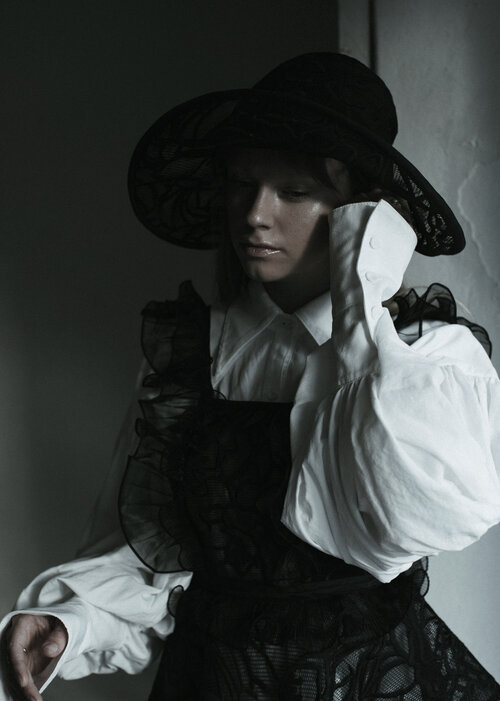
As for the garments themselves, there is a definite hint of Japanese cult Lolita styling in the most recent collection – black and white, bonnets, capes of lace and voluminous sleeves all echo the mid-Victorian era stylings of the genre.
There is, however, a delicacy to Sorronda’s pieces due to the quality of the construction and lightness of the fabrics, particularly when combined with a sense of transparency that is visible in the garments that bare more skin.
Yes, this is another brand that would fit quite neatly into the #cottagecore aesthetic, but I prefer to think of it as a softer, more romantic version of Victorian Goth; plus the garments in white and at shorter lengths make it more appropriate for warmer climates.
I’ve never been shy about my love for Kpop … yes, I’m a YG stan from way back! Which is why I gleefully watched the latest video from the entertainment company’s girl group BlackPink with eyes wide open to spot the latest Korean fashion trends.
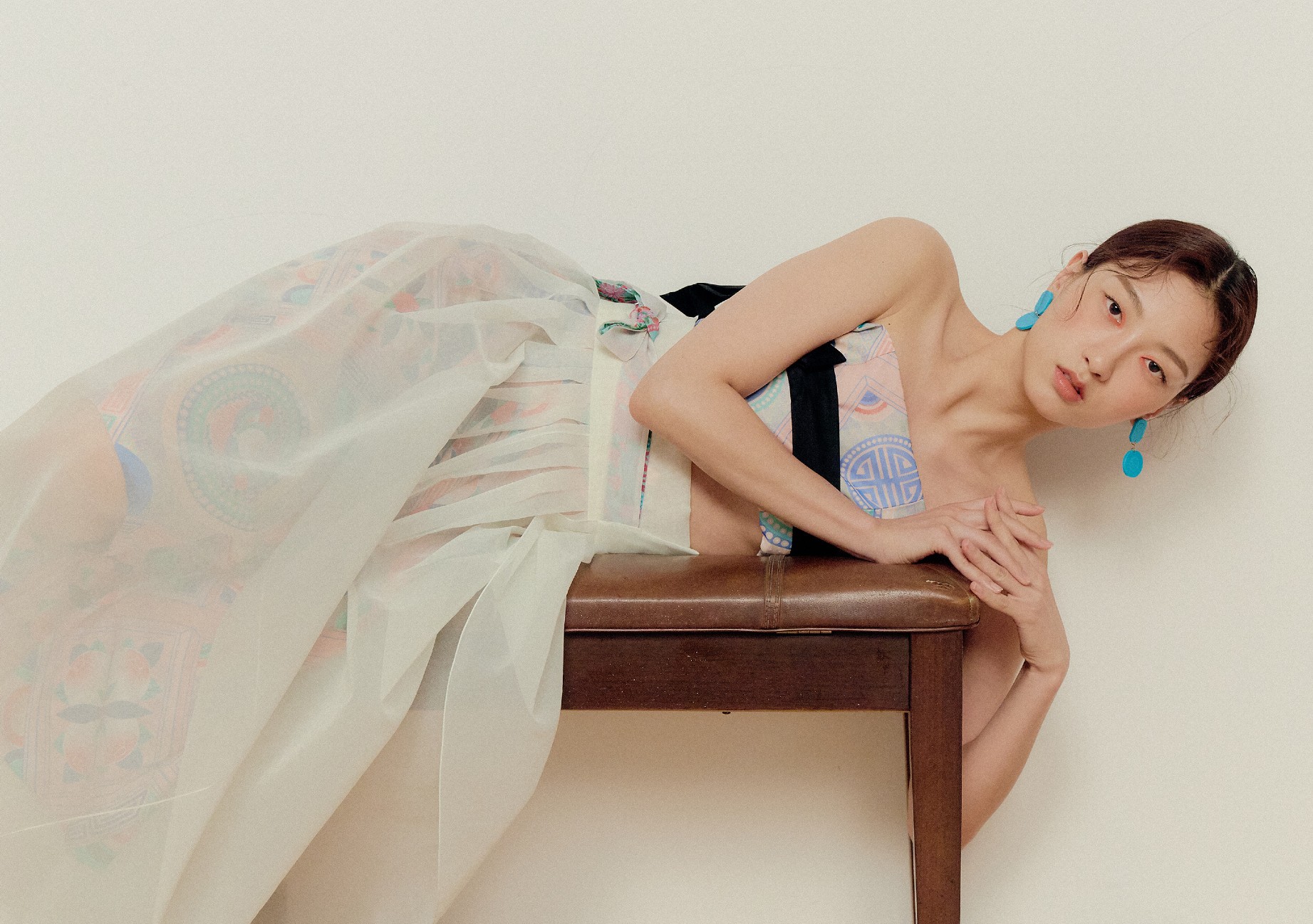
And there, front and center were some fabulous traditional Hanbok-with-a-twist garments. I recognised the fabrics, prints and decorative details from all those Kdramas we all watch, but teamed with boots, short-shorts and minis, this was definitely not something Queen Seondeok would wear!
I was already following a number of other Korean brands that were working with traditional fabrics and clothing shapes on Instagram, but these garments were a cut above with the attention to detailing and how modern they looked. Eventually I tracked down the brand behind the looks and discovered Danha.
Danha is not only a brand that is focused on creating a modern version of traditional Korean clothing, it is also a sustainable and ethical fashion brand – not something that is common in the Korean fashion industry.
The brand describes itself as “sustainable ethical ‘slow fashion’ rather than ‘fast fashion’ that causes global warming, [and] will contribute to improving the world’s environmental problems”.
Named after the designer Danha, the brand has always been about two things – celebrating traditional garment heritage in Korea, and being environmentally responsible. The brand works with organic and recycled fabrics, upcycles fabric offcuts – it creates gorgeous foldable shopping totes – and using the traditional flat-cut method of Korean garment design, actively reduces fabric waste. Danha also produces limited runs of stock and will create made-to-measure garments.
WATCH THE VIDEO:
Designer Danha discusses how her clothes ended up on BlackPink
The garments are mostly created out of organic cotton, and eco-fabrics made from recycled plastic bottles. Silk and an eco-friendly tweed is also used for some items, and the brand continues to experiment with creating new sustainable fabrics. Their organic cotton complies with GOTS (Global Organic Textile Standard), and is grown in a three year process with no chemical fertilizers, plus only natural starch and wax are used during the spinning process.
Like many brands these days, Danha also uses recycled and biodegradable packaging, and is in the process of trialing an upcycled paper shipping box made of recycled materials.
Another part of the brand’s ethos is its ethical production methods, describing its sewists as “free workers who can choose what they want to do”, in a collegiate workshop environment where all the garments are handmade, “working comfortably together, respecting each other”.
From the customers’ perspective Danha is also remarkably inclusive unlike other Korean fashion brands which historically have had issues with sizing, creating only small sizes and with little consideration of non-tiny shoppers. Danha, on the other hand, is quite inclusive. The brand’s ‘free size’ ranges from Korean sizes 44 to 66 (that’s XS to M on the international size chart), wrap skirts go up to a 35in waist. Garments also come in sizes that are equal to an international L, and the brand will also customise garments to order in any size you like.
Those are all the sustainable and ethical requirements on the current hit list, but what about the clothes?
Danha’s aesthetic fits neatly into the growing #cottagecore movement of light layers, ruffles, soft voluminous shapes and an ethereal, fairy vibe. Think drifting around in the moonlight waiting for your prince to arrive while simultaneously discovering a herbal cure for cancer, but in Seoul. These are pretty, pretty clothes with a distinctly Asian traditional take.
Should you wear them if you aren’t Korean, or Asian? Yes! If you love the look it doesn’t matter where you come from, just make sure you don’t do something stupid like add ‘yellow face’ makeup or hair.








































 niki bruce