Melbourne brand Dominique Healy is ethical, sustainable, elegant and ageless

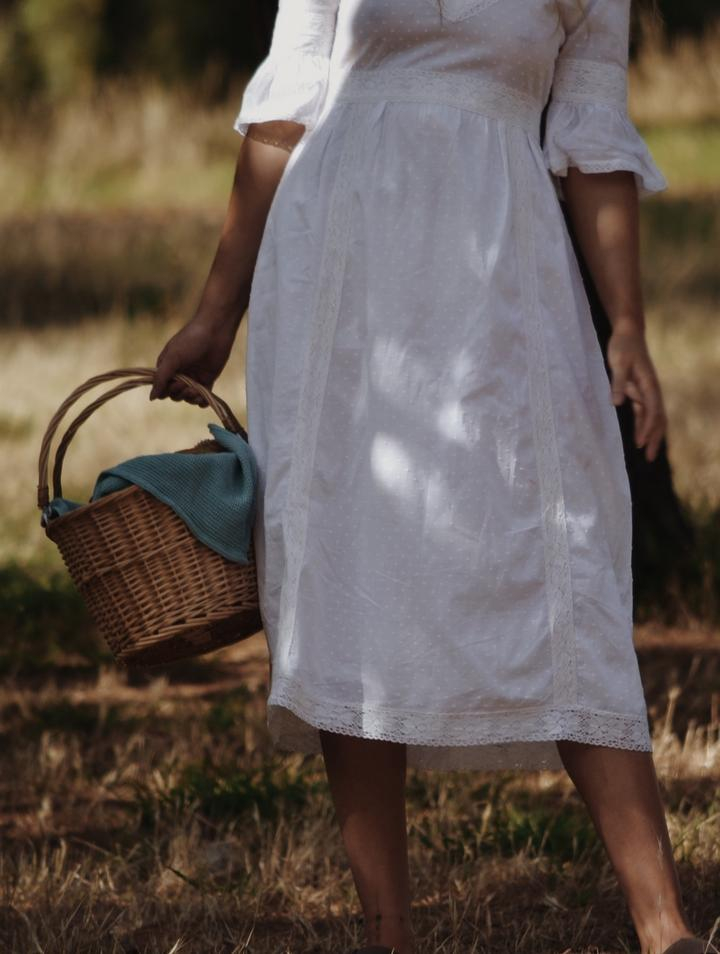
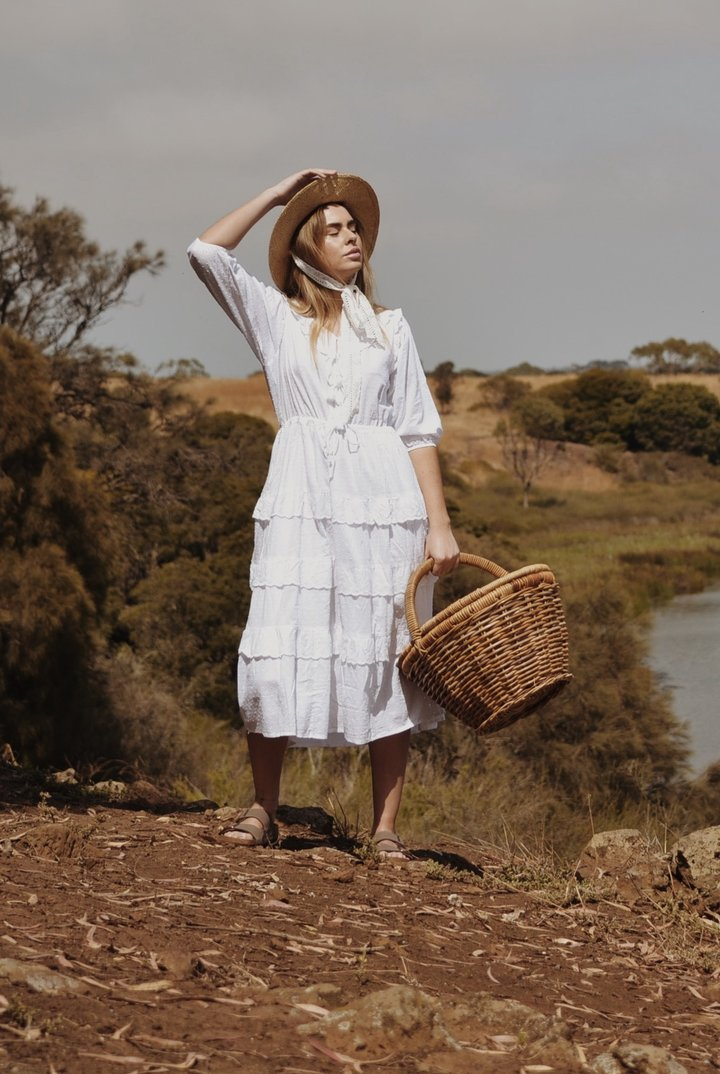
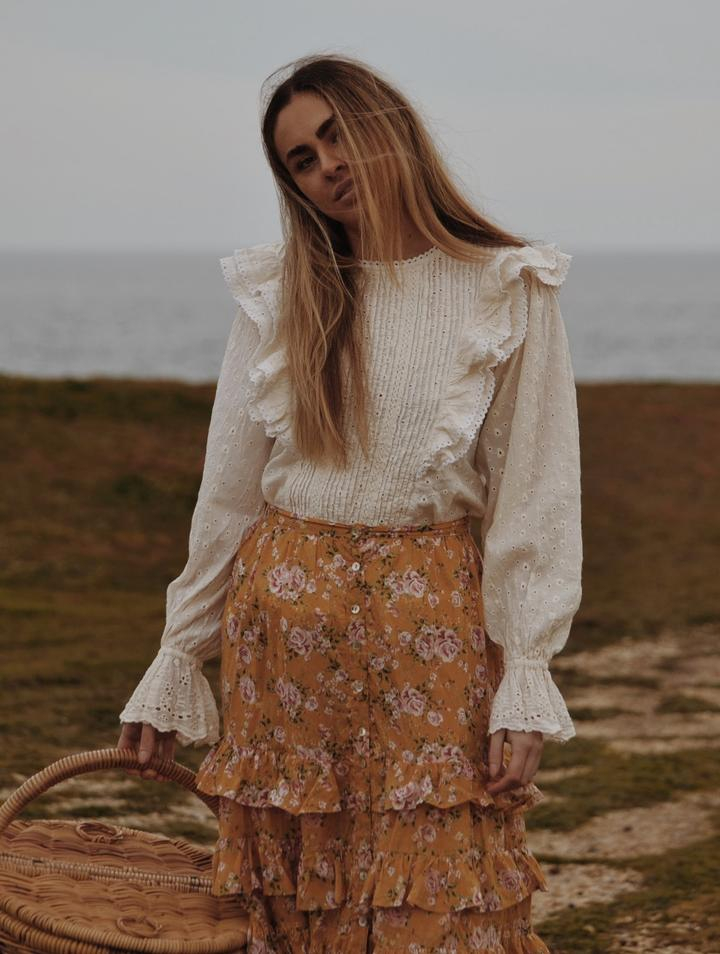
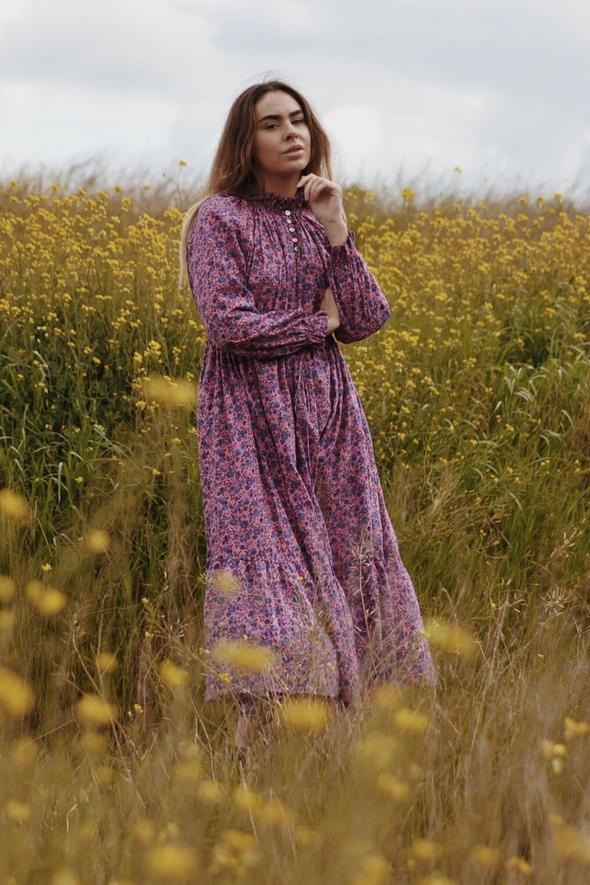
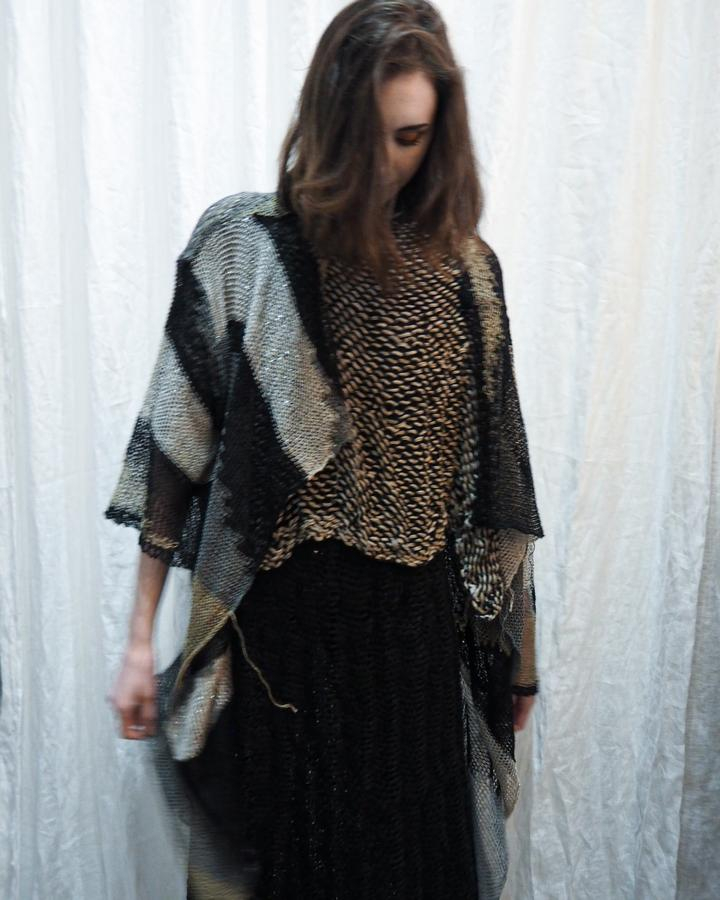
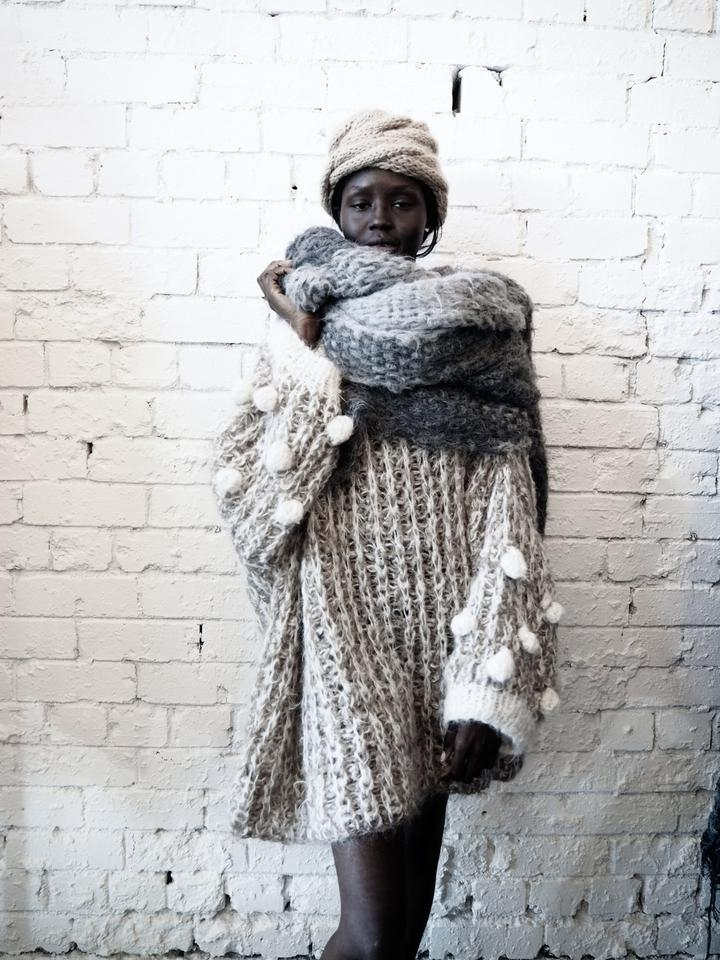
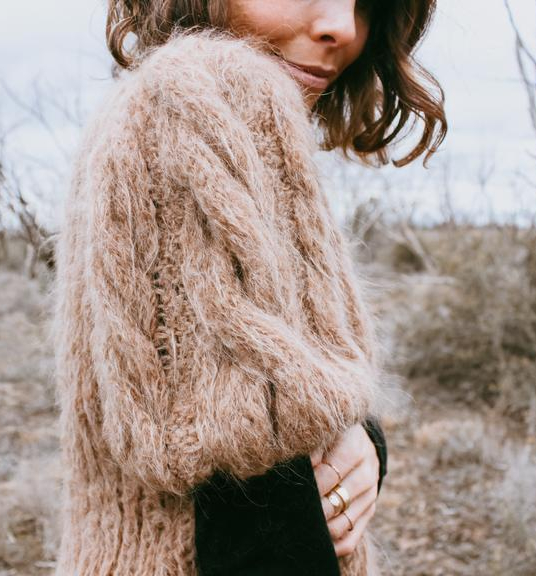
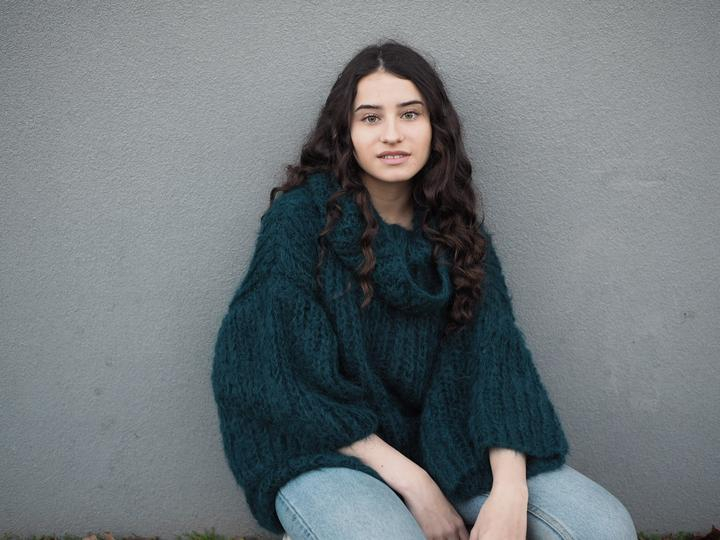
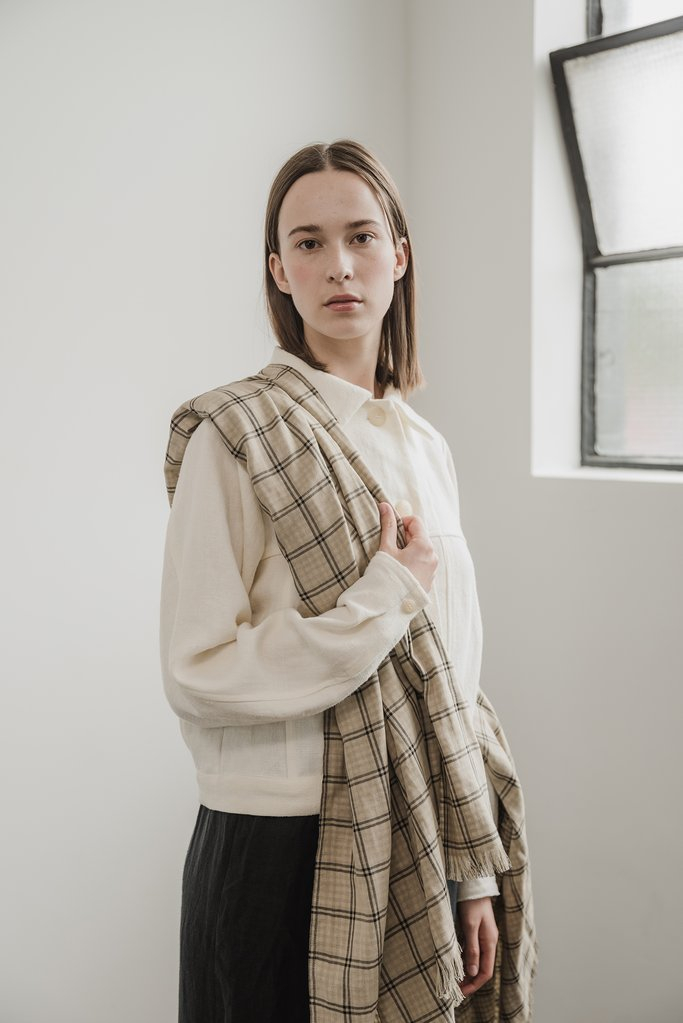
Elegant, seasonless, and ageless, the work of Melbourne based designer Dominique Healy has a built up a dedicated fan base of customers since she launched her eponymous brand in 2017. 

With 10 years as a fabric wholesaler in both Australia and New Zealand, if there’s one thing the designer is known for, it is high quality, beautiful fabrics. It was this background that was the impetus for the launch of the brand as the designer began stashing and storing the materials she came across. 

Alongside her love for fabric, Healy was also committed to creating clothing that support and promoted local and ethical clothing production, as she writes on her website. The brand’s mission statement clearly shows the designer’s focus: “Trans-seasonal pieces. Released slowly. Made in-house in our Melbourne studio.”

“Each garment is carefully considered and constructed locally from high-quality fabrics, all made to stand the test of time,” states the website.

Elegant, seasonless, ageless

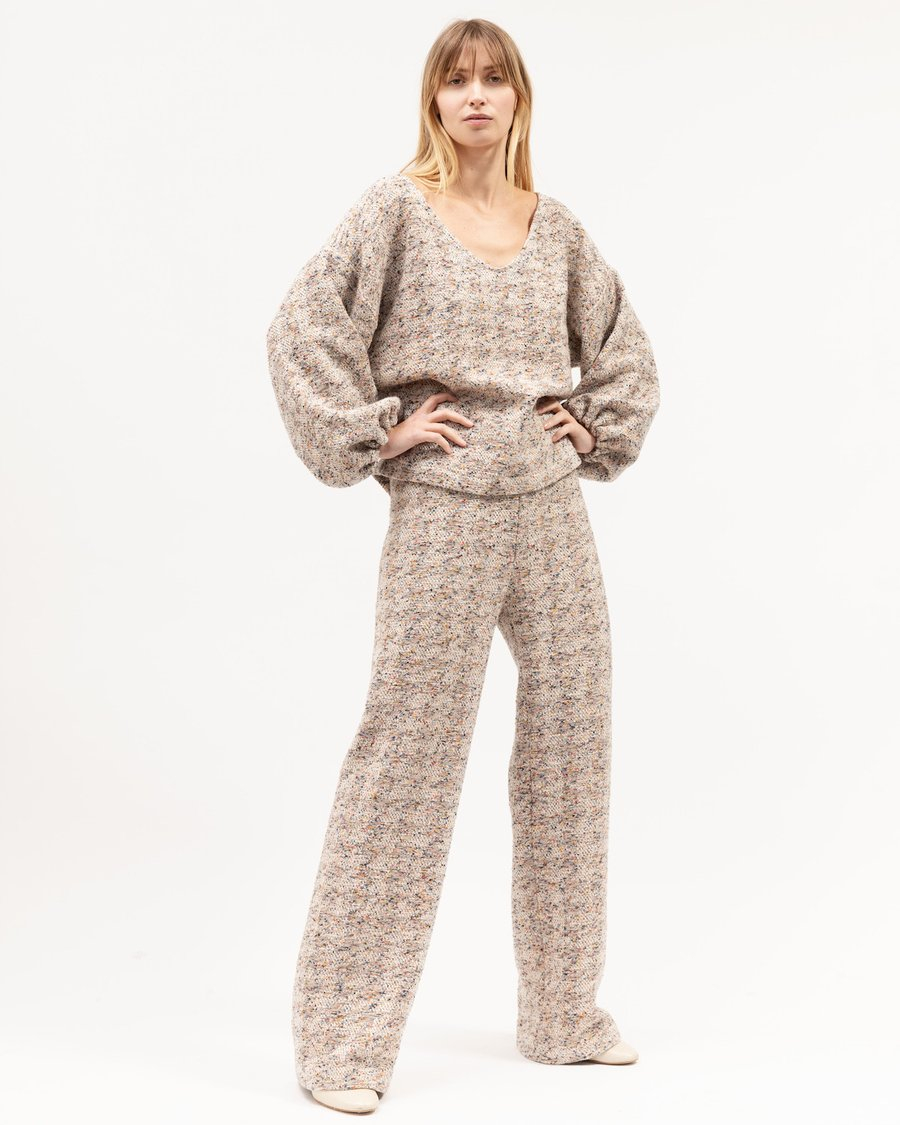
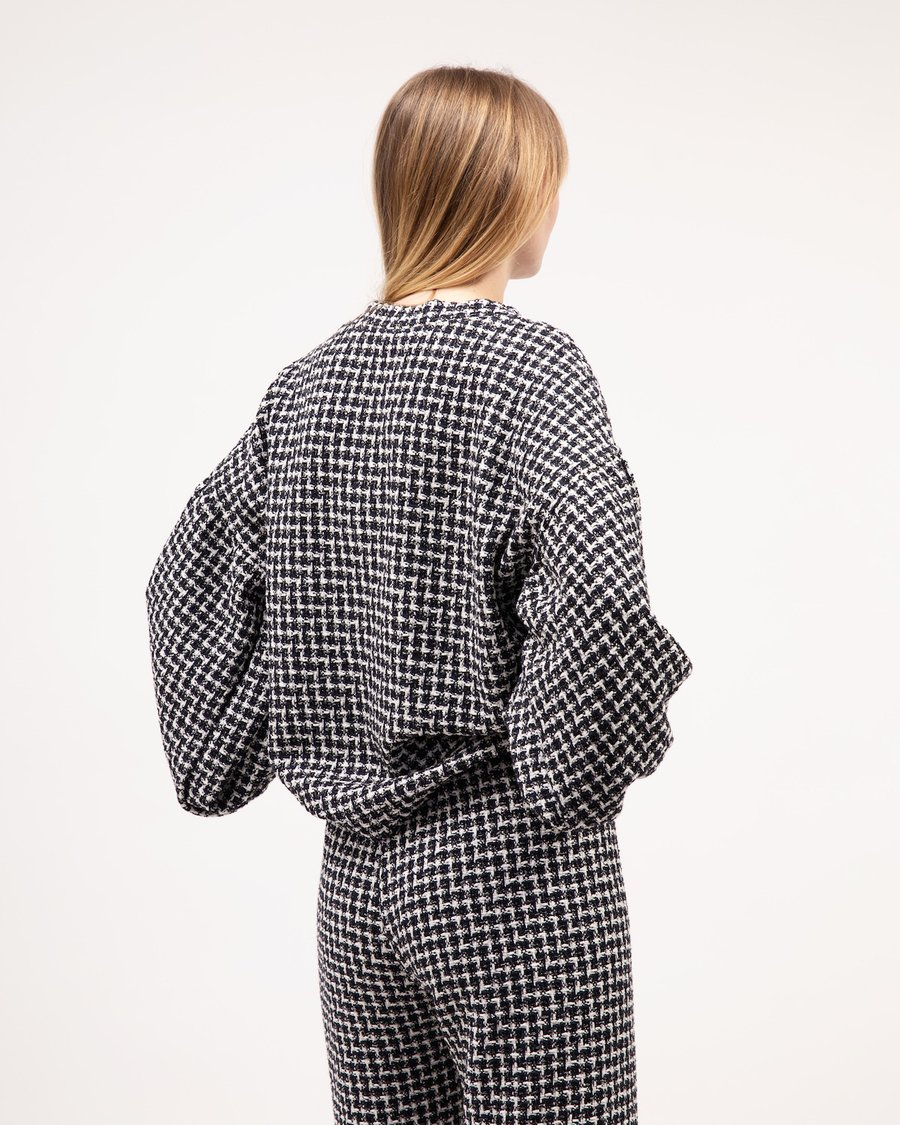
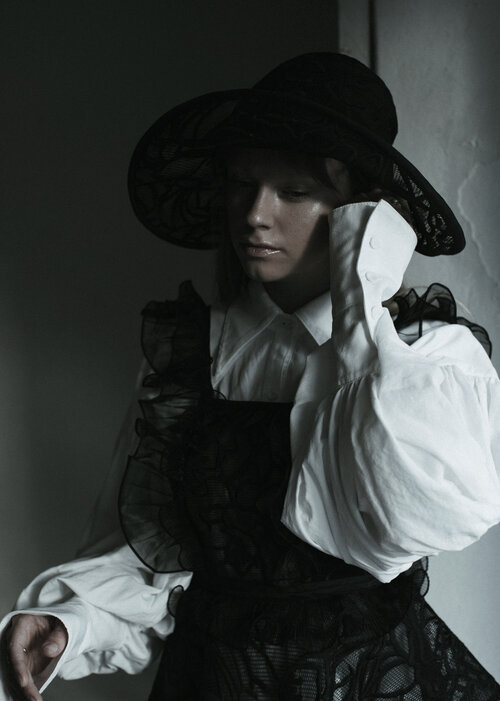
The Dominique Healy aesthetic is a mix of classic shapes like wide-leg pants, pencil skirts, and blouses with textured fabrics and more fashion-forward proportions. She does a spectacular poet-style sleeve. 

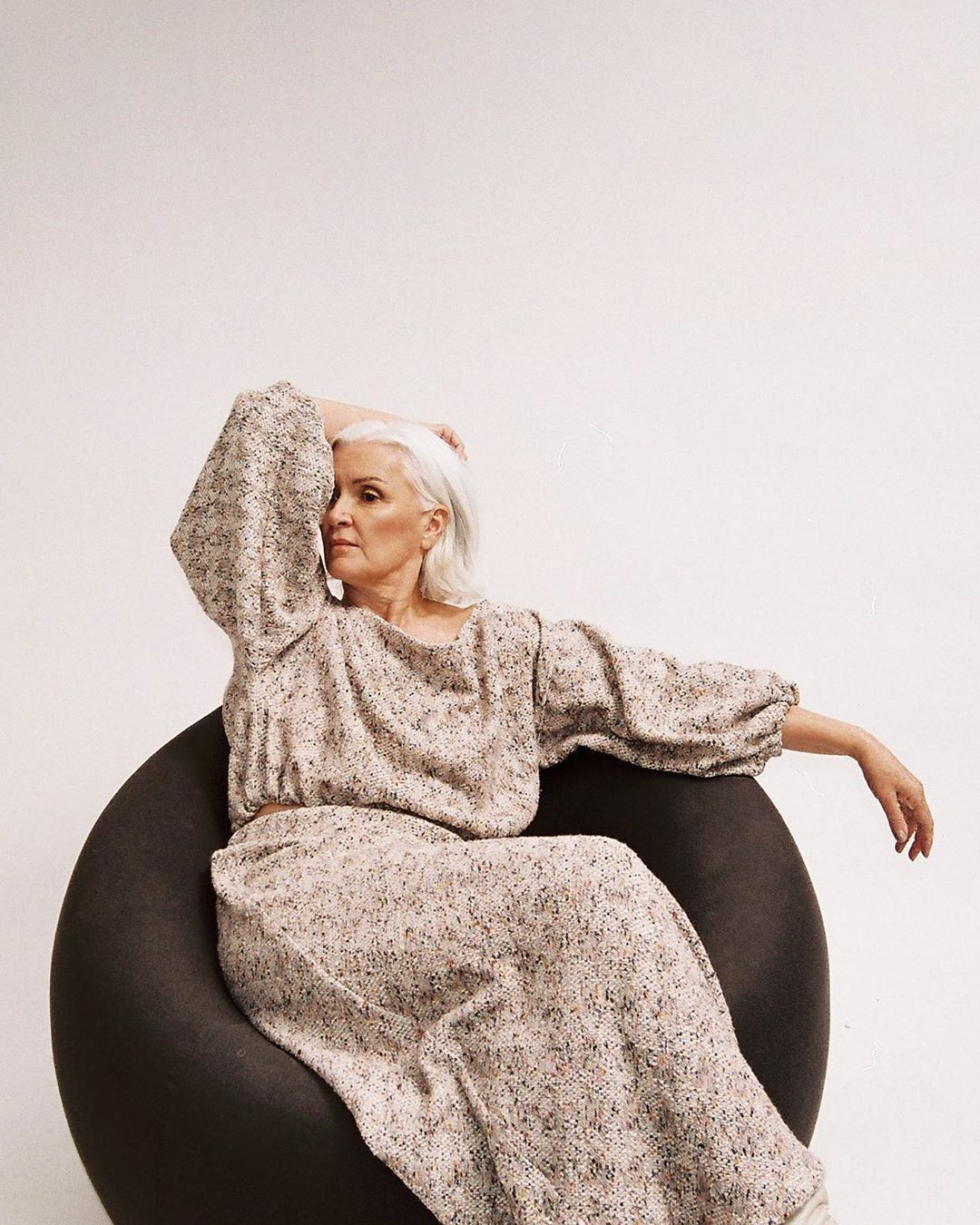
It’s also interesting that the designer uses an older fit model front and center in her shoots and lookbooks, clearly welcoming the dollar of the more mature buyer. Equally interesting is that the exact same pieces are shown on both the older, and younger models; again showing a more inclusive attitude. 

While the natural tones of the fabrics – think white, cream, black – give off a somewhat Scandianivan furniture vibe, the slightly bulky fabrics create a rounded, soft texture to the brand’s pieces. 

Healy’s most recent collection was all about matching sets that have the comfortable feel of a sweatsuit but the elegance of a traditional suit due to the use of thick cotton fabrics and classic cuts. 

Ethical and Sustainable Production

The majority of the Dominique Healy garments are made in her Melbourne studio, while the rest is produced at an Melbourne factory that is ethically accredited. 

Healy strongly believes that production needs to be kept local in order to not only support the Australian fashion industry, but she also feels that otherwise, “a part of the magic of the fashion industry could be lost altogether”.

An added benefit of keeping production local is the ability to produce short runs per style, reducing waste, and to also move to a ‘made to order’ model after the initial garments are sold, again ensure there is little to no wasted stock.

The garment patterns are also designed in such a way as to reduce fabric wastage. The brand’s popular Bella Blouse uses 95% of the fabric allowance to make, and Healy continues to work on ways to decrease fabric wastage with all her patterns.

Another way the designer works to be more sustainable, is to use a majority of deadstock fabrics sourced from Japan, Hong Kong, France, Italy, Australia and New Zealand, where her previous life as a fabric wholesales comes in handy.

Linen used for the brand’s classics range is produced by mills that are OEKO-TEX certified, meaning they meet a set of international regulations for the responsible use of chemicals. 

While Healy has obviously created a fashion business that already follows a number of ethical and sustainable processes, the designer states that she will continue to incorporate “more sustainable and earth friendly materials into her collections”.

You can buy Dominique Healy online at dominiquehealy.com, and follow the brand on Instagram at @dominique_healy.

Ankoa, the Australian slow fashion brand ‘celebrating life and all it has to offer’

As the world continues to feel less and less safe, there has been an increase in searches for, and sales of, fashion items that bring a sense of comfort. Nostalgia for the times ‘before’, the golden ages of previous centuries when anything seemed possible, is popping up all over the place. 

Whether it was the 1910s, or the 1970s, the desire for a light, pretty dress made of fine fabrics with lace and floral details is a trend that has come full circle in 2020. Concepts like #cottagecore, handcrafts, handmade, natural materials, floral prints, delicate detailing and classical, forgiving silhouettes can be seen in many designers’ work. 

The Strawberry Midi Dress by Lirika Matoshi is perhaps the most famous dress of the year; so famous that popular social media influencers are making their own. The search for ‘prairie dress’ gets you 55,200,000 results on Google. 

What’s really interesting is that the bulk of these results are not for major fashion brands, but from small independent designers, or even home sewists, who are looking to create clothes that are not only pretty, but comforting and designed for real women to wear. Clothing that is a bulwark against the stresses of a world pandemic and all that it brings. 

All of this means that designers who have always created seasonless, trendless, slow fashion clothing are coming into their own. One of these is Australian designer Lucy Blair with her brand Ankoa. 

Based in rural Australia, Lucy studied fashion at RMIT TAFE and worked in the commercial side of the fashion industry for a number of years, learning what she needed to know about how the market and industry operates in Australia. She also ran her own small, independent brand at the same time “making plenty of mistakes in what was a very different landscape, online shopping was only just starting out at that point”. 

Lucy admits that while she loved what she was doing, she also started to see the cracks in the industry’s walls. “This was a time where I was very much captivated by the glamour of the industry and at this point ethical fashion wasn’t something that was really spoken about and was not something that was ever part of my curriculum studying,” explains Lucy.

Eventually she moved back to the country, drawn to a slower pace of life and a more considered way of producing fashion. 

“Ankoa was something that I gradually started, around six years ago working part time and then once I had children found a whole new drive and passion to create,” says Lucy. 

“The initial concept for Ankoa came from a love for hand blocked Indian cotton fabric. The fabric is created by carving wooden blocks and then dipping them in dye to create a unique print by hand.”

“I fell in love with the beauty of this ancient art and wanted to find a way to support and celebrate it. Initially I was going to make men’s shirts but ended up crossing over to women’s wear as that was my real passion. 

“Once that happened it became about ‘celebrating life and all it has to offer’, making pieces that pull you further into moments so in terms of slow I guess that was always an underlying component but has developed further, as has the aesthetic.”

Lucy’s style is a mix of romanticism, traditional femininity, and a sense of womanhood. Motherhood made a major impact not only on Lucy’s thoughts about creating slower, more sustainable fashion, but also on her designs. Many of her dresses and tops are designed to make breastfeeding easier, for example. 

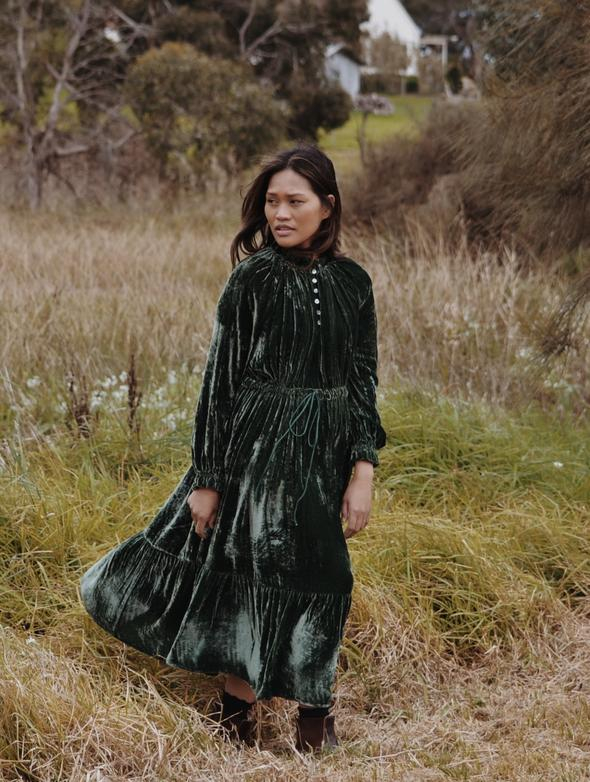
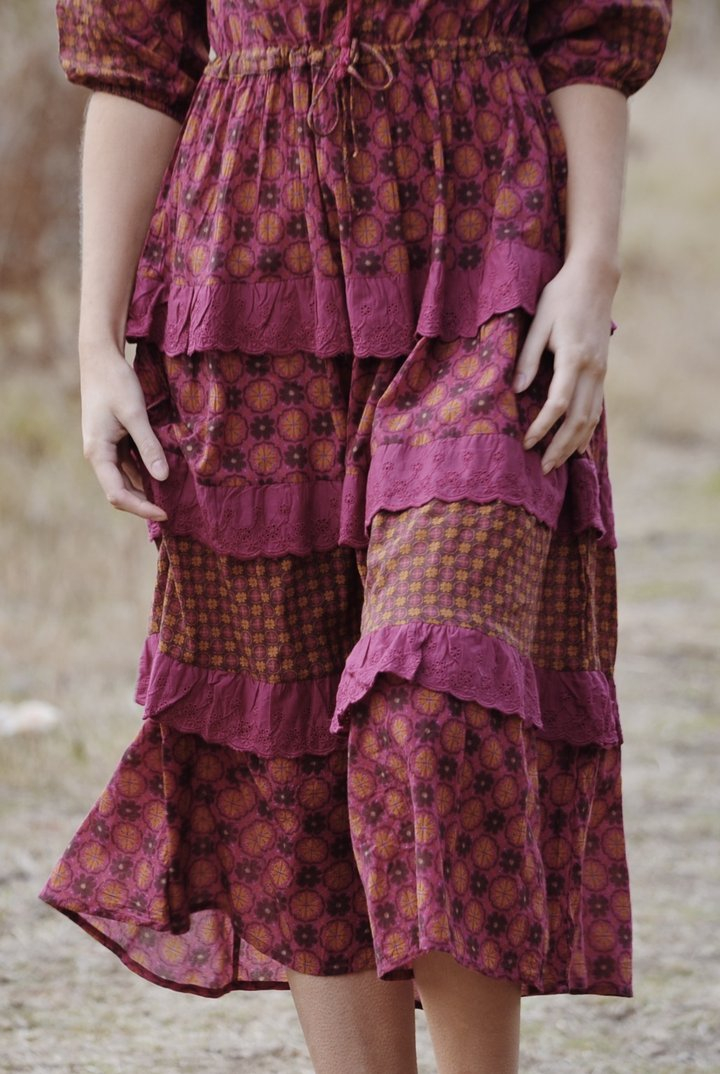
Rich colours and delicate prints on cotton mix with soft fabrics like velvet in her Winter collection; shapes are flattering with added volume for easy movement. These are very pretty clothes, with details like ruffles and lace that hark back to either the 70s hippie dresses or the floaty shirtwaists of the Edwardian era. 

Each garment is a little bit different due to the use of hand printing using blocks in the traditional Indian style. The production runs are also small ensuring there is little to no waste, creating garments that are meant to last, and be handed down like heirlooms.

The battle for Sustainability

These days words like ‘sustainability’, ‘ethical consumerism’, ‘slow fashion’ etc are thrown around with abandon, and in many cases with little understanding. ‘Everyone knows’ that the fashion industry has to become more ‘sustainable’, but few brands understand what this actually means, let alone know how to implement the required changes. 

For a small, independent brand like Ankoa, the issue of sustainability is multilayered; a battle to continuously improve. 

“In terms of sustainability, so much has changed in the last six years and it is something to celebrate but has also been a battle,” explains Lucy.  “When I say battle, I grew up believing that we could do anything, be anything but suddenly what I wanted to do seemed so damaging and for a long time I felt really lost and unsure of what to do. 

“So yes, [sustainability] has always been a focus because I made the decision to do it, but do it in a way that I felt comfortable, so that the people who I work with are paid properly, making very small quantities of pieces with a focus on quality and natural fibres, and hoping that the Ankoa woman chooses one dress over 20 cheap throw away dresses to last. 

“The focus on sustainability is something that continues to change, I am not perfect and there are still so many improvements to be made but it is something that I feel strongly about as the brand grows.”

While admitting that being a sustainable and ethical fashion brand is always a work in progress, Lucy does feel positive about the future of the industry. 

“Given that even ten/fifteen years ago, sustainability was not really something that was much of a consideration, I am excited and hopeful for the future. I think that there have been lots of positive changes in the last five years in particular, so I can only imagine how many great things might happen in the next five to come,” says Lucy.

“I also hope that people’s thinking is slowly changing and people want to know what the story is behind the clothes and also making conscious choices opting for pieces to wear for years rather than once or twice and throw away. I am also really excited about the future of recycled fashion/fabric and feel this is an area that has huge potential for growth.”

Positivity in the Pandemic

It has to be said that the retail industry, particularly the fashion retail space, has been massively impacted by the Coronavirus pandemic. While a few items like sweatpants and masks might be doing huge sales online, for creative fashion brands things have been less rosy. After all, who needs a ballgown right now? 

However, smaller, more nimble brands like Ankoa have been able to react quickly to market changes, and have also seen customers’ behaviour change as well. 

“I believe the pandemic has highlighted a few different things. It has caused many of us to slow down and focus on what’s important and how little we need, I hope this also fuels the desire to choose quality over quantity,” says Lucy. 

“I would also love to see some more manufacturing options here in Australia, I love supporting and working with my team in India who I hope to continue to work with but I would also very much love to do some more work here too.”

Ankoa was naturally impacted by the arrival of Covid19, says Lucy: “When things first started I went from being consistent to absolute crickets.” However she also saw a slow return to sales with fluctuations based on newly released items. She says that she remains nervous – Lucy had thought she might have to close the brand earlier on – but now hopes that things will continue to get better.

Onwards and upwards … 

While Lucy remains passionate about continuing Ankoa, particularly in relation to supporting her current team and continuing her love of traditional Indian hand block printing, she would also like to be able to produce her garments in Australia too.

“… Before children I was making a lot myself but for now it is near impossible having little people around. Once my littlies are off to school then I hope I am able to get back to making in some way and to potentially find a way to produce within my local community, in a way that has a positive impact,” says Lucy.

“I would like to keep the brand relatively small, it’s a business of heart and not something that I want to become huge and unmanageable, I would like to find a way to just live a relatively quiet life with family and enjoy creating in a way that is helpful and sustainable.”

You can buy Ankoa online at www.ankoa.com.au and follow the brand on Instagram at @ankoaau

Handcrafted, sustainable artisan knitwear from Amano by Lorena Laing

Lorena Laing is a Melbourne ‘fashion artist’ who launched Amano by Lorena Laing as a way to share her handcrafted artisan-style knitwear with the public. The brand is all about ethical and sustainable knitwear, and works with one of the last knitting mills still operating in Australia. 

Every product is handcrafted in Australia, and the whole company is dedicated to working with local producers, artisans, craftspeople and artists. The brand also locally sources its materials, manufacturing and packaging locally, stating it feels a “responsibility to preserve and pass on [ageing artisanal skills] to future generations”. 

Due to its artisanal nature, Amano creates clothing items that are more like bespoke, one-off artworks. The design concept is based around the individuality of handmade production, and the core concept is that no two pieces are exactly the same. The overall style will be the same, but the colours, details and specifics will be different. 

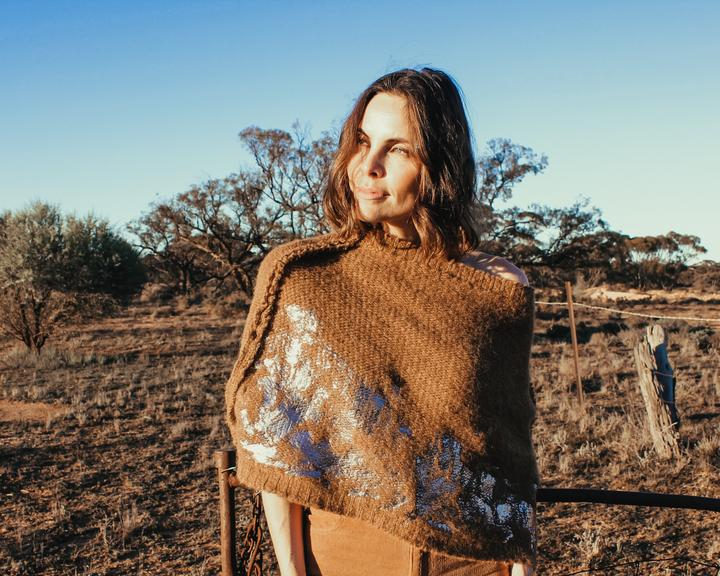
Traditional production techniques like loom weaving, crochet and needle knitting are combined with the small run manufacturing of the traditional knitting mill to create the various garments. Natural materials like alpaca and high quality wool are used to ensure that the pieces last. 

“The Alpaca fibre I work with is local and ethically sourced from Peru. The skilled artisans who weave and knit my designs are locals and it is important to me to focus on keeping my collections local and one hundred percent natural,” writes Laing.

Amano is very much about ‘slow fashion’. The brand wants the garments to be used, worn, and handed down, ideally to become family heirlooms.

“Amano takes great pride in hand-crafting its pieces with locally sourced materials, have zero waste and are crafted and packaged locally. We are aware of our carbon footprint, of our struggling manufacturing industry and our aging artisanal skills. We feel a responsibility to preserve these and ensure they exist for future generations.” 

To help with controlling waste, for the brand’s ready-to-wear capsule collection Laing uses CAD (Computer-Aided Design) software to map out the garments in minute detail to reduce wastage. 

While there is definitely a handmade ‘craftiness’ to the Amano aesthetic, you also see the influence of Japanese knitwear designers like Yuko Shimizu and Reiko Kuwamura in the voluminous shapes, as well as early Rick Owens open-work knits, and even the delicacy of the work by textile artists like Chris Motley and Gjertrud Hals.

The use of muted colours – neutrals, blacks, greys and warm browns – ensures that these garments are not trend focused. The oversized shapes also mean that Amano knitwear suits all body types and sizes. 

Amano by Lorena Laing garments are not cheap, they are handmade after all, but they are not as expensive as you would imagine. One of these knits will last you for years, so the cost per wear is definitely worth the investment. 

You can shop Amano by Lorena Laing online at lorenalaing.com, and once the coronavirus restrictions are over you can visit the atelier located at 631 Rathdowne Street Carlton North, Victoria, Australia. The designer also holds one-on-one styling sessions where you get a personal introduction to the garments from Laing, and you can also commission bespoke garments.

Goth in the Sun: Australian designer Gail Sorronda

In my recent Instagram browsing I have been coming across a lot of interesting fashion brands, some I know of, and others that are new to me. 

One of these is Gail Sorronda, a Brisbane-based designer whose eponymous brand has been worn by a bunch of famous people like Winona Ryder and Lorde. Sorronda was also apparently described by no less than Karl Lagerfeld as “one to watch”. 

All this information was gleaned from various Australian media reports as unfortunately Sorronda was unavailable for an interview, as she is “just really selective with interviews” according to her husband and business partner Atlas Harwood, who is also famous for playing bass for post-punk brood band, Gazar Strips.

Still, despite the lack of access, and the dearth of information on the brand’s website, I’m still excited enough about Sorronda’s work to spend time writing up this article.  

Sorronda launched her label in 2005 at Australian Fashion Week in Sydney, with an aesthetic that is “ethereal, dark, romantic” according to the designer in an interview published earlier this year. Her collections are named for her obsessions – Holy Water, Oh My Goth! and Angel at My Table (her graduate collection) – and obviously swing towards the gothic. Which, of course, is why I was so attracted to the brand in the first place. 

After launching in Australia, the designer worked in Paris from 2008, where her work was chosen to be featured by Dolce & Gabbana to feature in its Milan boutique, before returning to Brisbane – the capital of Australia’s sunshine state, Queensland – and establishing an independent boutique and atelier. Sorrondo’s penchant for the theatrical has also seen her work with Queensland Ballet and Expressions Dance Company designing costumes. 

While there isn’t an obvious sustainable or ethical focus in her production, Sorrondo does fit neatly into the Slow Fashion Movement.

“I prefer for pieces to be timeless. That is how I value good design. I think major trends can echo what is happening in society at the time just like music and other modes of the arts can. I just have a problem with fashion’s ceaseless cycle of replacement operating on planned obsolescence, artificially inducing trends, in a unsustainable and economically insatiable way,” Sorronda said in a recent interview.   

The brand’s garments are manufactured in Australia for the most part, from a range of luxury, internationally sourced fabrics. The designer is also in favour of supporting local artisans, as she stated in that same interview that supporting ‘local’ meant “thoughtfully buying locally designed and made products”.

As for the garments themselves, there is a definite hint of Japanese cult Lolita styling in the most recent collection – black and white, bonnets, capes of lace and voluminous sleeves all echo the mid-Victorian era stylings of the genre. 

There is, however, a delicacy to Sorronda’s pieces due to the quality of the construction and lightness of the fabrics, particularly when combined with a sense of transparency that is visible in the garments that bare more skin. 

Yes, this is another brand that would fit quite neatly into the #cottagecore aesthetic, but I prefer to think of it as a softer, more romantic version of Victorian Goth; plus the garments in white and at shorter lengths make it more appropriate for warmer climates.  

You can buy Gail Sarronda online at www.gailsorronda.com


Traditional with a Pop twist: Korean sustainable fashion brand Danha

I’ve never been shy about my love for Kpop … yes, I’m a YG stan from way back! Which is why I gleefully watched the latest video from the entertainment company’s girl group BlackPink with eyes wide open to spot the latest Korean fashion trends. 

Korean sustainable fashion brand Danha 5

And there, front and center were some fabulous traditional Hanbok-with-a-twist garments. I recognised the fabrics, prints and decorative details from all those Kdramas we all watch, but teamed with boots, short-shorts and minis, this was definitely not something Queen Seondeok would wear!

I was already following a number of other Korean brands that were working with traditional fabrics and clothing shapes on Instagram, but these garments were a cut above with the attention to detailing and how modern they looked. Eventually I tracked down the brand behind the looks and discovered Danha. 

Danha is not only a brand that is focused on creating a modern version of traditional Korean clothing, it is also a sustainable and ethical fashion brand – not something that is common in the Korean fashion industry. 

The brand describes itself as “sustainable ethical ‘slow fashion’ rather than ‘fast fashion’ that causes global warming, [and] will contribute to improving the world’s environmental problems”. 

Named after the designer Danha, the brand has always been about two things – celebrating traditional garment heritage in Korea, and being environmentally responsible. The brand works with organic and recycled fabrics, upcycles fabric offcuts – it creates gorgeous foldable shopping totes – and using the traditional flat-cut method of Korean garment design, actively reduces fabric waste. Danha also produces limited runs of stock and will create made-to-measure garments.

WATCH THE VIDEO: 

Designer Danha discusses how her clothes ended up on BlackPink

The garments are mostly created out of organic cotton, and eco-fabrics made from recycled plastic bottles. Silk and an eco-friendly tweed is also used for some items, and the brand continues to experiment with creating new sustainable fabrics. Their organic cotton complies with GOTS (Global Organic Textile Standard), and is grown in a three year process with no chemical fertilizers, plus only natural starch and wax are used during the spinning process. 

Like many brands these days, Danha also uses recycled and biodegradable packaging, and is in the process of trialing an upcycled paper shipping box made of recycled materials.

Another part of the brand’s ethos is its ethical production methods, describing its sewists as “free workers who can choose what they want to do”, in a collegiate workshop environment where all the garments are handmade, “working comfortably together, respecting each other”.

From the customers’ perspective Danha is also remarkably inclusive unlike other Korean fashion brands which historically have had issues with sizing, creating only small sizes and with little consideration of non-tiny shoppers. Danha, on the other hand, is quite inclusive. The brand’s ‘free size’ ranges from Korean sizes 44 to 66 (that’s XS to M on the international size chart), wrap skirts go up to a 35in waist. Garments also come in sizes that are equal to an international L, and the brand will also customise garments to order in any size you like.

Those are all the sustainable and ethical requirements on the current hit list, but what about the clothes? 

Danha’s aesthetic fits neatly into the growing #cottagecore movement of light layers, ruffles, soft voluminous shapes and an ethereal, fairy vibe. Think drifting around in the moonlight waiting for your prince to arrive while simultaneously discovering a herbal cure for cancer, but in Seoul. These are pretty, pretty clothes with a distinctly Asian traditional take. 

Should you wear them if you aren’t Korean, or Asian? Yes! If you love the look it doesn’t matter where you come from, just make sure you don’t do something stupid like add ‘yellow face’ makeup or hair.  

Shop Danha online at en.danhaseoul.com

WATCH THE BLACKPINK VIDEO THAT STARTED IT ALL …

Su: Slow fashion with Scandinavian style

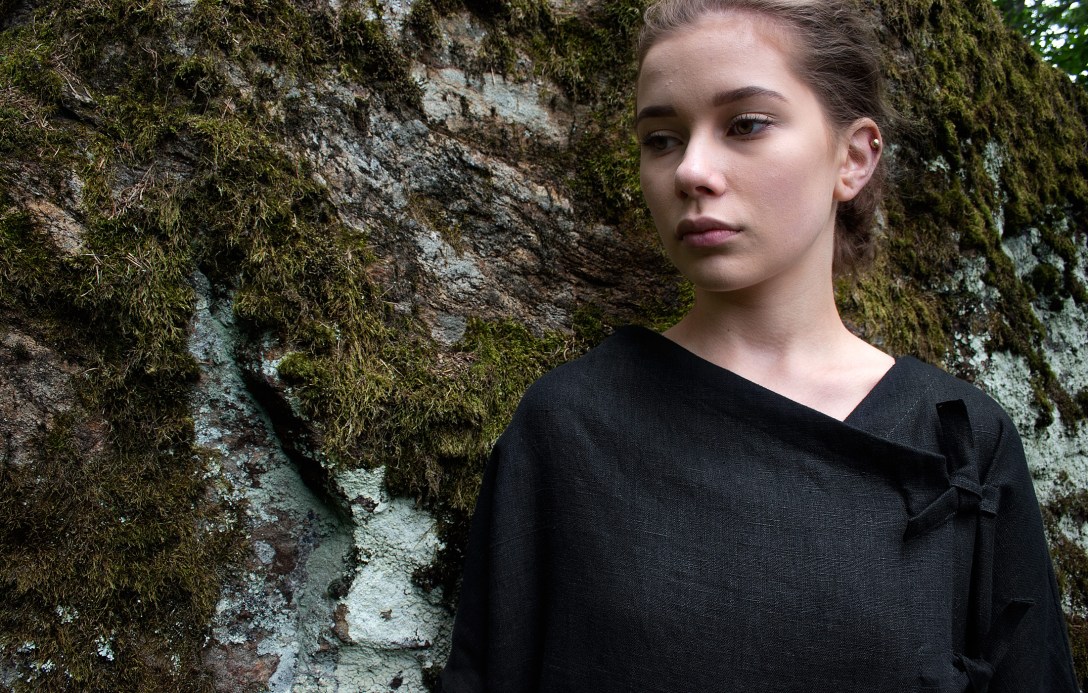
Finnish brand Su is a fashion and homewares brand that is part of the Slow Fashion movement. The brand creates limited pieces in sustainable fabrics like linen, organic cotton and merino wool. 

The style is very ‘Finnish’; shapes are oversized and non-gendered in many ways, the colours are muted and natural, and the styling is simple and again, natural. 

There is something very Japanese about much Finnish design – there are correspondences in concepts like wabi-sabi, minimal-natural, and muted palettes between the two countries’ aesthetics. The Japanese like Finnish design, and the Finns like Japanese design. 

Su’s design philosophy is “to make modern, custom-made clothes in small batches”, with an ethos that is “restrained, relaxed and respectful of materials”. Again, all things that resonate with lovers of Japanese design.

Everything is designed and handmade in Finland – from interior textiles to the clothing collections. The latest collection – Summer 2020 – is about loose fits, large pockets, dropped sleeves, shades of gray and blue, with white and black. There are also pieces in an undyed linen. 

There is a ‘slowness’ about the collection that’s not only down to how it is sourced and made – 100% certified natural materials, produced in an ethical way – but also in the feel. It’s about long, lazy summers in the woods and fields of Finland surrounded by some of the country’s 100,000 lakes.

Su Slow fashion with Scandinavian style 10

“We use Öko-Tex 100 certified natural materials from Finnish fabric wholesalers. Flax is produced in the EU or the Baltic countries. Merino wool is knitted in Finland. The cotton we use is organically grown and produced in the EU in southern Europe,” states the Su website.

Su also produces homewares. Made of linen, there are cushion covers, bath towels, hand towels, aprons, eco bags, and napkins. Again, the fabric is all natural, the colours are muted, and there is a practicality about the designs like tea towels with buttons so you can hook them easily. 

Although you can’t currently buy Su online unless you live in Europe, you can try your luck by contacting the brand’s stockist Somia Living by emailing miia@somialiving.fi. If you really want something from the online store, try emailing info@sunnuntaipuoti.com and organising your own shipping.

Read more about Finnish fashion: Review: A focus on fashion from Finland … the next big thing?

Read more about Slow Fashion: Small but mighty: 6 emerging sustainable Australian fashion brands.

6 sustainable Australian swimwear brands to discover

Yes. Australia is the home of budgie smugglers, togs and swimmers. Just about everyone, no matter their age or size, has a pair of bathers in the cupboard. Some of us have entire swimwear wardrobes of up to hundreds of pairs. 

But, swimwear – particularly the fabrics they’re made from – are not particularly environmentally friendly. Most swimmers are basically made of plastic. 

With most of us now becoming aware of the issues surrounding sustainable clothing production, the need for sustainable swimwear has become a bit of a hot topic. 

There are a number of smaller Australian brands that have focused on creating swimwear in a more sustainable, or eco-friendly way – they use recycled nylon, or nylon made from recycled sea plastic, or reuse fabric waste. In their different ways, with their different styles, these brands are filling a gap in the market.

Camp Cove Swim

If you love colours and prints, Camp Cove Swim is a brand you’ll get excited about. The cuts are forgiving with high-waist bottoms and supportive tops in pretty graphic patterns and a range of colours from muted neutrals to bright primary shades. 

sustainable Australian swimwear brands CAMP COVE SWIM 1

The lining of the swimsuits are made of Econyl – a regenerated nylon made from fishing nets and landfill waste – and the prints are done using the sublimation printing process that uses no water at all to dye fabric. 

The brand also manufactures all their garments in a small town on the coast of New South Wales, and uses in-house scraps for their samples, and they on-sell their excess fabrics to local fabric stores. 

Check out the brand at www.campcoveswim.com

Salt Gypsy

This is a swimwear brand that’s all about surfing. The style and designs are functional – think rash tops, surf leggings, high-waisted bottoms, supportive tops and waterproof pouches – they also produce surfboards. 

The garments are made from Econyl, they use biodegradable packaging and produce the pieces in Australia using responsible manufacturing practices. 

Salt Gypsy started out in 2012 with the aim to develop the surf leggings for women surfing; and continues to be focused on creating a closed loop production system using ‘repolymerised’ waste materials and supporting the slow fashion movement.

Check out the brand at www.saltgypsy.com

Shade Swim

If you’re as scared of the harmful rays of the sun as I am, you need to check out Shadeswim. The brand was created by a young mother who suffered from skin cancer, and who wanted to create swimwear for adult women that is more covered up, and with a high level of sun protection. 

In Australia it is basically a law that children now have to wear full-coverage swimwear ie. rash tops etc, and full-coverage hats with neck protection at schools and public swimming events.

Shade Swim’s designs are not trendy, but they are comfortable and flattering for women of all ages and body types, they protect your skin and are made from a type of sustainable Lycra that is UPF 50+.

Check out the brand at www.shadeswim.com.au

Re-Swim Club

Yes, you can upcycle and reuse swimwear fabric according to Re-Swim Club, a swimwear brand that creates its garments out of what would otherwise be considered waste fabric. 

sustainable Australian swimwear brands RESWIM 1

The brand sources designer surplus, recycled materials, remnants and off-cuts to create limited run swimwear. All the pieces are hand cut and hand sewn to make the most of every little scrap of fabric. 

The swimsuit cuts come in classic styles like tank two-pieces and simple one-piece malliots, and since the fabrics change all the time, there are limited numbers of each piece. Interestingly the brand categorises its products by size – so you shop your size first and then see what is available. This makes sense considering the irregular amounts of each particular fabric. 

Check out the brand at www.reswimclub.com.au

Le Buns

Yes, this swimwear is designed to make your bum look good. If you’re looking for something a little sexy and love solid colour swimwear, check out Le Buns. 

These swimwear designs are a bit more on trend than some of the others, but there is a classic feel that makes sure you will have longevity from your swimsuit. The cuts of the bottoms are also a bit more revealing than more covered-up brands, for those who want to show off a bit more. 

The brand pays attention to its supply chain, using suppliers with sustainability and transparency credentials for ethical production. Le Buns also uses biodegradable packaging or home compost grade mailer bags for its online shipping, and even gives you a free wash bag so you take care of your swimwear in the washing machine so it lasts longer and you don’t need to replace it. 

Check out the brand at lebuns.com.au

Shapes in the Sand

This eco conscious swimwear brand is all about Australian nature, from the prints to the styles. Using sustainable and recycled fabrics, Shapes in the Sand produces limited runs – two or so prints per season – in a range of cuts that have been designed to suit all ages and body types. 

Like many Australian swimwear brands, every collection comes with a rash top – the cover-up of the Aussie beach – and different styles of bottoms depending on how much, or how little you want to show. The prints are based on the natural environment, and the brand’s models are more natural than fake. 

All manufacturing is done in Australia, with the aim of supporting a circular economy; the fabrications come from bio-based (plant) materials and recycled nylon from fishing nets and even carpet fluff! All their packaging is plastic free, and Shapes in the Sand also collaborates with a variety of non-profit environmental and cultural organisations.

Check out the brand at www.shapesinthesand.com.au

If you’re interested in supporting Australian fashion, follow @fashion_revival_runway to discover more cool, independent Aussie brands.


Small but mighty: 6 emerging sustainable Australian fashion brands

For a long, long time Australia was seen as a fashion desert, with its lack of ‘major’ brands, its odd seasons – compared to the rest of the fashion world – and the country’s laidback lifestyle. Even its most cultured of cities – Melbourne – tended towards the basics of shorts and tees in summer and tracky daks and uggs in winter. 

Somewhere in the 80s, however, there seemed to suddenly appear a nascent Australian fashion scene. Ksubi sent rats down the runway, magazines proliferated and the average Aussie girl started wearing cute little dresses and Sass & Bide lowrise jeans. Yes! Australia had fashion. 

By the beginning of the 21 century, unfortunately this burgeoning fashion industry started to collapse with the influx of high street brands from around the world; the introduction of online shopping seemed the final nail in the coffin of a small, off-season regional fashion industry. 

But all is not lost. In the last five or so years there has been a rise in small production, locally manufactured, sustainable fashion brands sprouting in Australia. These brands are focused on circular production systems, waste reduction, ‘slow fashion’, limited production runs, using sustainable fabrics and dyes, and generally not wanting to be ‘huge’ or international brands. 

As the coronavirus hits the global economy, many fashion brands are finding their supply and distribution chains at risk. In conjunction with these issues, more customers are thinking about the idea of #shoplocal, of supporting their local economy and small businesses. This situation therefore may become a great opportunity for small, local, sustainable fashion businesses. 

Here are six small, sustainable Australian fashion brands to check out. Remember, just because they are small, doesn’t mean they don’t sell online, and ship globally (in biodegradable packaging).

A.BCH

Founded in 2017 by Courtney Holm, A.BCH is a womenswear and menswear brand with many garments fitting into the non-gendered definition and in fact shot and sold on both men and women. The core of this brand is its circular production cycle, or circular economy standard.

sustainable small Australian fashion brands ABCH 3

The brand’s line of elevated basics are all made in Melbourne from organic, recycled and renewable materials; buttons are made from seeds of fallen corozo fruit and their factory is family owned and operated in Melbourne. 

sustainable small Australian fashion brands ABCH 4

A.BCH’s design is a mix of practical basics – sweaters, tees, shirts, pants, skirts etc – in muted neutral shades and simple patterns. There’s an earthy, relaxed and comfortable vibe about the brand, it’s almost anti-fashion.

Although the focus of the design is on reducing waste, the odd thoughtful detail on a basic garment helps elevate the brand to something a little bit more interesting.

Follow A.BCH on @abch.world and shop online at abch.world.

Nobody Denim

This Melbourne denim brand is all about sustainability and ethical production. Everyone knows that denim is one of the worst fabrics when it comes to pollution, water use and waste, which is why the team behind the brand is focused on making ‘clean’ denim garments.

All the garments are made in Melbourne with guaranteed fair working conditions employing over 80 staff; Nobody Denim is also accredited with Ethical Clothing Australia (ECA).

The brand is also very careful in where it sources its materials – which means working with suppliers who meet IS014001 standards, use natural enzymes in their laundry, have reduced their water use for certain processes by 50% and support Australian hardware suppliers like YKK zips to reduce their carbon footprint.

Nobody Denim doesn’t just do jeans, the brand also offers womenswear tops, skirts and even dresses in fabrics like organic cotton and silk. But it’s best pieces are the denim, particularly their season collection items like coloured denim, wide-leg jeans and slim cut denim jackets.

Follow Nobody Denim on @nobodydenim, and shop online at nobodydenim.com.

Kuwaii

Made in Melbourne brand Kuwaii was founded in 2008 by designer Kristy Barber and is all about the slow fashion movement and local production. The womenswear brand focuses on creating anti-fast fashion pieces that are less trend driven, more about personal style, comfort and longevity.

All garments are made within a 15klm distance from the design studio, and even its footwear is made by one of the last surviving Australian footwear factories, where each pair of shoes takes up to a day to make by hand. 

Kuwaii is also focused on transparency with its environmental goals posted on its website; it aims to be carbon neutral by June 2020. It’s packaging is either biodegradable, compostable, recyclable or reusable; even for online shopping the brand uses compostable bags and a biodegradable sticky tape. Fabrics are as environmentally sustainable as possible, the brand also uses surplus fabrics in their collections thereby repurposing waste from larger brands.

Kuwaii’s aesthetic is a combination of comfortable shapes, natural materials and colourful prints. The brand collaborates with local artists to create unique print runs on limited pieces, mixing these with muted solid colours and neutrals. It’s a casual brand creating comfortable clothes for women of all body types and ages.

Follow Kuwaii at @kuwaii, and shop online at kuwaii.com.au.

Joslin

Launched in 2018, Joslin is a womenswear brand based in Melbourne founded by designer Elinor Joslin. The brand is a slow fashion label with an emphasis on limited lines in sustainable fabrics. 

Joslin is a softly feminine brand and is best known for its signature linen dresses adorned with ruffles, pintucks, smoking and button detailing. More recently the brand is being noticed for its stylish and flattering range of knits, which also have a quietly feminine touch. The brand features a lot of traditional fabrications and techniques.

On the sustainability front Joslin uses 100% compostable bags and packaging for its online shipping, including 100% recycled tissue paper, and its international orders are carbon offset using DHL’s GoGreen Climate Neutral service.

The brand uses natural fabrics, and only uses synthetics if there is totally no other alternative; its signature linen and ramie fabrics, silks, organic cottons and merino wool fabrics are used in conjunction with recycled cotton and nylon. For 2020 the brand’s design team is working with natural dead-stock fabrics and working on discovering alternatives to synthetic fusings and plastic zips and buttons.

Follow Joslin on @joslin_studio and shop online at joslinstudio.com.

Devoi

Another Melbourne based brand, Devoi is all about slow fashion and ethical consumerism. Known for its original prints, the overall vibe is fun, colourful, wearable and comfortable. From its launch, the team behind Devoi decided to focus on ensuring ethical manufacturing practices and sustainability.

This womenswear brand’s design is less about trends and more about longevity – like most of the brands in this list. Devoi does not use synthetic fibres, instead using silk, viscose and linen – mainly because all these fabrics can be dyed and cleaned in cold water with natural detergents. The custom prints are digitally printed since it uses less water and produces less toxic waste. The dyes used for the printed fabrics are AZO free dyes and natural plant dyes.

The brand’s manufacturing is done overseas, however it works with factories that are connected to NGO organisations, supplying mattresses made from scrap fabrics for those in poverty. That same factory reuses cardboard boxes for delivery to Devoi. Devoi’s textile dyeing mill has a treatment plant that uses evaporation and separation technology to clean the water used in the dying process, and then reuses the recycled product.

In line with much of the slow fashion movement, Devoi produces limited runs so there is no wasted fabric or stock wastage, and the brand uses the print fabric offcuts to create accessories like belts, headbands, pouches etc.

Follow Devoi at @devoiclothing, and shop online at www.devoishop.com.

SHHORN

This brand is less a fashion label and more an art project led by Sean Tran. While SHHORN does produce clothes, it is also focused on creating handcrafted fabrics and other objects in search of the “inherent traits of natural materials through design and construction activity”. 

Tran is a self-taught tailor who used to be an architect and jeweller, and spends his time between an atelier in Sydney and a handcrafting fabric studio in the Blue Mountains. The resulting garments are hand stitched from fabric that has been crafted from raw fibres also by hand. 

There is something very Japanese about SHHORN in the way the process of the making is as important as the final garment; the pieces – both menswear and womenswear – have an old fashioned feel to them with a kind of artistic Amish vibe.

There is also an element of non gendered design, with pieces being shot on both male and female models. There are menswear pieces that echo womenswear cuts, and also a touch more of the Japanese artist’s aesthetic with short-cropped trousers and voluminous cocoon shapes for both genders. 

The cuts have a timeless quality about them with generic shapes being made important and interesting due to the way they are produced, rather than any strong creative urge. Accessories include kangaroo leather pouches and belts, all very authentic and hardwearing, again the design is about functionality and longevity. 

Follow SHHORN at @ateliershhorn, and shop online at www.shhorn.com.

For more on Australian fashion, read Thoughtful, wearable clothes for every body by Jude Ng.
The future of fashion must be sustainable, and kind

Sustainable fashion, slow fashion, closed circular fashion production system … all these things are the future of fashion and we need to start doing them now.

At the Future Fashion. Is it a stitch up? conversation held as part of VAMFF’s Independent Ideas Event series, and in collaboration with The Possibility Project, a group of like-minded individuals came together to examine the future of the fashion industry in Australia and beyond.

future of fashion must be sustainable 2
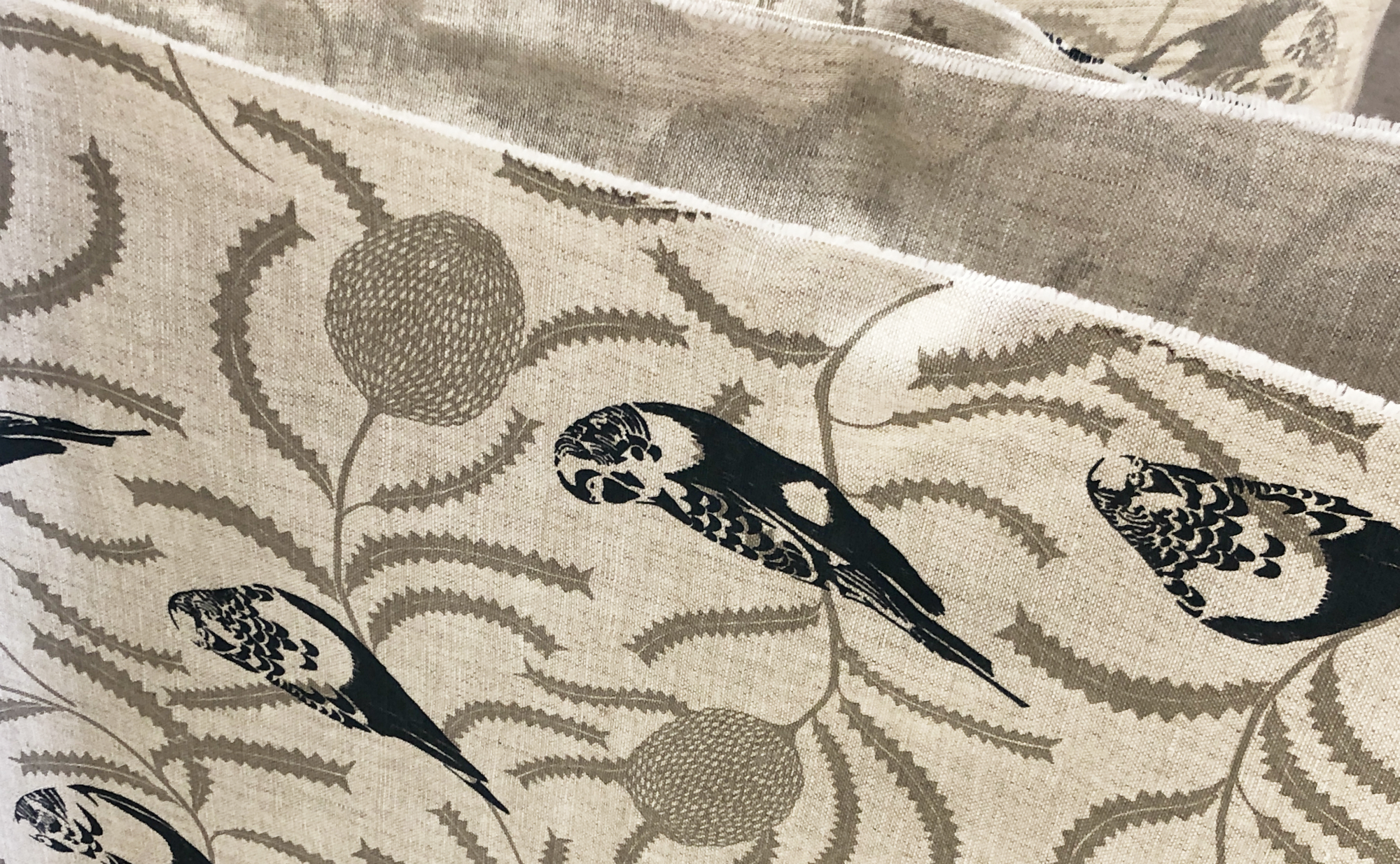
Examples of fabrics from Ink & Spindle, an Australian brand that create textiles that have a minimal impact on the earth. The brand uses organic cotton/hemp and eco-linen basecloths for their prints that are free from harmful chemicals. .

With Kim Pearce from The Possibility Project and slumwear108, Marnie Goding, the Creative Director of fashion label ELK, and Karina Seljak co-founder of Seljak Brand on the panel, the focus was on the importance of changing the current fashion industry system, with the hope to improve the overall sustainability of making and wearing clothes; and doing so with kindness and ethical awareness.

As Pearce said: “It is time for the fashion industry to open the conversation, and reimagine the industry in a way that is not all about technology but also about common sense”. She believes that historical fashion choices by both industry and consumers have led to “immense damage”, not only of the environment, but also how people and their work is treated.

Like the Fashion Revolution movement and its popular hashtag #Imadeyourclothes, The Possibility Project focuses on the social movement behind changing people’s shopping choices. They don’t want people to feel guilty about how they shop for clothes, but they do want to educate shoppers about what they’re buying.

future of fashion must be sustainable 3
Fabric from Ink & Spindle.
For Karina Seljak, one of the co-founders of Seljak Brand – an Australian company that makes blankets from recycled wool – getting the technology, machinery and skills behind creating a fully sustainable and closed circular fashion production system is most important when it comes to creating a better fashion system.

“One of the main inhibitors to moving to a closed loop system in Australia is that we are still shipping our textile waste offshore; those recycled products don’t come back to Australia. We need to our on-shore manufacturing to be circular [to make a difference],” explained Seljak.

This issue of waste was also emphasised by Pearce, although her perspective was as much about how human potential is being wasted in the large scale fashion industry.

And waste, plus the sourcing of the right materials, also came up in Marnie Goding’s comments on how her brand ELK currently operates. “In Australia we don’t value our waste products. There is a factory in Vietnam that we work with that completely recycles all of its waste water used in making jeans. They put it back into the environment,” said Goding.

Although Goding wants her brand to be as ethical and sustainable as possible, her core concern is that not just in Australia, but globally, the established manufacturing industry has not kept up with the move towards more sustainable fabrics and textiles. She also mentioned that although ‘sustainability’ is currently a global fashion trend, customers are not yet educated enough to understand why they need to change their shopping habits.

future of fashion must be sustainable 4
The team at Ink & Spindle showing how they hand screen print their eco-friendly fabrics.

Shown by the few questions asked by the audience, all three speakers were preaching to the converted. A few asked about how younger shoppers can be converted when they are focused on cheap prices and social media trends, however apart from discussing the importance of education, and shopping at Op Shops, there was little that the speakers mentioned that could impact in any great way.

While it is obviously important for more people to know about why we need to stop sending clothes to landfill and choosing to buy fewer, better, things, the relatively small turnout for the Future Fashion conversation also showed that a great deal more needs to be done to get the message out. As long as it’s done with kindness.