Erik Yvon: Colourful, ethical, sustainable

BLOG Australia fashion label Erik Yvon MAIN

Ethical and sustainable fashion, like all trends and styles, has begun to settle into a series of expected norms; organic cotton, neutral and natural shades, prairie dresses, cable knits and a somewhat ‘earth mother’ vibe. 

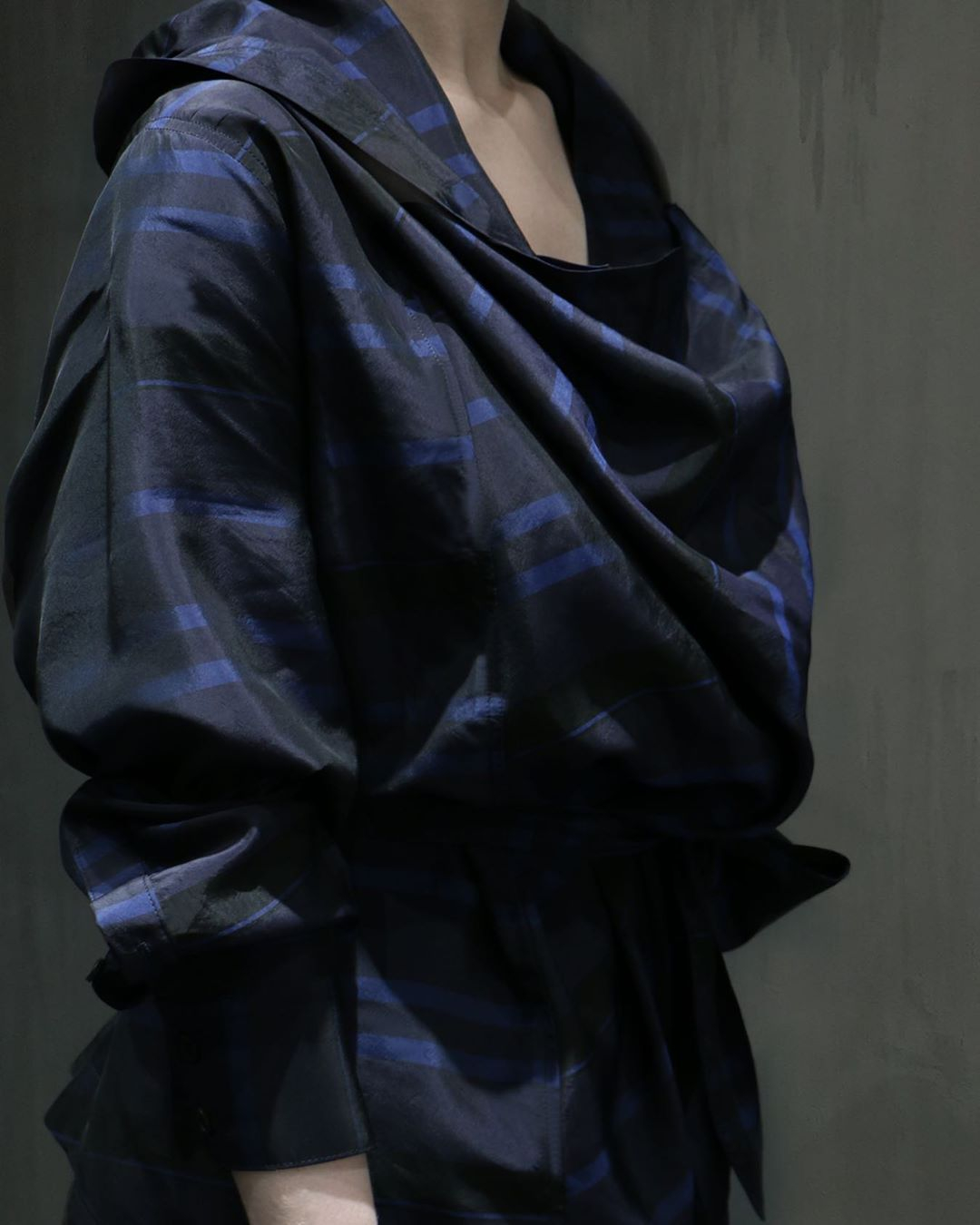
But it doesn’t have to be that way. The work of Melbourne-based designer Erik Yvon is a fabulous example of design overcoming the expected norms. Yvon uses bright colours, strong prints and unique textures inspired by his Mauritian origins, to create clothes that are joyful, inspired by art and culture, and dedicated to sustainable and ethical production.

“As an independent label we firmly believe in making a change and strengthening our local industry by keeping our production, onshore, transparent and ethical,” writes Yvon. “We are mindful of the footprint we have on our surroundings and try to have a positive impact on the community within our supply chain.”

The brand stocks limited runs of different pieces, and produced made-to-order so as to reduce waste. Yvon also produces all of his products in Melbourne, supporting local industry businesses and working with various communities.

“We pride ourselves on being made in Melbourne and work closely with local suppliers,” writes Yvon on the brand’s website, listing the local businesses they work with.

The Erik Yvon look is an interesting mix of streetwear comfort, and over the top avant garde use of colour, texture and pattern. There is a strong gender neutral thread running through the brand, particularly in its use of separates – tops and pants that can be worn by guys, girls, anyone. The style is also relatively size inclusive, with generous cuts and the use of volume creating flattering shapes for most body types.

There is a touch of the 90s in the brand’s designs too – particularly the use of legging type trousers, tights and black and white geometric patterns. Strong colours like neon yellow and hot pink are softened by the use of more natural shades, but the feel is one of sunny days and parties on the beach. 

To shop Erik Yvon, go to erikyvon.com

Live the ‘Happa Lyfe’ in living colour

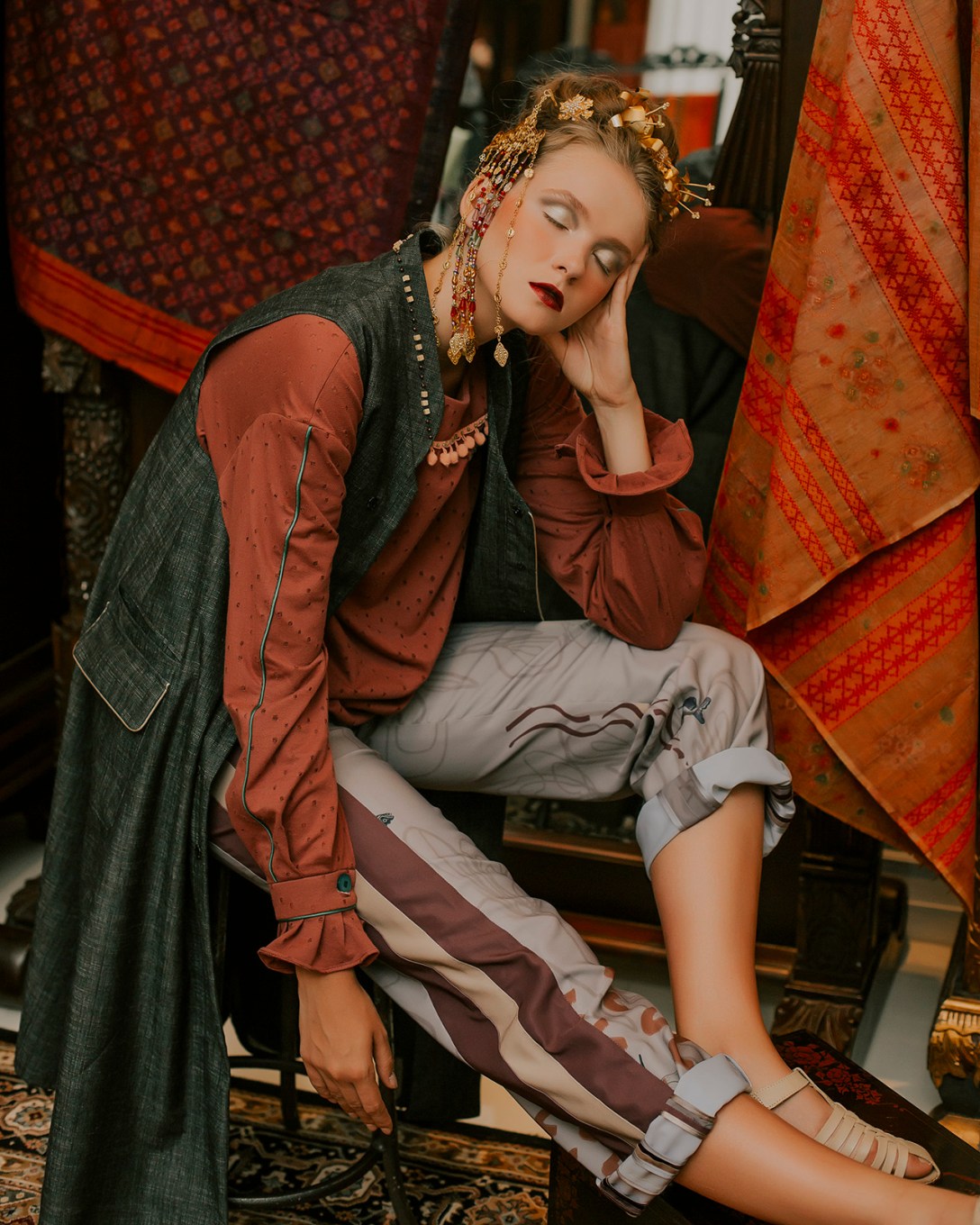
Indonesian fashion brand Happa is a fun and fabulous brand with an underlying mission to support traditional Indonesia textile workers, the majority of whom are struggling, and to also create a female-positive space for women of all sizes, shapes and ages. 

Founded by Mel Ahyar and Andien Aisyah, Happa is part of the slow fashion movement; garments are made-to-order and require about five working days to be handmade in Happa’s ethically run factories. 

While there is somewhat of an ethnic vibe, particularly in the brand’s lookbook shoots, the designs are comfortably modern, rendered in vibrant shades with artistic details created by using various traditional handicrafts and techniques.

It is the richness of these traditional techniques and details, alongside the sumptuous materials that creates the luxe global vibe of Happa. Saturated colours, create pieces that easily fit into anyone’s wardrobe; wear the look head-to-toe or throw them together with a pair of jeans.

Part of the brand’s mission, ‘Happa Lyfe’ is both a loyalty programme and a social media hashtag that connects the label’s widespread community both in Indonesia, and overseas.  

Being based in Indonesia – a majority Muslim country – there is a certain level of modesty about the garments making them appropriate to be worn by hijabi women, while also offering pieces that can be worn in a less modest way.

Happa’s inclusive mission fits into the space of creating clothing for all women, which includes prayer appropriate cultural pieces like the ‘mukena’ redone in bright colours and prints.

Overall the cuts are forgiving, but also free in nature. It is the colours, patterns and additional decorative details that not only give the brand its own style, but also creates the signature ‘Happa’ style. 

You can shop Happa online at www.happaofficial.com


Dangerous and sexy: Thai label Takara Wong

Thai designer label Takara Wong was founded in 2015 by designer Thakorn Wannawong around the concept of ‘trial and error’, and influenced by subcultures and musicians across the world and history.

According to Wannawong, iconic tropes from the 70s or 60s for example, are mixed with an “aerodynamic sporty silhouette” which makes the garments timeless. The latest collection for 2020 is all about streamlined 70s leather and glam for the menswear pieces, and sexy leather and suiting for the womenswear. 

“Imperfections are what make things truly interesting, that is why the brand focuses on the underdogs of society and rebellious spirits,” states Wannawong on the website.

Wannawong is a graduate from Japanese design school Bunka’s Bangkok school, and he has always been interested in fashion, starting with designing pieces for family, and then moving onto creating costumes and outfits for his musician friends.

There is a very new YSL feel to the latest Takara Wong collection – lots of leather, lots of skinny guys and girls with shaved heads, tight and narrow cuts combined with slinky velvet. This is a very sexy collection; but there are also a number of sharp suits that can take you from day to night.

These pieces aren’t exactly cheap, but there is a level of quality and detail that is worth the cost – many of the pieces are ‘demi couture’ and need to be pre-ordered.

To shop Takara Wong, go to www.takarawong.com

Read more about interesting Asian labels: 3 eco-friendly Indonesian fashion brands to discover and Hemu, a Chinese designer brand, based in China


Su: Slow fashion with Scandinavian style

Finnish brand Su is a fashion and homewares brand that is part of the Slow Fashion movement. The brand creates limited pieces in sustainable fabrics like linen, organic cotton and merino wool. 

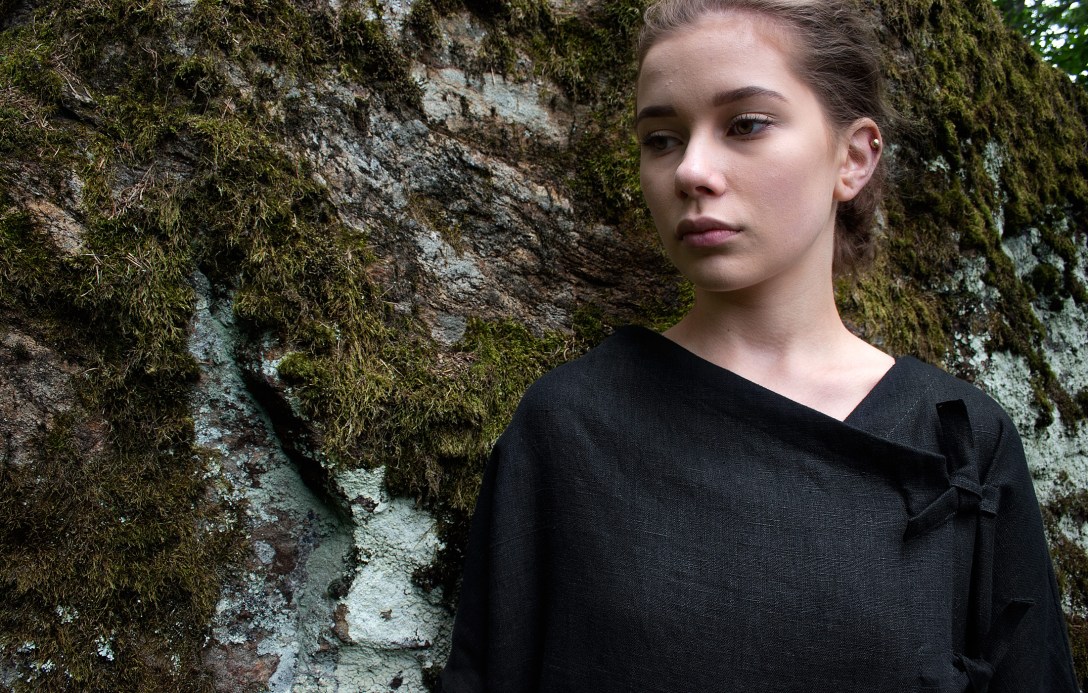
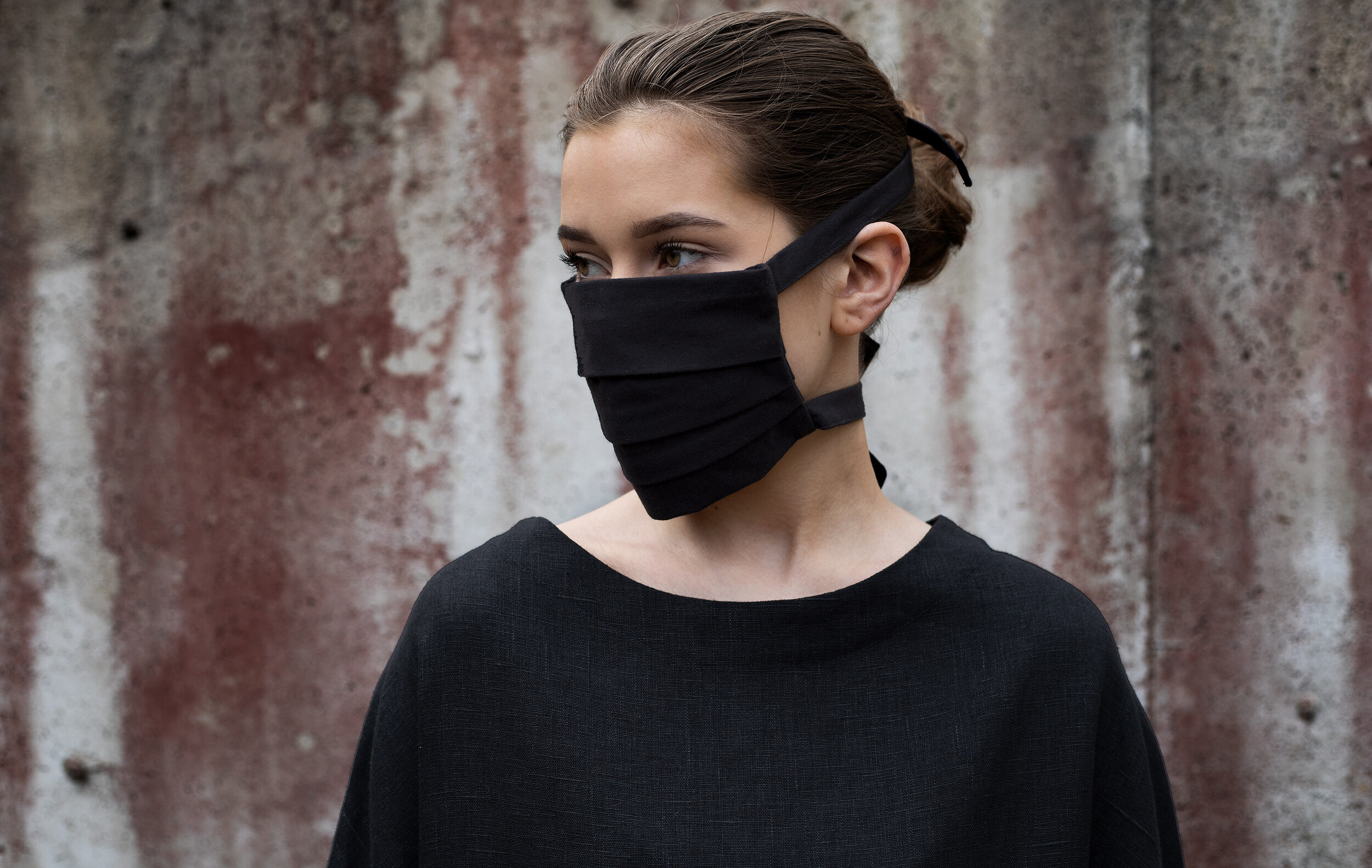
The style is very ‘Finnish’; shapes are oversized and non-gendered in many ways, the colours are muted and natural, and the styling is simple and again, natural. 

There is something very Japanese about much Finnish design – there are correspondences in concepts like wabi-sabi, minimal-natural, and muted palettes between the two countries’ aesthetics. The Japanese like Finnish design, and the Finns like Japanese design. 

Su’s design philosophy is “to make modern, custom-made clothes in small batches”, with an ethos that is “restrained, relaxed and respectful of materials”. Again, all things that resonate with lovers of Japanese design.

Everything is designed and handmade in Finland – from interior textiles to the clothing collections. The latest collection – Summer 2020 – is about loose fits, large pockets, dropped sleeves, shades of gray and blue, with white and black. There are also pieces in an undyed linen. 

There is a ‘slowness’ about the collection that’s not only down to how it is sourced and made – 100% certified natural materials, produced in an ethical way – but also in the feel. It’s about long, lazy summers in the woods and fields of Finland surrounded by some of the country’s 100,000 lakes.

Su Slow fashion with Scandinavian style 10

“We use Öko-Tex 100 certified natural materials from Finnish fabric wholesalers. Flax is produced in the EU or the Baltic countries. Merino wool is knitted in Finland. The cotton we use is organically grown and produced in the EU in southern Europe,” states the Su website.

Su also produces homewares. Made of linen, there are cushion covers, bath towels, hand towels, aprons, eco bags, and napkins. Again, the fabric is all natural, the colours are muted, and there is a practicality about the designs like tea towels with buttons so you can hook them easily. 

Although you can’t currently buy Su online unless you live in Europe, you can try your luck by contacting the brand’s stockist Somia Living by emailing miia@somialiving.fi. If you really want something from the online store, try emailing info@sunnuntaipuoti.com and organising your own shipping.

Read more about Finnish fashion: Review: A focus on fashion from Finland … the next big thing?

Read more about Slow Fashion: Small but mighty: 6 emerging sustainable Australian fashion brands.

6 sustainable Australian swimwear brands to discover

Yes. Australia is the home of budgie smugglers, togs and swimmers. Just about everyone, no matter their age or size, has a pair of bathers in the cupboard. Some of us have entire swimwear wardrobes of up to hundreds of pairs. 

But, swimwear – particularly the fabrics they’re made from – are not particularly environmentally friendly. Most swimmers are basically made of plastic. 

With most of us now becoming aware of the issues surrounding sustainable clothing production, the need for sustainable swimwear has become a bit of a hot topic. 

There are a number of smaller Australian brands that have focused on creating swimwear in a more sustainable, or eco-friendly way – they use recycled nylon, or nylon made from recycled sea plastic, or reuse fabric waste. In their different ways, with their different styles, these brands are filling a gap in the market.

Camp Cove Swim

If you love colours and prints, Camp Cove Swim is a brand you’ll get excited about. The cuts are forgiving with high-waist bottoms and supportive tops in pretty graphic patterns and a range of colours from muted neutrals to bright primary shades. 

sustainable Australian swimwear brands CAMP COVE SWIM 1

The lining of the swimsuits are made of Econyl – a regenerated nylon made from fishing nets and landfill waste – and the prints are done using the sublimation printing process that uses no water at all to dye fabric. 

The brand also manufactures all their garments in a small town on the coast of New South Wales, and uses in-house scraps for their samples, and they on-sell their excess fabrics to local fabric stores. 

Check out the brand at www.campcoveswim.com

Salt Gypsy

This is a swimwear brand that’s all about surfing. The style and designs are functional – think rash tops, surf leggings, high-waisted bottoms, supportive tops and waterproof pouches – they also produce surfboards. 

The garments are made from Econyl, they use biodegradable packaging and produce the pieces in Australia using responsible manufacturing practices. 

Salt Gypsy started out in 2012 with the aim to develop the surf leggings for women surfing; and continues to be focused on creating a closed loop production system using ‘repolymerised’ waste materials and supporting the slow fashion movement.

Check out the brand at www.saltgypsy.com

Shade Swim

If you’re as scared of the harmful rays of the sun as I am, you need to check out Shadeswim. The brand was created by a young mother who suffered from skin cancer, and who wanted to create swimwear for adult women that is more covered up, and with a high level of sun protection. 

In Australia it is basically a law that children now have to wear full-coverage swimwear ie. rash tops etc, and full-coverage hats with neck protection at schools and public swimming events.

Shade Swim’s designs are not trendy, but they are comfortable and flattering for women of all ages and body types, they protect your skin and are made from a type of sustainable Lycra that is UPF 50+.

Check out the brand at www.shadeswim.com.au

Re-Swim Club

Yes, you can upcycle and reuse swimwear fabric according to Re-Swim Club, a swimwear brand that creates its garments out of what would otherwise be considered waste fabric. 

sustainable Australian swimwear brands RESWIM 1

The brand sources designer surplus, recycled materials, remnants and off-cuts to create limited run swimwear. All the pieces are hand cut and hand sewn to make the most of every little scrap of fabric. 

The swimsuit cuts come in classic styles like tank two-pieces and simple one-piece malliots, and since the fabrics change all the time, there are limited numbers of each piece. Interestingly the brand categorises its products by size – so you shop your size first and then see what is available. This makes sense considering the irregular amounts of each particular fabric. 

Check out the brand at www.reswimclub.com.au

Le Buns

Yes, this swimwear is designed to make your bum look good. If you’re looking for something a little sexy and love solid colour swimwear, check out Le Buns. 

These swimwear designs are a bit more on trend than some of the others, but there is a classic feel that makes sure you will have longevity from your swimsuit. The cuts of the bottoms are also a bit more revealing than more covered-up brands, for those who want to show off a bit more. 

The brand pays attention to its supply chain, using suppliers with sustainability and transparency credentials for ethical production. Le Buns also uses biodegradable packaging or home compost grade mailer bags for its online shipping, and even gives you a free wash bag so you take care of your swimwear in the washing machine so it lasts longer and you don’t need to replace it. 

Check out the brand at lebuns.com.au

Shapes in the Sand

This eco conscious swimwear brand is all about Australian nature, from the prints to the styles. Using sustainable and recycled fabrics, Shapes in the Sand produces limited runs – two or so prints per season – in a range of cuts that have been designed to suit all ages and body types. 

Like many Australian swimwear brands, every collection comes with a rash top – the cover-up of the Aussie beach – and different styles of bottoms depending on how much, or how little you want to show. The prints are based on the natural environment, and the brand’s models are more natural than fake. 

All manufacturing is done in Australia, with the aim of supporting a circular economy; the fabrications come from bio-based (plant) materials and recycled nylon from fishing nets and even carpet fluff! All their packaging is plastic free, and Shapes in the Sand also collaborates with a variety of non-profit environmental and cultural organisations.

Check out the brand at www.shapesinthesand.com.au

If you’re interested in supporting Australian fashion, follow @fashion_revival_runway to discover more cool, independent Aussie brands.


Avant garde Australiana: 3 interesting Australian fashion brands to discover

For a long time Australian fashion has been known only for its swimwear, beach wear, resort wear, flip flops, shorts, jeans, casual tees and Ugg boots. Now, with the world made smaller via the internet, some Australian designers are beginning to branch out into areas that are more fashion, than retail. In fact, some of the more interesting Australian brands have been around for decades … You just didn’t know about them. 

Here are three of my current favourite Australian fashion brands …

Et Al

Et Al is a Melbourne brand that has been around since 1987 when it was founded by Christine and Les Doughty, who still own and run it. This is one of my personal favourite Australian independent labels; it’s very Japanese-art-gallery-worker crossed with 90s goth and bits of Vivienne Westwood.

This is a brand that is strongly influenced by the Japanese designers of the 80s – think relaxed tailoring, lots of black, few patterns, multi-use garments and gender neutral designs. The current brand designer is Anthony Capon who won Project Runway Australia season two. 

Et Al is known for its quality of fabrics and finishings; there is a type of timelessness to the designs that make the pieces trans-seasonal. Et Al also supports other young and emerging Australian designers via its accessories stocks that feature artistic jewellery, as well as shoes and hats. The brand offers womenswear and menswear, but many of the styles are unisex. The use of muted colours and some prints adds depth to its more basic black core collection.

The brand produces limited runs of only 8 to 24 pieces of each style, and 70% of their garments are made in Australia. It is also size inclusive running from Australian size 8 to 18. Et Al is even age inclusive, featuring models of all ages in its social media and campaigns.

Follow the brand at @etalaustralia and shop the brand at etal-australia.com.

Alpha60

Another one of my favourite Australian fashion brands, Alpha60 is Melbourne born and bred, founded in 2005 by brother and sister duo Alex and Georgie Cleary. The brand’s name comes from the sci-fi classic movie Alphaville by Jean-Luc Godard. 

Alpha60 is another brand where you can clearly see the influence of the Japanese designers of the 1980s.

While there is not so much black, there are lots of cocoon shapes, volume, asymmetric cuts, simple patterns, little glitter or gloss, natural fabrics and size inclusivity ie. nothing’s too tight or too structured. 

Alpha60 is a brand that sticks to small production runs, using local sewers, and although it has around 10 boutiques in Australia and New Zealand, is still affordably priced in the lower contemporary range. I’ve bought a fair few pieces.

Follow the brand at @alpha60thelabel and shop online at www.alpha60.com.au.

Chris Ran Lin

This menswear brand is an interesting mix of JW Anderson menswear with touches of Off White and Korean brand Junn J. Based in Melbourne, this brand is probably the most experimental of the local menswear brands. Lin is inspired by “architecture, structure, and texture” which can be seen in the cuts, volume and use of wool fabrics. 

interesting australian fashion brands CHRIS RAN LIN 7

Lin is also known for his quality, but still interesting, knitwear. The use of various techniques to create lacey sweaters or bodycon tops, gives the brand the JW Anderson feel. Recent collections have shown a brighter and sharper use of colour, particularly the Uniform collection; note the ‘logo’ and use of red. It rather reminds one of something, does it not?

Although primarily a menswear brand, Lin has recently branched out to create a few womenswear pieces, and items that are distinctly non-gendered as well.

These appear to be more like luxe basics with a more elevated feel, rather than Lin’s more artistic runway garments. The newer items look to be more wearable for a wider range of body types as well. A good move in these uncertain times.

Follow Chris Ran Lin at @chrisranlin. Currently the brand is only available via the atelier, but there is an online shop coming soon

For more on Australian fashion, read Thoughtful, wearable clothes for every body by Jude Ng, and Small but mighty: 6 emerging sustainable Australian fashion brands

Small but mighty: 6 emerging sustainable Australian fashion brands

For a long, long time Australia was seen as a fashion desert, with its lack of ‘major’ brands, its odd seasons – compared to the rest of the fashion world – and the country’s laidback lifestyle. Even its most cultured of cities – Melbourne – tended towards the basics of shorts and tees in summer and tracky daks and uggs in winter. 

Somewhere in the 80s, however, there seemed to suddenly appear a nascent Australian fashion scene. Ksubi sent rats down the runway, magazines proliferated and the average Aussie girl started wearing cute little dresses and Sass & Bide lowrise jeans. Yes! Australia had fashion. 

By the beginning of the 21 century, unfortunately this burgeoning fashion industry started to collapse with the influx of high street brands from around the world; the introduction of online shopping seemed the final nail in the coffin of a small, off-season regional fashion industry. 

But all is not lost. In the last five or so years there has been a rise in small production, locally manufactured, sustainable fashion brands sprouting in Australia. These brands are focused on circular production systems, waste reduction, ‘slow fashion’, limited production runs, using sustainable fabrics and dyes, and generally not wanting to be ‘huge’ or international brands. 

As the coronavirus hits the global economy, many fashion brands are finding their supply and distribution chains at risk. In conjunction with these issues, more customers are thinking about the idea of #shoplocal, of supporting their local economy and small businesses. This situation therefore may become a great opportunity for small, local, sustainable fashion businesses. 

Here are six small, sustainable Australian fashion brands to check out. Remember, just because they are small, doesn’t mean they don’t sell online, and ship globally (in biodegradable packaging).

A.BCH

Founded in 2017 by Courtney Holm, A.BCH is a womenswear and menswear brand with many garments fitting into the non-gendered definition and in fact shot and sold on both men and women. The core of this brand is its circular production cycle, or circular economy standard.

sustainable small Australian fashion brands ABCH 3

The brand’s line of elevated basics are all made in Melbourne from organic, recycled and renewable materials; buttons are made from seeds of fallen corozo fruit and their factory is family owned and operated in Melbourne. 

sustainable small Australian fashion brands ABCH 4

A.BCH’s design is a mix of practical basics – sweaters, tees, shirts, pants, skirts etc – in muted neutral shades and simple patterns. There’s an earthy, relaxed and comfortable vibe about the brand, it’s almost anti-fashion.

Although the focus of the design is on reducing waste, the odd thoughtful detail on a basic garment helps elevate the brand to something a little bit more interesting.

Follow A.BCH on @abch.world and shop online at abch.world.

Nobody Denim

This Melbourne denim brand is all about sustainability and ethical production. Everyone knows that denim is one of the worst fabrics when it comes to pollution, water use and waste, which is why the team behind the brand is focused on making ‘clean’ denim garments.

All the garments are made in Melbourne with guaranteed fair working conditions employing over 80 staff; Nobody Denim is also accredited with Ethical Clothing Australia (ECA).

The brand is also very careful in where it sources its materials – which means working with suppliers who meet IS014001 standards, use natural enzymes in their laundry, have reduced their water use for certain processes by 50% and support Australian hardware suppliers like YKK zips to reduce their carbon footprint.

Nobody Denim doesn’t just do jeans, the brand also offers womenswear tops, skirts and even dresses in fabrics like organic cotton and silk. But it’s best pieces are the denim, particularly their season collection items like coloured denim, wide-leg jeans and slim cut denim jackets.

Follow Nobody Denim on @nobodydenim, and shop online at nobodydenim.com.

Kuwaii

Made in Melbourne brand Kuwaii was founded in 2008 by designer Kristy Barber and is all about the slow fashion movement and local production. The womenswear brand focuses on creating anti-fast fashion pieces that are less trend driven, more about personal style, comfort and longevity.

All garments are made within a 15klm distance from the design studio, and even its footwear is made by one of the last surviving Australian footwear factories, where each pair of shoes takes up to a day to make by hand. 

Kuwaii is also focused on transparency with its environmental goals posted on its website; it aims to be carbon neutral by June 2020. It’s packaging is either biodegradable, compostable, recyclable or reusable; even for online shopping the brand uses compostable bags and a biodegradable sticky tape. Fabrics are as environmentally sustainable as possible, the brand also uses surplus fabrics in their collections thereby repurposing waste from larger brands.

Kuwaii’s aesthetic is a combination of comfortable shapes, natural materials and colourful prints. The brand collaborates with local artists to create unique print runs on limited pieces, mixing these with muted solid colours and neutrals. It’s a casual brand creating comfortable clothes for women of all body types and ages.

Follow Kuwaii at @kuwaii, and shop online at kuwaii.com.au.

Joslin

Launched in 2018, Joslin is a womenswear brand based in Melbourne founded by designer Elinor Joslin. The brand is a slow fashion label with an emphasis on limited lines in sustainable fabrics. 

Joslin is a softly feminine brand and is best known for its signature linen dresses adorned with ruffles, pintucks, smoking and button detailing. More recently the brand is being noticed for its stylish and flattering range of knits, which also have a quietly feminine touch. The brand features a lot of traditional fabrications and techniques.

On the sustainability front Joslin uses 100% compostable bags and packaging for its online shipping, including 100% recycled tissue paper, and its international orders are carbon offset using DHL’s GoGreen Climate Neutral service.

The brand uses natural fabrics, and only uses synthetics if there is totally no other alternative; its signature linen and ramie fabrics, silks, organic cottons and merino wool fabrics are used in conjunction with recycled cotton and nylon. For 2020 the brand’s design team is working with natural dead-stock fabrics and working on discovering alternatives to synthetic fusings and plastic zips and buttons.

Follow Joslin on @joslin_studio and shop online at joslinstudio.com.

Devoi

Another Melbourne based brand, Devoi is all about slow fashion and ethical consumerism. Known for its original prints, the overall vibe is fun, colourful, wearable and comfortable. From its launch, the team behind Devoi decided to focus on ensuring ethical manufacturing practices and sustainability.

This womenswear brand’s design is less about trends and more about longevity – like most of the brands in this list. Devoi does not use synthetic fibres, instead using silk, viscose and linen – mainly because all these fabrics can be dyed and cleaned in cold water with natural detergents. The custom prints are digitally printed since it uses less water and produces less toxic waste. The dyes used for the printed fabrics are AZO free dyes and natural plant dyes.

The brand’s manufacturing is done overseas, however it works with factories that are connected to NGO organisations, supplying mattresses made from scrap fabrics for those in poverty. That same factory reuses cardboard boxes for delivery to Devoi. Devoi’s textile dyeing mill has a treatment plant that uses evaporation and separation technology to clean the water used in the dying process, and then reuses the recycled product.

In line with much of the slow fashion movement, Devoi produces limited runs so there is no wasted fabric or stock wastage, and the brand uses the print fabric offcuts to create accessories like belts, headbands, pouches etc.

Follow Devoi at @devoiclothing, and shop online at www.devoishop.com.

SHHORN

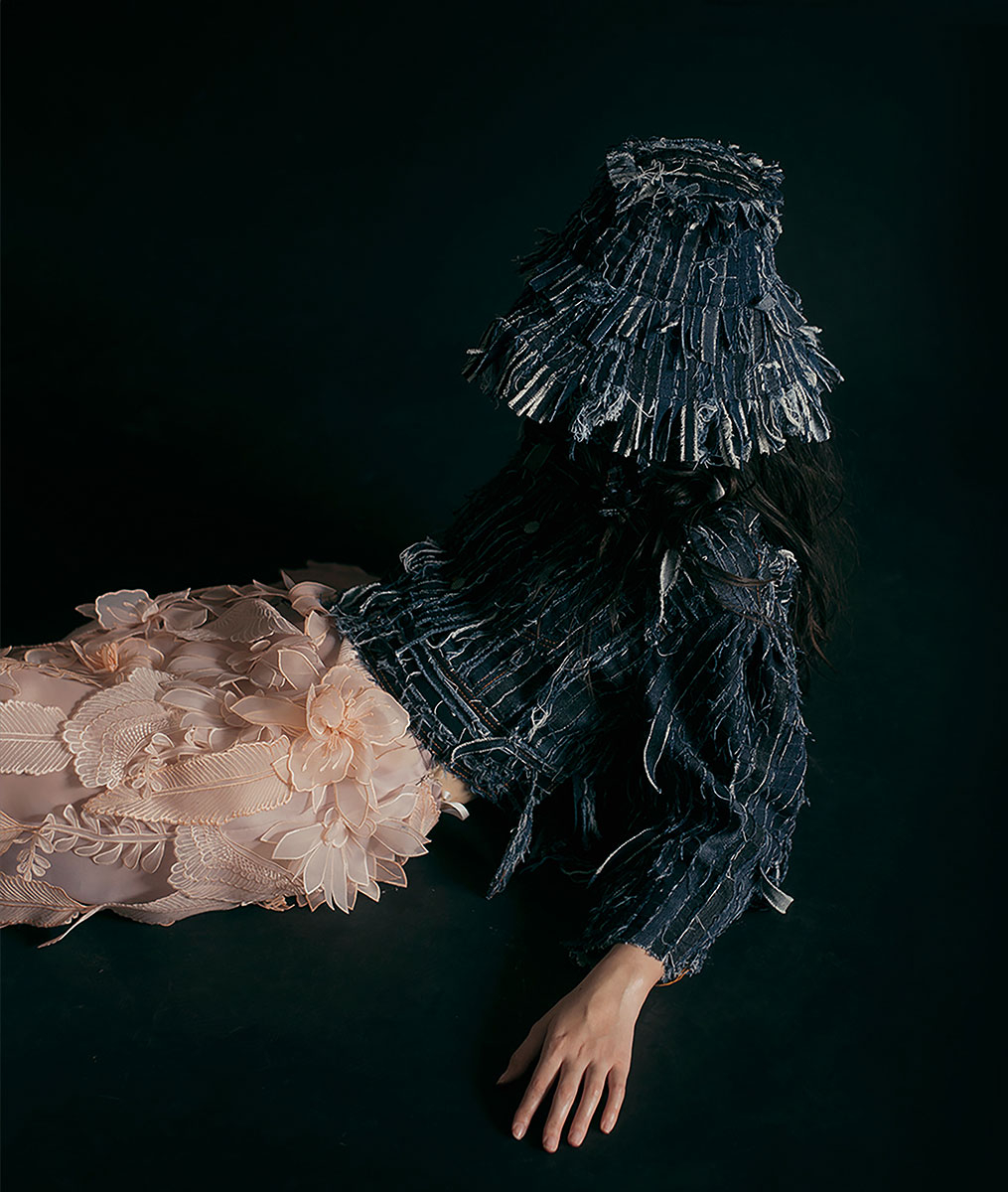
This brand is less a fashion label and more an art project led by Sean Tran. While SHHORN does produce clothes, it is also focused on creating handcrafted fabrics and other objects in search of the “inherent traits of natural materials through design and construction activity”. 

Tran is a self-taught tailor who used to be an architect and jeweller, and spends his time between an atelier in Sydney and a handcrafting fabric studio in the Blue Mountains. The resulting garments are hand stitched from fabric that has been crafted from raw fibres also by hand. 

There is something very Japanese about SHHORN in the way the process of the making is as important as the final garment; the pieces – both menswear and womenswear – have an old fashioned feel to them with a kind of artistic Amish vibe.

There is also an element of non gendered design, with pieces being shot on both male and female models. There are menswear pieces that echo womenswear cuts, and also a touch more of the Japanese artist’s aesthetic with short-cropped trousers and voluminous cocoon shapes for both genders. 

The cuts have a timeless quality about them with generic shapes being made important and interesting due to the way they are produced, rather than any strong creative urge. Accessories include kangaroo leather pouches and belts, all very authentic and hardwearing, again the design is about functionality and longevity. 

Follow SHHORN at @ateliershhorn, and shop online at www.shhorn.com.

For more on Australian fashion, read Thoughtful, wearable clothes for every body by Jude Ng.

Hemu, a Chinese designer brand, based in China

‘Made in China’ has, rather unfortunately, been considered a symbol with negative connotations, denoting as it did historically that anything made in China was cheap rubbish. Thankfully in the last decade or so, this misconception has been mostly overcome, particularly in the areas around technology. 

However there has continued to be a perception that when it comes to original creativity, the work coming out of China is less refined, more derivative, and not as stylish as that of the rest of the world, indeed, even the rest of Asia. 

Japan has long been considered a bastion of high design, from ceramics and architecture, to fashion and technology; in the last five years South Korea has also been seen as owning a particular type of original design. China, however, has not. 

Which is a shame. After all, the core design traditions of both Japan and Korea are Chinese. The form of writing, building, traditional clothing … All can be traced to China. 

In current times China’s impact on the creative world has been seen mostly through the lens of business and money. Chinese luxury buyers are to be tempted with red and gold versions of existing products … ‘just in time for Chinese New Year’, but the majority of creative brands have not only patronised the Chinese market, they have also appropriate its culture and used blatant racism in its advertising. 

All of this leads one to wonder why more attention hasn’t been given to the current crop of quality creatives now coming out of China. There are a number of highly regarded architects and artists, for example, that do appear to receive accolades, so why not the fashion designers?

There are a number of Chinese designer names who have managed to make enough noise to be noticed, mostly because they are based in Europe. Masha Ma, Angel Chen, Yiqing Yin, Ryan Lo and Yang Li are all based in either Paris or London.

This lack of attention towards Chinese fashion designers is due to the tendency of Western fashion media to ignore anything that isn’t right in front of their noses.

In an attempt to try to remedy this attitude, here is an interesting Chinese fashion brand worth discovering.
HEMU

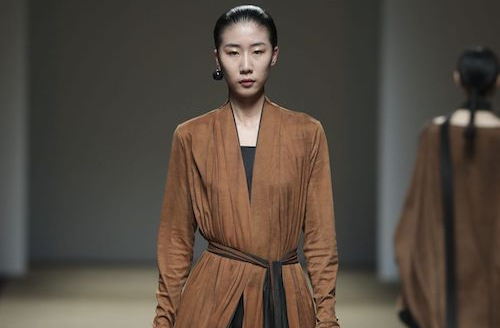
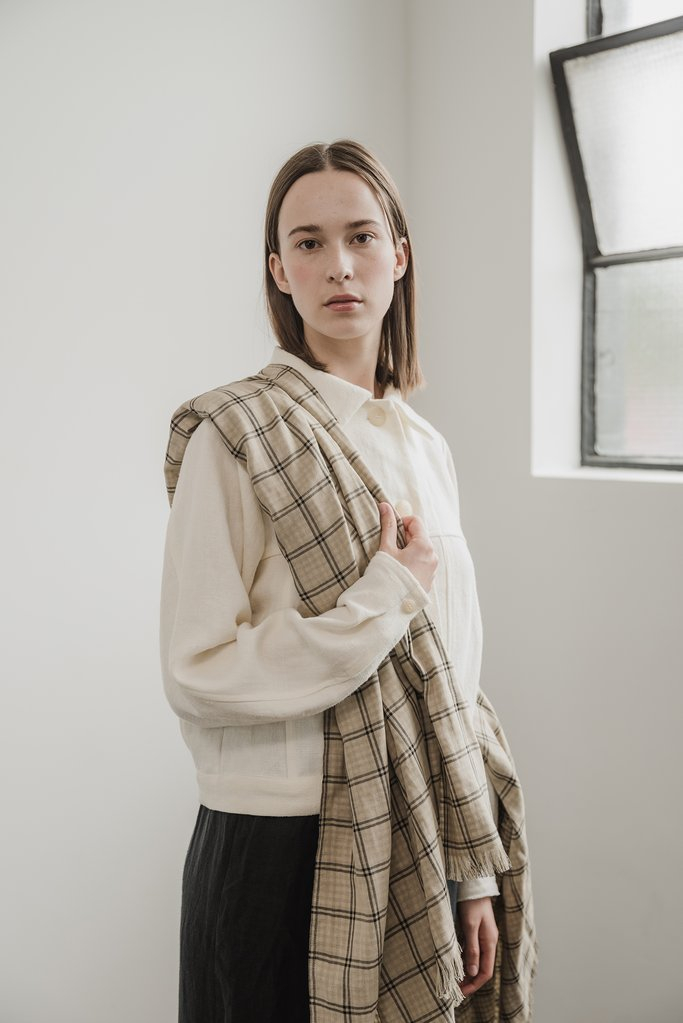
Founded in 2010, by Yang Fengrui, Hemu is a modern take on traditional Chinese clothing without too many of the obvious cliches. 

While there are definite straight nods to tradition – mandarin collars, frog closures, long loose layers, tassels – they are used in a relatively sparing manner to create the impression of histroriosity, rather than a direct knock-off like you find on Hanfu clothing websites. 

What strikes the eye immediately is that Yang is moved mostly by fabric; every piece of the Spring 2020 collection depended on the fluidity of the silk used to impart the meaning and even structure of the garments. 

The focus on the texture of the fabric, in plain swathes of white and black showed a very modern take on a traditional qipao. Muted shades of gold and umber, plus a single shot of red, held the collection together. 

Less clever are the menswear pieces (see the video) that take a more obvious leaf from the traditional garment book; however in the current age of non-gendered dressing the sheer fact that most of the menswear garments could be interpreted as long gowns is an interesting perspective. The traditional Chinese dress style, after all, offered long, flowing garments for both sexes. 

VIDEO: Hemu at Shanghai Fashion Week


3 eco-friendly Indonesian fashion brands to discover

I have always loved discovering new fashion brands, particularly those from Asian countries. I feel that there is a wealth of cultural and creative nuances that Asian designers bring to the global fashion market. 

In the current age of global lockdown, it is worth taking your time to reach out and discover new brands and new ways of wearing fashion from around the world. After all, online shopping is still going strong, even if it may take a little longer to get your hands on the goods.

Toton

Toton Januar was born in Makassar and raised by his seamstress mother, developing a taste for the more artisanal aspect of fashion construction. After moving to Jakarta, the designer worked as a model, and a designer, and eventually studied fashion at Parsons New School of Design in New York.

The brand was launched in 2012 in collaboration with another top Indonesian designer Haryo Balitar. Toton’s concept is about “a retelling of Indonesia’s inherent stories”, and focuses on traditional textile practices mixed with an avant garde sensibility, think deconstructed fabrications and non-gendered cuts and shapes. 

Toton, the designer, uses ceremonial and folk cultural clothing shapes mixed with more menswear-inspired cuts and patterns to create a ready-to-wear collection that is an inspired mix of wabi-sabi, and boho chic.

This season the collection has a deep, earthy feel to it, with feature embroidery echoing leaf litter on a jungle floor. The more deconstructed concepts are kept to a minimum with many more wearable separates than in previous collections. Tones of khaki, dirt green, and soft brown is leavened with lots of white making this a very wearable outing from the designer.

Shop Toton online at www.masarishop.com/brands/toton

Soe Jakarta

Designer Monique Soeriaatmadja is a powerhouse of a designer with a number of labels and a growing family. Soe Jakarta was created to celebrate Indonesia’s traditional handwoven textiles by combining them into sharp, modern womenswear. The textiles are a collaboration between the designer and traditional artisans located all over the archipelago.

While Soe Jakarta is a ready-to-wear label, there is a component of bespoke production, which makes this a label designed more for unique clothing that you may have to pre-order, rather than trend based fast fashion. Soe Jakarta is a great example of celebrating traditional textile practices while also being more sustainable, and definitely offering something for the ethical consumer.

Soe Jakarta produces small collections and in small quantities. The current collection is rather abstract with simple shapes embellished with drapery or bodices of the handmade fabrics. There is a mix of menswear inspired jackets, but the overall feel is that of the ‘Mori Girl’ – country, comfortable, natural.

Shop Soe Jakarta online at www.soejakarta.com/shop

Purana

Founded in 2008, Purana is the OG of independent Indonesian fashion brands. Designer Nonita grew up in a traditional Javanese family that owned a traditional batik workshop, which eventually led her to first working in fashion media, before launching her brand. 

The name means ‘old scripture’ in Sanskrit, and has always had an ethical and cultural component. The designer worked with traditional artisans from the launch of the brand with the aim of creating fabrics that fuse batik, hand-weaving, and tie-dying with geometric patterns and more wearable modern cuts and designs.

The bulk of the garments are designed to be ‘free size’, which is not really one-size-fits-all, but more about loose-cut, relaxed clothing. Multi-function, and multi-styleable designs have been used to ensure a wider range of body types can be fitted.

Purana is a brand for lovers of colour, print and comfort. This is the perfect label for summer, with its loose fits and cool fabrics. The current collection features lucious batik prints in soft blues and greens on eco-friendly fabrics. 

Shop Purana online at puranaindonesia.com/collections

So, those are three Indonesian fashion brands I’ve been watching for a while. Which one is your favourite? 


New non-profit online eco marketplace for everyone

Despite the ongoing drama surrounding not only the impact of coronavirus on the fashion and creative industries, but also the general malaise of the industry as a whole, there are some bright spots to celebrate. 

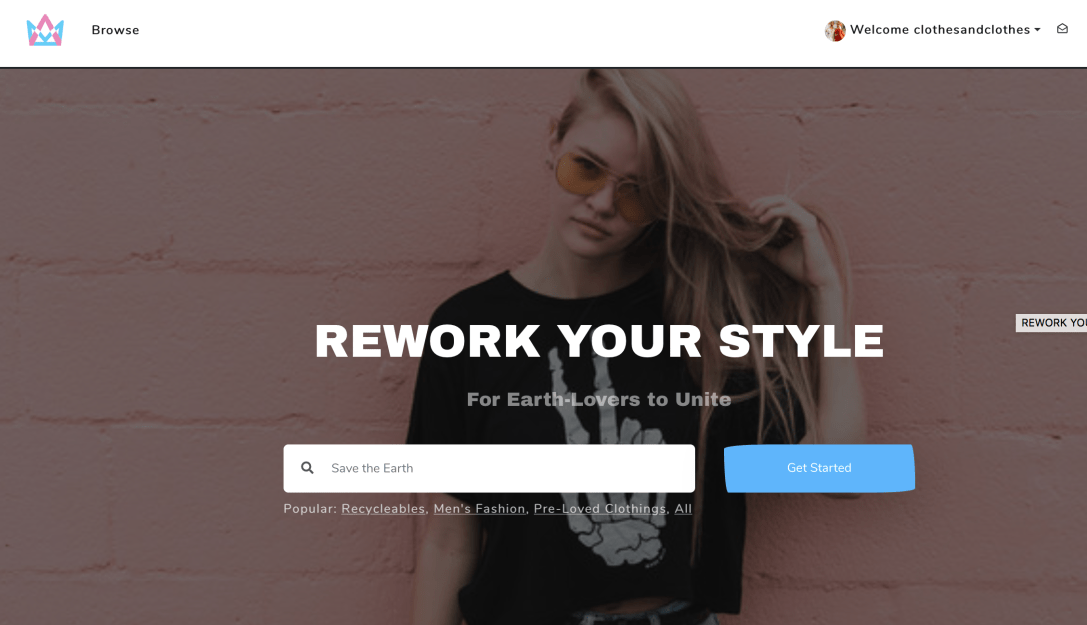
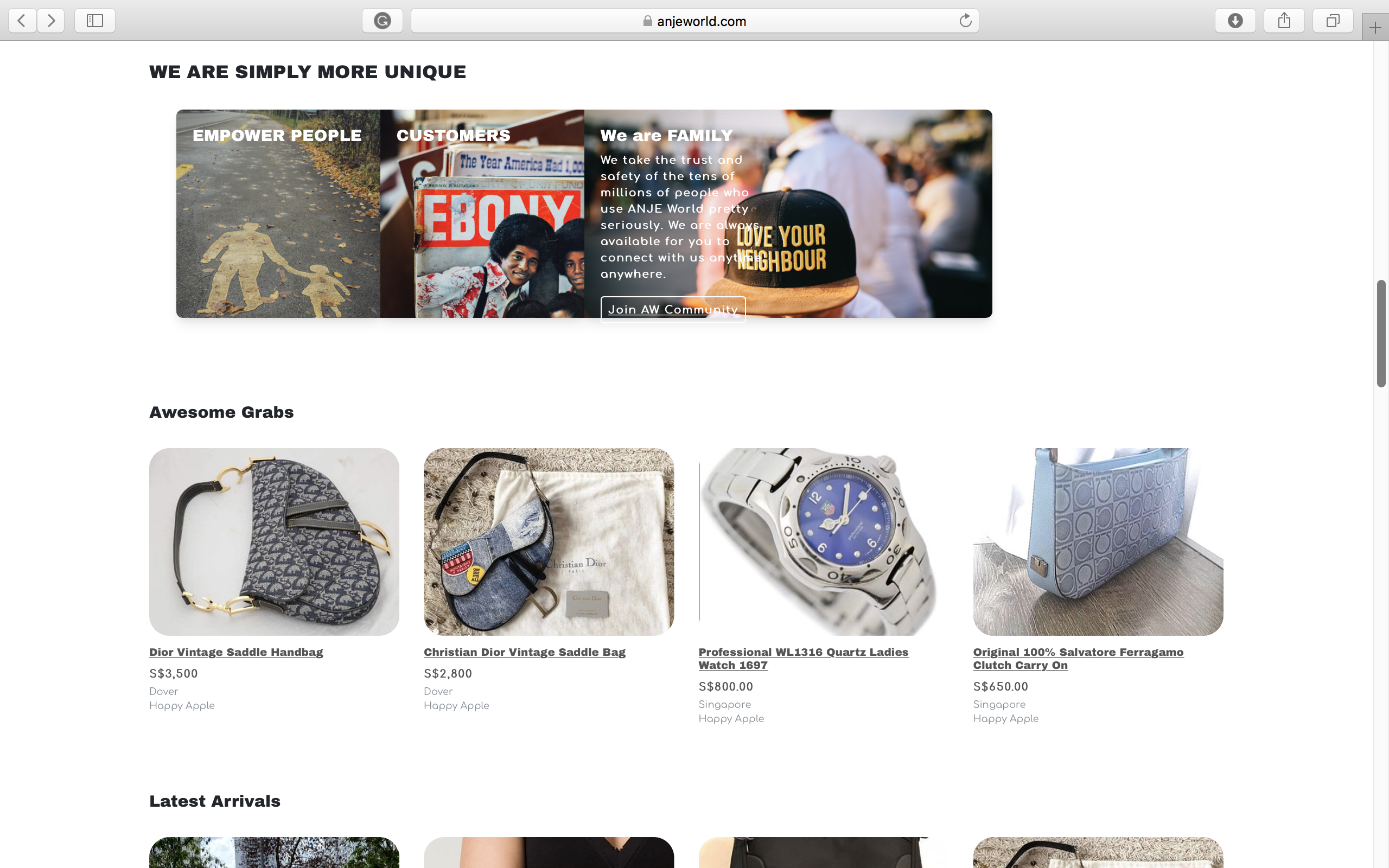
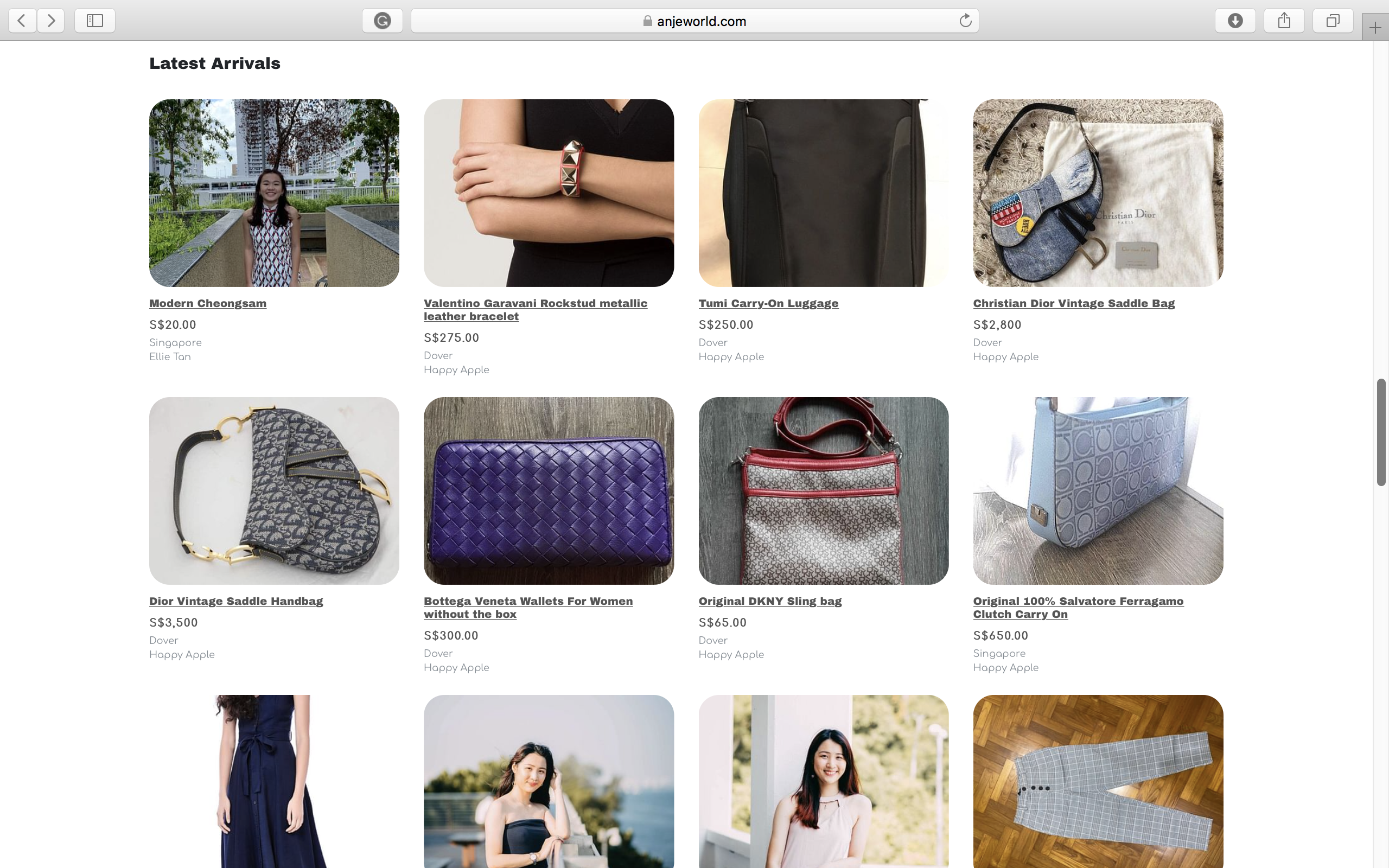
Anje World is an online marketplace for swapping and selling preloved and vintage clothing plus new eco-friendly products like scrunchies made from recycled clothes. The marketplace is also a non-profit.

Screen Shot 2020-04-13 at 2.40.08 PM

“Unlike other online marketplaces, we earn zero profit. We started this website to encourage and raise awareness of sustainable fashion. As you know, the fast fashion industry is the second largest polluter in the world,” explains Min Hui from Anje World.

As we all know there is already too much stuff, too many clothes, bags and shoes already in our environment. This Singapore-based concept makes it easy for you to shop more consciously and ethically.

“Anje World’s mission is always about bringing hope and love to people. Not just fostering strong bonds, but also encouraging one another to be sustainable for our earth’s good,” says Min Hui.

Screen Shot 2020-04-13 at 2.40.12 PM

The site offers a range of clothing and fashion items, from brand new Timberland boots still in the box for $230, to a Gucci Tote Bag for $500, or a cute fashion romper for only $8. There are items for women, men and children. The Anje World platform allows anyone to join up – for free – and to share their items. 

“We hope with the launch of Anje World, we can build a community of eco-warriors. We strongly believe that everyone has a part to play,” says Min Hui. 

To try out the new Anje World marketplace platform, go to www.anjeworld.com.