Like many people I do love my jewellery; it was always rings for me but earrings — of a sort — came a close second. Unlike my rings which I would change everyday, my earrings pretty much stayed the same, sometimes for years at a time.
This idea of wearing ‘permanent’ jewellery is a popular concept right now, particularly the idea of having a piece of jewellery practically welded to your body, but while you can remove your everyday pieces many of us don’t so it becomes basically the same thing.
DISCOVER GENNUU
New Singapore brand Gennuu by local creative Chantelle Huan fits into this new movement. The pieces are simple but stylish, affordable but also sturdy enough to be worn on the daily, or basically ‘permanently’.
“Gennuu was founded with the intention to create jewellery pieces that are stylish, affordable yet of great quality, versatile enough to suit all occasions while allowing our wearers to be able to express their own personality and vibe,” explains Chantelle.
The founder and designer of Gennuu, Chantelle Huan
According to Chantelle, the brand name — pronounced ‘gen’ and ‘u’ — is linked to being ‘genuine’ and ‘generational’ with the ‘u’ representing the ‘you’ of the wearer. “At its core, it encompasses two main values that make up its identity: Genuine — a brand that is 100% genuine in what we design and curate – considering intention, function, and style. Generational — a brand that values openness, with hopes to build a community of fashionable go-getters willing to share and live experiences that transcend generations. The ‘U’ in Gennuu represents ‘you’ — Gennuu is a brand that is made for you,” Chantelle explains.
“Since I was young, I have always been interested in fashion and often took on roles such as costume designer for school activities. My interest in fashion also meant a constantly growing jewellery collection,” she says.
“As time passed, I realised I would only re-wear a fraction of my pieces — often those with colours and styles that were easy to match and stack.
“This sparked the motivation to create Gennuu. I wanted to reduce the number of pieces people needed to purchase, while retaining and even increasing the number of styles people could wear from those pieces.
“Hence, Gennuu was born as a brand that emphasises on a core collection of essential pieces, with add-ons that are mixable, stackable and can be worn in multiple styles.”
The new brand has been strongly influenced by Chantelle’s personal style: “My personal style is a mix of classic, hardware pieces as well as more elaborate statement pieces, often in varying tones of silver and gold.”
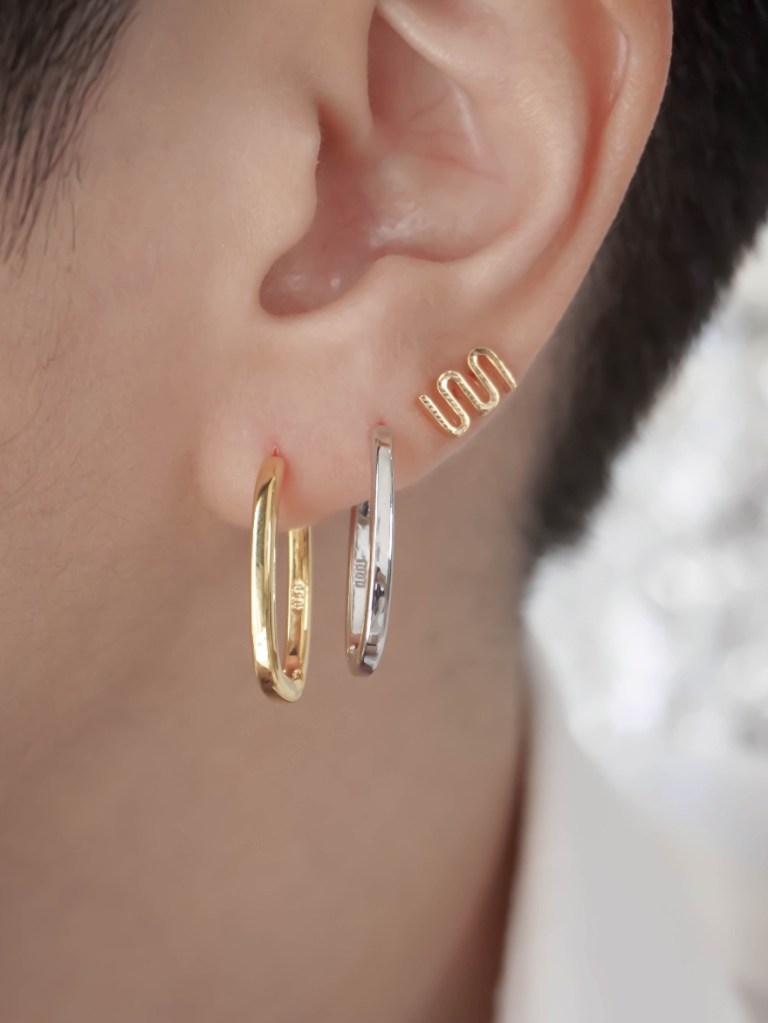
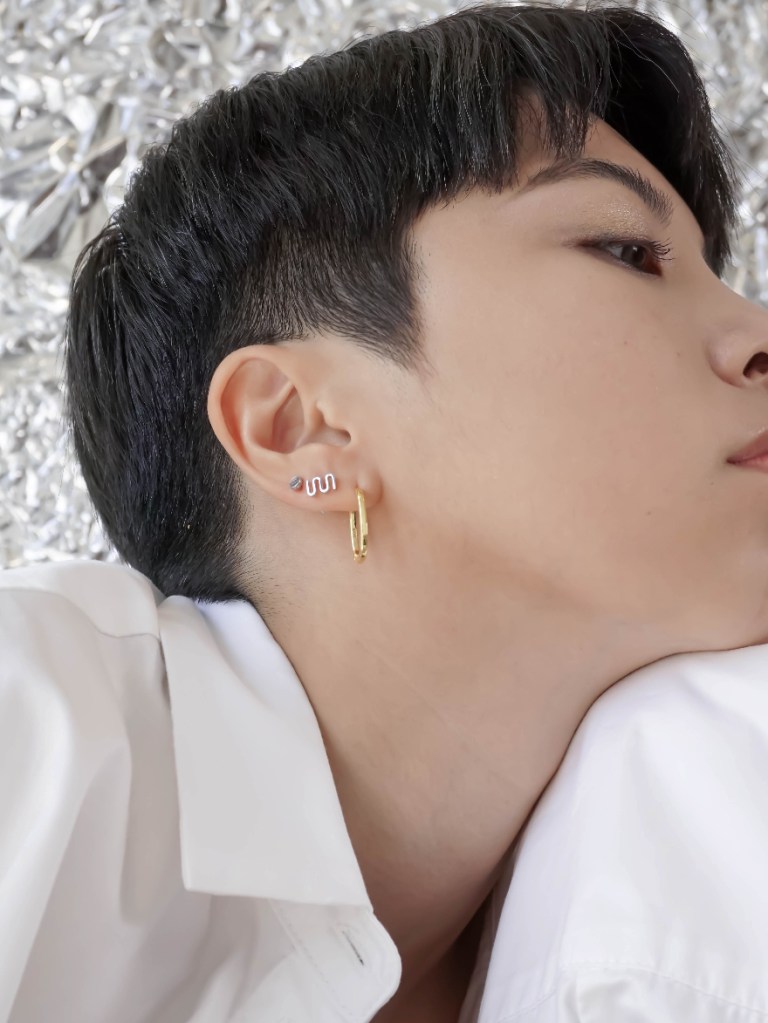
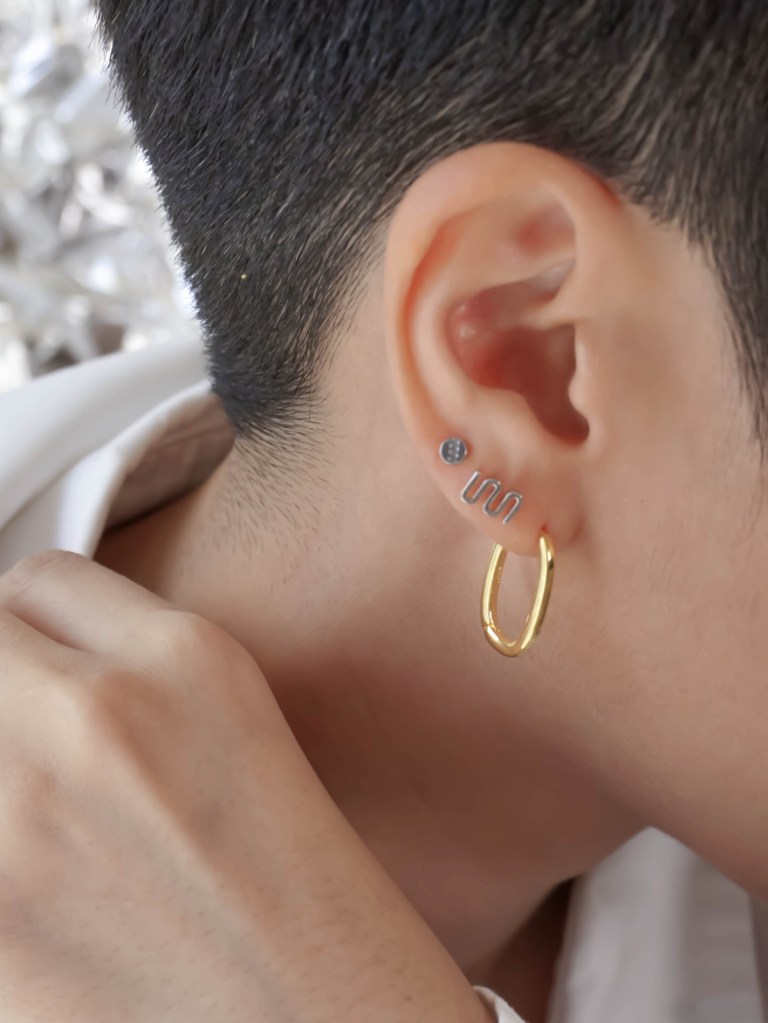
Chantelle says that she always wears mismatched earrings, a concept that she factored into the design concept for Gennuu, alongside stacking and layering jewellery pieces.
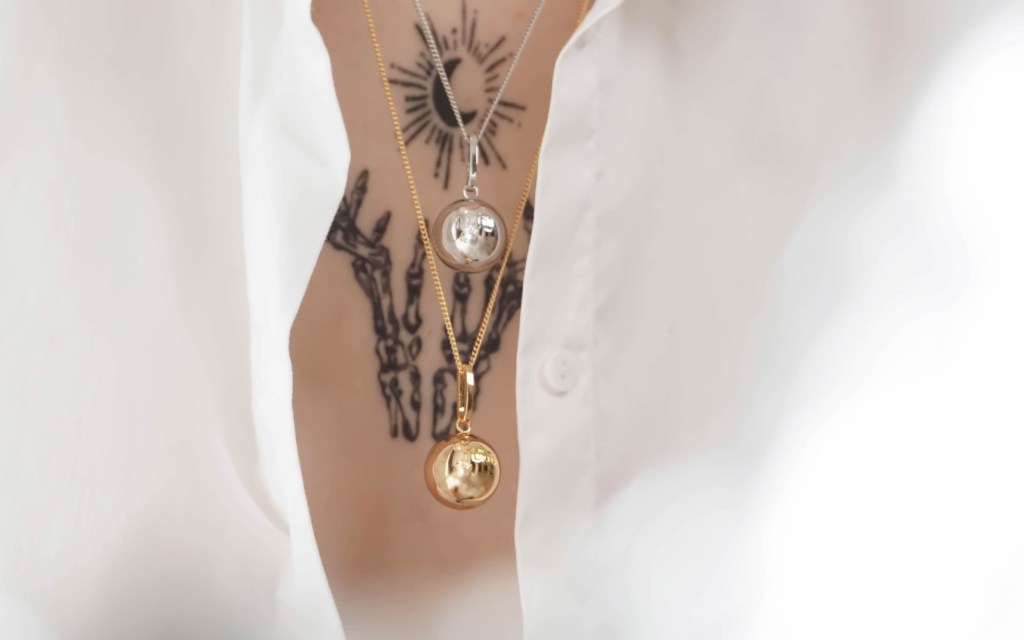
“One consistent style of mine is to always wear mismatched earrings. I honestly cannot remember the last time I wore the same pair of earrings on both ears! I always pair longer form pieces with shorter forms or studs, and tend to stack my stud piercings. Necklace and chain stacking has also been a consistent style, where I tend to wear at least two necklaces on most occasions.
“This has impacted Gennuu’s designs as well. Most of its pieces are sold as singles to mix and match with other styles, and some designs offer pairs in a mix of silver and gold, instead of the usual all-silver and all-gold options.
“For necklaces, all its lengths are of a minimum adjustable length, such that they can be worn as shorter necklaces, or as medium-long chains. I [also] have some items coming up that can be combined to be worn as body chains too.
“At the moment, I’ve been loving wearing Gennuu’s U earring in both gold and silver on one ear, paired with the Nnuu studs on the other, and NU bar on my cartilage piercings,” says Chantelle.
SUSTAINABLE JEWELLERY
Sustainability in fashion is an ongoing conversation, and is also relevant for jewellery brands. Chantelle recently graduated with a Masters in Product Design from Kingston School of Art in London and says that there was a major focus on sustainable design throughout the course.
“Sustainability has always been a consideration in the design and production of my products. Having gone through projects that work with sustainable processes and materials, I have been connected to ways that look at improving the durability and reusability of products,” Chantelle explains.
“With Gennuu, one of its main motivations was to reduce the quantity of jewellery people need to purchase without compromising on the number of styles they can wear. Gennuu also pays special attention to the quality of its products, which have gone through months of quality checks and testing to ensure they last our wearers for a substantial period of time.
“The majority of our designs also come in sturdy, classic forms that are more timeless. We also provide a complimentary repair service for our pieces, as we encourage our customers to repair products rather than re-purchase an entirely new piece. Gennuu also offers customers to purchase most of its designs as singular pieces, should they need to replace or mix and match their pairs.
“As we are still a small and growing company, we are taking baby steps towards creating a more sustainable future — but this is definitely in the works. We have been researching how to give back and reduce our carbon footprint as well.”
Designer and founder of Gennuu, Chantelle Huan
Gennuu pieces are produced in South Korea with input from a team in Vietnam. Chantelle chose this option after months of research and testing, looking for producers that met her standards for detailing and quality.
“This meant having to improve my level of Korean – I am taking higher level classes at the moment – in order to better communicate with them. Albeit a little more difficult, the decision to work with them has been a fruitful one,” she explains.
“The brand is also currently looking to work with smaller independent gold and silversmiths, in hopes of supporting small businesses and independent artistes. It’s a tough journey in any design industry, hence we hope that co-supporting each other can help achieve our visions.”
THE FUTURE IS GOLDEN
Chantelle says that her future goals for Gennuu include increasing brand awareness and introducing more people to its unique concept.
“In the long run, I hope for Gennuu to be a brand that is reliable, both in terms of style and quality — a brand that people can look to when wanting to purchase jewellery that encompass all aspects of function, great design and good quality,” she says.
“Gennuu is a brand that aims for its designs to be inclusive and non-conforming, and we respect and encourage self-expression and individualism, which serves back as inspiration for our brand and designs. As our motto goes: ‘You are the U in Gennuu, and we want Gennuu to be a brand that is made for you’.”
The streamlined design of Gennuu lends itself to being worn by everyone — male, female and non-gendered or gender diverse. The neat shapes of the core pieces like the O Earring, the Nnuu Stud, the Nu Bar Stud and the Luna Necklace can be worn by everyone. All of the pieces are available in either silver or gold. Likewise, the slightly larger earrings like the U Earring and the Chain Earring, can also be worn by everyone, depending on your personal style.
Chantelle has also created a flexible format for shopping and wearing Gennuu pieces: “We provide an option for you to purchase singular pieces in a complimentary palette of gold and silver, allowing you to mix and match, and so you don’t repeat what you already have. We also offer the option of purchasing pairs in a mix of both gold and silver.”
“Our pieces come in forms that are neutral and reliable — simply match our earrings with your favourite pair of everyday studs, or stack our long form pieces across all your piercings.”
My favourite fashion brand, Singapore-based label Depression, has launched a very timely capsule collection that will allow you to proudly shout out your Coronavirus vaccination status.
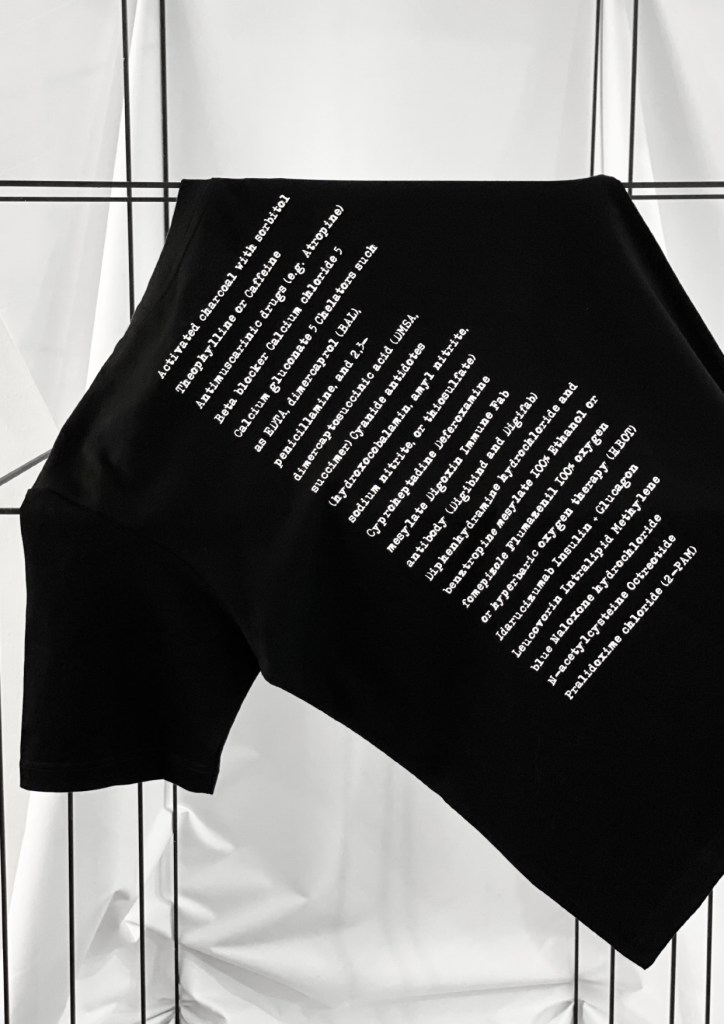
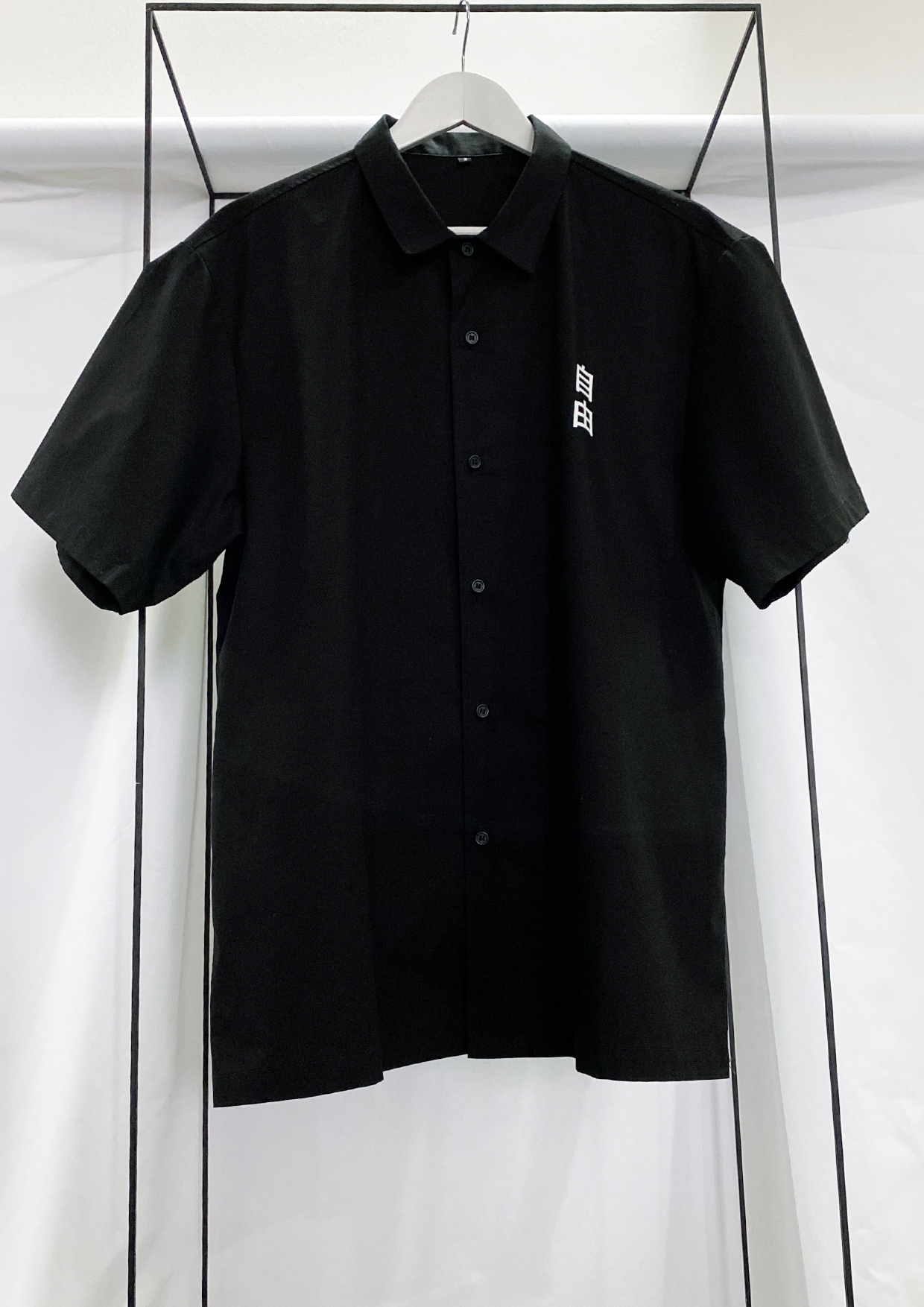
The ‘Freedom Capsule’ collection is a series of three limited edition graphic tees inspired by surviving lockdowns, lockouts and the designers’ hopes for a better tomorrow.
The Antidote tee comes in regular or oversized styles, the Vaccinated tee requires you to actually prove your vaccination status before you can buy it, and the Freedom shirt is a symbol of the hopes of a post-pandemic world.
I’ve always loved Docs. I bought my first pair when I was still in high school – a long, long time ago – and I still have them more than 20 years later. I have Docs studded with Swarovski crystals; I have wedge platform Doc ankle boots; I have Doc sandals; I have bi-coloured brogues; I have mary-janes … I have lots of pairs of Dr Marten shoes, but I’d still really, really like to have a couple of pairs of the brand’s newest collections.
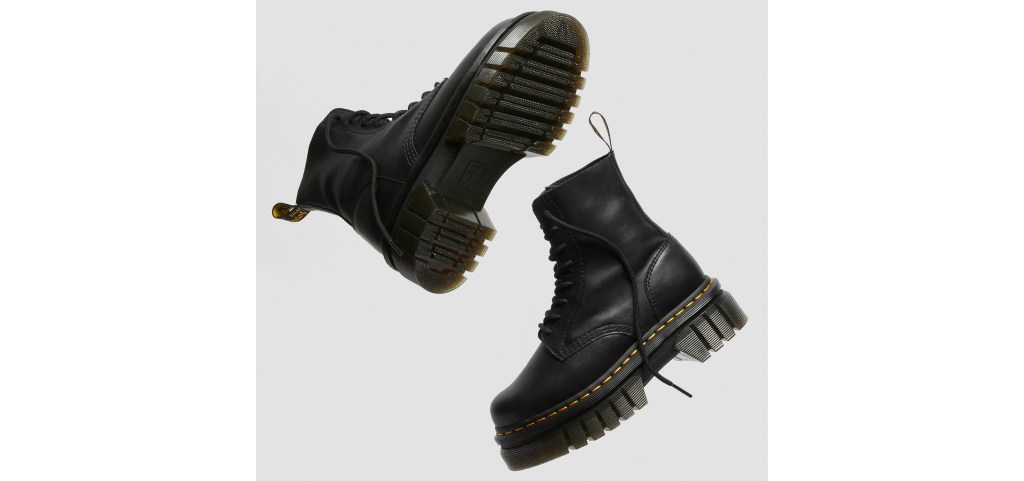
The Quad Neoteric collection combines the historic brand’s heritage features including a sole that’s mutated into a fabulously thick platform. It looks like the classic ‘Airwair Bouncing’ sole, but is actually a lightweight two-part innovation with a built-in SoftWair insole for added comfort.
The collection comes in Nappa Lux leather, with the Doc Marten signature yellow welt stitching, heel loops and recognisable tread. The collection includes the Audrick 8-eye boot, Audrick Chelsea and the Audrick 3-eye shoe styles.
The Tarian collection is a new addition to Dr Martens’ casual range, with an upper that’s more like a hiking boot combined with the brand’s classic sole that comes with a SoftWair insole.
The Tarik boot is part of the Tract line from the brand, and has yellow welt stitching and the AirWair heel loop. The boots come in both nylon and leather options – black Wyoming leather and either black or gunmetal Extra Tough 50/50 nylon.
Both the Quad Neoteric and Tarian collections will be available in Australia by September 30, at www.drmartens.com.au.
With most of the world still struggling through the Coronavirus, the fashion industry is in the odd position of being seen as either a pointless waste of resources and time, or a psychological escape from the doom and gloom.
But what does that mean for the young creatives graduating during this weird time, like the recent grads from Lasalle College of the Arts’ BA (Hons) Fashion Design and Textiles course?
For one, it meant no graduate fashion show with friends, family, media and industry insiders to show off to, rather the school for the first time created a virtual runway on July 16.
“The world we live in today is more unpredictable than ever. This pandemic alone has ground the world to a halt and increased our online consumption to curb social isolation. Although the fashion industry has long functioned based on the expectation that a runway has to be present, we are already seeing fashion houses worldwide begin to explore different ways to present their new collections. To some extent, the change has also arisen out of ongoing conversations about sustainability and the future direction of fashion. We believe it is more important than ever that our students graduate with a consciousness of these issues and the role of fashion in this changing world,” said Circe Henestrosa, Head, School of Fashion at Lasalle.
Henestrosa refers, of course, to the recent attempts by international fashion weeks to claw back some of the media focus with less than successful digital events. Of the various attempts from London Mens, to Couture, few of the brands managed to create an online experience that topped their regular live shows. Only Helsinki Fashion Week – which has been online only since 2016 – has managed to create something that is at least as interesting in a creative way, as the physical shows.
Prada, Gucci, Dior Women (oh dear, Dior. A whole other problem there), basically just made fashion films. Dior Men created a fabulous fashion film, but still these were all just background and additional to what was usually the centrepiece, the clothes.
So, if even major established fashion brands with their endless budgets found it hard to stand out on the digital platform, how were 17 mini collections from a bunch of graduates based in Singapore going to do?
The ‘show’ …
To be honest, the virtual fashion show was, again, basically a fashion film. There was a lot of post-production and atmospheric shots of Pasir Panjang Power Station and the college campus – already a well-known location for sci-fi inspiration – but it was difficult to really see the clothes.
Watching via Zoom, you could not tell how well the garments were made, what the materials used were, or see the details that create the points of difference that make a new designer stand out.
Another thing that seemed a little behind the times was the concept of using Sustainability as an overarching ‘theme’ for organising the various designers. The collections were separated into five themes – Sustainability, Future Forward, Heritage, Textures, Body & Identity. Not unique concepts, but definitely topical ones, ideas and themes that are obviously affecting young creatives.
My issue with Sustainability as a separate theme, is that in the time of climate disaster, it should no longer need to be defined as a point of difference from ‘other types of fashion’. Sustainability should not have to be a ‘theme’. Sustainability is a fact; and any designer who produces today should be doing so in a sustainable and ethical manner automatically. The idea of using ‘sustainable’ or ‘ethical’ as a brand marketing tool is over. All brands need to be both, and therefore need to find another point of difference.
OK, rant over. Still, the Lasalle teachers and directors do take the issue seriously, while also allowing students to make their own decisions as to whether or not they incorporate it into their collections.
“One of the pillars of Lasalle’s School of Fashion and its BA(Hons) Fashion Design and Textiles programme is the continuous development of the notion of ‘future crafts’. Through this, we understand a seamless symbiosis between artisanal techniques and modern technologies,” explains Dinu Bodiciu, the lecturer in charge of the BA (Hons) in Fashion Design and Textiles at LASALLE College of the Arts’ School of Fashion.
“With the increase in awareness of sustainability, there is greater attention paid by our students to the materials employed in their collections. The graduation project allows them the time to play, experiment, investigate and innovate new textile processes in the search of creative fashion solutions.
“For instance, even though the plastic used by Felicia Agatha in the collection Repelebb was not recycled, she still chose to work with it because she needed a vessel to hold liquid substances like water and cooling agents. Her collection hydropuff proposes possible new materials and fashionable alternatives in a future when humanity has to face the consequences of global warming.
“Another example is Kwok Minh Yen’s collection 1.5oC. It expanded the notion of zero waste design by engaging in textile manipulation of leftover materials, turning these scraps of fabric into decorative elements in the collection. Minh Yen further worked with UV reactive threads and pigments, combining them with synthetic materials like mixed polyester/nylon organza.
“This juxtaposition of materials, preferred by fast fashion companies against the slower process of zero waste design, aims to criticise the industry’s unsustainable ways and how this contributes to global warming,” says Bodiciu.
Good, bad or blah …
To be expected, a number of the graduates were inspired by our dystopian times with collection themes that covered humanoid spaceships with different personalities, and one concept that was literally entitled Dystopia. Other current topics were covered as well; sizeism, sustainability, global warming, climate change, LGBTQIX, #metoo, etc. All to be expected in our modern world of global pop culture and TikTok. Some of the most successful concepts were those that didn’t focus on the global theme to the detriment of the actual design and craftsmanship of the garments. Of the most interesting were the designers that reimagined their concept into garments that functioned as both an artistic statement and an intellectual concept.
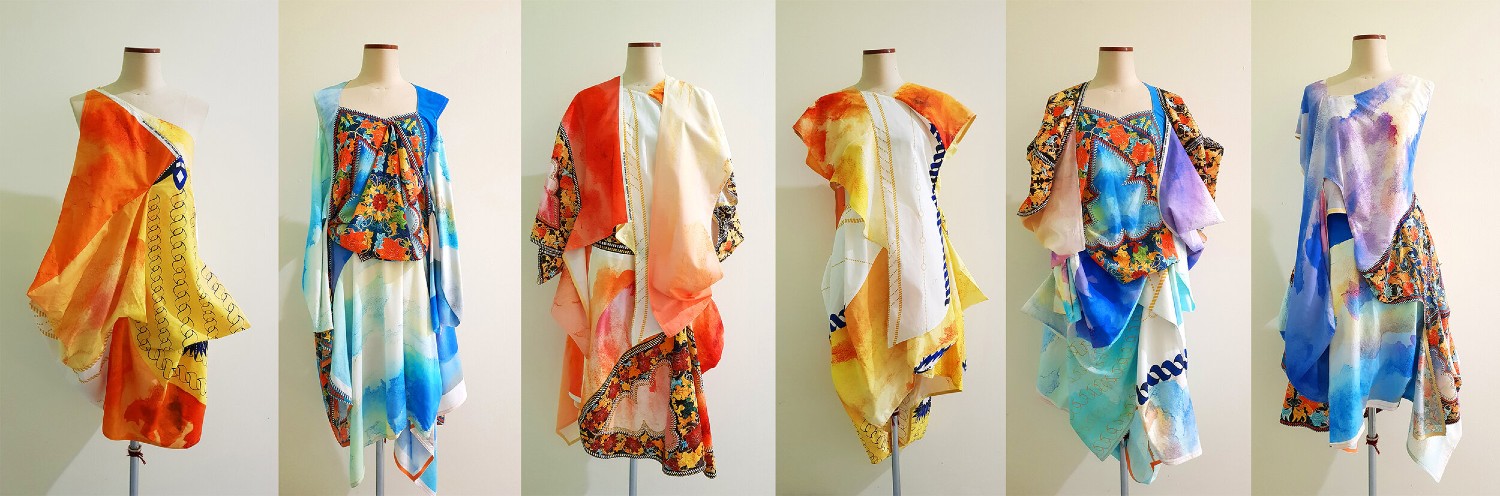
Cheah’s collection sat under the overall theme of Sustainability, using zero-waste pattern cutting techniques, but it was her modern take on traditional Malaysian prints inspired by the decorations of traditional kites that stood out. The draped, floaty shapes in the strong traditional colours ways of orange and black were softened with additions of hand dyed blues and yellows. While the cuts were somewhat reminiscent of early Japanese designers, the addition of ‘string’ interlacing referencing kite strings offered slivers of skin, creating a sense of fluid femininity. It will be interesting to see where Cheah goes from here. These pieces would definitely find a commercial market.
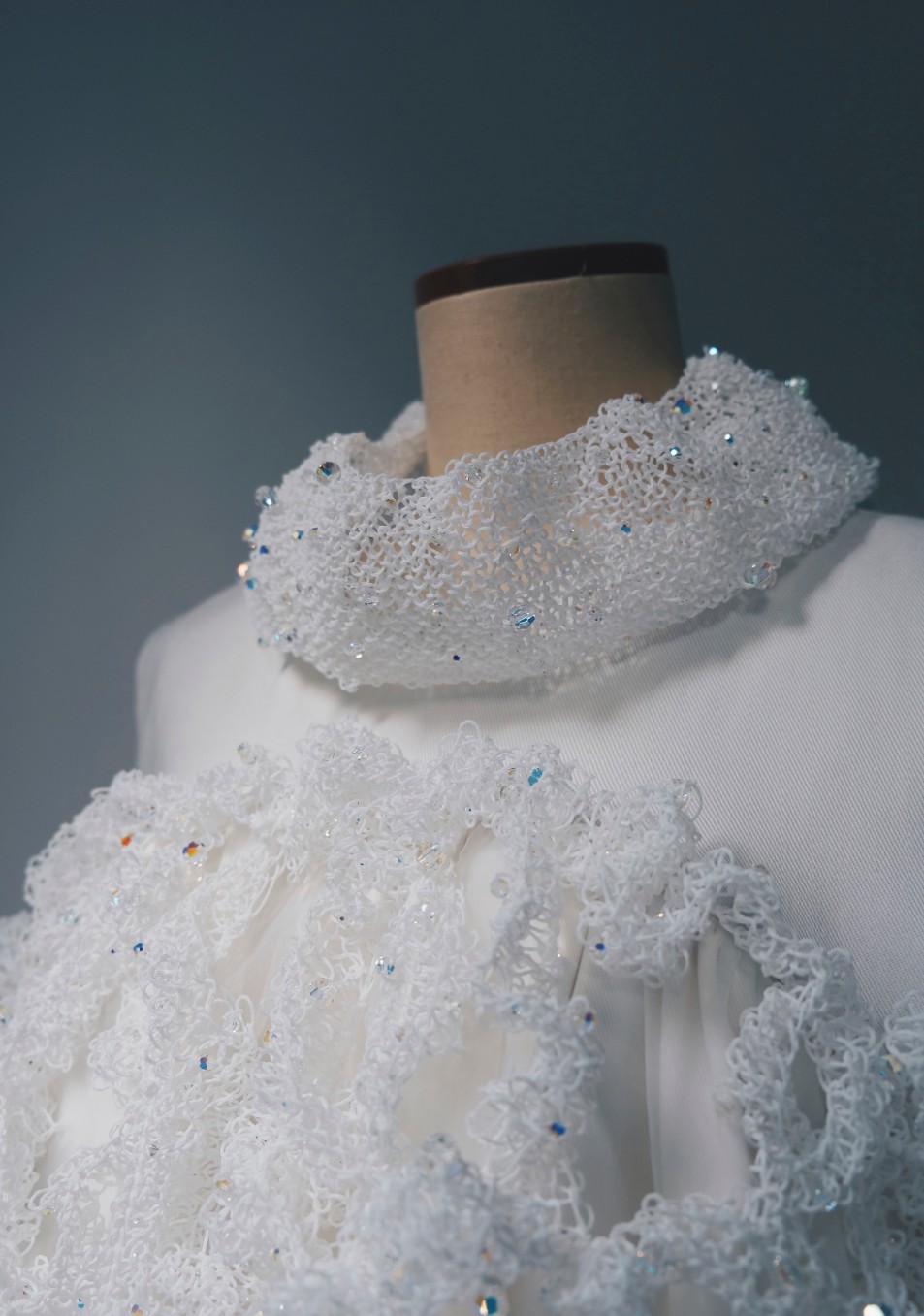
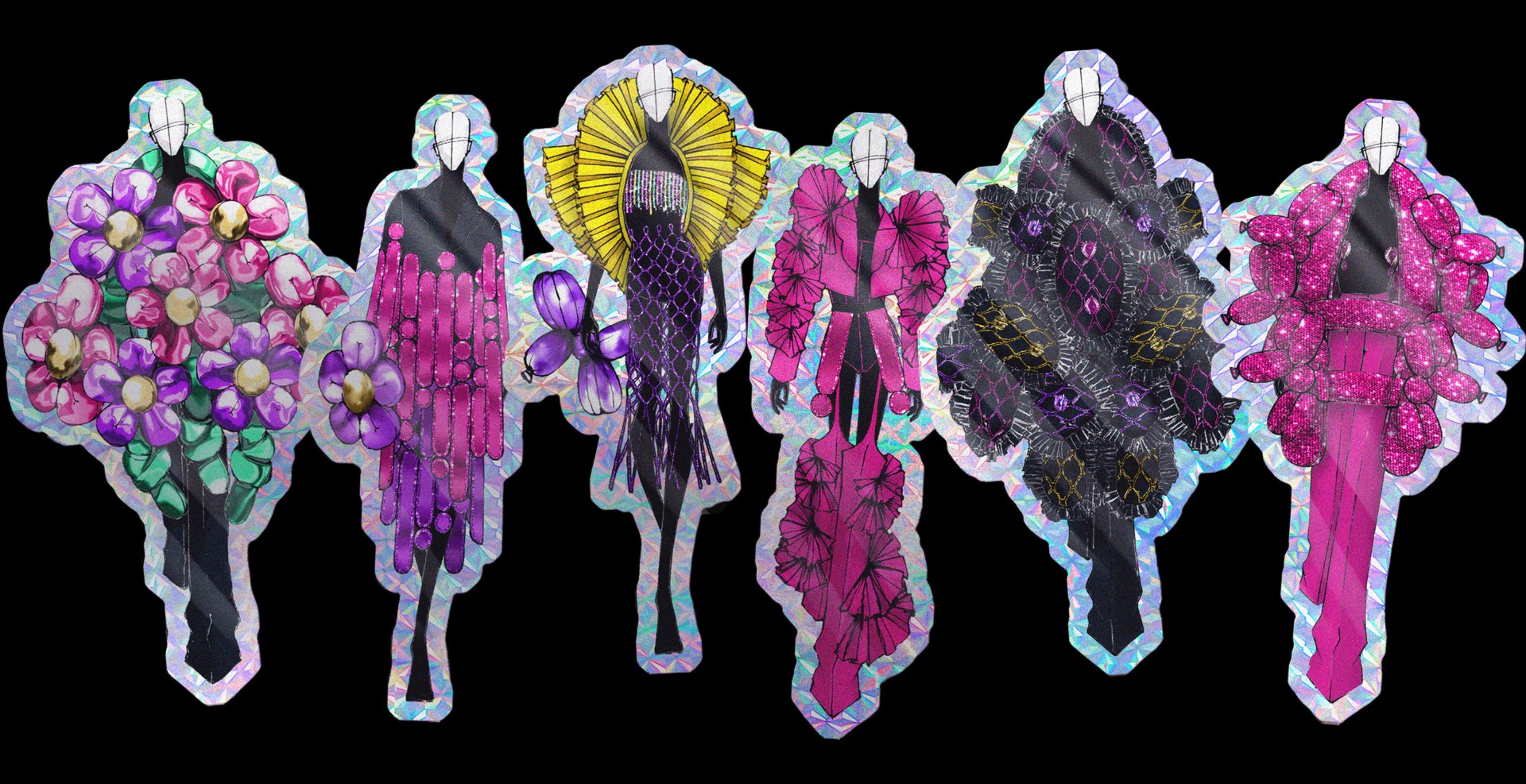
A mix of Iris van Herpen and Simone Rocha, Kwok’s work was also in the Sustainability theme, and was based on “draw[ing] attention to the increasing rate with which global warming is causing coral bleaching”. The garments were basically white, oversized dresses with ruffles and collars decorated with recycled textiles created to look like bits of coral. A series of adornments on one dress – donut shaped 3D rings studded with Swarovski crystals and UV reactive threads and pigments light up. Unfortunately this function wasn’t able to be clearly seen during the virtual show, but can be spotted in the photographs. Without the additional decoration, these pieces are cute, wearable clothes that don’t look much different from a lot of #cottagecore dresses seen all over TikTok and Instagram but come with a new take on the sustainability concept.
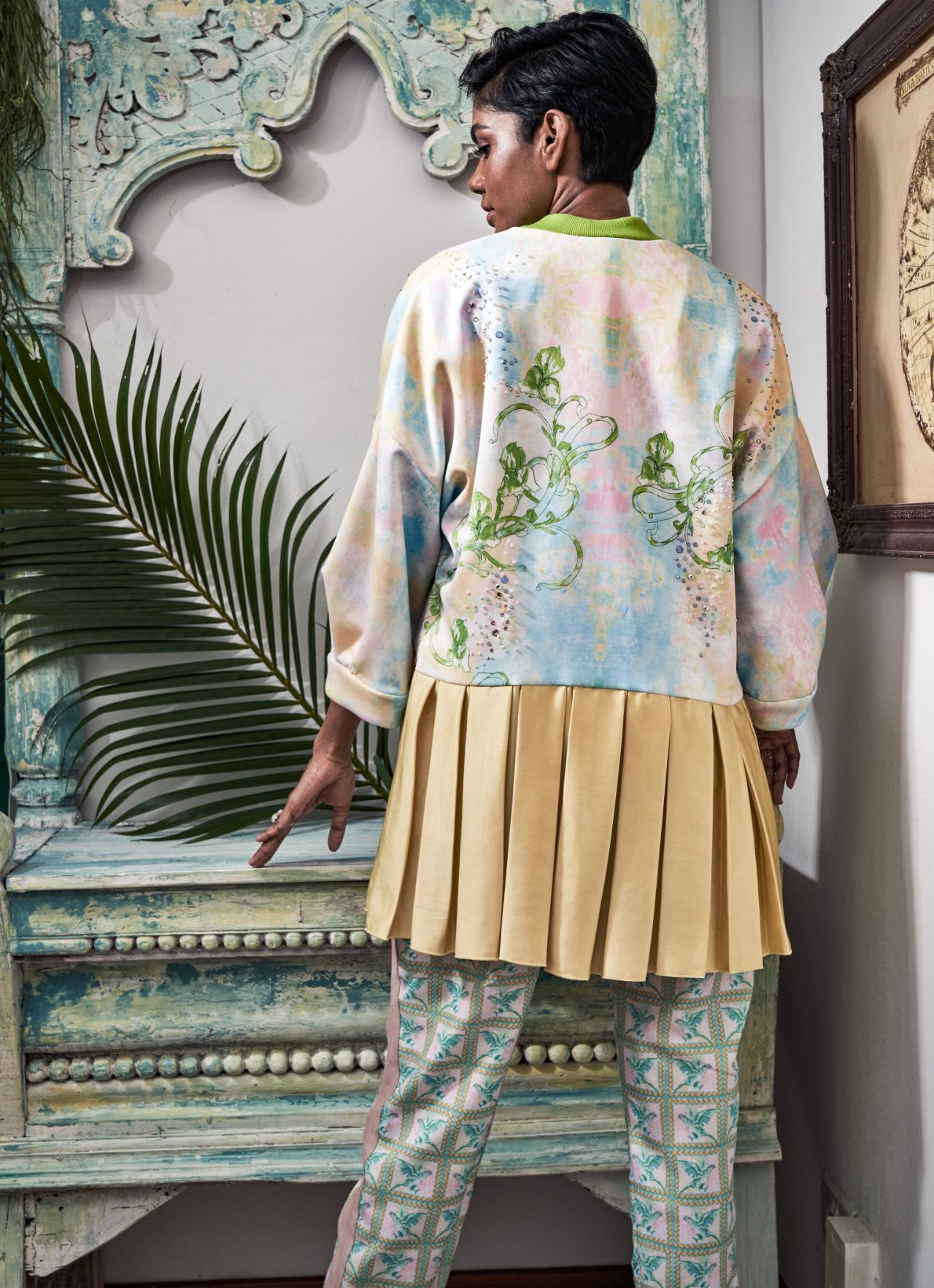
A pretty collection of pastel and embroidered separates, Schriber’s collection also sat under the Sustainability theme based on its entirely vegan material use. What these vegan materials are is unclear. No leather, so does that mean ‘vegan’ leather ie. plastic? Are the fabrics natural fibres? Or manmade and therefore less environmentally friendly? These are the issues that keep cropping up when it comes to defining what sustainable fashion really is. Still, the overall collection, while looking rather similar to Korean brand Ti:Baeg’s early work, is very wearable despite the fact that some of the concept was a bit too literal with large embroidered birds and prints being featured.
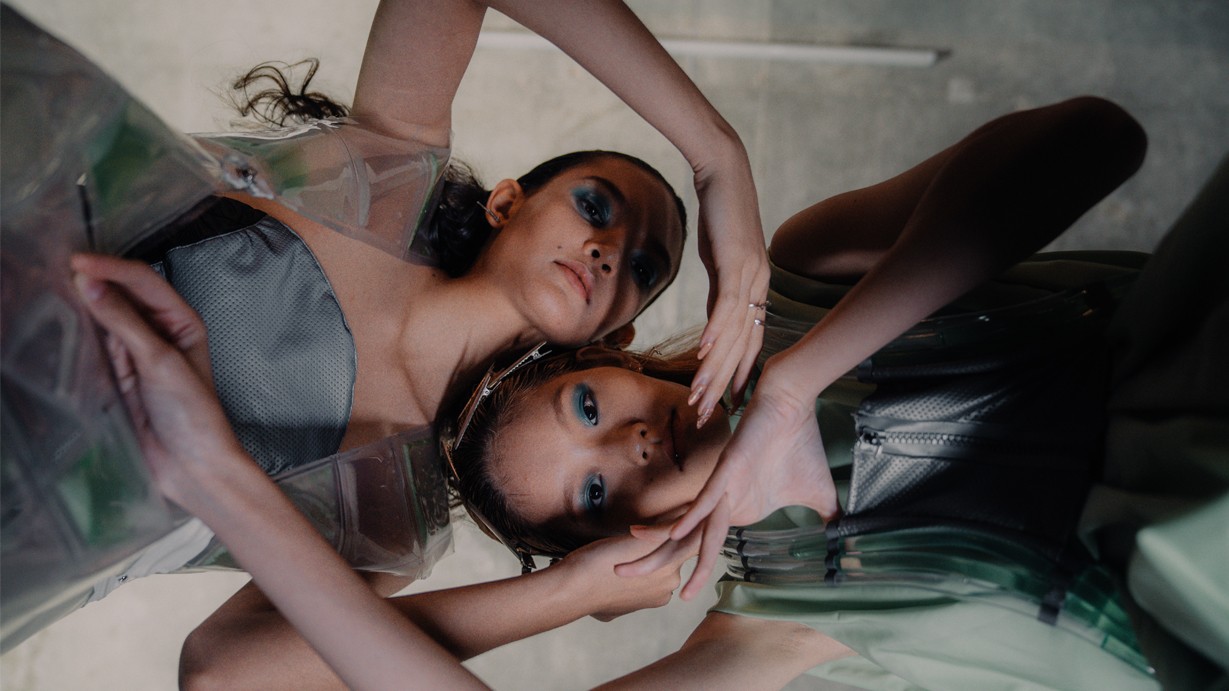
Part of the Future Forward theme, Agatha’s collection is described as “delving into science in order to devise climate-sensitive solutions for our future”. What that translated into was a lot of plastic. Presumably the plastic stood in for as yet unavailable technical materials that will adapt to issues of climate change like floods and such. The “activewear-influenced” pieces appear to be less about being active and more about creating shapes to be worn under the clear technical materials. The shapes and cuts had a vaguely 80s feel, added to by the combination of black, clear plastic, zips and pastel lavender shades of shiny fabric. The designer’s work with hydrogels is quite fascinating and it will be interesting to see how her research translates into future garments.
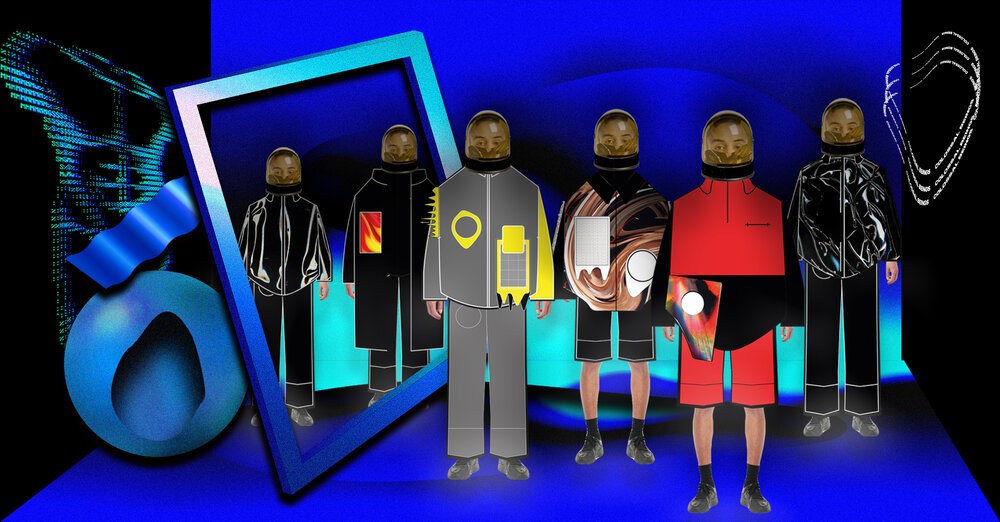
One of the collections that riffed on the issue of sizeism, Ng’s work looks like a mix of streetwear and 80s ideas of ‘future clothes’. The concept is described as being “built on the foundation of science fiction, imagining a world where plus-size is no longer a separate category”, but the interpretation falls a little short. Instead of creating new silhouettes for larger sizes, the cuts echo already existing oversized streetwear staples like shorts, hoodies, and collared shirts. The addition of ‘spaceman’ bits and pieces like zips and plastic pockets, plus the very literal use of flames to represent the sun combined with technical shiny materials gives the work a cartoonish vibe.
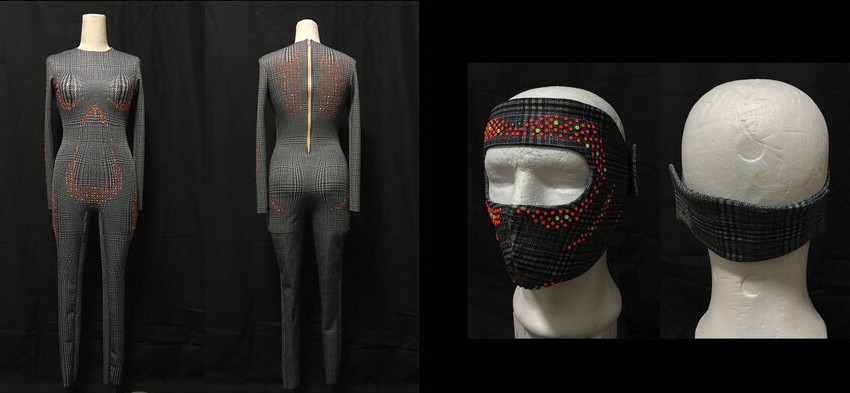
Phang is obviously a lover of anime. The entirely weird concept of the collection looks exactly like a real life version of Kantai Collection known as KanColle (艦これ, KanKore). The story line has cute girls who somehow turn into ocean-going battleships to fight off their enemies. While the underlying concept is completely daft, Phang’s work is some of the most interesting of the graduates. The designer hopes that future research and technological development will be able to turn his “fantasies into functionality”. The collection features a mix of form-fitting bodysuits as the basis for a series of layered pieces that add various functions to an outfit, like a coat, shirt and even a currently needed accessory, the face mask. It is also interesting that although his collection is placed firmly in the future, the fabrics used are more traditional like a Prince of Wales check in menswear fabric, showing that this guy really knows how to cut and fit a garment. It will be interesting to see how his work translates commercially.
Another of the collections focused on the issue of sizeism, particularly that of South Korea where the extreme social conditioning of Kpop has reduced women to equally extreme diets and plastic surgery. Lee’s work is a rather literal interpretation of her traditional heritage, the hanbok, with a slight nod towards modernity in the addition of capri pants. While pretty, these pieces are more akin to the trend of hanfu, where young people dress in slightly modern versions of historial outfits, with a nod to nostalgia and an Asian version of #cottagecore. While it is refreshing for the designer to create for larger women, again this just translates into bigger sizes of the same clothes that are already being made and worn. Still, the pieces are pretty.
Also part of the Heritage theme, Basri’s collection looks at subverting the “misogynistic symbols tied to the Malay folklore figure, promoting body acceptance in the process”; also incorporating the current #metoo trend to a certain extent. Basri uses the traditional ghost story of the Pontianak – a misogynist tale of a female vampire who is transgressive in Malay society due to her inability to have a child – to talk about definitions of womanhood and femininity. The concept has been translated into a series of garments that evoke simple working clothes combined with the colours of mourning – black, white and grey. Although there are a couple of embellishments of red ‘blood’ tracing the fabrics which are a little too literal, overall the collection is wearable and interesting with a nod to the simplicity of Japanese design.
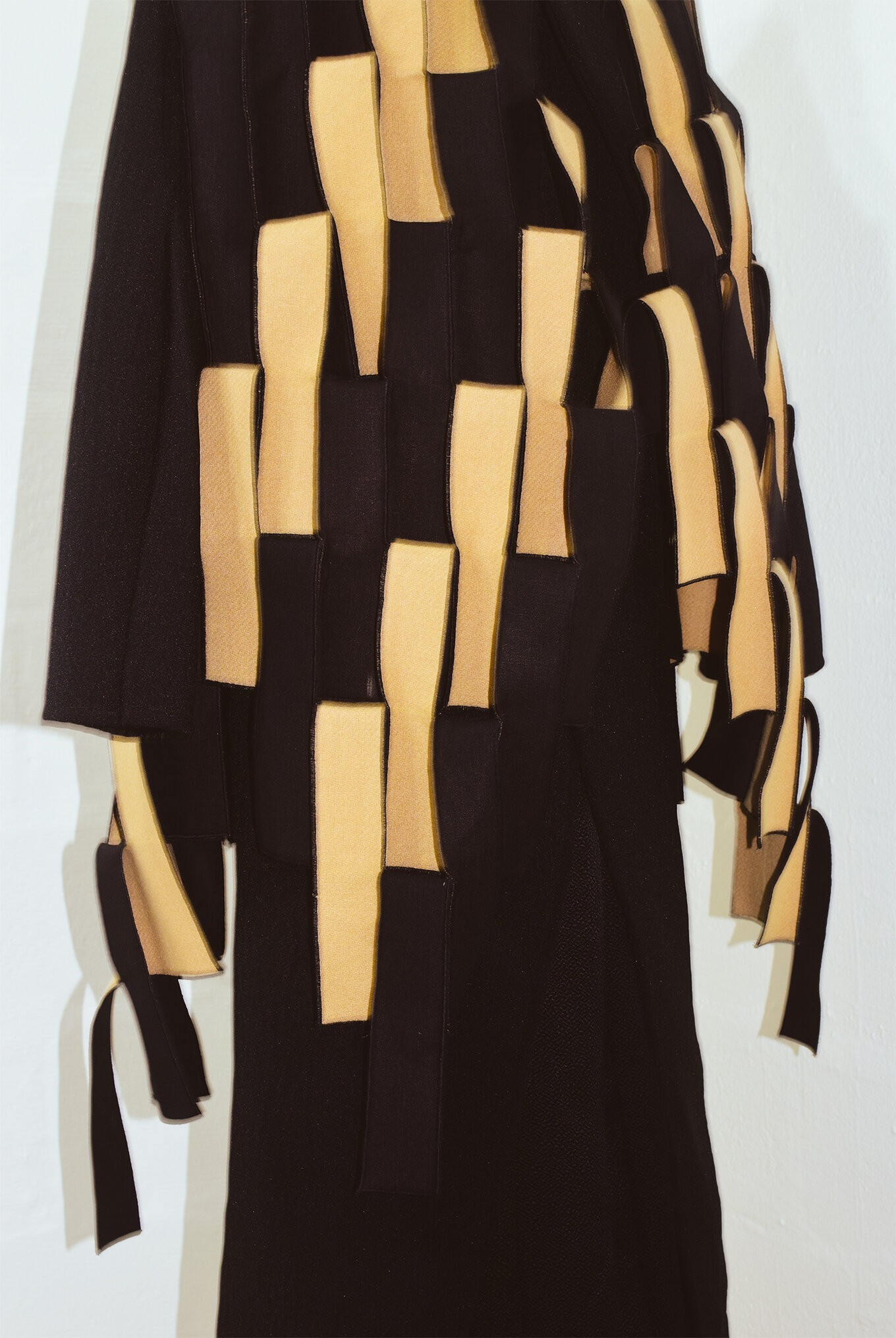
Based on the Japanese concept of “Ma” (間), the idea of allowing a sense of space in between other things, this collection is somewhat hard to define. There is definitely a very Japanese style overall, with some very obvious takes from the work of designer Yohji Yamamoto in the use of gaps or cuts in patterns for classical coats and jackets. There are also pieces obviously inspired by the work of Rei Kawakubo of Comme des Garçons with the use of padding and strips of menswear fabric.
Sitting under the Textures theme, Tibrewala’s collection is based on “fluid and distorted lines in order to express chaotic emotions” which really just translates into adding squiggly lines to her fabrics via print and hand-done spray paint. The shapes are based on early 80s, including a definite nod to Issy Miyake’s Pleats Please collections – one round-shouldered top in particular. Overall the collection has a pleasant run through of shape and colour, although a collared, open back jacket strikes a bit of a wrong note, as it seems too different to the rest of the pieces. There is also something a bit off with the proportions particularly in the short length of the pants. However, there is a softness and wearability to these garments; they are very ‘art gallery worker’, much like Issy Miyake.
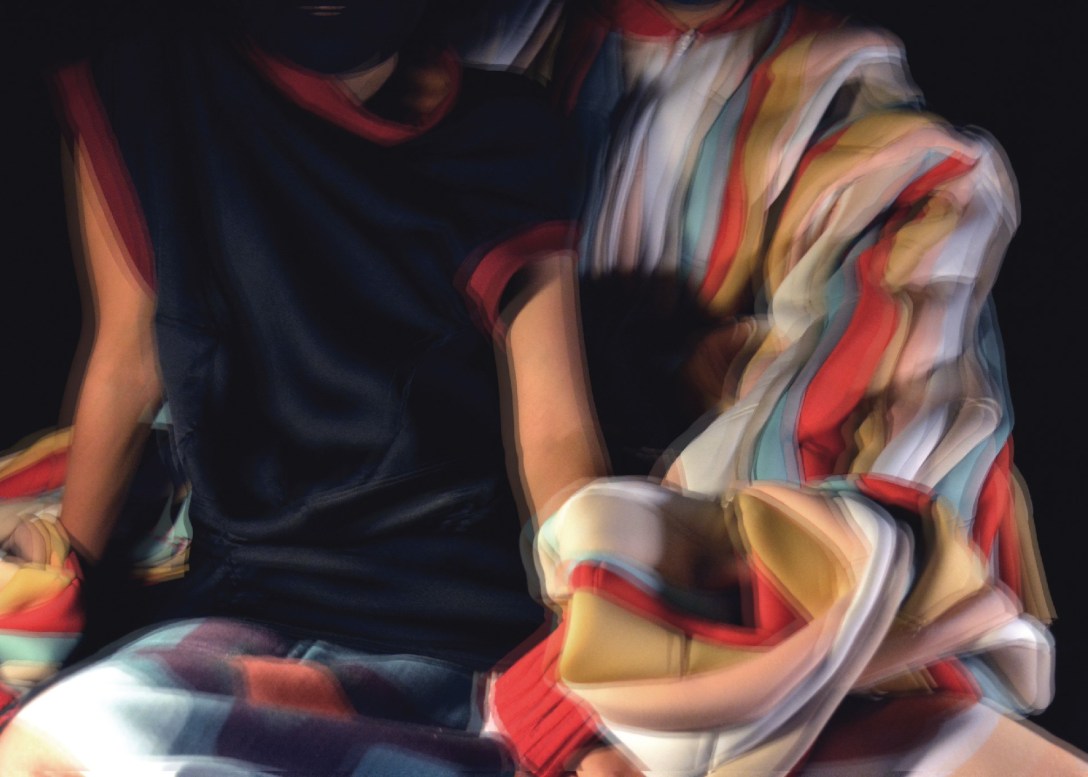
Supposed to be all about the sense of touch, with the aim of making the viewer – not the wearer? – want to touch the garments, this collection appears, in fact, to be the opposite. Created from some sort of stiff, hard, sharp-looking faux leather (maybe?), the garments jut out from the wearer more like spines saying ‘stay away!’. There is little attention given to the wearer either, with the stiff fabric removing any human softness from some of the more encompassing pieces, while adding excess volume to the body in others. The juxtaposition with sheer fabric and the use of bright colours certainly imparts a kind of child-like playfulness, and while some of the cuts are simple, the more textured pieces have an interesting use of volume. Are these pieces actually soft to the touch? Or do they feel as stiff as they look? Interesting.
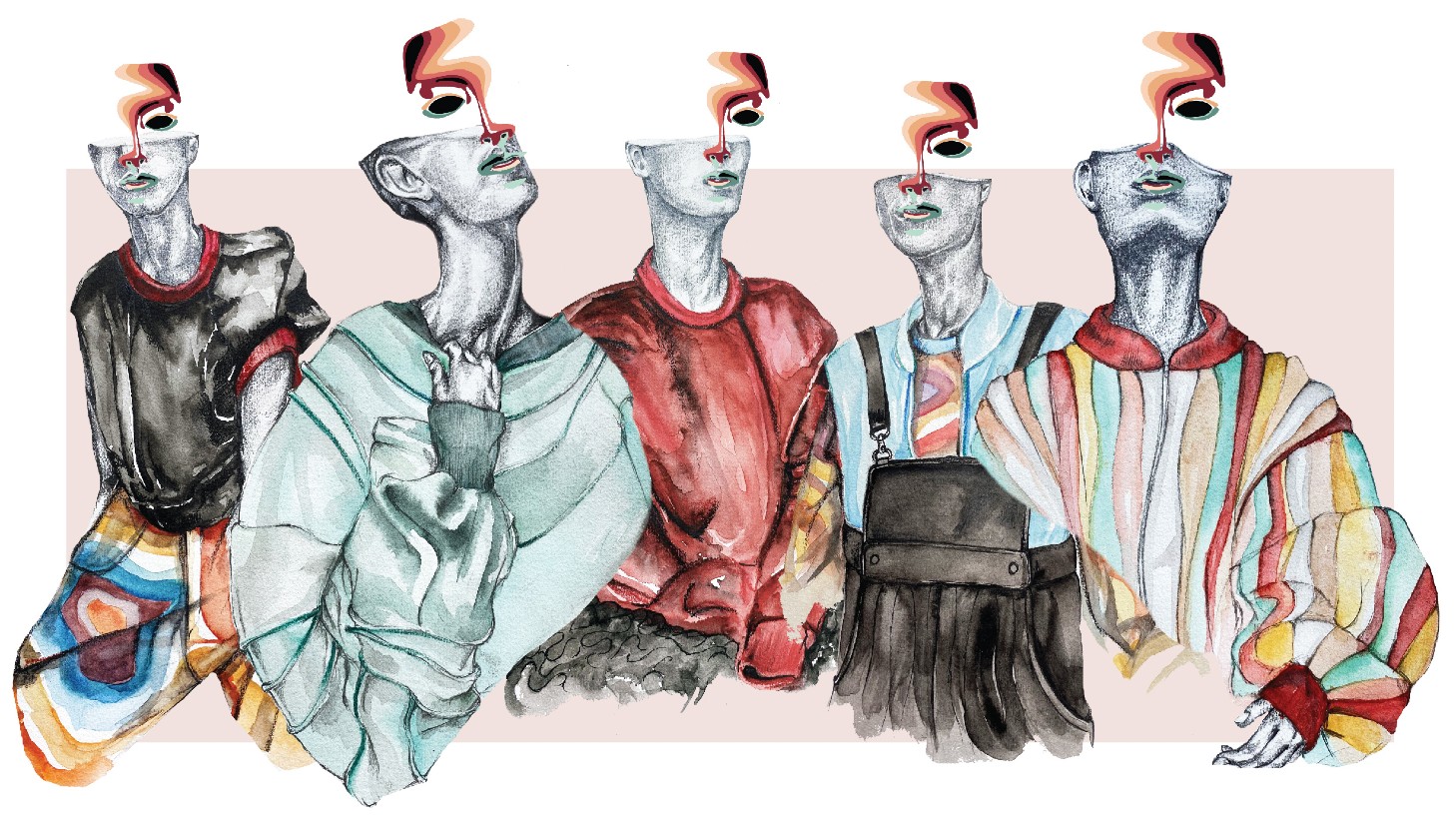
Based on her imagined idea of what people on magic mushrooms see, Halim has created garments that are basically traditional in shape and cut, but have various parts – the sleeves mostly – ‘blown out’ with the addition of sheer voluminous additions. The concept reads well in the original sketches, however the finished garments seem unbalanced and overly complicated. The addition of various colours, crystals, fabrics, more embellishments, and even more textures gives an impression less of the distorted vision of a bad trip, and more a toddler’s idea of dress up. The designer’s central premise of “a reality where vision is blurred by hallucinogenic drugs”, has been lost in translation.
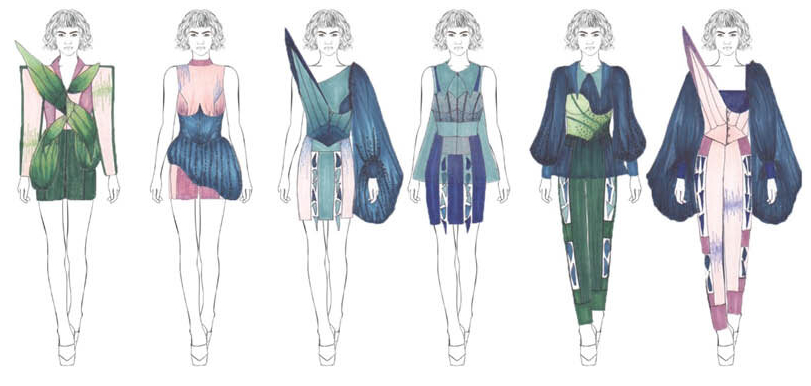
Based on the myth of the Chimera – part lion, goat and dragon – the designer chose instead to combine a butterfly with a jellyfish, with unfortunately little success. The interpretation is all too literal with actual, human-sized butterfly wings adorning half a garment, while the other half features a long, full ‘jellyfish’ sleeve. A lopsided puffball skirt recalls not only the very worst of the 80s but also a dying blue bottle jellyfish on the beach. The concept was interesting – the idea of combining various and opposite creatures; air and water – creates fertile ground for juxtaposition and contrast. It is just unfortunate that in this iteration the clunky construction overcame the concept.
Part of the Body & Identity theme, Balachander’s collection is a cleverly wrought interpretation of the concept that “underneath our skin, our human anatomy is all one in the same”, a powerful nod to the current global reassessment of racism. The designer translates her links to her grandmother, with her age and experiences etched onto her body into a series of oversized menswear garments that expand the silhouette far outside the original body, stretching out with padding and extreme length. Yet somehow, these pieces still look like someone, somewhere could happily wear them. Actually, with many parts of the world still in lockdown, these voluminous pants and sweatshirts are the perfect hide-from-the-world-in-comfort pieces. Using a quilting technique, Balachander implies ideas of wrinkles on skin, or the lines of a topographical map, which is also echoed in the original print in the collection. All in all, this collection is an accomplished piece of conceptual design, that still feels not only like fashion, but like something you could actually wear, and want to buy.
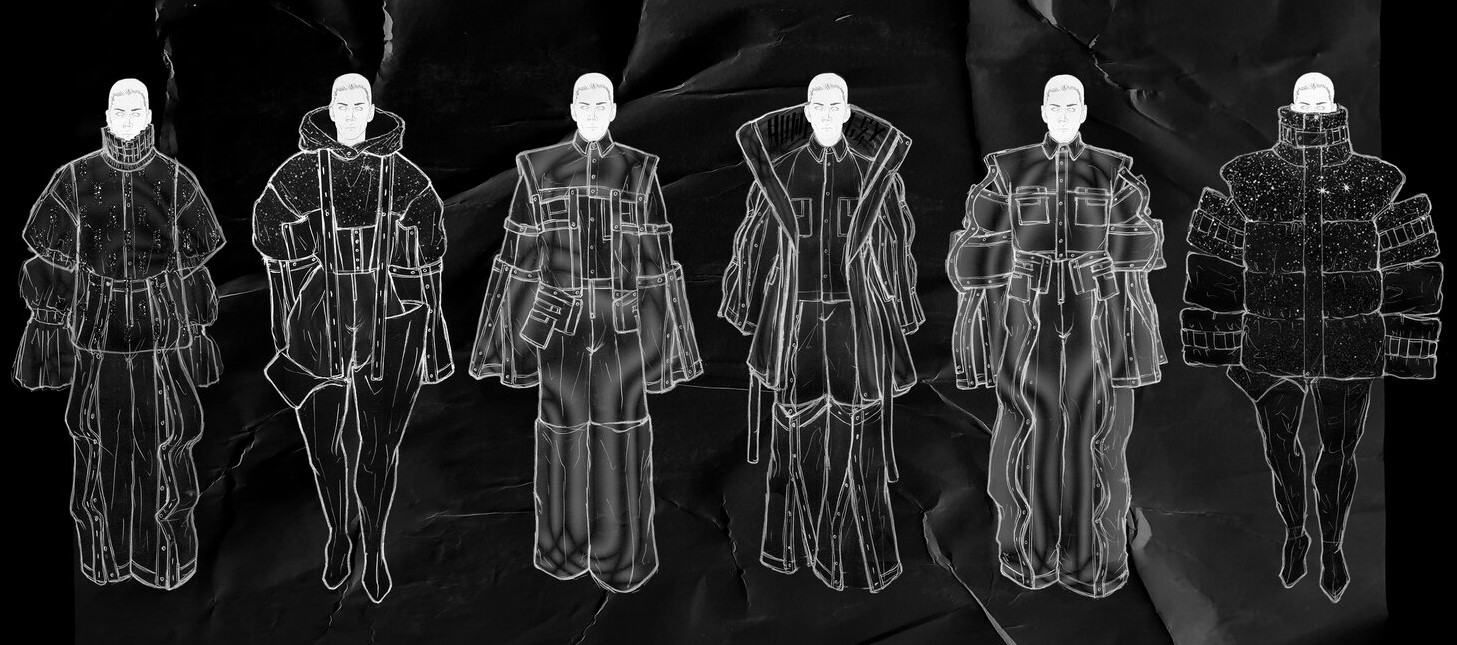
A mix of the Mona Lisa and an Instagram influencer sounds like an interesting starting point for a collection. However the garments created by Latib appear less a “satirical conversation” between the Renaissance and contemporary culture, than an excess of shiny, oversized, blinged up streetwear pieces. The Renaissance references are lost in a sea of snap-on trouser legs, puffers, sleeves and hoodies, with a lone neck ruff to voice centuries of innovation and philosophical thought. The influence of Moncler X Craig Green is also very obvious. What is really a shame is that the designer’s earlier work as seen on his Instagram account is way more interesting, better constructed and unique.
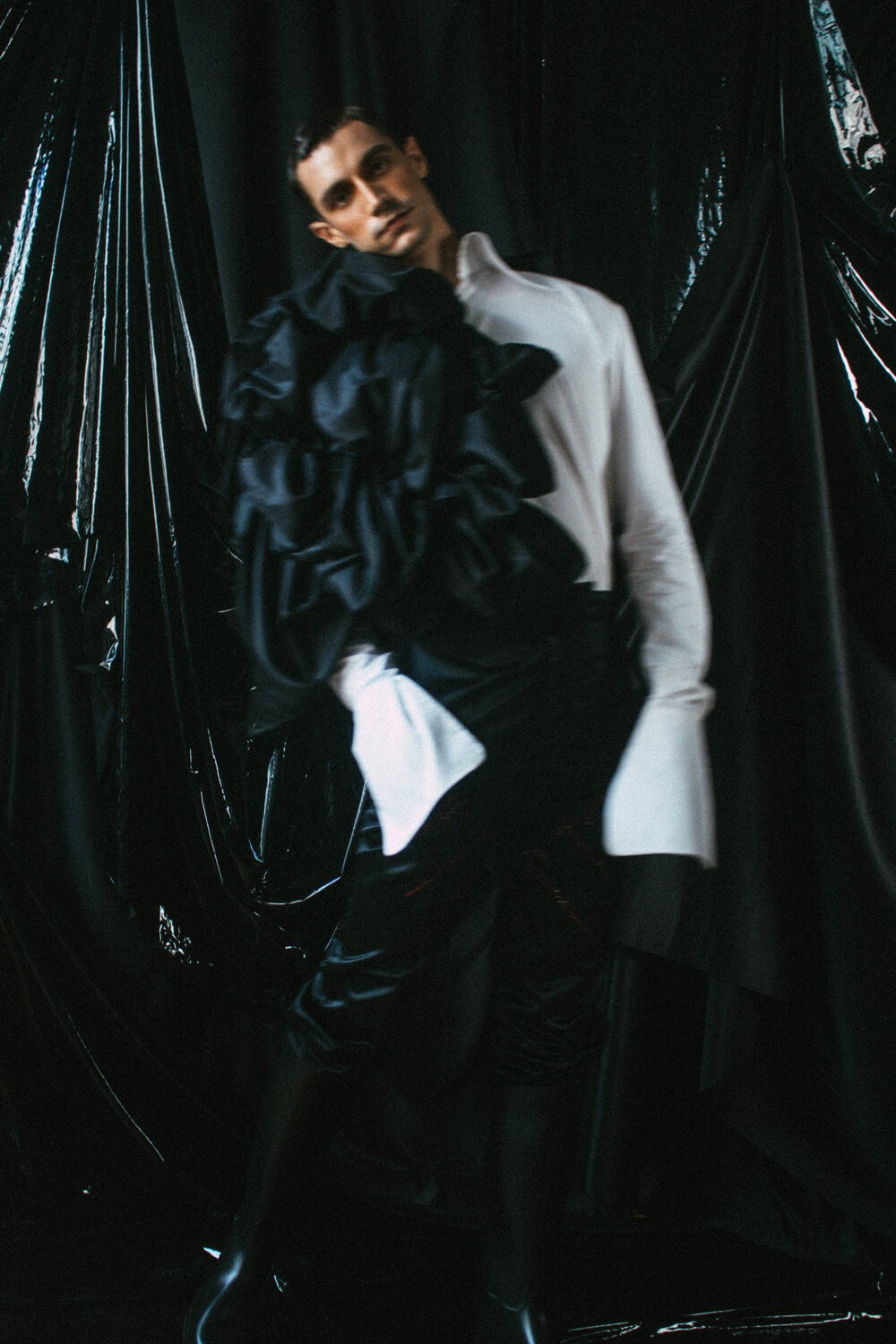
Inspired by his personal medical issue, a diagnosis of Wolff Parkinson White (WPW) Syndrome, that causes random heart palpitations, this collection is one of the more personal. The translation into a series of voluminous, non-gendered garments, however, seems to have little connection. It is hard to see the link between a backless jumpsuit, a cloak of bunched red vinyl and a white shirt with long cuffs as “an abstract form of a journal – penning and scribbling down what I felt when the palpitations attack”, as the designer writes. Presumably the shapes and volumes are how the designer translates his feelings. Whatever the connections, the pieces themselves are well tailored, pretty evening wear for the non-gendered.
There is something very Leigh Bowery and Judy Blame about Xun’s collection, mixed in with current Drag Queen Culture, added to Rei Kawakubo of Comme des Garçons and even a touch of Moncler X Craig Green. The work is a celebration of “queerness, artifice, irony and high aestheticism” that is obvious in its theatricality, shouting ‘look at me’ as loudly as possible. But it is because of this blatant obviousness that the collection works. The fact that the construction is impeccable and, while riffing on the work of other experimental designers, does not copy slavishly, it also positions the designer at the head of the conceptual pack. Xun’s work is unashamedly more art than retail, but that is exactly why it will grab the eyes and hearts of dedicated fashion lovers the world round. Can’t wait to see where this designer goes, and what they decide to make.
All images Lasalle College of the Arts. For more information, and to watch the original virtual show, go to www.lasallesof.com.
Ethical and sustainable fashion, like all trends and styles, has begun to settle into a series of expected norms; organic cotton, neutral and natural shades, prairie dresses, cable knits and a somewhat ‘earth mother’ vibe.
But it doesn’t have to be that way. The work of Melbourne-based designer Erik Yvon is a fabulous example of design overcoming the expected norms. Yvon uses bright colours, strong prints and unique textures inspired by his Mauritian origins, to create clothes that are joyful, inspired by art and culture, and dedicated to sustainable and ethical production.
“As an independent label we firmly believe in making a change and strengthening our local industry by keeping our production, onshore, transparent and ethical,” writes Yvon. “We are mindful of the footprint we have on our surroundings and try to have a positive impact on the community within our supply chain.”
The brand stocks limited runs of different pieces, and produced made-to-order so as to reduce waste. Yvon also produces all of his products in Melbourne, supporting local industry businesses and working with various communities.
“We pride ourselves on being made in Melbourne and work closely with local suppliers,” writes Yvon on the brand’s website, listing the local businesses they work with.
The Erik Yvon look is an interesting mix of streetwear comfort, and over the top avant garde use of colour, texture and pattern. There is a strong gender neutral thread running through the brand, particularly in its use of separates – tops and pants that can be worn by guys, girls, anyone. The style is also relatively size inclusive, with generous cuts and the use of volume creating flattering shapes for most body types.
There is a touch of the 90s in the brand’s designs too – particularly the use of legging type trousers, tights and black and white geometric patterns. Strong colours like neon yellow and hot pink are softened by the use of more natural shades, but the feel is one of sunny days and parties on the beach.
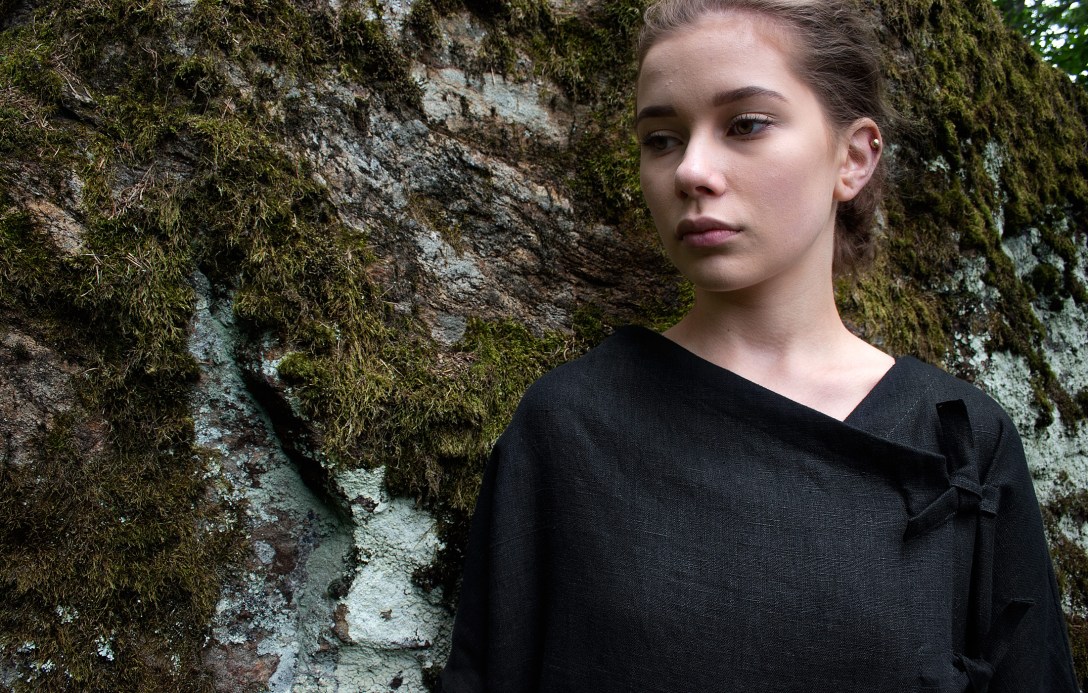
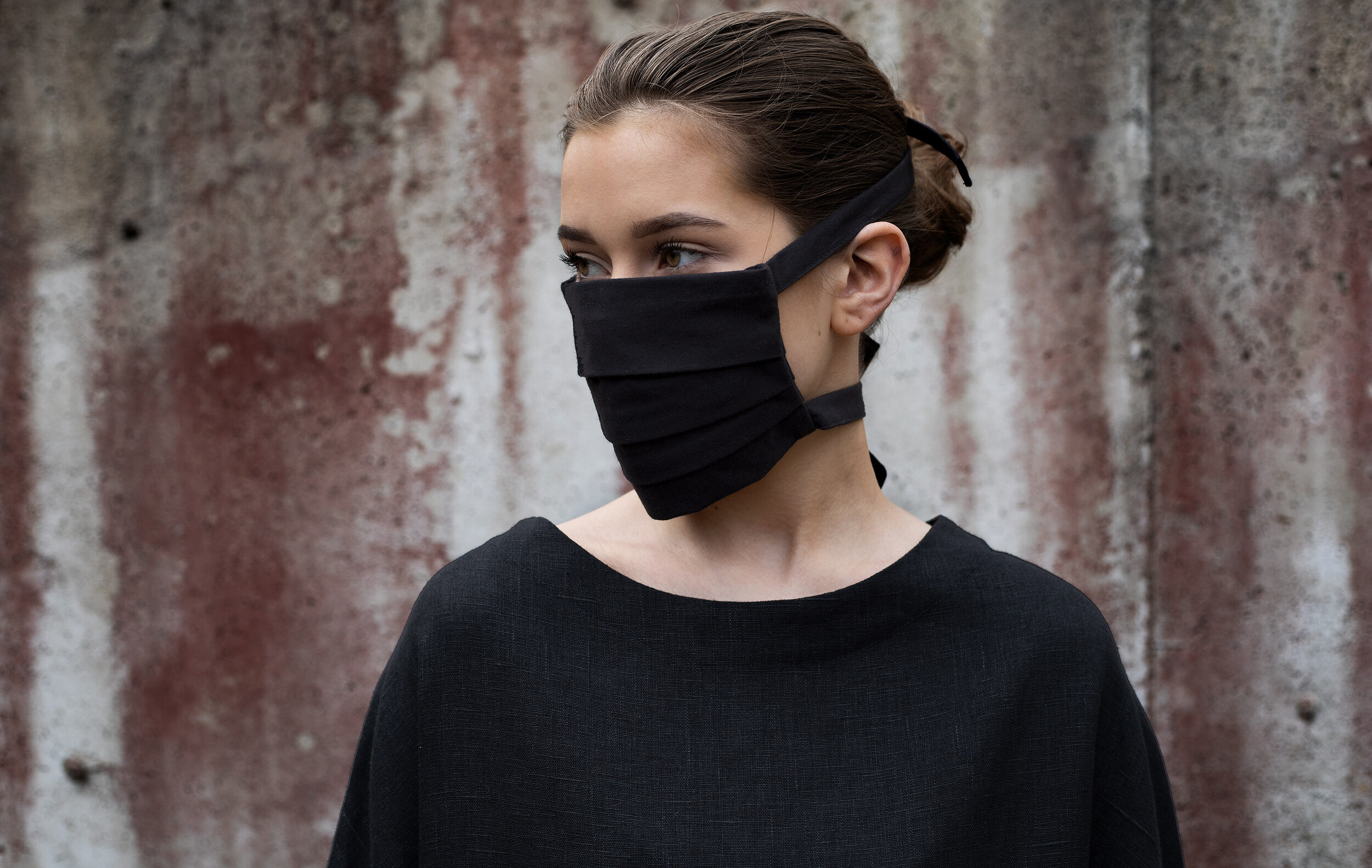
Finnish brand Su is a fashion and homewares brand that is part of the Slow Fashion movement. The brand creates limited pieces in sustainable fabrics like linen, organic cotton and merino wool.
The style is very ‘Finnish’; shapes are oversized and non-gendered in many ways, the colours are muted and natural, and the styling is simple and again, natural.
There is something very Japanese about much Finnish design – there are correspondences in concepts like wabi-sabi, minimal-natural, and muted palettes between the two countries’ aesthetics. The Japanese like Finnish design, and the Finns like Japanese design.
Su’s design philosophy is “to make modern, custom-made clothes in small batches”, with an ethos that is “restrained, relaxed and respectful of materials”. Again, all things that resonate with lovers of Japanese design.
Everything is designed and handmade in Finland – from interior textiles to the clothing collections. The latest collection – Summer 2020 – is about loose fits, large pockets, dropped sleeves, shades of gray and blue, with white and black. There are also pieces in an undyed linen.
There is a ‘slowness’ about the collection that’s not only down to how it is sourced and made – 100% certified natural materials, produced in an ethical way – but also in the feel. It’s about long, lazy summers in the woods and fields of Finland surrounded by some of the country’s 100,000 lakes.
“We use Öko-Tex 100 certified natural materials from Finnish fabric wholesalers. Flax is produced in the EU or the Baltic countries. Merino wool is knitted in Finland. The cotton we use is organically grown and produced in the EU in southern Europe,” states the Su website.
Su also produces homewares. Made of linen, there are cushion covers, bath towels, hand towels, aprons, eco bags, and napkins. Again, the fabric is all natural, the colours are muted, and there is a practicality about the designs like tea towels with buttons so you can hook them easily.
Although you can’t currently buy Su online unless you live in Europe, you can try your luck by contacting the brand’s stockist Somia Living by emailing miia@somialiving.fi. If you really want something from the online store, try emailing info@sunnuntaipuoti.com and organising your own shipping.
For a long time Australian fashion has been known only for its swimwear, beach wear, resort wear, flip flops, shorts, jeans, casual tees and Ugg boots. Now, with the world made smaller via the internet, some Australian designers are beginning to branch out into areas that are more fashion, than retail. In fact, some of the more interesting Australian brands have been around for decades … You just didn’t know about them.
Here are three of my current favourite Australian fashion brands …
Et Al
Et Al is a Melbourne brand that has been around since 1987 when it was founded by Christine and Les Doughty, who still own and run it. This is one of my personal favourite Australian independent labels; it’s very Japanese-art-gallery-worker crossed with 90s goth and bits of Vivienne Westwood.
This is a brand that is strongly influenced by the Japanese designers of the 80s – think relaxed tailoring, lots of black, few patterns, multi-use garments and gender neutral designs. The current brand designer is Anthony Capon who won Project Runway Australia season two.
Et Al is known for its quality of fabrics and finishings; there is a type of timelessness to the designs that make the pieces trans-seasonal. Et Al also supports other young and emerging Australian designers via its accessories stocks that feature artistic jewellery, as well as shoes and hats. The brand offers womenswear and menswear, but many of the styles are unisex. The use of muted colours and some prints adds depth to its more basic black core collection.
The brand produces limited runs of only 8 to 24 pieces of each style, and 70% of their garments are made in Australia. It is also size inclusive running from Australian size 8 to 18. Et Al is even age inclusive, featuring models of all ages in its social media and campaigns.
Another one of my favourite Australian fashion brands, Alpha60 is Melbourne born and bred, founded in 2005 by brother and sister duo Alex and Georgie Cleary. The brand’s name comes from the sci-fi classic movie Alphaville by Jean-Luc Godard.
Alpha60 is another brand where you can clearly see the influence of the Japanese designers of the 1980s.
While there is not so much black, there are lots of cocoon shapes, volume, asymmetric cuts, simple patterns, little glitter or gloss, natural fabrics and size inclusivity ie. nothing’s too tight or too structured.
Alpha60 is a brand that sticks to small production runs, using local sewers, and although it has around 10 boutiques in Australia and New Zealand, is still affordably priced in the lower contemporary range. I’ve bought a fair few pieces.
This menswear brand is an interesting mix of JW Anderson menswear with touches of Off White and Korean brand Junn J. Based in Melbourne, this brand is probably the most experimental of the local menswear brands. Lin is inspired by “architecture, structure, and texture” which can be seen in the cuts, volume and use of wool fabrics.
Lin is also known for his quality, but still interesting, knitwear. The use of various techniques to create lacey sweaters or bodycon tops, gives the brand the JW Anderson feel. Recent collections have shown a brighter and sharper use of colour, particularly the Uniform collection; note the ‘logo’ and use of red. It rather reminds one of something, does it not?
Although primarily a menswear brand, Lin has recently branched out to create a few womenswear pieces, and items that are distinctly non-gendered as well.
These appear to be more like luxe basics with a more elevated feel, rather than Lin’s more artistic runway garments. The newer items look to be more wearable for a wider range of body types as well. A good move in these uncertain times.
Launched in May 2019, Vetyver is a relatively new addition to the round up of Singapore designed fashion brands. Founded by designer Firdaus Aris, better known as Pit, the label offers both womenswear and menswear in a monochrome palette of black and white with a distinctive cut that echoes some of Singapore’s more creative fashion brands.
When you look at these pieces you will see echoes of Pit’s foundation and training at two of Singapore’s more creative and successful fashion brands – alldressedup and In Good Company – where he trained. Vetyver was conceived while Pit was working as a fashion lecturer at Lasalle College of the Arts – the source of a number of Singapore’s best designers.
“I had the chance to work with friends and colleagues across different design disciplines and hoped to bring a new perspective forward through the label,” explains Pit.
“At the same time I was also liaising with a uniform factory that was going to close down and they were letting go of a lot of these ‘uniform’ fabrics. I started to develop a fascination in the idea of a uniform system.
“Uniforms have played a vital role in my memories of growing up where I had attended public school, to seeing my father who was an engineer leave for work wearing overalls.
Pit felt that uniforms were often overlooked as a design object; they are items that combine function and quality, and something that also “served as a visual representation of the identity of an organisation.”
These thoughts and ideas led him to look into creating a fashion brand based on the original uniform materials he discovered, creating a mini project, which turned into Vetyver. The brand launched with the capsule collection ‘Un-form’ at Grafunkt’s design district in Funan Mall in December 2019.
Sustainability in longevity
When asked about the brand’s position on sustainability, Pit noted that being sustainable and operating an ethical business “is a natural part of our process, which should already be for any existing fashion brands”.
“I love using durable materials that will last, that will wear and improve or give more character after each wash,” Pit explains, pointing out that longevity is as much a part of the sustainable movement as recycling.
“Upcycling of materials is in the plans for a future project. I believe that good design and good quality will last in the wardrobe, and I work very closely with our manufacturers. I am also opposed to the wear-and-throw culture.”
What’s the future for fashion?
Considering the current state of the retail sector with the coronavirus phenomenon, starting a new fashion brand could be considered a risk. Pit was asked about this prior to the current situation, and his answer appears almost prescient.
“I think more consumers are becoming much more aware of sustainability now as compared to 5 years ago. Curated designer thrift stores and resale garments are gaining more popularity. It can be seen as both over-saturated or also an exciting time for change. I remain optimistic.”
Pit is also optimistic about the future of Vetyver: “I love collaborative efforts within the creative industry. I’m planning for more exciting cross-disciplinary projects ahead.”
This is good news for fashion lovers, particular those who want to not only invest in well-made, well designed, long-lasting clothes, but also those who are looking to #supportlocal during this time of economic upheaval.
Shop local, support local designers
Vetyver is available online at www.studiovetyver.com. There are two collections available for men and women – one is currently available, the second is available for pre-order (another great way to reduce waste).
The looks are a mix of simple lines, and functional cuts with details like adaptable necklines – you use a drawstring to choose the size – and everything is designed to work together.
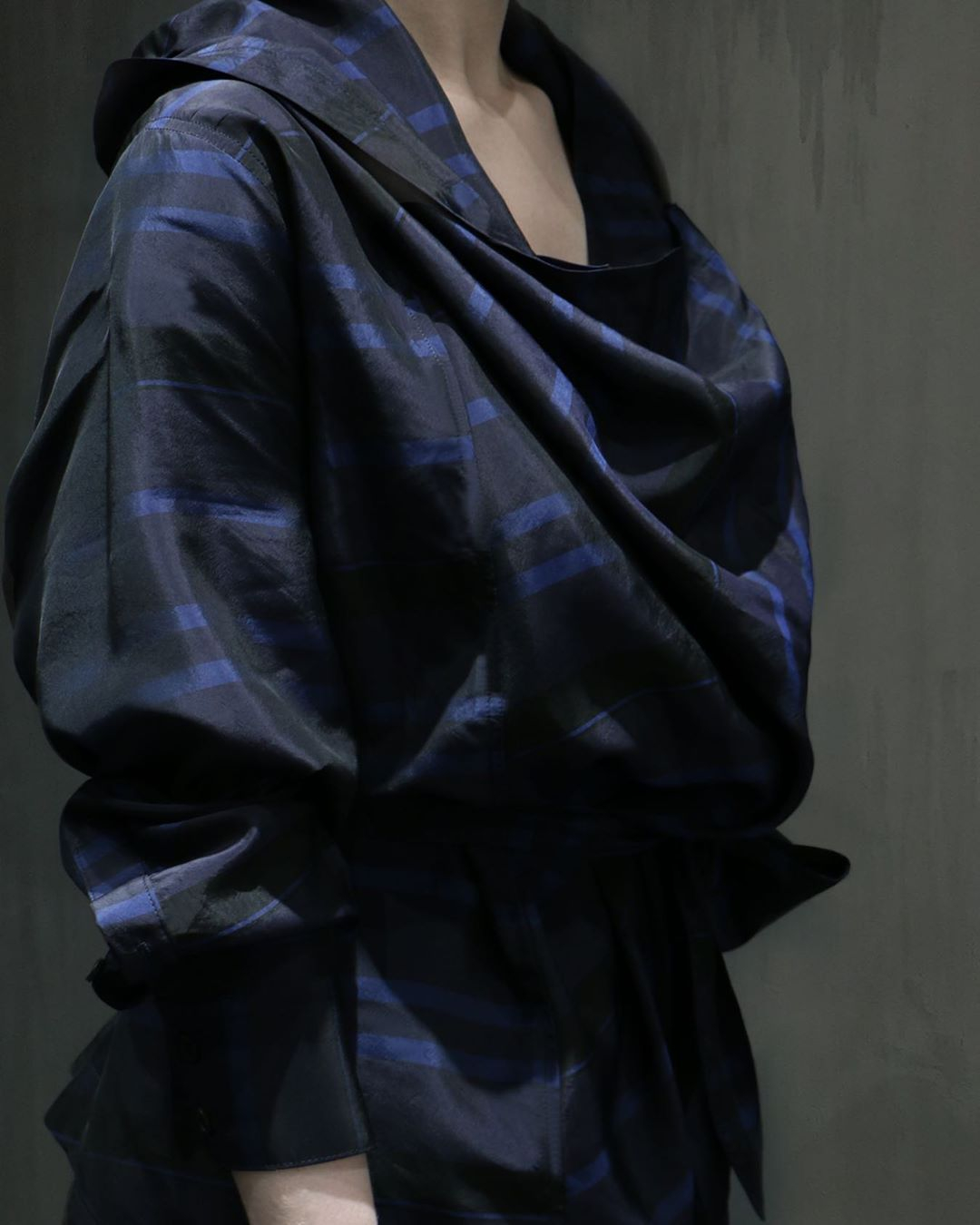
The menswear is particularly interesting with touches of Yohji Yamamoto in the uber-normcore cuts of jackets, pants and overalls. However there are plenty of interesting, more gender neutral shapes in shirts and tops. The womenswear pieces are equally a mix of simple and interesting – with looser cuts and luxe finishes like silk binding.
Vetyver pieces are also somewhat interchangeable for guys and girls; not unisex exactly, but definitely more flexible than traditional brands.
“The brand does have a lot of unisex styles. While I love the idea of unisex, I am not worried if the brand is seen as unisex or not,” says Pit. “I am more excited to see how people play with our garments, regardless of gender.”
Melbourne designer Jude Ng has been creating clothes that are stylish, environmentally responsible, comfortable and for all genders for the last four years in tiny atelier-cum-store in one of the city’s hippest suburbs.
The Artisan AW2020 Collection. Designer: Jude Ng @designbyjude; Photography: Daniel Mallia @mallia___; Talent: Victoria Haslam; Stylist: Tamara Leacock @reciclagem
The idea to combine a store and an atelier in the same space was due mostly to practicalities like cost, and Jude’s desire to be close to his customers. Customer feedback is an important part of how he creates his designs, says Jude. His small team has a design assistant, a pattern-maker, and an intern.
Jude’s style is a cross between Yohji Yamamoto, Jean Paul Gaultier and Vivienne Westwood, his two original sources of inspiration, translated through his Singaporean heritage and Melbourne home.
Designer: Jude Ng @designbyjude; Photography: Danielle Chau @danielleciaochau; Female Talent: Ailene Wu @ailenewu; Male Talent: Jeff Kissubi @jeffsterkiss_; Head Stylist: Tamara Leacock @reciclagem; MUA: Nicole Giardossi @nicolegiardossimakeup
Focusing on using materials that have an inbuilt soft and comfortable texture, using deadstock and eco-friendly fabrics, the pieces of his collections come in non-gendered designs that are flattering to all sexes.
Some of the designs have been so popular, that they are recreated every season in new fabrics; customers become fans returning every collection to add to their Jude wardrobe.
Designer: Jude Ng @designbyjude; Photography: Danielle Chau @danielleciaochau; Female Talent: Ailene Wu @ailenewu; Male Talent: Jeff Kissubi @jeffsterkiss_; Head Stylist: Tamara Leacock @reciclagem; MUA: Nicole Giardossi @nicolegiardossimakeup
“I am super anti fast fashion, my ethos is very focused on bringing back local production and local industry. There are so many talented makers in Australia so I want to give them work and keep the skills here,” says Jude.
“And in terms of sustainability, in my practice I use a lot of deadstock fabrics sourced locally in Melbourne like Wall that does a lot of deadstock natural fibres. Natural fibres is also a focus for the brand; I find that it wears so much better, breathes so much better.
“Also, in my studio space I do a lot of upcycling. The store decor is all recycled and made using found materials … sustainability is such a part of our aesthetic.”
Designer: Jude Ng @designbyjude; Photography: Danielle Chau @danielleciaochau; Female Talent: Ailene Wu @ailenewu; Male Talent: Jeff Kissubi @jeffsterkiss_; Head Stylist: Tamara Leacock @reciclagem; MUA: Nicole Giardossi @nicolegiardossimakeup
Originally a painter, Jude gradually found his work transforming via the addition of fabric to his work; three-dimensional soft sculptures morphed into wearable art, and eventually the art turned into fashion.
Additional training in cutting and pattern-making has seen the label grow into a mix of sharply tailored coats and jackets, combined with more voluminous draping and shaping. Recent collections have also seen a move towards multifunctional garments that can be adapted – skirts with scarves attached, long coats that can be shortened.
Designer: Jude Ng @designbyjude; Photography: Danielle Chau @danielleciaochau; Female Talent: Ailene Wu @ailenewu; Male Talent: Jeff Kissubi @jeffsterkiss_; Head Stylist: Tamara Leacock @reciclagem; MUA: Nicole Giardossi @nicolegiardossimakeup
Layering is a core part of Jude’s design practice, influenced not only by Melbourne’s notoriously fickle weather, but also inspired by his connection to Asian traditional clothing.
That same influence is also behind Jude’s concept of non-gendered clothing, looking towards historical Asian costume for example of men in skirts, and women in trousers, as well as the influence of three older sisters who were tomboys in the ‘90s.
The Artisan AW2020 Collection. Designer: Jude Ng @designbyjude; Photography: Daniel Mallia @mallia___; Talent: Victoria Haslam; Stylist: Tamara Leacock @reciclagem
“I wanted to cater to as many people as I could,” explains Jude, “When I started [designing] a lot of my clothes were free size, and I found that both women and men responded to it equally. And from there I realised that a lot of my shapes could become unisex.”
This focus on more loose-cut fittings, oversized shapes, few patterns and non-gendered colour choices became a part of Jude’s overall ‘clothes for everybody’ agenda.
The idea of anti-fast fashion also runs through Jude’s central design aesthetic. With every collection being able to be worn back with pieces from previous seasons.
“Our customers can find pieces in the current collection that can be worn with pieces from collections four years ago. I want our customers to just keep on wearing their pieces until they wear out,” says Jude.
The Artisan AW2020 Collection. Designer: Jude Ng @designbyjude; Photography: Daniel Mallia @mallia___; Talent: Victoria Haslam; Stylist: Tamara Leacock @reciclagem
For his AW2020 collection entitled The Artisan, Jude is highlighting the importance of the maker and handcrafting our garments. With a mix of traditional construction techniques and new cutting styles, the collection features coats, jackets, jumpers and tunics worn in a series of layers.
A genuine love of high quality fabrics with a soft hand-feel can be seen in Jude’s choice of fabrics for the AW2020 collection. Italian wools, Australian merino wools, lush viscose ponti double knits, raw Italian linen and denims, are all part of the collection. Colours echo the tones of nature with deep emerald, petrol blue, burnt umber and rose ochre mixed with classic slate, charcoal and black.
Jude is launching The Artisan AW2020 collection at an intimate runway show held in his atelier on March 12, 2020. The show will not only have a traditional runway, but will also show off the creative activity behind the making of the garments with the designer on stage sewing. Attendees will be able to touch and try on the clothes while there with pieces from the runway being available to buy on the night.
JUDE The Artisan AW20 Runway event will be held on 12 March 2020, at JUDE Flagship Store. 252 Johnston St, Fitzroy, from 6pm – 9.30pm. There will be two shows. For tickets, go to https://vamff.com.au/event/jude-the-artisan-aw20-collection/.
AW19 Collection Designer: Jude Ng @designbyjude; Photography: Danielle Chau @danielleciaochau; Female Talent: Ailene Wu @ailenewu; Male Talent: Jeff Kissubi @jeffsterkiss_; Head Stylist: Tamara Leacock @reciclagem; MUA: Nicole Giardossi @nicolegiardossimakeup
The Artisan AW2020 Collection. Designer: Jude Ng @designbyjude; Photography: Daniel Mallia @mallia___; Talent: Victoria Haslam; Stylist: Tamara Leacock @reciclagem
Everyone seems to agree that Singapore has some of the best shopping in the world. You really can buy everything in the shopping city, especially when it comes to fashion, shoes and accessories … There are all the European, American and Asian international brands, as well as some unique Singapore-centric labels as well. For my money, the best places to shop are some of the more eclectic multi-label stores … Sects Shop, Keepers and Biro Shouten.
SECTS SHOP
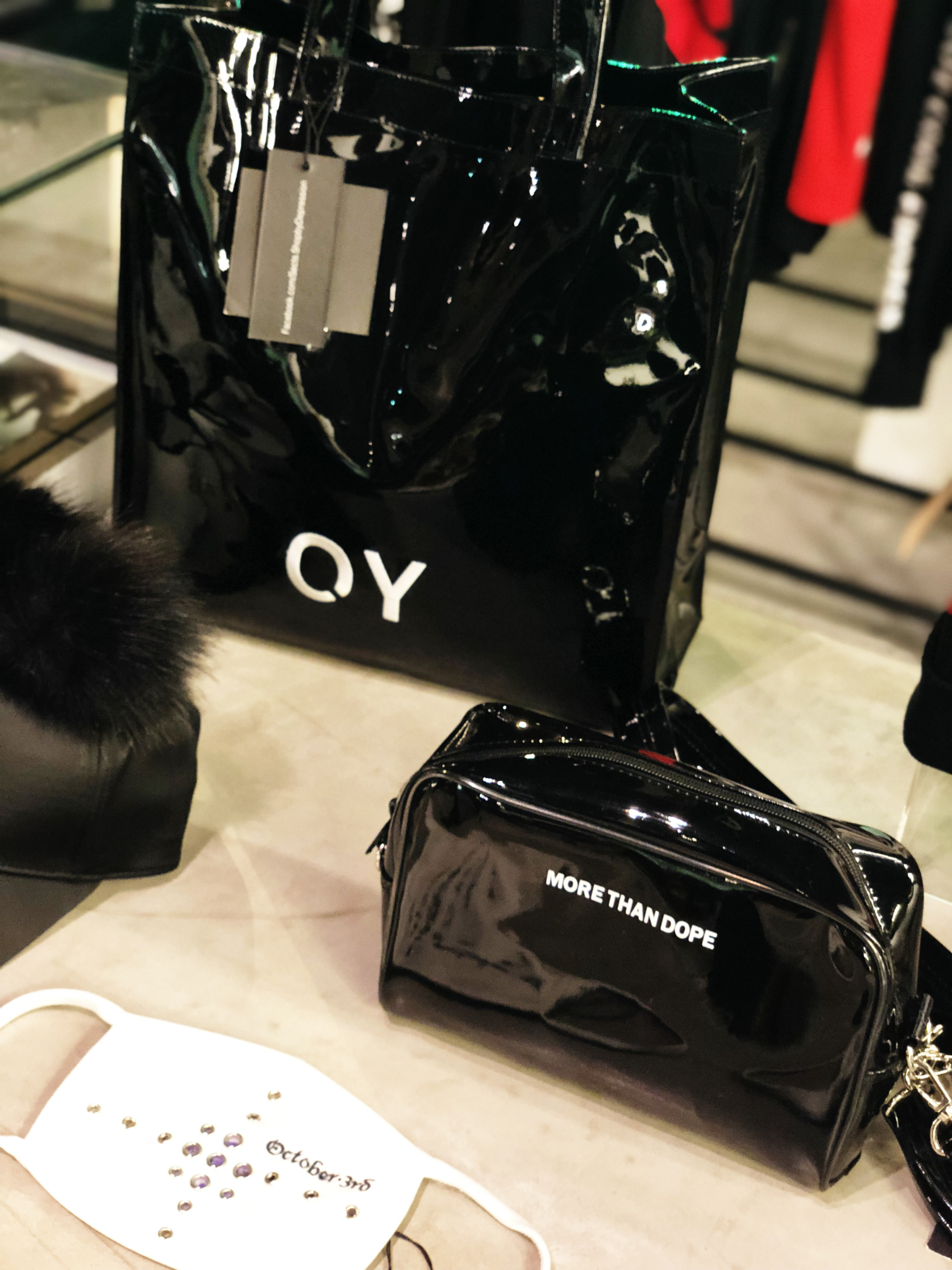
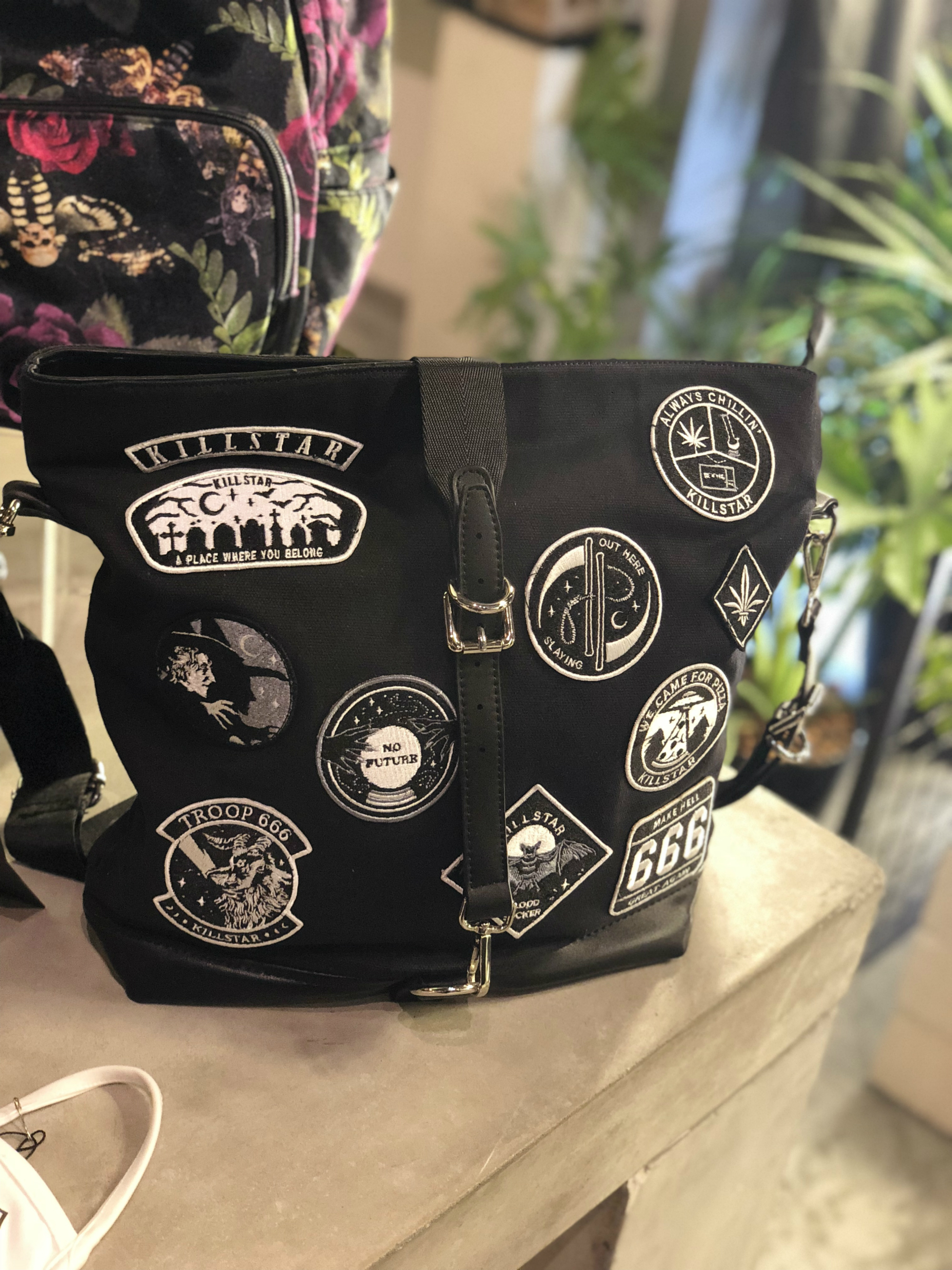
All images by Niki Bruce, shot on iPhoneX
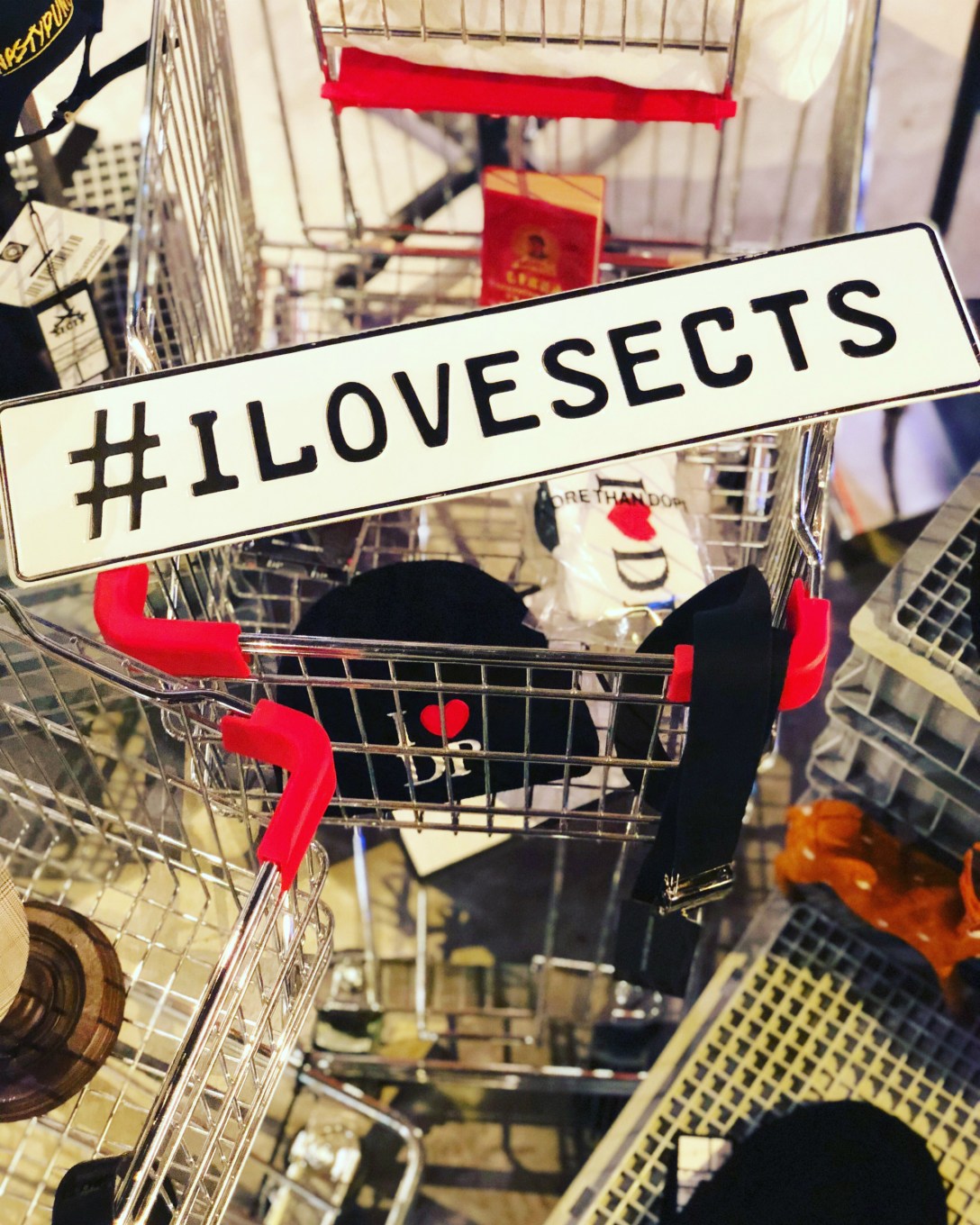
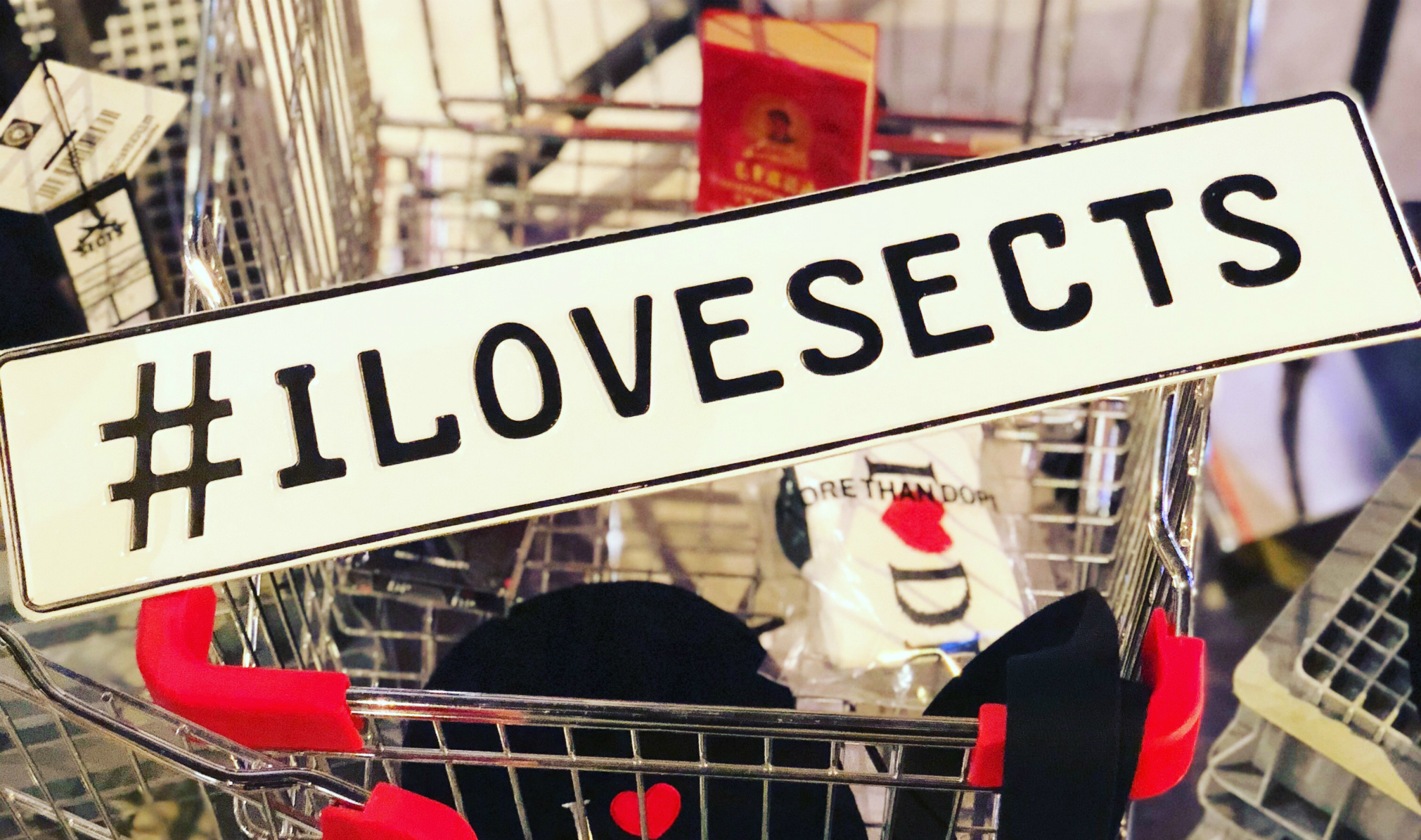
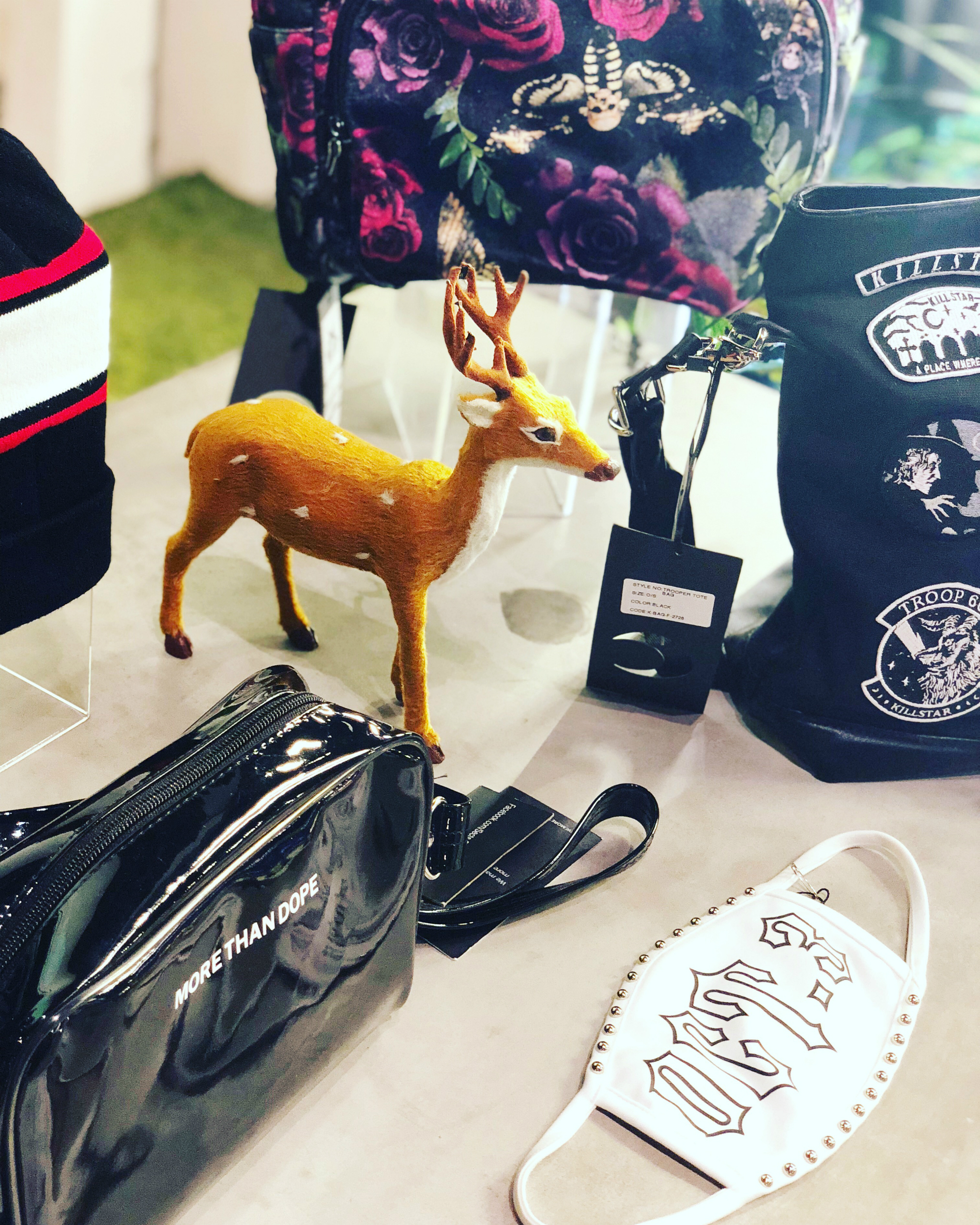
Sects Shop is the store for people who love streetwear, alternative fashion and anything a bit spooky and goth. Founded in 2014 but the two creative minds behind Singapore fashion brand Depression – Kenny Lim and Andrew Loh – this multilabel store located in Orchard Gateway is always at the forefront of the next big trend. Although it’s mainly a menswear store, there’s a strong unisex component to the buy that neatly covers the new Korean streetwear trends of oversize, unisex ‘skirts for boys’ trends as well as generously-cut ‘drapey black goth’ pieces that are definitely female-friendly. Shoes are available in smaller sizes for women, and there are always accessories like bags and jewellery that can be adopted by both sexes.
All images by Niki Bruce, shot on iPhoneX
What I love most about Sects Shop is that it’s always got something new – a new label, a new fashion-forward trend – and the staff are extremely knowledgeable about not only the labels in-store, but also about the current trends for styling.
All images by Niki Bruce, shot on iPhoneX
The interior consists of various ‘shop-in-shop’ spaces that curate the various looks and trends into different spaces. The furniture pieces have been specially created to match the store’s concrete-industrial-tropical-trash feel and are used to create different spaces. Sects Shop is also home to semi-regular pop-up party events that basically include a runway show of the store’s hardcore fans in their best Sects Shop looks.
I have to admit to being a bit biased about the beauties of Sects Shop. I am a longtime friend of the co-owners 🙂 and also a big-spending customer; I do LOVE Korean fashion brands.
I was also the creative director for the shop’s recent Spring Summer campaign shoot … READ MORE HERE
Sects Shop not only has a great Instagram account that lets you know what’s new in-store, the owners have recently also launched an account called sects.education that’s designed to show Singaporean’s how to be a bit more cutting edge when it comes to their street style looks, and features images from some of the city’s more interesting fashionistas. Well worth following for some interesting Asian fashion inspiration.
Sects Shop is located at Orchard Gateway #04-14, Singapore.
KEEPERS
All images by Niki Bruce, shot on iPhoneX
If you are looking for genuine Singapore design then you need to check out Keepers in the National Design Centre, which is worth checking out in its own right if you like any sort of design.
Created by one of Singapore’s most prolific and genuine artisans, Carolyn Kan of Carrie K. Artisan Jewellery which also has its studio in the same group of buildings, Keepers has had a number of incarnations, starting as a pop-up store on Orchard Road and ending up with its permanent spot in the Design Centre.
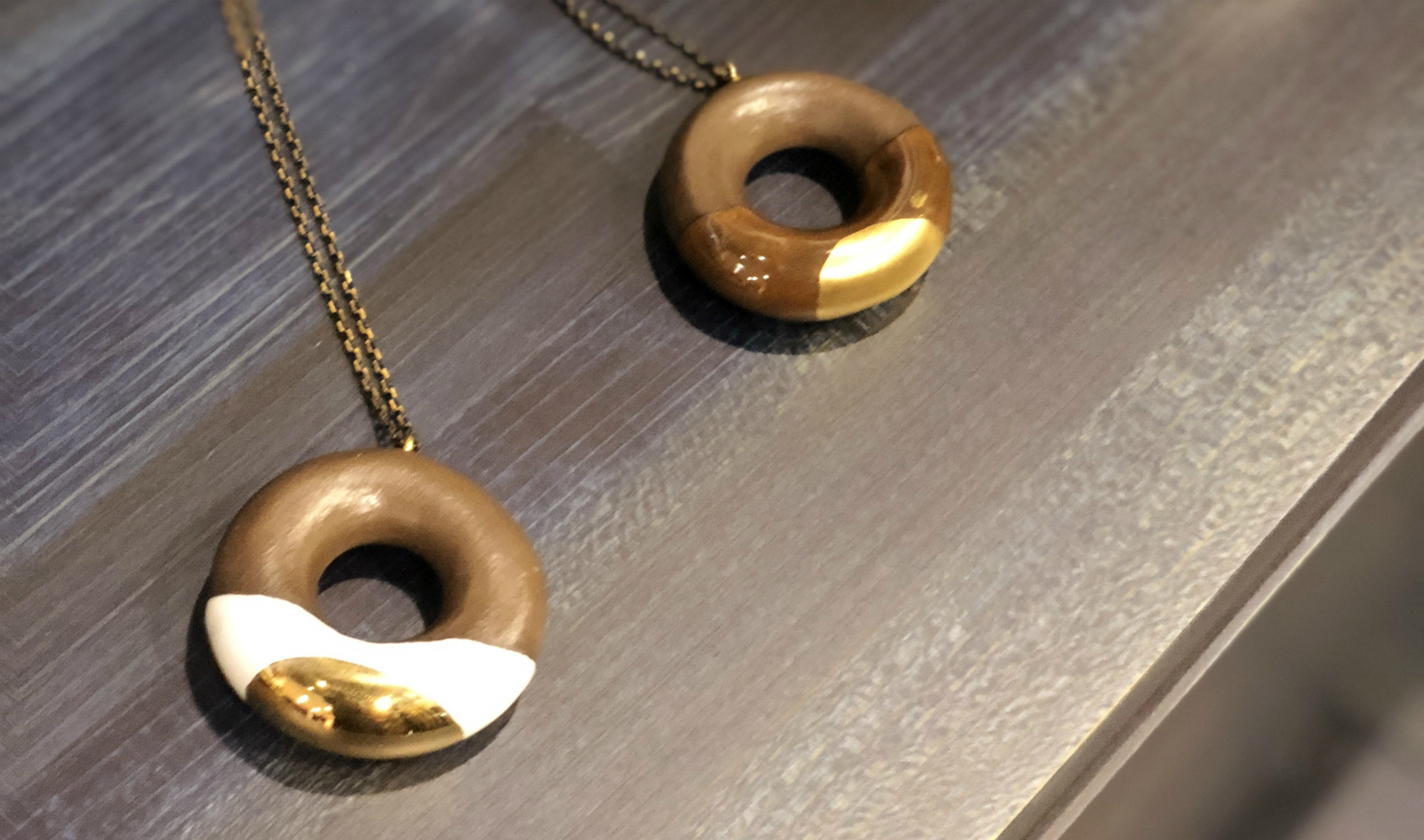
Carolyn is Singapore’s number one style and design collaborators – Singapore’s godmother of design. She has created numerous opportunities for all sorts of emerging artists and designers to come together to create unique capsule collections, but has also spearheaded the development of space for these artisans to actually SELL their creations. As a multilabel store, Keepers offers everything from jewellery, fashion, furniture and homewares, to unique flavoured teas and chocolates. Keepers is also behind the annual Singapasar fleamarket that features only Singaporean creations.
Thomas Wee capsule collection at Keepers. All images by Niki Bruce, shot on iPhoneX
So, back to the store. Situated in the front of the ground floor, the store is a free-form space that morphs into different design concepts based on individual brand concepts.
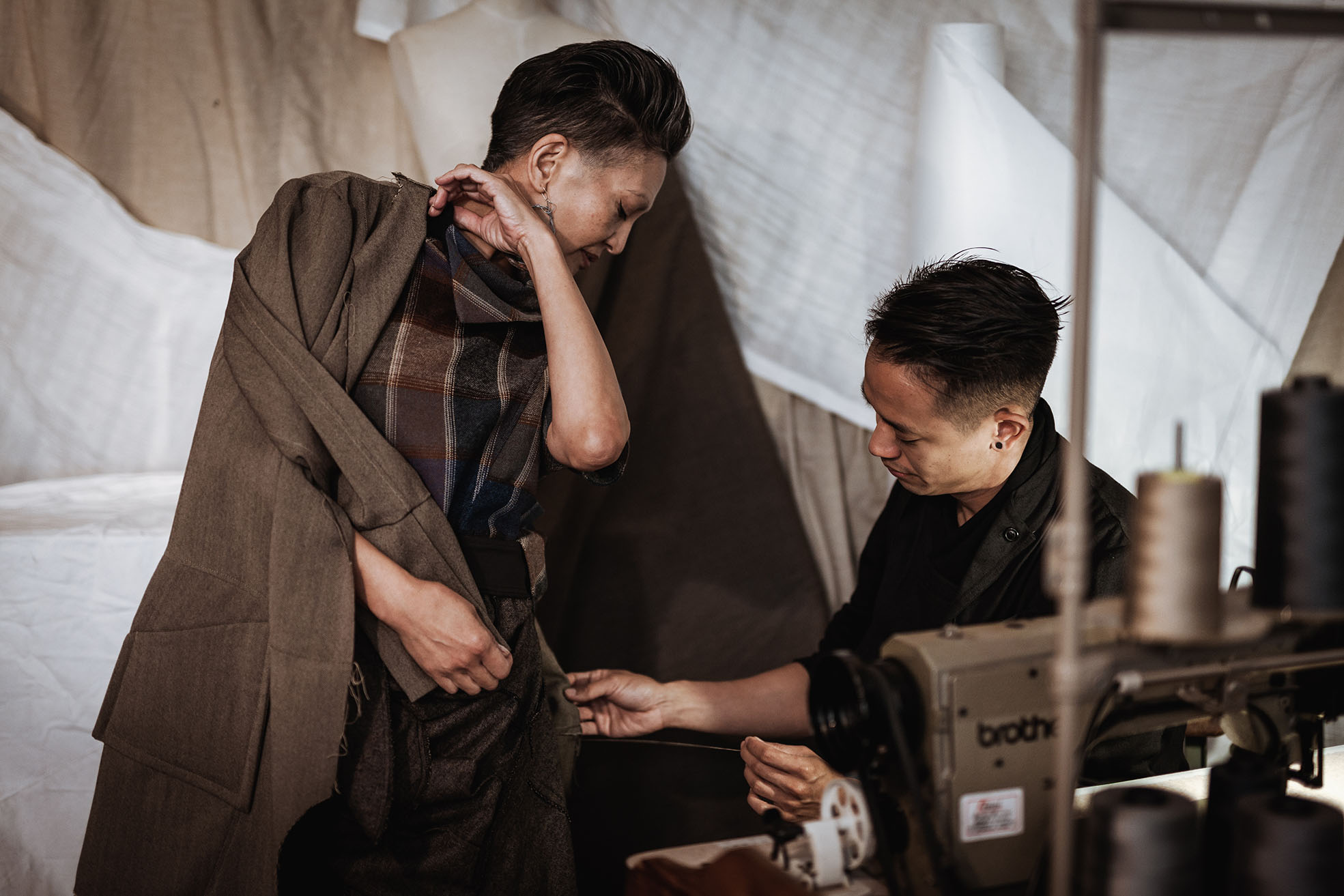
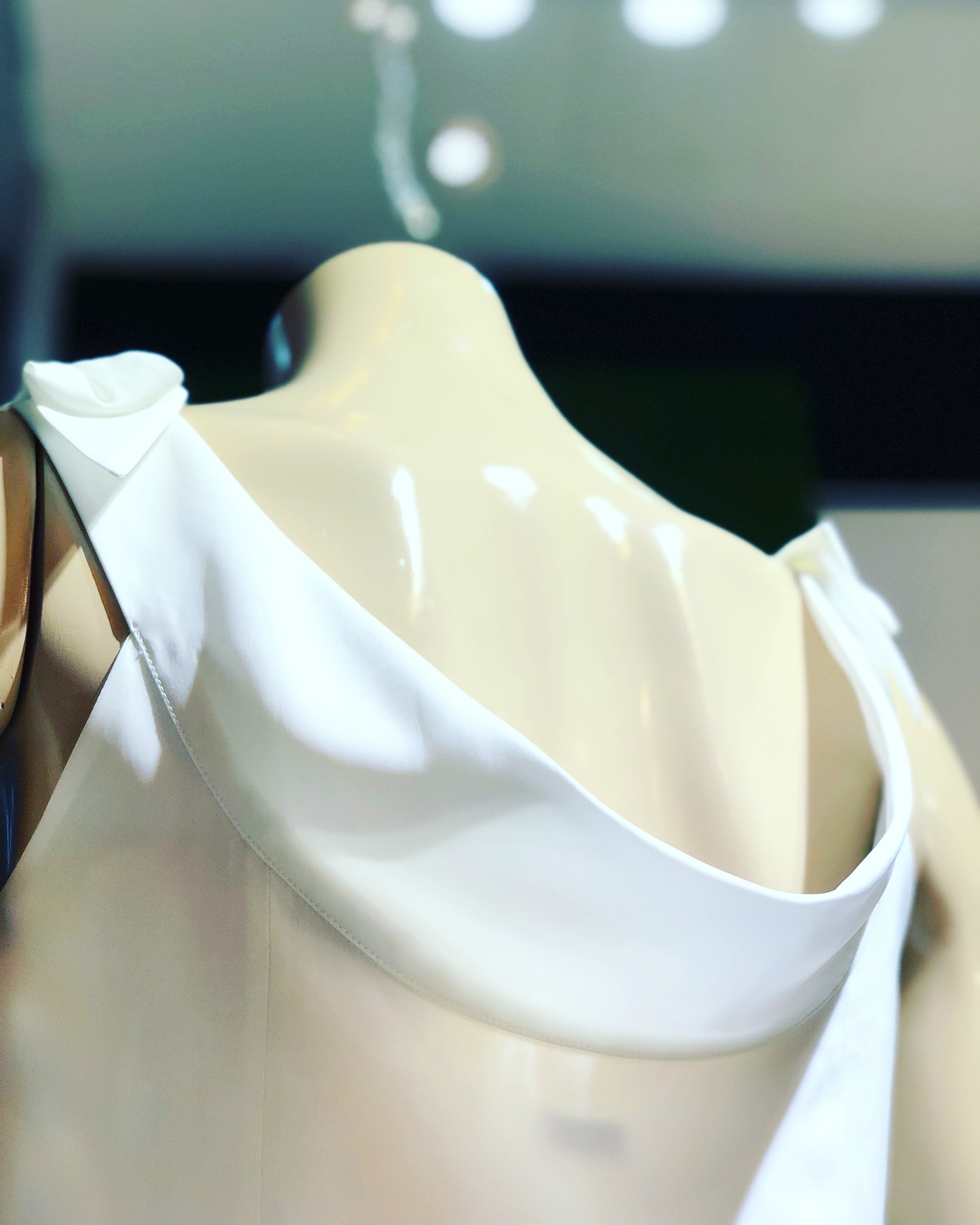
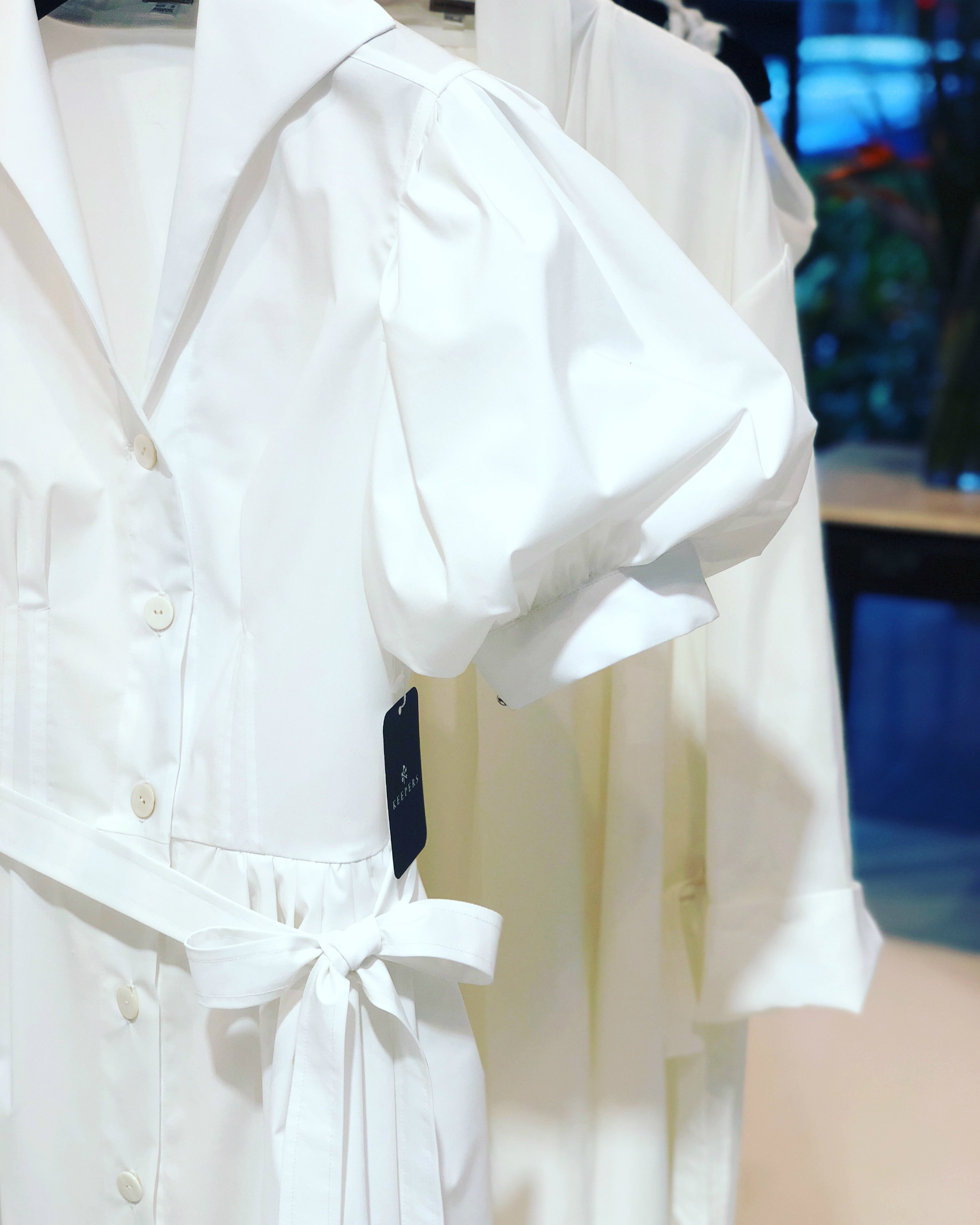
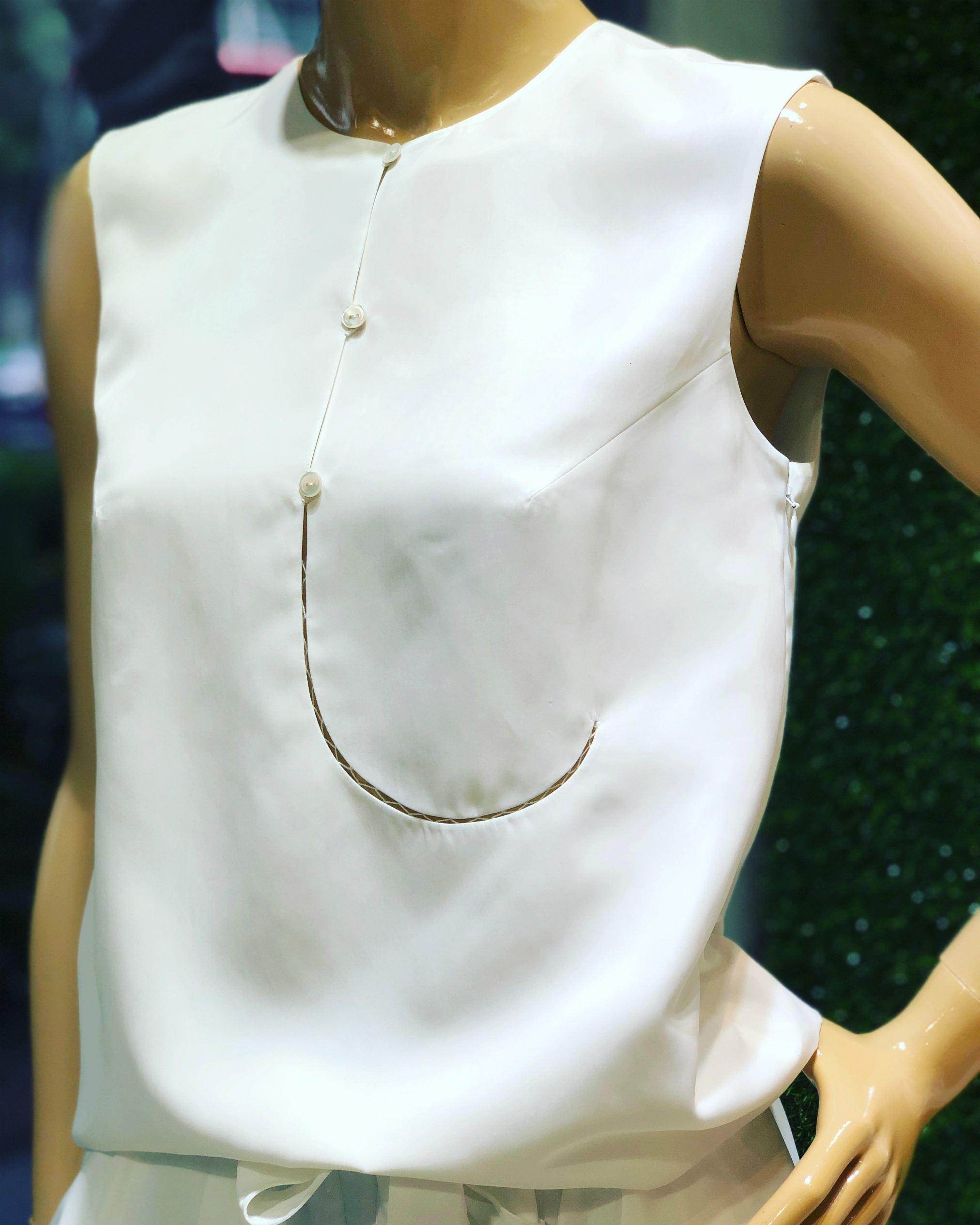
Currently Keepers is holding is a pop-up capsule collection from Singapore’s ‘Dowager Empress’ of fashion, Thomas Wee. This all-white range of beautifully hand-finished, couture-cut fashion pieces are based on Thomas’ all-time best-sellers. The designer himself was there opening night, taking measurements and informing customers that he would tailor various bits and pieces to better suit their body shapes.
Thomas Wee capsule collection at Keepers. All images by Niki Bruce, shot on iPhoneX
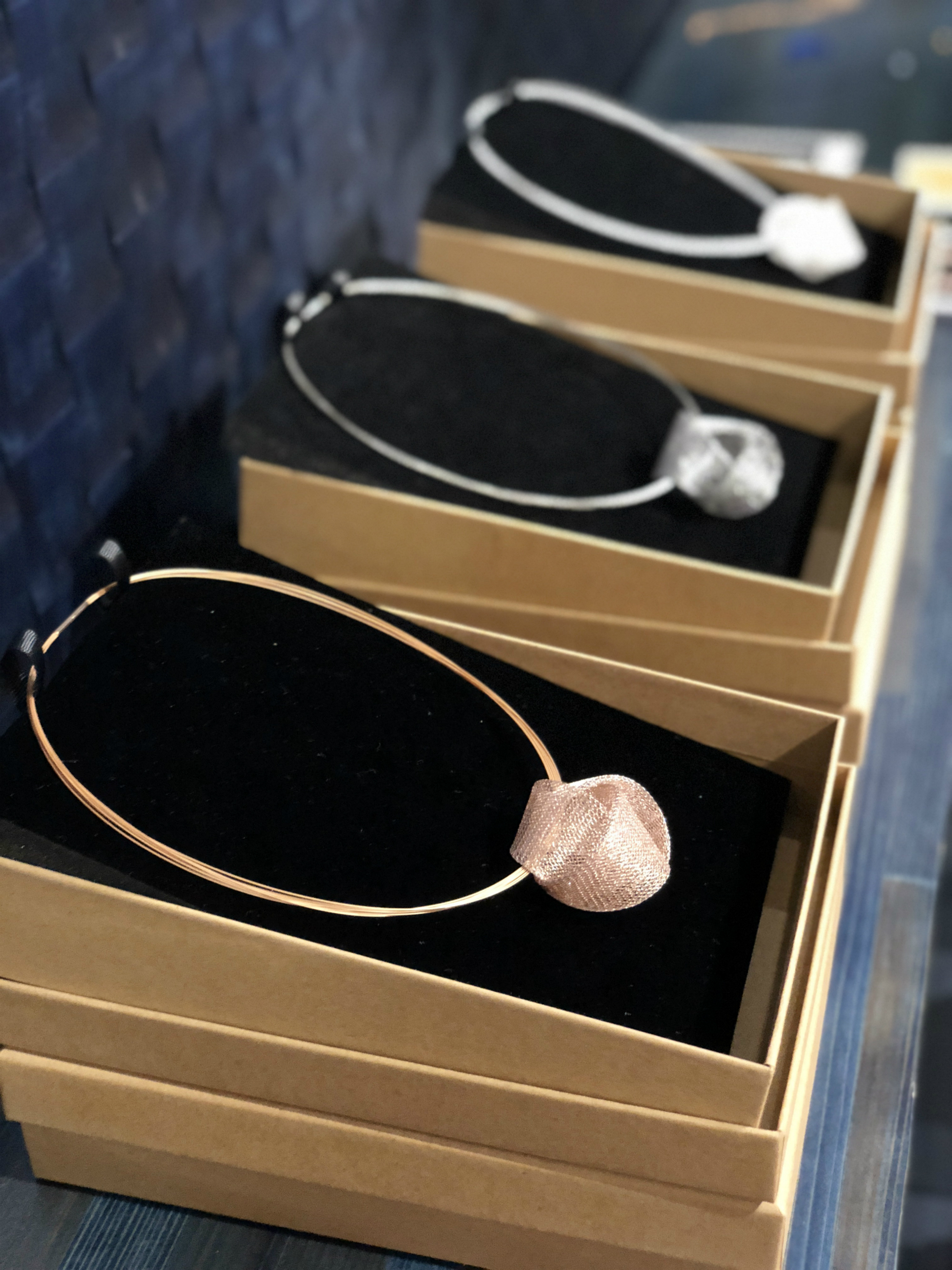
This is the type of personal service that adds to the joy of visiting Keepers. Carolyn and her creative husband/partner Chong can often be found hanging out in the store making useful suggestions to customers over which pieces of jewellery to buy, or which Ling Wu exotic skin bag looks best. Hands down, Keepers is the best place to buy stylish souvenirs from Singapore; and it’s the best place to snap up artistic presents as well.
Thomas Wee capsule collection at Keepers. All images by Niki Bruce, shot on iPhoneX
Keepers is located at National Design Centre, 111 Middle Road, #01-01, Singapore. Open 12pm to 8pm daily. The National Design Centre is also home to Carrie K. Atelier and super hot dining & cafe spot Tanuki Raw plus another cool multi-brand store Kapok.
BIRO SHOUTEN
All images by Niki Bruce, shot on iPhoneX
For shoppers who are more into the extreme hardcore minimalism of very select hand-curate objects and fashion items; or stylistas who are obsessed with the normcore purity of Japanese design, Biro Shouten is the tiny, perfect store for you.
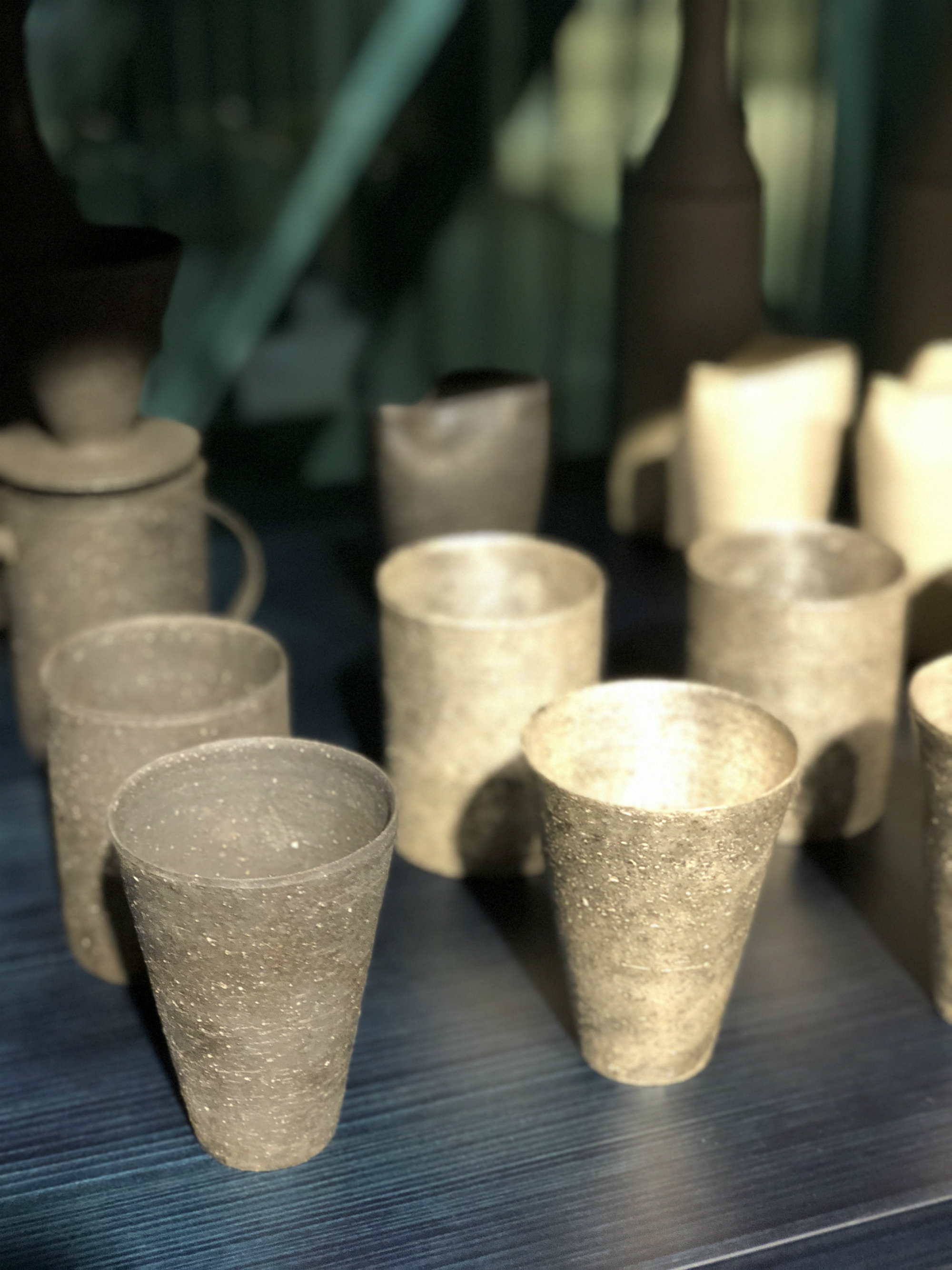
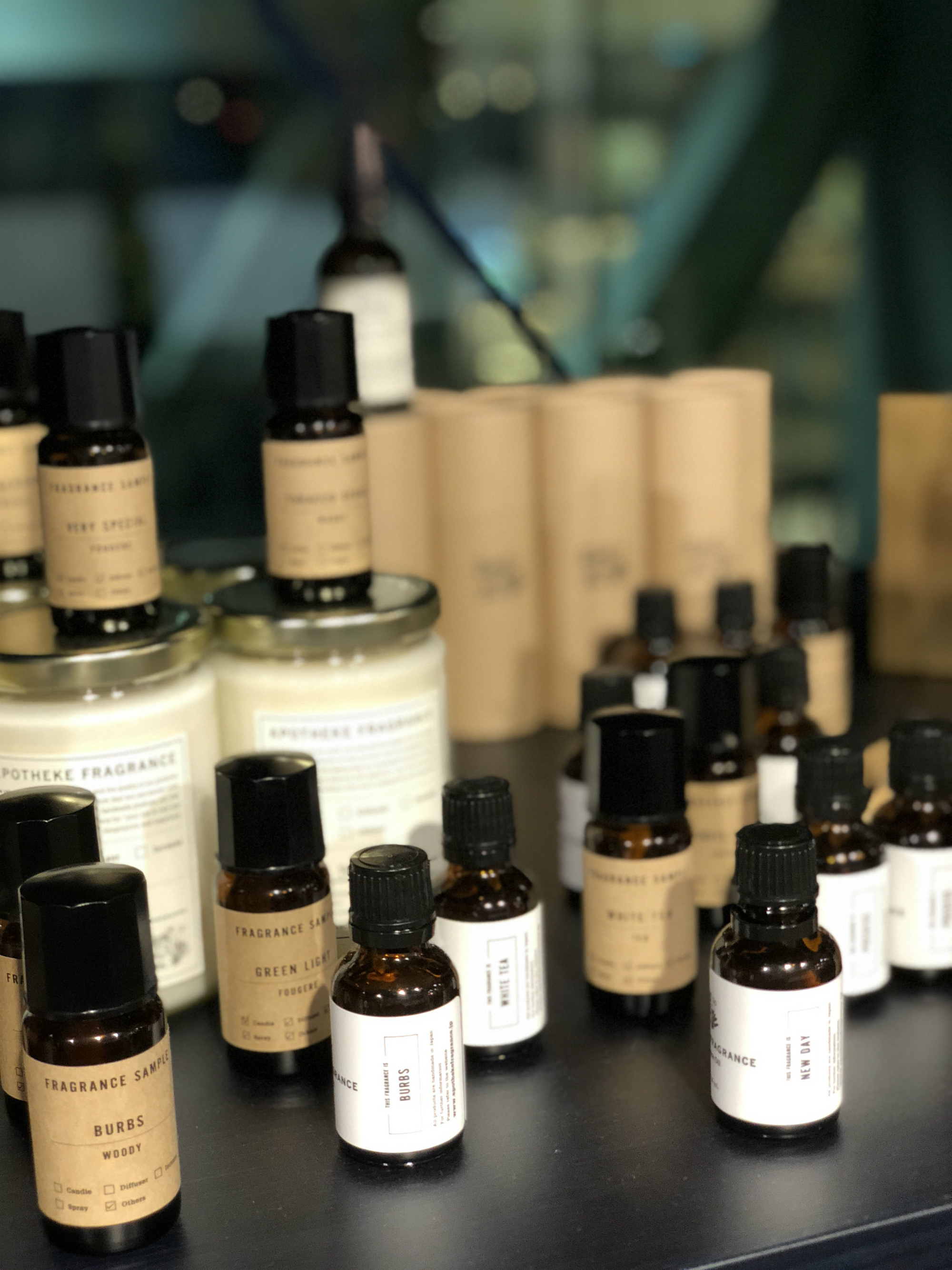
This is where the brothers bring together their concise curration of the very best versions of micro-targeted accessories, homewares, organic home scents, jewellery and clothing, including Mastery handmade small leather goods and Takashi Endo Ceramics.
All images by Niki Bruce, shot on iPhoneX
The store itself is small, but perfect in layout and design – very Japanese in concept and feel. Although it’s located in a somewhat odd area (a very Singapore heartland shopping mall), it’s directly next to the Lavender MRT stop and well worth making the effort to visit.
Biro Shouten is located at Kitchener Complex, Level 3, 809 French Road, Singapore.
































 niki bruce